K-Pop Concert in Seoul 2026: Tickets, Bags, Subway
K-pop concert in Seoul 2026 planning is no longer just about buying a ticket and showing up with a light stick. Seoul concerts are now global travel events. Fans fly in for a weekend, navigate Korean ticketing platforms, line up for merch, move between subway exits, check bag rules, scan QR tickets, and still need enough battery left to find dinner after the encore.
The pressure is real because the calendar keeps getting bigger. aespa's official world tour site lists Seoul dates at Gocheok Sky Dome in August 2026, while YG Entertainment's official BABYMONSTER concert page confirms the 2026-27 CHOOM tour. Those are not small local shows. They are exactly the kind of events that turn Seoul venue logistics into a travel skill.
This guide is for international fans who want to enjoy the show without losing the day to avoidable mistakes: wrong venue assumptions, oversized bags, weak phone batteries, ticket-name mismatches, late subway exits, and merch lines that quietly eat the whole afternoon.
Quick Answer: How Should You Prepare?
For a Seoul K-pop concert, prepare in this order: confirm the official ticket platform, match your passport name to the ticket name, check the exact venue, pack a small clear or compact bag, charge a power bank, arrive early for identity checks and merch, and map your return route before the show starts.
The biggest mistake is treating "Seoul concert" as one fixed experience. Gocheok Sky Dome, Jamsil Indoor Stadium, KSPO Dome, Inspire Arena, Olympic Hall, and small fan meeting venues all behave differently. Some are baseball-style domes with large outside plazas. Some sit inside huge sports complexes. Some are outside central Seoul. Some are easier by subway; others may require airport-line, bus, taxi, or shuttle planning.
If you are visiting Korea for the first time, pair this guide with EpicKor's Seoul subway etiquette guide, KTX vs SRT vs express bus guide, Korea e-Arrival Card vs K-ETA guide, and KPop Demon Hunters Korea fan travel guide. Concert travel is still Korea travel. The basics matter.
| Task | Why It Matters | Best Move |
|---|---|---|
| Ticket name | Some events check ID against ticket buyer or pickup name | Use the same romanized name as your passport when possible |
| Venue check | Jamsil, Gocheok, Olympic Park, and Inspire are not interchangeable | Save the Korean venue name and nearest station before travel day |
| Bag size | Large bags can be rejected or make standing queues miserable | Use a compact crossbody or small day bag unless official rules say otherwise |
| Battery | Tickets, maps, translation, photos, and payment all drain your phone | Carry a charged power bank and a short cable |
| Return route | Post-show subway and taxi demand spikes fast | Plan two routes: subway first, taxi only as backup |
Korea travel essentials — compare on AmazonAffiliate link. As an Amazon Associate, EpicKor earns from qualifying purchases at no extra cost to you.
Seoul Venues Are A Logistics Map, Not Just A Stage
The same concert can feel easy or chaotic depending on the venue. The best fans do not memorize every station in Seoul. They learn the pattern.
Jamsil-area concerts usually connect to the Seoul Sports Complex and Sports Complex Station. The area is built for crowds, but that does not mean every exit is equally convenient. The station and stadium zone can feel like a moving river after a show. If your hotel is in Gangnam, Jamsil, COEX, or Seongsu, your ride home can be simple. If your hotel is in Hongdae, Myeongdong, or near Seoul Station, the route may include transfers and a longer night ride.
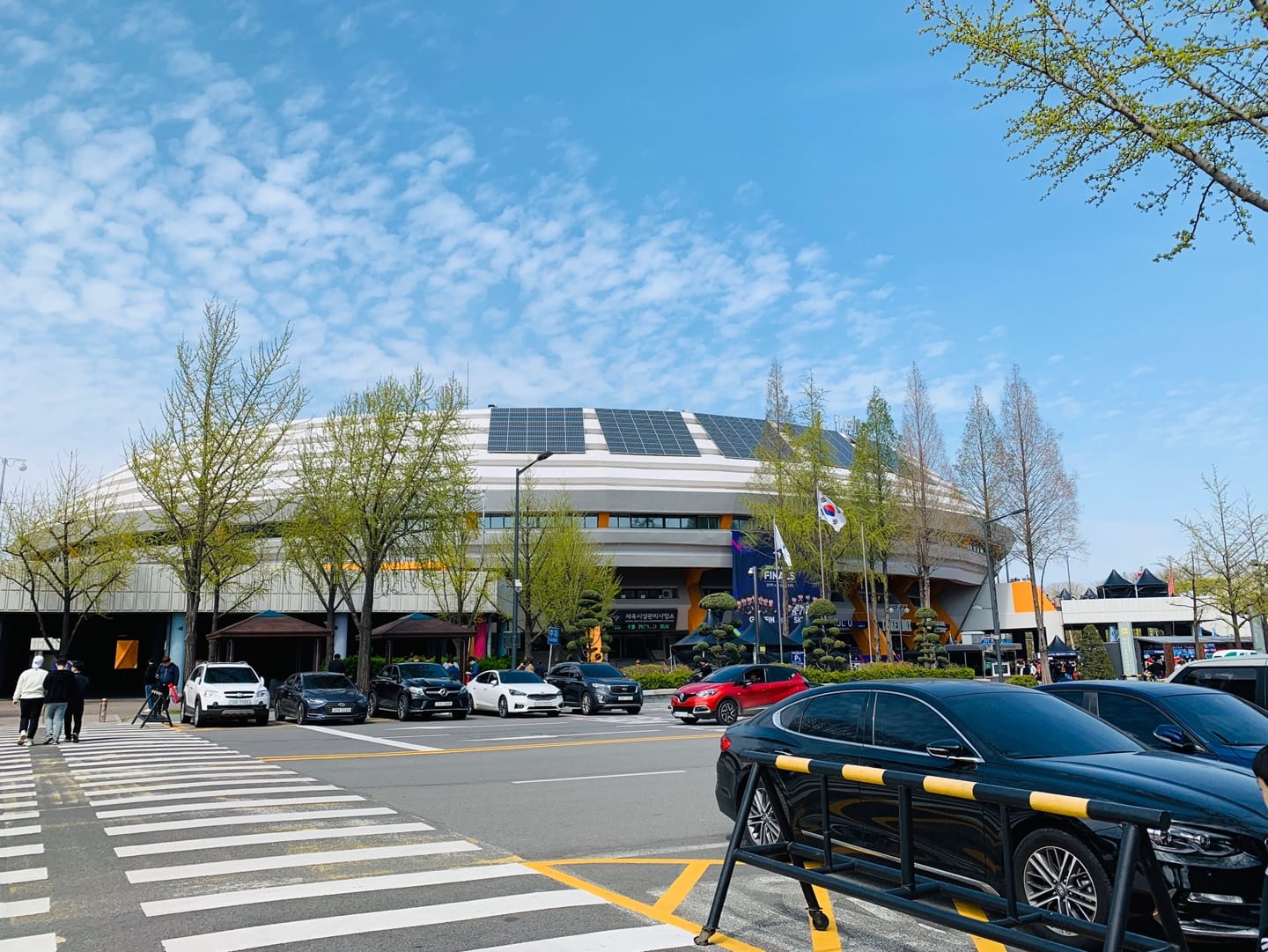
Gocheok Sky Dome is different. It sits in Guro-gu, not in the Jamsil/Olympic Park concert cluster. It can handle major shows, baseball crowds, and large fan flows, but it rewards early arrival. When a global tour lands there, nearby station paths, crosswalks, convenience stores, and food spots get busy earlier than casual visitors expect.
Inspire Arena, near Incheon, is another category entirely. It can be great for a high-production concert, but it is not a casual "just take Line 2" venue. If your event is at Inspire, check official shuttle, airport-area hotel, and late-night return options before buying a flight that lands the same afternoon.
Ticketing: Names, Platforms, And The Pickup Trap
Most international fan stress starts with ticketing. Korea's major ticketing ecosystem can include platforms such as Melon Ticket, Interpark Ticket, Ticketlink, Weverse-linked flows, fan club presales, global ticket pages, and event-specific notices. The exact platform changes by artist and promoter, so do not rely on a random fan thread as your final authority.
Start from the artist's official site, agency site, tour announcement, or verified social channel. From there, follow the ticket link to the official seller. If the seller has a global page, use it. If it does not, check whether foreign credit cards, phone verification, or Korean identity verification are required before the sale opens.
The pickup issue matters. Some Korea events use mobile tickets only. Some require passport or ID checks. Some have separate fan club verification. Some allow transfer; others do not. Some overseas buyers discover too late that their ticket name, account name, and passport name do not align.
Before checkout, check these five items:
- Does the ticket name need to match your passport?
- Is the ticket mobile, paper, pickup, or QR-based?
- Is there a foreigner-friendly ticket page?
- Can the ticket be canceled, transferred, or resold officially?
- Is fan club verification separate from ticket verification?
Never buy from a random social-media seller without understanding the event's transfer rules. A screenshot is not a ticket. A promise is not venue access. If the show requires name matching, an unofficial resale can become an expensive photo of a seat you cannot enter.
What To Pack For A Seoul Concert Day
Pack smaller than you think. Concerts in Korea often involve long standing periods, stair movement, subway transfers, merch lines, cafe stops, and weather changes. Even if the official policy allows a normal bag, your body may disagree by 9 p.m.
The safest concert-day kit is compact:
- Passport or government ID if the ticket notice requires it.
- Ticket app, QR code, or pickup confirmation saved offline.
- Power bank and cable.
- Small wallet or travel card pouch.
- Water if allowed, or cash/card to buy water nearby.
- Foldable tote for merch if allowed.
- Light outer layer for air-conditioned arenas.
- Mask if you prefer one in dense crowds.
- Minimal cosmetics or skincare touch-up items.
- Light stick, batteries, and official fan goods only if permitted.
Do not assume light-stick batteries are easy to buy near the venue. Convenience stores around major events can sell out of exactly the thing everyone forgot. Also check whether your light stick needs app pairing, Bluetooth setup, or seat syncing before the show. It is much calmer to do that in your hotel than in a crowd outside an arena.
If you plan to buy merch, bring a bag strategy. Some fans carry a tiny crossbody for valuables and a foldable tote for merch after purchase. That keeps passports, cards, and phones close while still giving you room for a T-shirt or slogan towel later.
Subway Strategy: Get There Early, Leave Calm
Seoul's subway system is excellent, but concerts test it. The issue is not whether the subway works. It is whether thousands of people try to use the same stairs, gates, and trains at the same time.
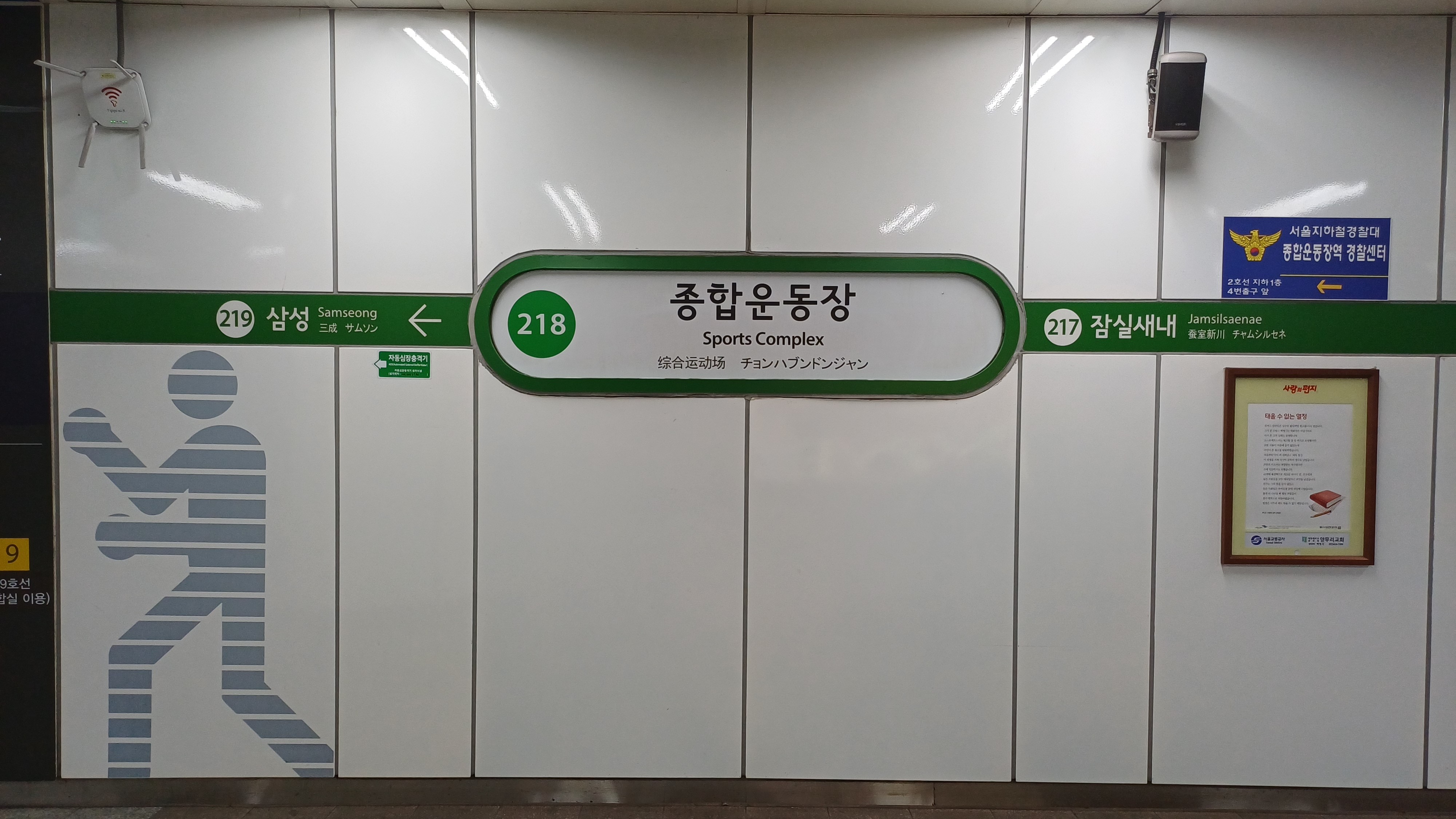
Sports Complex Station is a useful example. It serves the Jamsil sports area and connects to Lines 2 and 9. That sounds simple until the show ends and everyone moves at once. A ten-minute station walk can turn into a slow crowd shuffle. If you need a transfer, give yourself emotional margin. This is not the night to schedule a non-refundable late dinner across town.
For arrival, use this timing rule:
| Your Goal | Arrive This Early | Reason |
|---|---|---|
| Just enter with mobile ticket | 90-120 minutes | Enough time for station exits, lines, restrooms, and seat finding |
| Ticket pickup or ID check | 2.5-3.5 hours | Name checks, foreign passport issues, and pickup windows can slow down |
| Merch buying | 4+ hours or official merch schedule | Popular items can sell out, and lines form before casual fans arrive |
| Fan cafe, cup sleeve, photos | Half day | Fan culture activities are fun but spread across neighborhoods |
For departure, do the opposite of panic. If you are not racing for the last train, wait ten to fifteen minutes near the venue area, use the restroom after the first wave, or walk to a less crowded bus stop if you know the route. If you are near the last train, leave during the final ending ment only if you are comfortable missing the emotional close. Many fans would rather stay. That is valid. Just know the tradeoff before the show.
Merch, Fan Events, And The Long Day Problem
International fans often underestimate how long a Seoul concert day becomes. You may start with a birthday cafe, move to a pop-up, collect a cup sleeve, eat a quick meal, pick up a ticket, buy merch, take photos, enter the venue, watch the show, wait for crowd movement, and then ride home. That is a twelve-hour day disguised as a two-hour concert.
This is where Seoul fan travel gets fun, but also where mistakes happen. Do not schedule every fan event on the same day as the concert unless you know the geography. Hongdae, Seongsu, Myeongdong, Jamsil, Gocheok, and Olympic Park are not one neighborhood. Seoul is efficient, not tiny.
If you want a stronger Korea fan-culture day, build it like this:
- Morning: cafe or pop-up in one neighborhood.
- Lunch: simple food near your transfer path.
- Afternoon: ticket pickup or merch.
- Pre-show: rest, water, restroom, battery check.
- Show: keep valuables secured and enjoy it.
- Post-show: follow crowd control, then eat near hotel if possible.
This rhythm leaves room for delays. It also gives you a better chance of actually enjoying the city instead of speed-running every fan map you saw on TikTok.
Etiquette: What Foreign Fans Should Notice
Korean concert etiquette varies by artist, generation, venue, and fan culture. A standing festival crowd and a seated idol concert do not behave the same way. Still, there are patterns.
Do not block views with large signs unless the event clearly allows them. Do not film with a tablet above your head. Do not push during entry or exit. Do not assume a staff member speaks English, but do keep your question short if you need help. Keep your passport, phone, and wallet close in dense crowds. If a rule is announced in Korean, watch how local fans respond; they often show the practical answer faster than a translation app.
Also respect unofficial fan spaces. Cup sleeve cafes, birthday ads, and fan-led giveaways are part of K-pop culture, but they are not public property for chaos. Buy a drink if the cafe requires it. Do not crowd the counter for photos during busy periods. If a fan organizer sets a queue, follow it.
What If You Are Coming From Overseas?
If the concert is the anchor of your Korea trip, do not build a fragile itinerary. Avoid landing on the same afternoon as the show unless the ticket was cheap enough to lose emotionally. Flight delays, immigration lines, baggage delays, airport transfers, hotel check-in, and traffic can all stack up.
Stay in a location that matches the venue. For Jamsil, Gangnam, COEX, Seongsu, or Songpa can be convenient. For Gocheok, western Seoul or a line with clean transfers may be better than a pretty hotel far across town. For Inspire, consider Incheon or official shuttle logistics. For Olympic Park, check Line 5 and Line 9 routes.
If you are planning more Korea travel around the concert, do the city-to-city portion after the show, not before it. A concert is a fixed-time event. A train to Busan can be changed more easily than a show you flew across the world to see.
Venue Notes: Gocheok Inside Versus Concert Mode
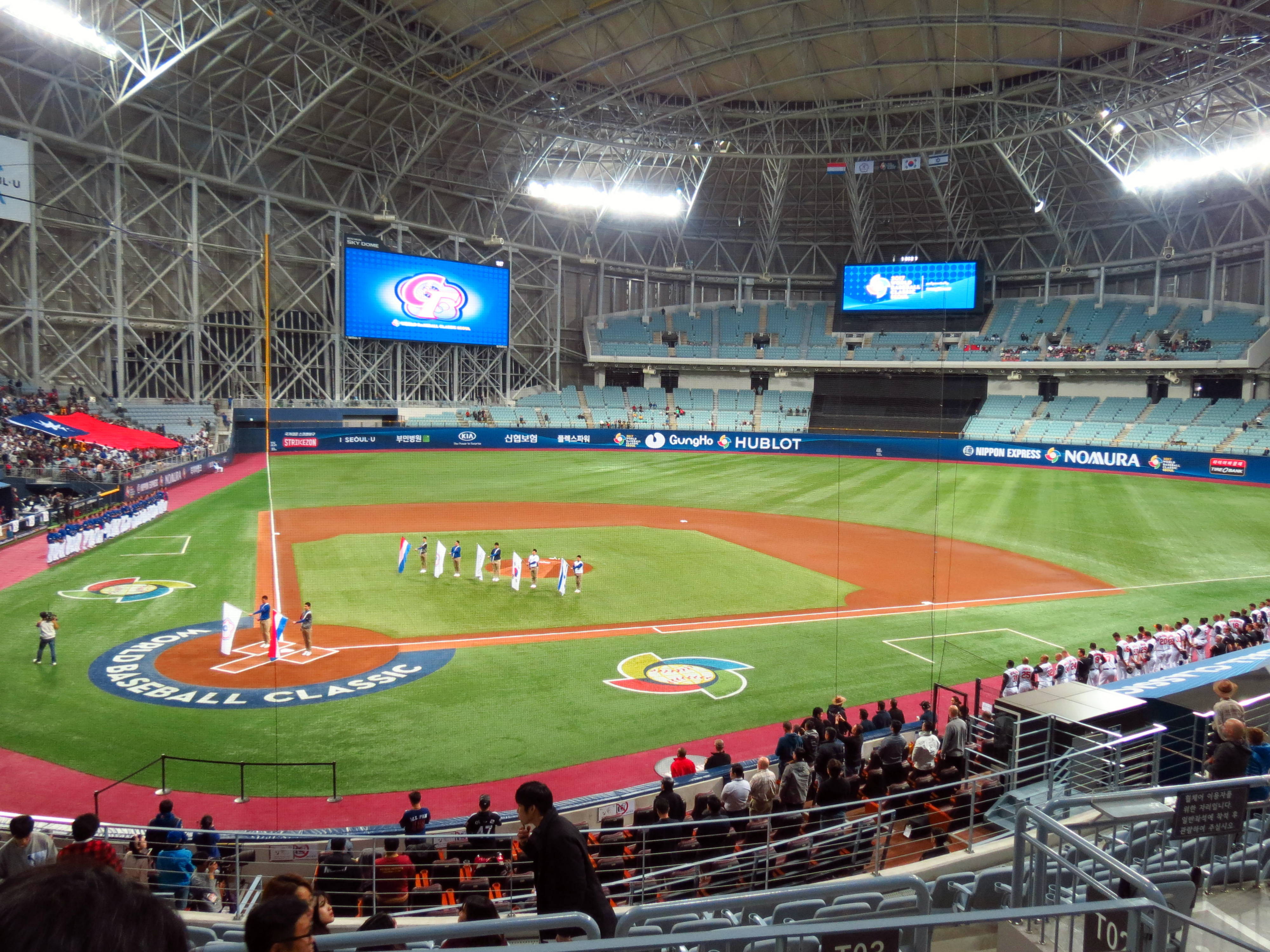
Gocheok Sky Dome is built as a sports dome, but major K-pop productions transform it. The same seating bowl can become a stage, screen, lighting, and fan-color environment. That is why seat maps matter. A seat that looks fine for baseball may not mean the same thing for a concert stage with extended platforms, blocked views, side screens, or production towers.
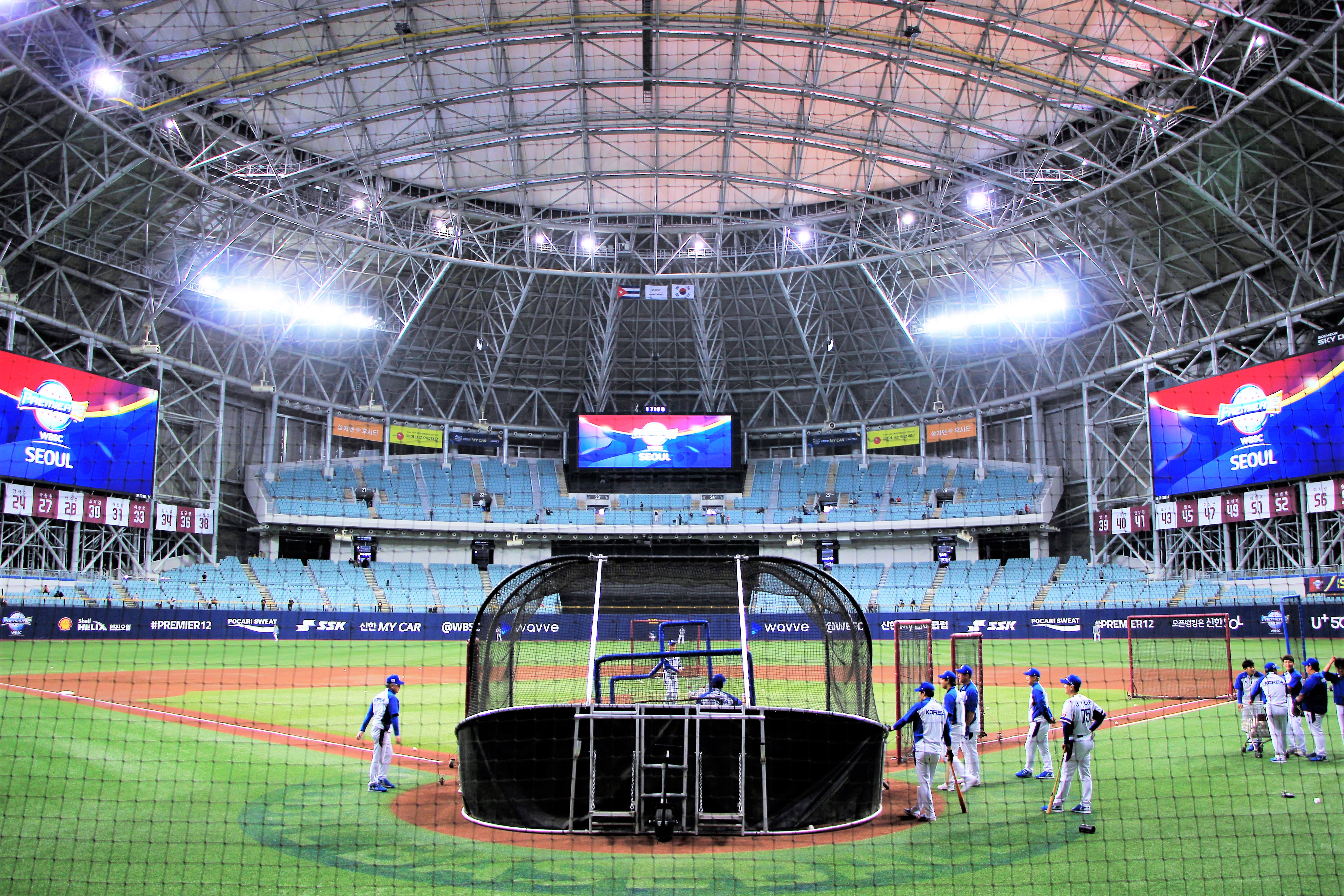
When choosing seats, think about your priority. If you want full choreography, a center or slightly distant view can be better than a too-close side angle. If you want member proximity, floor or side seating may feel more exciting but can carry view restrictions. If you want comfort, an assigned seat with easy aisle access may beat a standing zone.
For foreign fans, the most important rule is simple: official seat maps beat fan guesses. Fan advice helps, but production layouts change.
FAQ
Q: Can foreigners buy K-pop concert tickets in Korea?
Yes, foreigners can buy many K-pop concert tickets, but the process depends on the artist, promoter, platform, and sale type. Some events have global ticket pages, while others require Korean platform access, fan club verification, or identity checks. Always start from the official artist or agency announcement.
Q: Should I bring my passport to a Seoul concert?
Bring your passport if the ticket notice says identity verification may be required, especially for pickup, fan club presale, or foreigner ticket windows. If you are uncomfortable carrying your passport all day, check whether another government ID is accepted. Do not assume a photo of your passport is enough.
Q: How early should I arrive for a K-pop concert in Seoul?
If you already have a mobile ticket and do not plan to buy merch, 90-120 minutes is often a comfortable minimum. If you need ticket pickup, ID verification, fan club checks, or merch, arrive much earlier and follow the official schedule.
Q: Are big bags allowed at Korean concert venues?
Rules vary by event. Some venues or promoters restrict large bags, professional cameras, banners, food, bottles, or battery types. Even when a large bag is technically allowed, it can be uncomfortable in subway crowds and seat rows. Pack small unless the official notice gives you a reason not to.
Q: Is it better to stay near the venue?
For a once-in-a-trip concert, yes, staying near the venue or on a simple subway line can reduce stress. Jamsil, Gocheok, Olympic Park, and Incheon-area venues require different hotel logic, so choose after you confirm the venue, not before.
Bottom Line
A K-pop concert in Seoul is one of the best reasons to visit Korea, but it works best when you treat the day as travel logistics plus fan joy. Confirm official ticket rules, pack light, arrive early, respect the venue, plan your subway exit, and protect your phone battery.
Do that, and the concert becomes what it should be: not a stress test, but the center of a Korea trip you will actually remember.
You Might Also Like
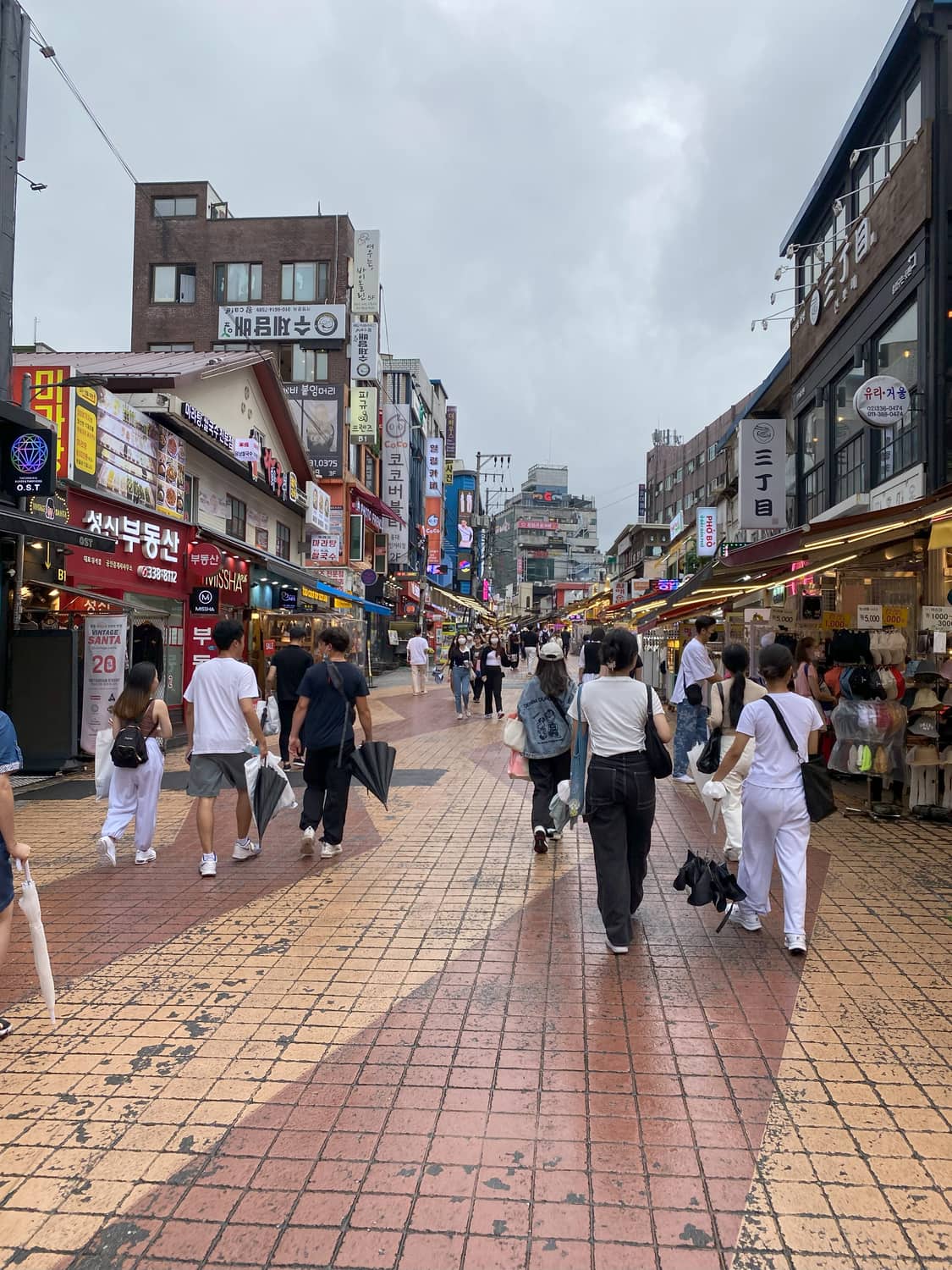
Do Koreans Speak English? Ask Someone Under 35 — What Actually Happens on a Seoul Street
Yes, if you ask the right person. Stop a Korean in their twenties or thirties on a Seoul street and you will almost always get an answer in English. The forum answer that says otherwise is twenty years old. Who to ask, how to ask, where English is built in.
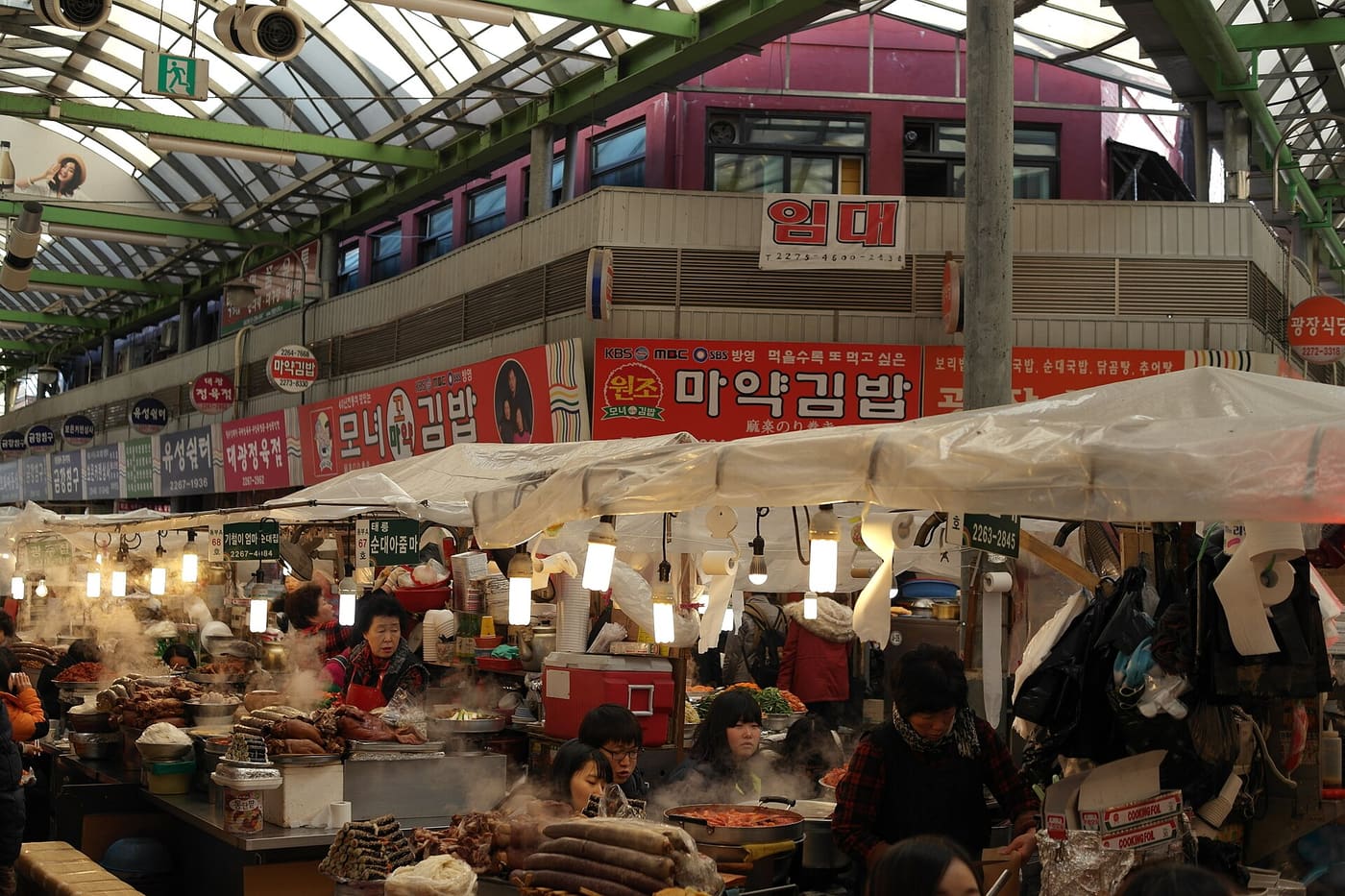
Gwangjang Market's Second Floor: Seoul's Vintage Arcade, and the One Day It's Shut
Everyone knows Gwangjang for the food alley that never closes. Above it is a vintage arcade signed 수입구제 where most items run under ₩20,000 — and it shuts every Sunday, which is exactly when visitors turn up.
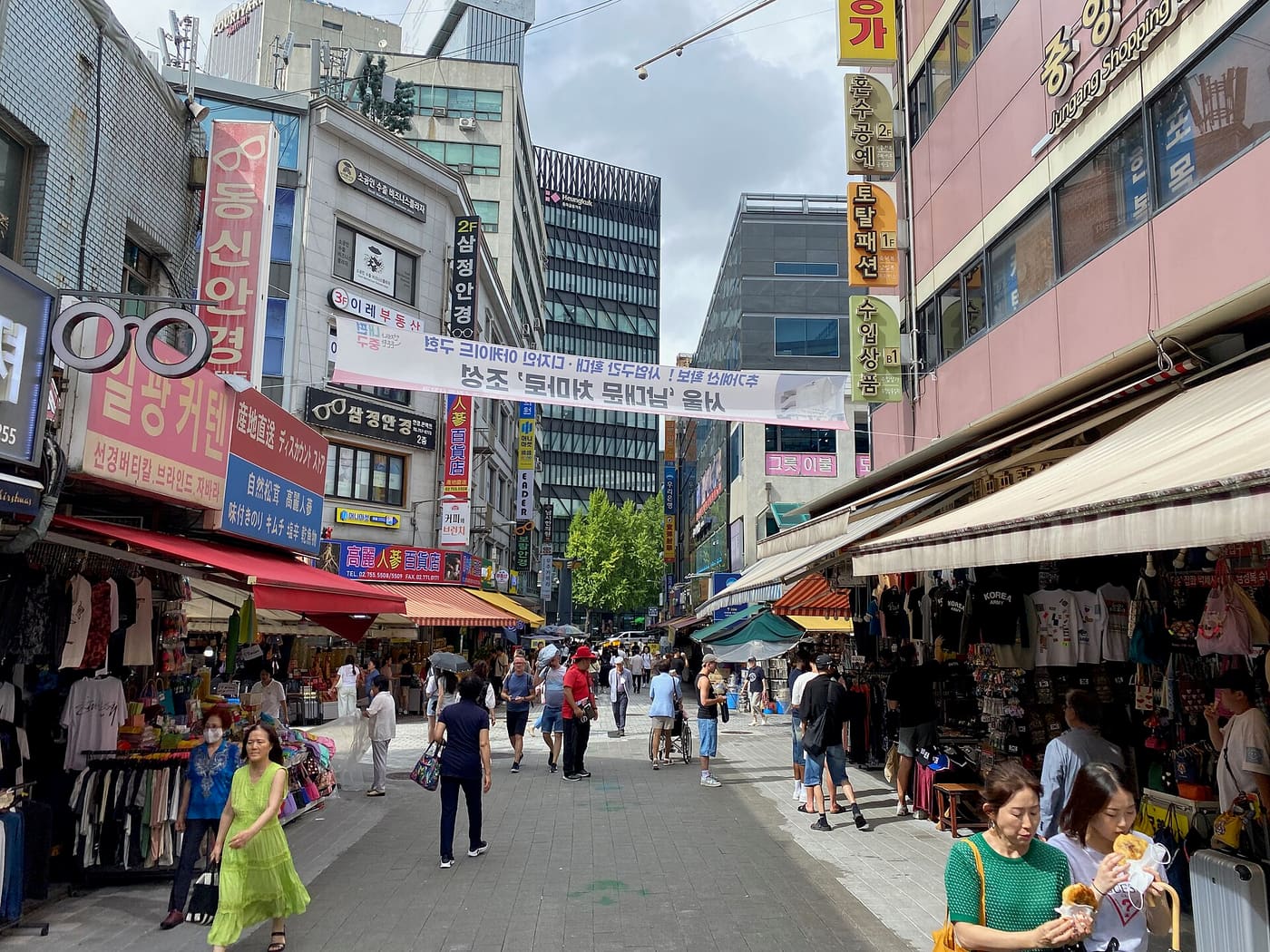
Where to Buy Luggage in Seoul: Namdaemun, Real Prices, and When Not to Bother
You shopped too well and now you need another suitcase. Namdaemun is the answer, but the underground arcade shuts on the 2nd and 4th Sunday, the bag shops close for Chuseok, and a cheap case is not always cheaper than shipping.