Hangang Space-Out Competition Guide: Seoul Rest Culture
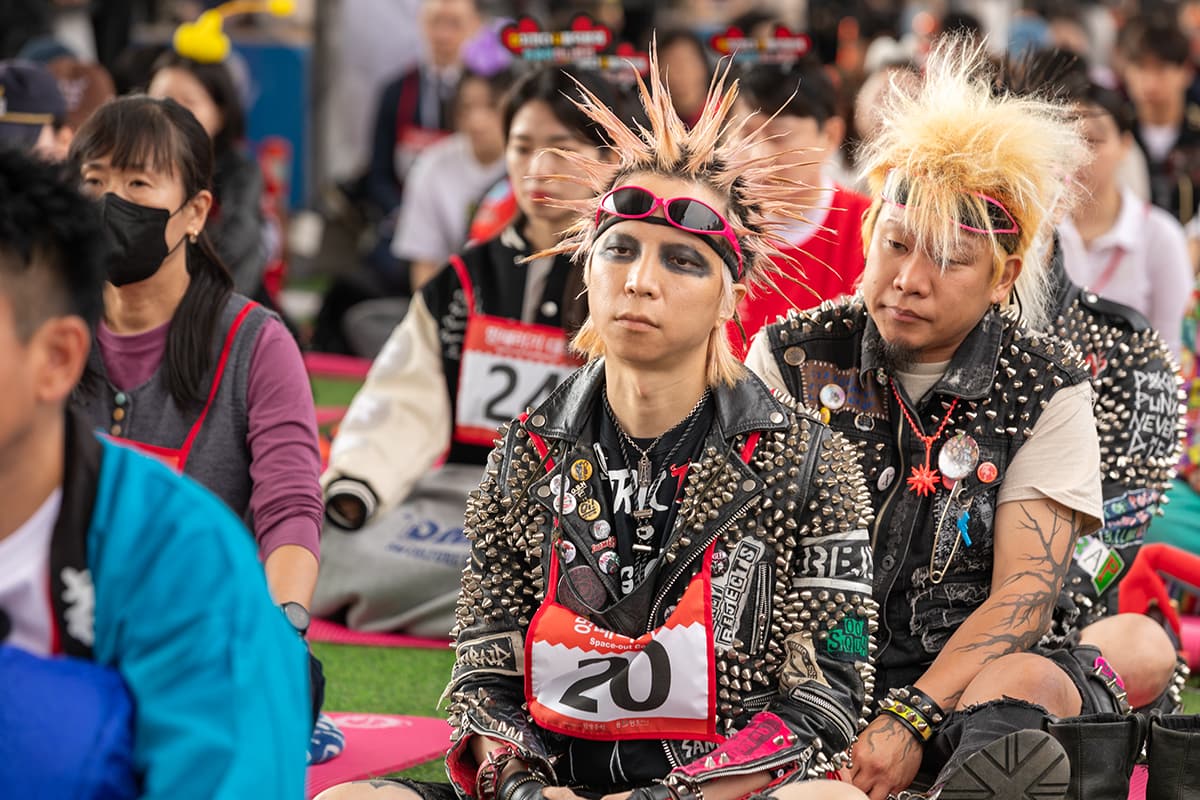
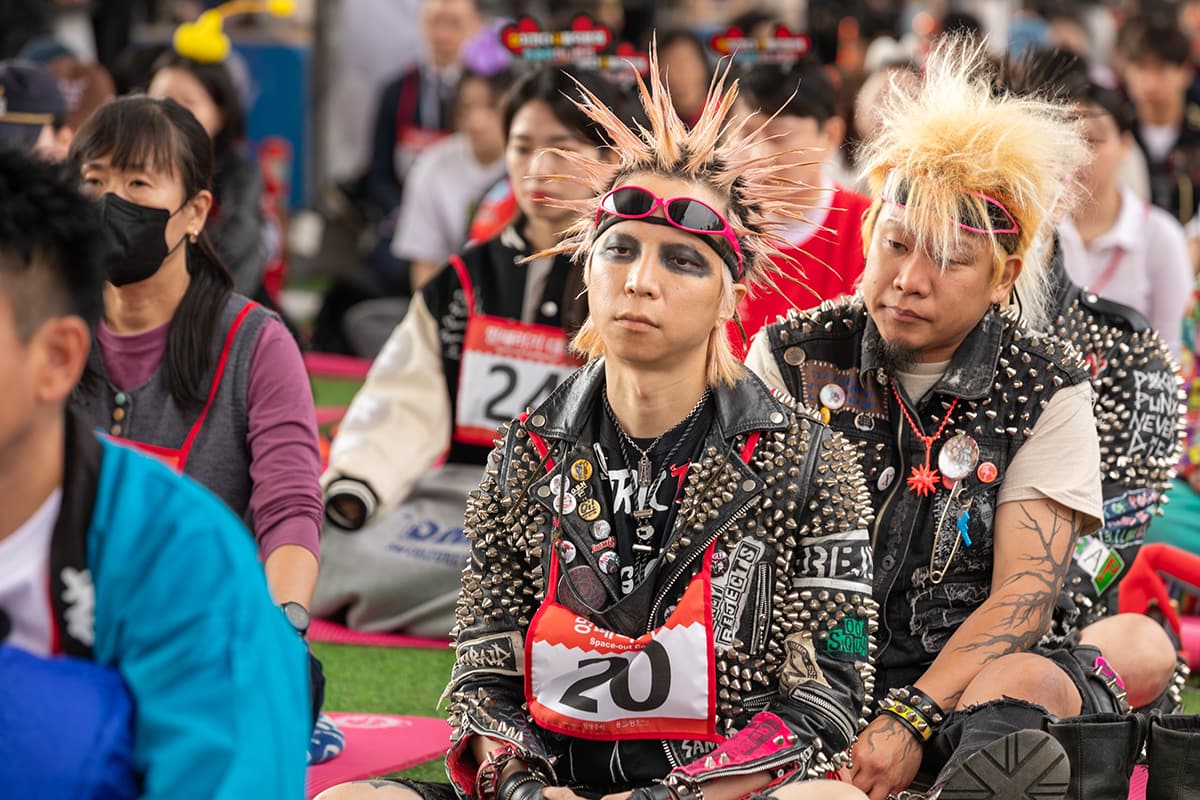
The Hangang Space-Out Competition, known in Korean as the Han River mung-ttaerigi contest or 한강 멍때리기 대회, sounds like a joke until you realize it explains Seoul better than another skyline photo.
In 2026, the official Space-out Competition site listed a Gwanghwamun edition for April 14, with 90 minutes set aside for the main contest. The competition's Korean framing is simple and brilliant: stop performing, stop scrolling, stop producing, and do nothing in public on purpose. You can see the official event information on the Space-out Competition website.
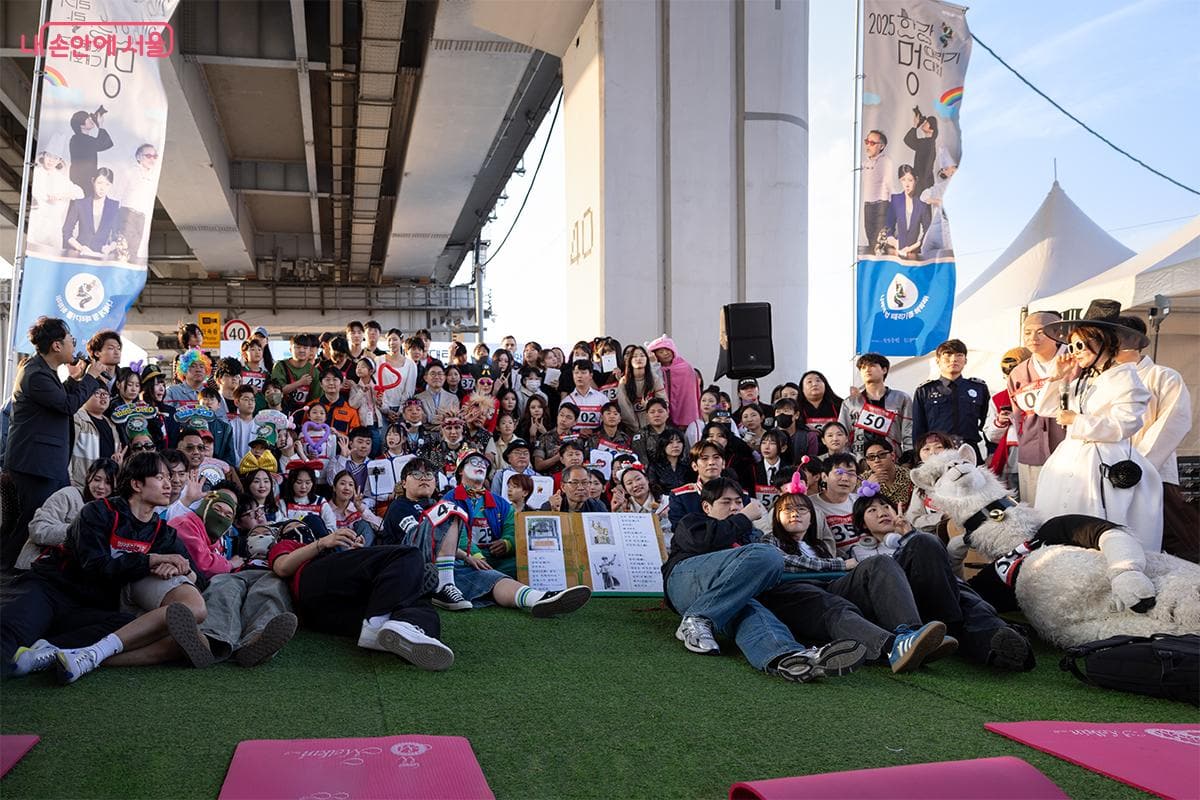
At first glance, it is cute. People sitting still. Costumes. Signs. Cameras. A city plaza or riverside space turned into a giant stage for doing absolutely nothing.
But the reason it travels online is deeper. Korea is famous for speed, work, study pressure, late-night social life, and packed urban routines. So when Seoul turns rest into a public competition, the image lands with a wink and a warning. Everyone laughs because everyone understands the problem.
Stillness has become content because stillness has become scarce.
For a practical visitor version of this mood, pair this with EpicKor's Seoul night guide, Hangang ramyeon guide, and Korea rainy season guide.
A waterproof folding picnic mat for your own Han River space-out spotAffiliate link. As an Amazon Associate, EpicKor earns from qualifying purchases at no extra cost to you.
Why A Space-Out Contest Makes Sense In Seoul
Seoul is a city of movement.
Subway transfers, academy schedules, office towers, delivery scooters, cafe queues, university deadlines, group chats, late dinners, and weekend errands all keep the city in motion. Even leisure can feel scheduled. People do not simply "hang out." They book a table, pick a cafe, queue for a pop-up, reserve a screen golf room, check the subway time, and take the last train home.
That is what makes a space-out competition funny. It borrows the language of performance and applies it to doing nothing. You are not just resting. You are competing at rest. In a country that can turn almost anything into a ranking, even stillness becomes measurable.
The joke works because it is affectionate and uncomfortable at the same time.
Korean culture has long carried a strong endurance script. Students study late. Office workers stay until the team is finished. Founders push through. Parents sacrifice. Friends meet after work even when they are tired because relationships need maintenance. The phrase "just rest" sounds simple, but in real life rest can feel socially expensive.
That is slowly changing. Younger Koreans are much more willing to talk about burnout, mental health, boundaries, sleep quality, and the difference between loyalty and exhaustion. Seoul's space-out event fits that change. It says rest is not laziness. Rest is a public health message, a lifestyle topic, and maybe even a civic activity.
If you want the office side of this story, EpicKor's guide to Korean work culture pairs naturally with the space-out competition. Work culture explains why rest needs defending.
The Han River Is Seoul's Recovery Zone
The event location matters.
The Han River is not only a scenic strip through Seoul. It is the city's emotional pressure valve. People go there to walk, cycle, eat convenience-store ramen, watch buskers, sit with friends, drink beer, take couple photos, and do almost nothing for once. In a dense city where private space can be small and expensive, the river gives people a wide horizontal place to breathe.
That is why a mung-ttaerigi event beside the Han does not feel random. The river already functions like Seoul's shared living room.
For travelers, this is one of the easiest ways to understand local Seoul. Do not treat the Han River only as a night view stop. Treat it as a social behavior. Koreans bring mats, snacks, portable tables, fried chicken, drinks, card games, and tiny lamps. They create temporary rooms on the grass. Then they pack everything up and leave the public space for the next group.
This is one of Seoul's quiet strengths: public space can feel casual and organized at the same time.
If you visit in spring or autumn, a Han River picnic can be one of the most local-feeling things you do. If you visit in summer, go near sunset and respect the heat. If you visit in winter, the river is still beautiful, but the long sitting culture changes.
Han River picnic note: As an Amazon Associate, EpicKor may earn from qualifying purchases. If you want a light Seoul park kit, compare Korea travel essentials like compact picnic mats, pouches, hand wipes, and refill bottles before packing.
Korea's Rest Problem Is Not Only About Sleep
The space-out competition points to stillness, but the bigger issue is recovery.
Recovery means having time when your body is not performing, your phone is not demanding, and your relationships are not being managed like tasks. That can be hard in Korea because the culture is socially dense. People often belong to teams, classes, friend groups, family obligations, alumni networks, workplace chats, and hobby circles. Those networks can be warm and supportive, but they can also make quiet time feel like withdrawal.
Korean urban life also has a high stimulation level. Cafes are beautiful. Streets are bright. Food delivery is instant. Shopping is late. Apps are efficient. Entertainment is everywhere. The city rarely says, "Stop now."
So people build rest into formats.
A jjimjilbang gives rest a place. A cafe gives rest a purchase. A Han River picnic gives rest a scene. A temple stay gives rest a program. A sleep contest gives rest a headline.
That does not make the rest fake. It makes it culturally legible. In Korea, people often feel more comfortable doing an activity than simply disappearing. The event turns rest into an activity, which may be exactly why it works.
What Travelers Can Learn From The Space-Out Competition
The practical lesson is simple: do less in Seoul, but do it better.
Many travelers arrive with a checklist that looks like a variety show schedule: palace, hanbok, Bukchon, cafe, skincare clinic, Myeongdong, Namsan, BBQ, Hongdae, convenience store, night market. That can be fun for one day. It becomes a blur by day three.
Build recovery into the trip on purpose.
Use the Han River as a low-pressure evening. Spend one afternoon in a bookstore or museum. Take a cafe break without turning it into a photo shoot. Try a jjimjilbang if you are comfortable with the bathhouse rules. Leave one morning unscheduled. Eat a slow meal. Take the subway one stop fewer and walk only when the weather helps.
This is not anti-travel. It is better travel. Seoul rewards attention. You notice more when you are not sprinting through it.
| Rest Style | Where It Fits | Why It Feels Korean |
|---|---|---|
| Han River picnic | Evening or sunset | Public space becomes a shared living room |
| Jjimjilbang | Rainy day or recovery day | Bath, heat, snacks, and resting rooms blend together |
| Long cafe break | Between neighborhoods | Cafes act as social space, design stop, and pause button |
| Temple stay | Dedicated slow day | Rest becomes structured, quiet, and intentional |
The Wellness Side Of Modern Seoul
Korea's global image often centers on beauty, speed, entertainment, food, and technology. Wellness is becoming part of the same story, but in a very Korean way.
It is not only yoga retreats and green juice. It is skin clinics, scalp spas, sleep products, jjimjilbangs, walking trails, river parks, low-alcohol drinks, functional snacks, mental-health conversations, and younger workers asking whether constant availability is really normal.
The Hangang Space-Out Competition belongs to that shift. It makes rest visible. It gives cameras something to capture. It lets the city say, lightly but clearly, that stillness matters.
For visitors, that creates a more interesting version of Seoul. The city is not just asking you to consume more. It is also showing you how locals recover from consuming, working, studying, and scrolling too much.
That is why the space-out competition is more than a quirky photo gallery. It gives travelers permission to build a softer Seoul trip. You can still chase food, fashion, beauty, and nightlife. But you can also notice how Koreans use small pauses to keep city life bearable: sitting by the river after work, sharing fruit at a park mat, sleeping on a long subway ride, lingering in a cafe without rushing the next stop, or spending a rainy afternoon in a jjimjilbang.
This slower lens is especially useful for repeat visitors. The first Seoul trip is often about landmarks. The second trip can be about rhythms. Where do people go after work? How do couples spend a cheap evening? Why do convenience stores matter at the river? Why does a cafe feel like a rented living room? The Hangang Space-Out Competition points toward those better questions.
If your itinerary already feels crowded, do not add a "wellness activity" as one more task. Replace something. Trade a second shopping district for a river evening. Trade a rushed lunch for a slower meal. Trade one more photo stop for thirty quiet minutes where nobody has to perform the trip.
Slow Seoul kit: For a low-pressure recovery day, browse Korean snacks or Korean culture books. A quiet hotel night can still feel connected to the trip.
FAQ
Q: What is the Hangang Space-Out Competition?
It is a Seoul public event known in Korean as 멍때리기 대회, where participants compete by doing nothing and staying calm. The concept has become one of Korea's best-known rest-culture images. It is funny, but the social message is serious.
Q: Is the space-out competition mainly a tourist event?
No. It is more of a local civic and cultural event, but international media attention makes it interesting for travelers who want to understand Seoul beyond shopping and sightseeing.
Q: Can travelers space out at the Han River?
You can rest, picnic, and sit at Han River parks like locals do, but be respectful of park rules, weather, noise, trash, and personal belongings. Do not treat public space like a private hotel room.
Q: Why is sleep such a big topic in Korea?
Korea's intense study, work, and social schedules make rest culturally important. Younger people are also more openly discussing burnout, boundaries, and quality of life.
Q: What is the best way to add rest to a Seoul trip?
Plan one low-pressure block every day. A Han River evening, long cafe break, museum afternoon, or jjimjilbang visit can make the rest of the trip feel sharper.
You Might Also Like
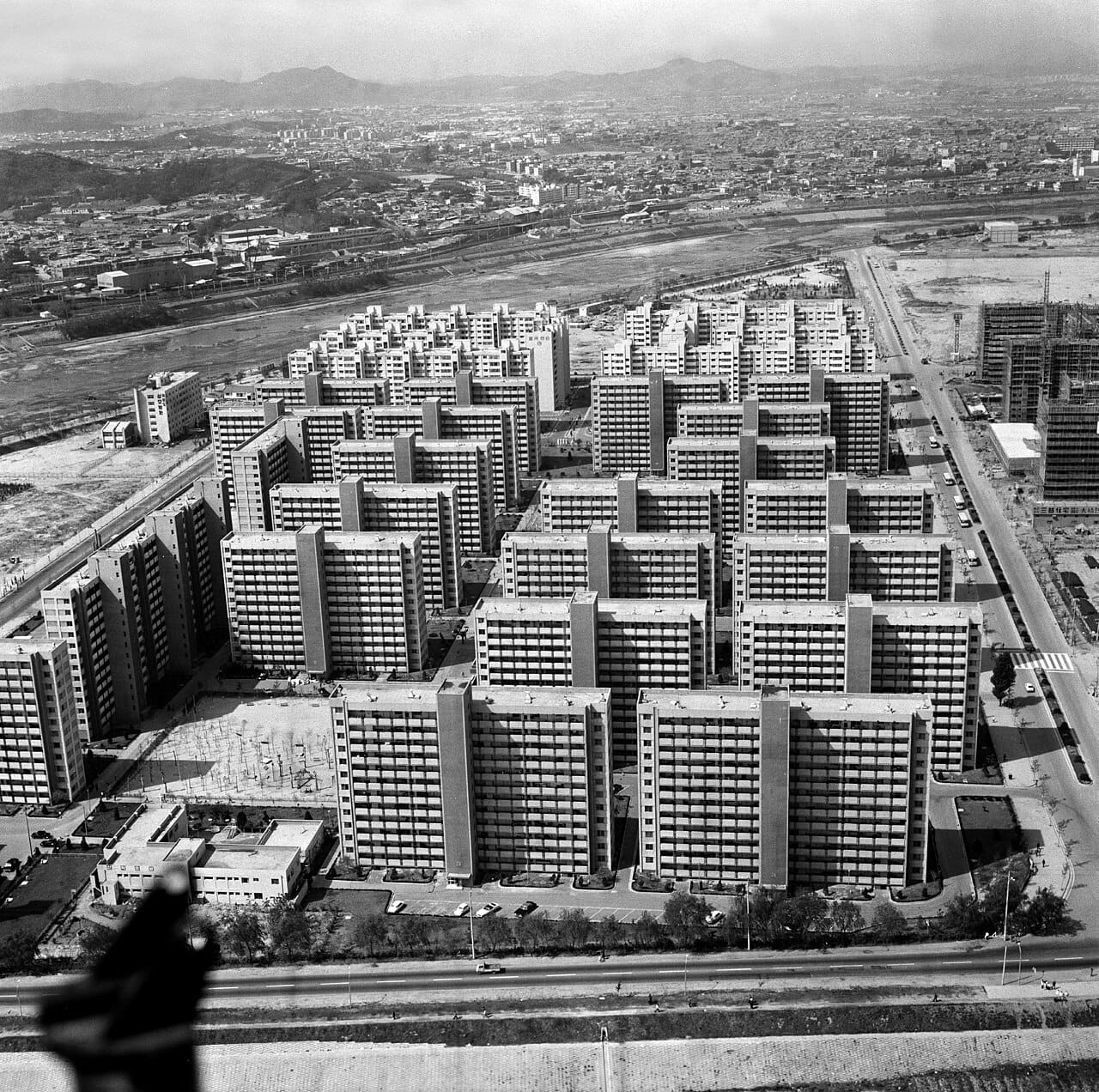
Why Koreans Live in Apartments: Korea's One-Generation Shift
In 1978 only 5.2% of Korean homes were apartments. By 2015 it was 59.9%. That change was not caused by crowding — it was built by a financing system where buyers pay for a building before it exists. Here is how Korea became an apartment country.
Why Korea Is Watching the 2026 World Cup Over Brunch
A guide to Korea's 2026 World Cup brunch watch culture: why morning kickoffs changed street cheering, what to expect, and how visitors can join.
Korean Pop-Up Store Culture: Why Seoul Lines Up for Limited Drops
A guide to Korean pop-up store culture in Seoul: why people line up, where pop-ups happen, how limited drops work, and what tourists should know before going.