K-Pop Merch in Korea: Lightsticks, Photocards, and Pop-Up Stores
K-pop merchandise in Korea is not one single category. It includes albums with random photocards, concert lightsticks, artist-designed clothing, character dolls, fan-made slogans, temporary pop-up exclusives, and collaboration products that may disappear after a few weeks. Korean fans often call all of this goods or MD, short for merchandise.
For a visitor, the important distinction is not simply cheap versus expensive. It is official versus unofficial, current versus discontinued, and useful versus collectible. A lightstick for an upcoming concert has a different buying logic from a rare photocard. A pop-up item may be official but difficult to replace. A fan-made key ring may be charming even though it has no official provenance.
This guide explains how the system works, where to shop, how to avoid obvious mistakes, and how to build a realistic Seoul merch route without turning the day into an exhausting hunt.
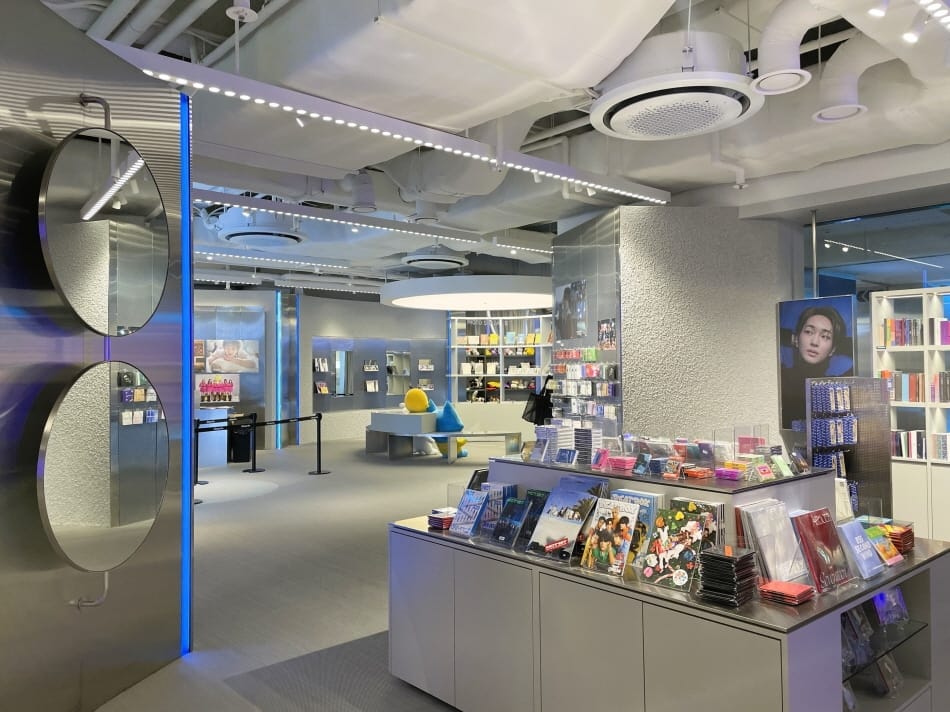
Official K-pop stores in Seoul combine albums, collectibles, photo experiences, and limited events rather than functioning like ordinary record shops.
K-Pop Merchandise in Korea: The Quick Answer
If you want the simplest strategy, buy current albums and official lightsticks from an artist's official shop or a large established retailer. Treat rare photocards and resale listings as collectibles that require price comparison. Check pop-up dates immediately before visiting because locations, reservations, and stock change quickly.
| Merch type | Best buying channel | Main risk | Best for |
|---|---|---|---|
| Current album | Major record or official K-pop shop | Random inclusions differ by edition | First-time buyers |
| Official lightstick | Label shop, concert booth, authorized retailer | Old versions and counterfeits | Concertgoers |
| Photocard | Album pull, official event, reputable resale shop | Condition, authenticity, inflated prices | Focused collectors |
| Pop-up exclusive | Official event venue | Reservation and sellout risk | Trip-specific souvenirs |
| Fan-made goods | Fandom events and creator markets | Not official merchandise | Low-cost personal finds |
Photocard binder, 168 pockets — on AmazonAffiliate link. As an Amazon Associate, EpicKor earns from qualifying purchases at no extra cost to you.
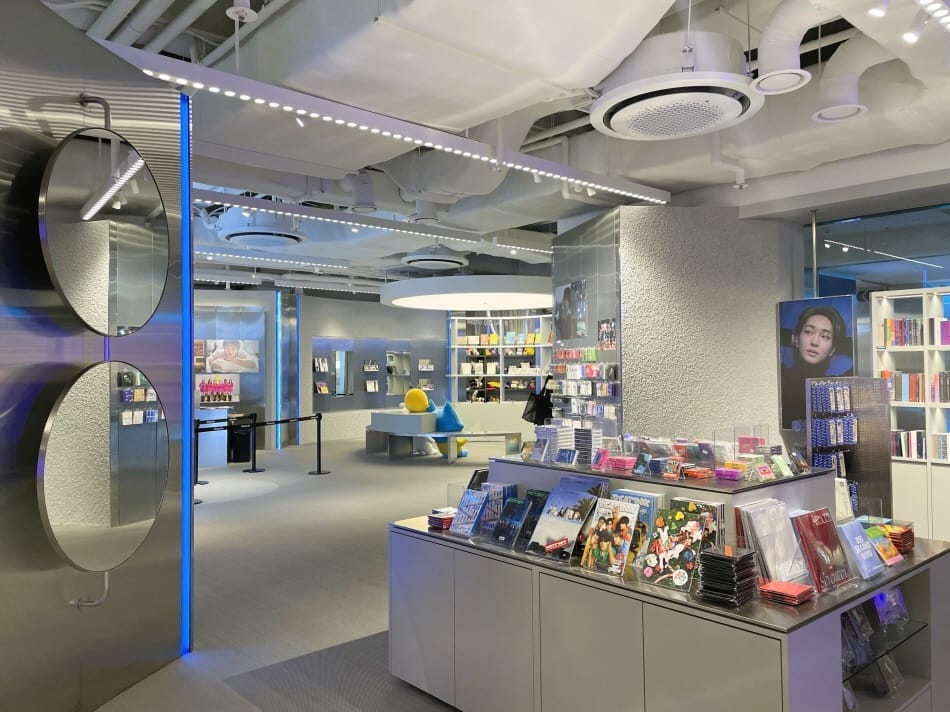
The Korea Tourism Organization's guide to Ktown4u COEX describes albums, official lightsticks, photocards, posters, fan events, and a pop-up floor in one building. That mix is a useful model for understanding modern Korean fan retail.
What Koreans Mean by Goods, MD, and Official Merch
The borrowed English word goods is used broadly in Korean fandom. You may also see MD on event notices, receipts, and venue signs. An official product is licensed or sold by the artist's label, platform, concert organizer, or named collaboration partner. Official does not automatically mean rare, and rare does not automatically mean valuable.
Unofficial goods occupy a separate ecosystem. Fans and small creators make slogan towels, stickers, dolls, sleeves, key rings, and decorative card holders. These can be creative and affordable, but a seller should not represent them as label-issued merchandise. Buy them because you like the design, not because you expect official resale value.
The safest habit is to ask four questions before paying:
- Who released or licensed this item?
- Is the edition or lightstick version clearly identified?
- Are all album inclusions present?
- Am I buying it to use, keep, or resell?
That last question prevents many expensive impulse purchases. A beautiful box set can be a poor travel buy if it is heavy, fragile, and difficult to pack.
Lightsticks Are Concert Equipment, Not Just Souvenirs
An official lightstick, often called an eungwonbong, is both a fandom symbol and a concert device. Designs are group-specific, and newer models may connect to an app or venue control system. Compatibility varies by artist, model, show, and organizer, so an old version found at a resale shop may not provide the experience you expect at a current concert.
Before buying, compare the exact product name and version with the artist's official announcement. Check whether batteries are included; they often are not. Open the box only when store policy allows, and inspect the battery compartment if buying used. Remove batteries before a long period of storage or air travel because leakage can damage the unit.
Counterfeits become especially tempting before sold-out concerts. Suspicious signs include a price far below normal retail, weak printing, missing holograms or manuals, poor molding, and a seller who cannot explain the version. Packaging changes across releases, so do not rely on one viral authenticity checklist. Compare with current official product photos.
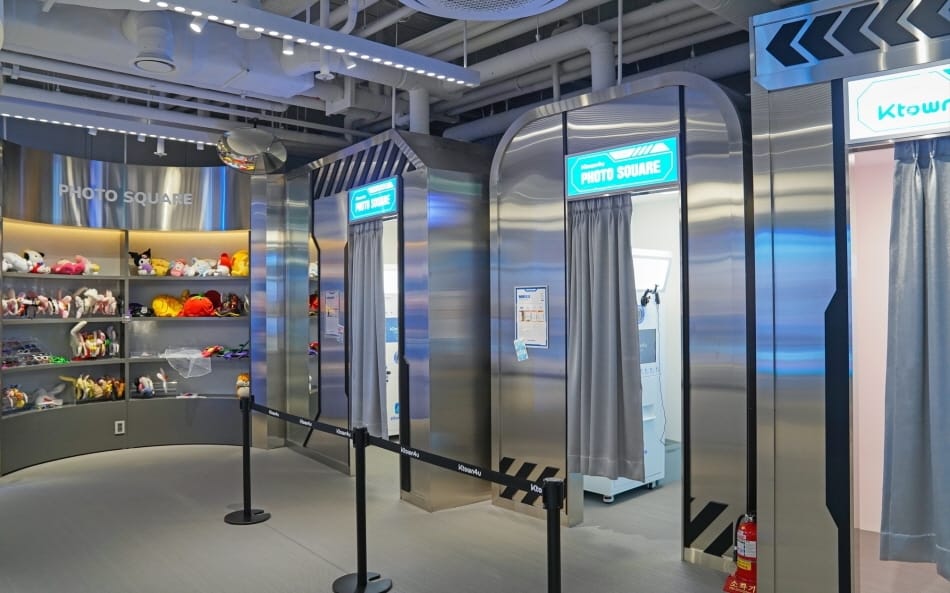
Photo booths, character items, and display zones turn merch shopping into a participatory fan experience.
Photocards: Why a Small Card Can Cost More Than an Album
Photocards are usually randomized album inclusions or event benefits. The collecting pressure comes from uncertainty: buying one album does not guarantee the member or card a fan wants. Store benefits, fan-sign benefits, tour cards, broadcast cards, and limited collaboration cards create different levels of scarcity.
Start with EpicKor's K-pop photocard guide if you need the vocabulary for sleeves, binders, trading, and condition. For in-person buying, inspect corners, surface scratches, print alignment, dents, and discoloration. Ask whether a card is an album inclusion, preorder benefit, lucky draw, or unofficial reproduction. Those categories should not be priced as if they were identical.
Do not assume that a high asking price equals a completed sale. Collectible markets are emotional and uneven. Compare several recent listings, account for platform fees and shipping, and decide your maximum before entering a shop. If the card is only a travel memory, a current album pull or an inexpensive official card may be more satisfying than a stressful rare-card purchase.
Build a practical fan kit: As an Amazon Associate, EpicKor may earn from qualifying purchases. Before buying random accessories in Seoul, buy the storage abroad — a 168-pocket photocard binder costs the same anywhere and takes no suitcase space on the way out — then save your Korea budget for official items you can verify in person.
See 168-pocket photocard binder on AmazonWhere to Shop in Seoul
There is no single best neighborhood for every fandom. COEX is convenient for a structured K-pop stop and can be paired with other Gangnam attractions. Myeongdong is useful when you want merch, cosmetics, souvenirs, and food in one central route. Hongdae has youth-oriented retail, events, and fan-made culture. Seongsu is stronger for temporary brand collaborations and pop-ups than for guaranteed permanent inventory.
The Korea Tourism Organization notes that Ktown4u COEX carries albums, lightsticks, photocards, and posters and hosts events. Its recent feature on fan culture and merch locations also shows how photocard trading, dolls, key rings, and pop-ups have expanded beyond traditional album retail.
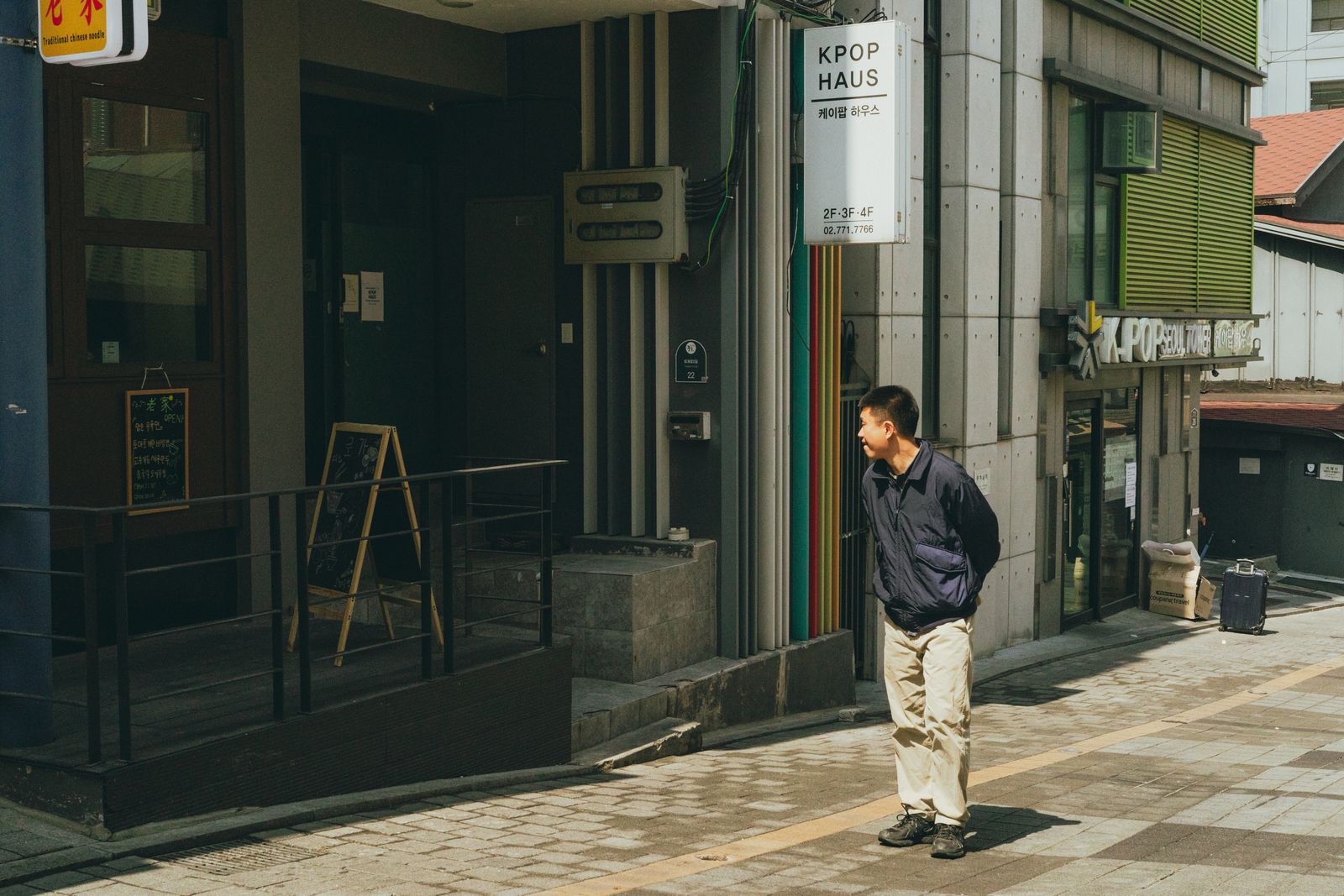
Smaller fandom spaces can be easy to miss, so verify the address and current opening information before crossing the city.
Use this route logic rather than collecting random store names:
| Traveler goal | Best area | Pair it with | Time budget |
|---|---|---|---|
| Albums and official basics | COEX or Myeongdong | Starfield Library or central shopping | 1-2 hours |
| Pop-up hunting | Seongsu | Cafes and design shops | Half day |
| Fan-made and youth culture | Hongdae | Photo booths and live streets | 2-4 hours |
| Mixed souvenir shopping | Myeongdong | Daiso and beauty stores | Half day |
For adjacent shopping, compare the Seoul stationery guide, museum gift-shop guide, and Daiso Korea guide. They help separate fandom purchases from Korean design and everyday souvenirs.
Pop-Up Stores: Check Dates, Reservations, and Purchase Limits
Pop-ups are temporary by design. A venue may require a reservation, issue timed-entry tickets, limit purchases per person, or distribute numbered waiting tickets on site. Stock shown on social media may be gone by the time you arrive. Some events focus more on photo zones and brand experience than on products.
VISITKOREA's June 2026 pop-up roundup explicitly warns visitors to check updates because schedules can change. Treat any monthly roundup as a discovery tool, then confirm the official event account on the morning of your visit.
Never build a nonrefundable cross-city itinerary around one unverified post. Save the address in Korean, take a screenshot of the reservation confirmation, and note the nearest subway exit. If entry fails, have a nearby cafe, gallery, or permanent store as a backup.
Budgeting: Albums Are Only the Beginning
The visible price is not the full cost. Multiple album versions, randomized inclusions, protective supplies, baggage weight, and overseas shipping can turn a small hunt into a major expense. Set three numbers: a total trip budget, a single-item ceiling, and a reserve for an unexpected official release.
For bulky purchases, compare airline baggage fees with shipping before buying. Flatten shopping bags only if you do not care about collector condition. Keep rigid boxes away from suitcase corners and liquids. Put photocards in sleeves and a hard holder rather than loose inside an album.
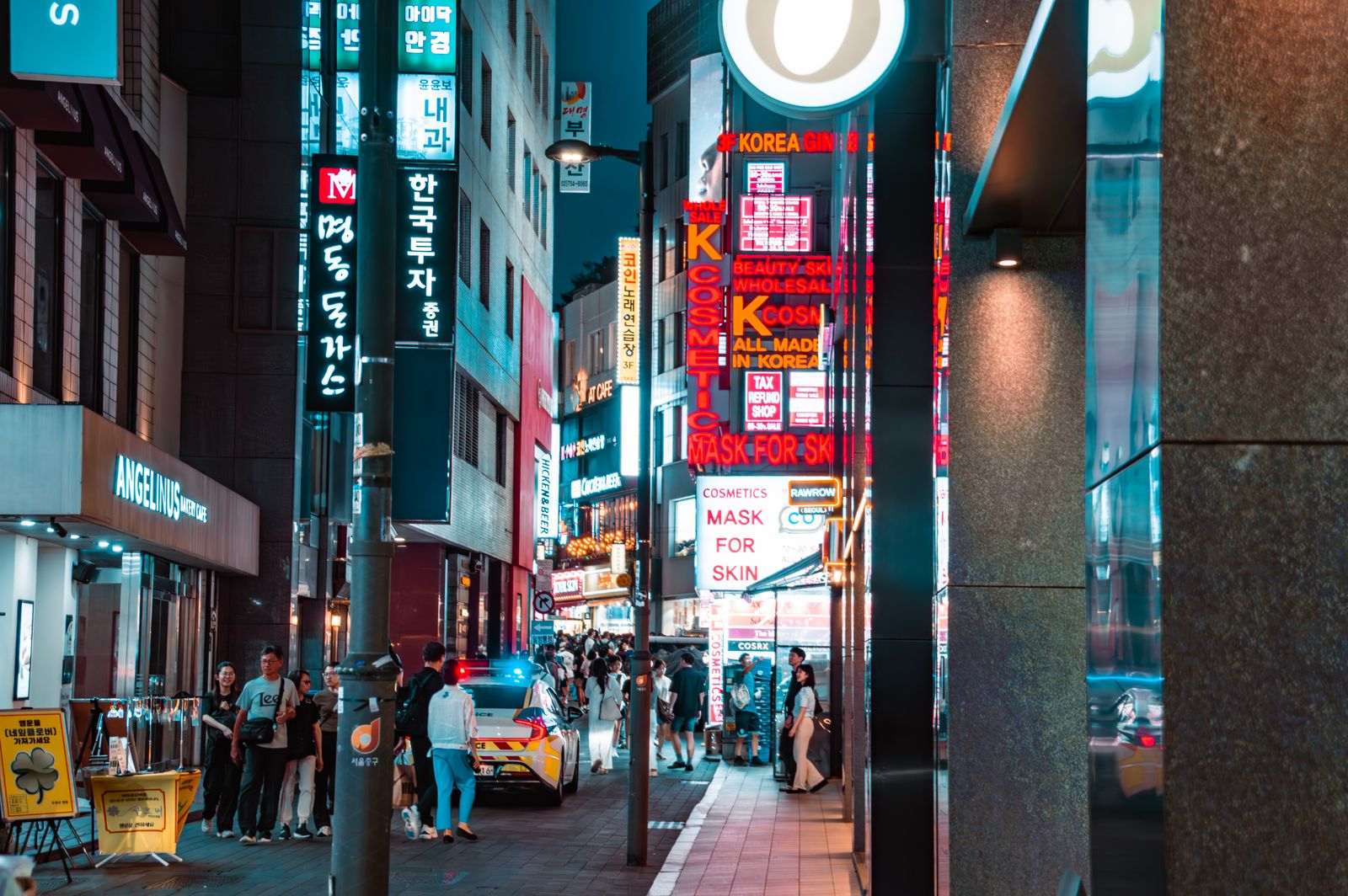
Myeongdong works well for a mixed shopping day, but bright signs and dense inventory can make impulse spending easy.
Protect the small items first: If you expect to carry photocards, tickets, transit cards, and receipts, a BAGSMART travel wallet carries all four flat and in one place. It is less exciting than another blind box, but it prevents the easiest losses.
See BAGSMART travel wallet on AmazonAuthenticity and Resale Safety
Keep the receipt for expensive items. Photograph the sealed box and product label before packing. For used goods, ask exactly what is missing and whether the seller permits inspection. Avoid sending a bank transfer to an unknown private seller simply because a meeting window feels urgent.
Official retailer names can also be copied by impersonation accounts. Reach a store through the artist, label, venue, or platform's verified page rather than through a sponsored social-media comment. For Weverse artists, use the official Weverse Shop entry point and check shipping region, product notices, and return terms before ordering.
If resale value matters, preserve packaging and inclusions. If it does not, give yourself permission to open and enjoy the product. Fan culture should not turn every object into an investment thesis.
A Sensible One-Day Merch Plan
Choose one anchor store, one temporary event, and one flexible neighborhood rather than trying to visit every famous shop. For example, begin at COEX for current albums and official goods, move to Seongsu only if a verified pop-up is active, then finish in Myeongdong or Hongdae for broader shopping. Leave space in the schedule for waiting lines and inventory decisions.
The best Korea merch day is not the one with the largest haul. It is the one where you understand what you bought, stayed within budget, and still had enough energy to enjoy Seoul.
Frequently Asked Questions
Q: What does goods mean in Korean fan culture?
It is a broad loanword for merchandise, including albums, lightsticks, photocards, dolls, clothing, stationery, and collaboration products. Event notices may also use MD.
Q: Where should a first-time visitor buy an official lightstick?
Start with the artist's official shop, concert sales notice, or an established authorized K-pop retailer. Confirm the current version and concert compatibility before paying.
Q: Are all photocards inside albums official?
Cards packaged by the label as album inclusions are official, but stores and private sellers also carry replicas and fan-made cards. Ask which release or benefit produced the card.
Q: Do Seoul pop-up stores require reservations?
Some do, while others use walk-in queues or numbered tickets. Rules change by event, so check the official event account and venue notice immediately before visiting.
Q: Can I return K-pop merchandise in Korea?
Return policies vary, and opened albums, random products, event goods, and collectibles may have restrictions. Inspect the policy and product condition before leaving the store.
Q: Is Myeongdong or Hongdae better for K-pop shopping?
Myeongdong is efficient for mixed tourist shopping; Hongdae offers stronger youth and fan-event atmosphere. COEX is often easier for a focused official-retail stop.
Official Sources
You Might Also Like

Korean McDonald's: Why the Burgers Are Named After Farm Counties, and What to Order Now
McDonald's Korea has bought 459.2 tonnes of named Korean produce since 2021 and prints the county on the burger — Changnyeong garlic, Jindo spring onion, Jinju pepper. 24 million sold, ₩61.7 billion of measured regional value. Here is what is on the menu now.
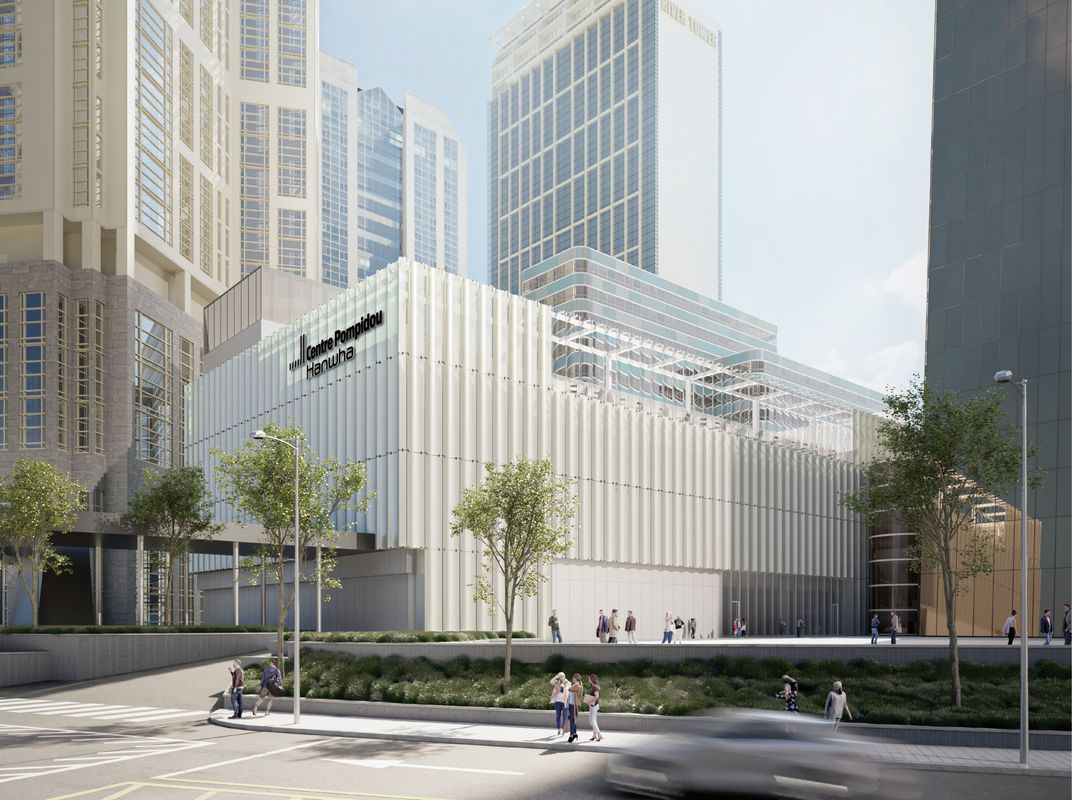
Centre Pompidou Hanwha Seoul: Yeouido Art Stop Guide
A timely guide to Centre Pompidou Hanwha Seoul in Yeouido: opening facts, why it matters, how to plan a visit, and what to pair nearby.
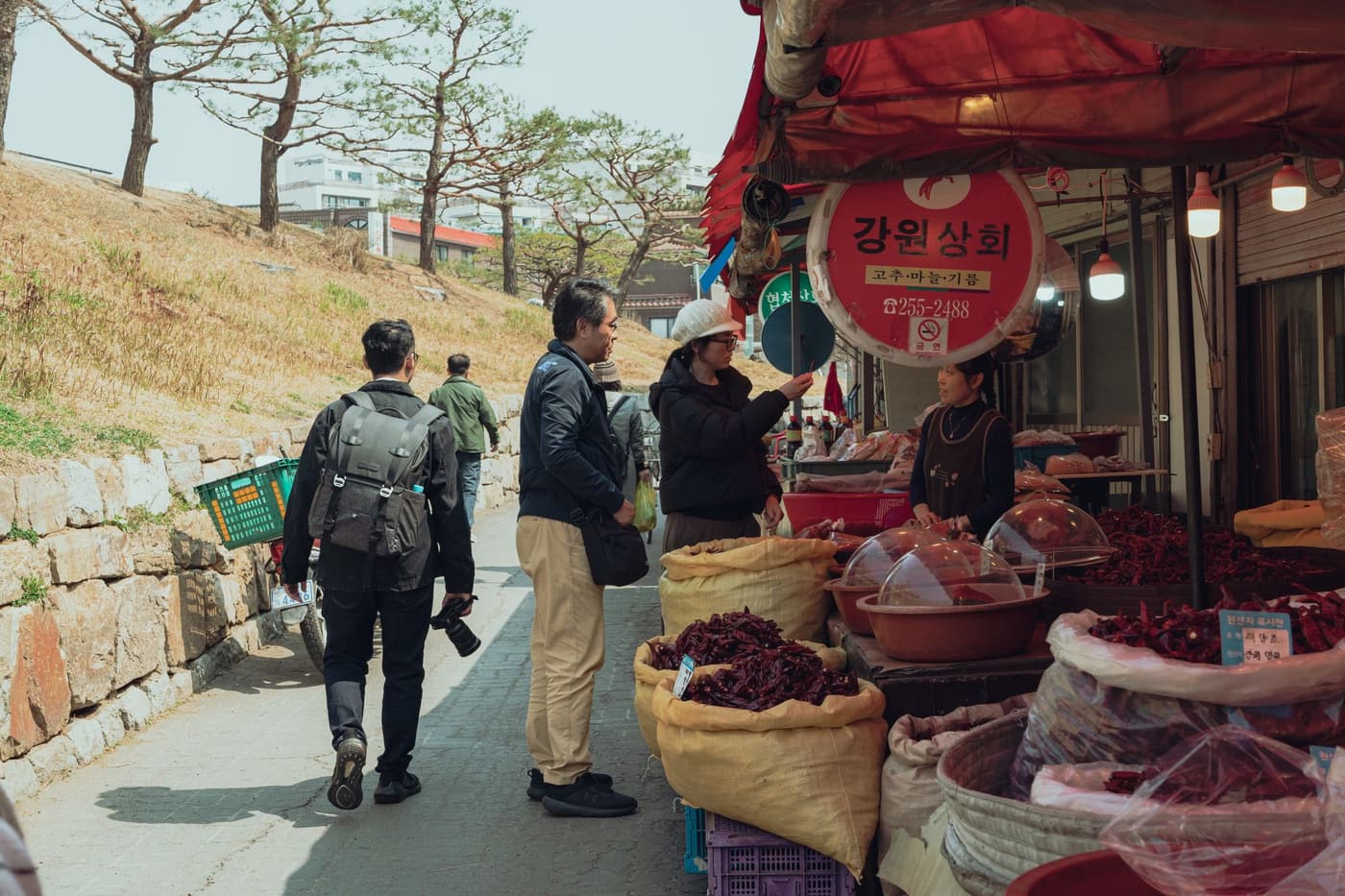
Namdaemun vs Dongdaemun: Which Seoul Market to Visit
Namdaemun closes around 17:00 and many stalls shut on Sundays. Dongdaemun's wholesale floors open at midnight. Which Seoul market fits your trip, with real hours, August 2026 prices, and the station exits that put you in the right alley.