Why South Korea Dominates Olympic Archery in 2026
South Korea dominates Olympic archery because it combines a deep competitive pipeline with selection based on current performance, technically consistent coaching, extensive repetition, and deliberate practice under pressure. The famous medal streak is not evidence that Koreans are naturally better archers. It is the product of institutions that repeatedly find, test, and prepare excellent athletes.
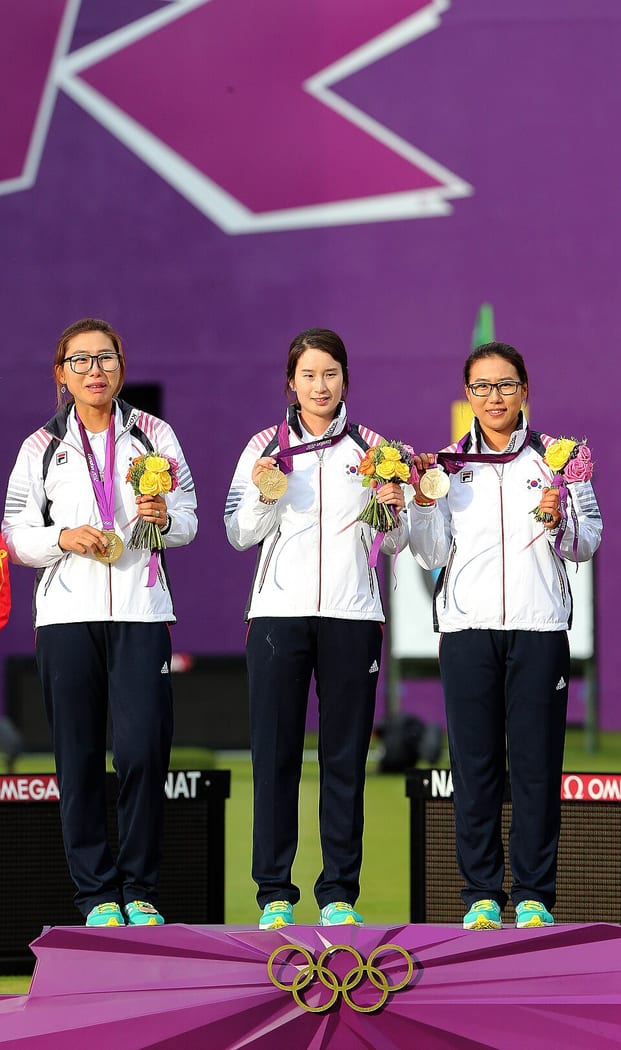
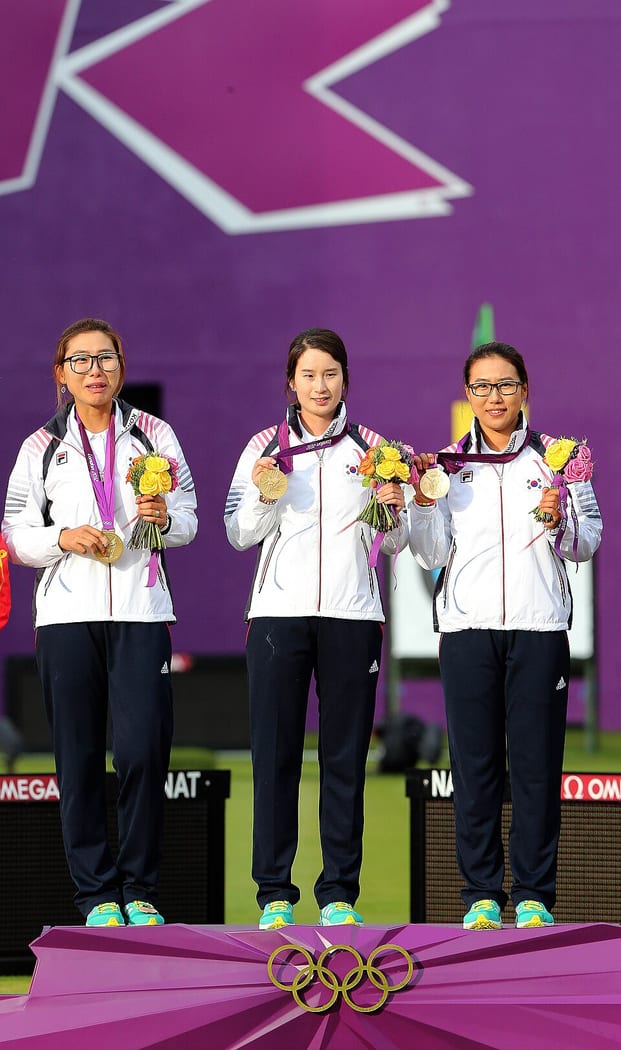
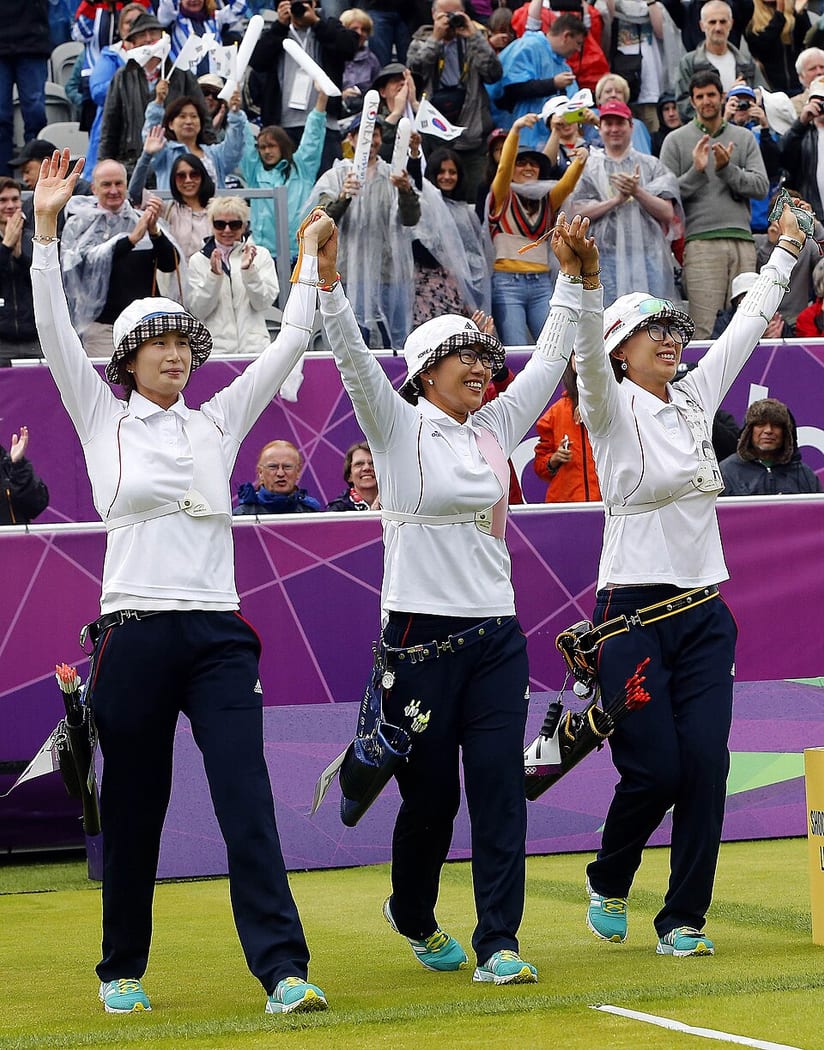
At Paris 2024, Lim Sihyeon, Jeon Hunyoung, and Nam Suhyeon won South Korea's tenth consecutive Olympic women's team title. Korea had won every edition since the women's team event entered the Games at Seoul 1988. That extraordinary result is real, but the final was close: China forced a shoot-off. The dynasty is best understood as a system that keeps producing contenders, not a machine that guarantees victory.
The Short Answer: A System, Not a Secret
Korea's advantage begins long before an Olympic final. School teams, company teams, municipal teams, universities, and elite training programs create many places for serious archers to develop. A large domestic field means a national-team place can be harder to retain than outsiders expect. A famous champion is not automatically protected from a challenger shooting better in that year's trials.
World Archery described the 2024 process as months of competitions, resident training, and final trials. The eventual women's trio included two major-event newcomers, while Tokyo triple champion An San had already been eliminated. That is the clearest illustration of the Korean model: reputation can open attention, but recent scores decide the team.
The system then adds common technical language, experienced coaching, sports science, equipment support, and simulated pressure. None of those elements belongs exclusively to Korea. The advantage comes from applying them across generations with unusual continuity.
| System layer | What it contributes | Why it matters | Common misconception |
|---|---|---|---|
| Development teams | Years of coached practice and domestic competition | Creates a deep pool rather than one exceptional generation | Talent appears only at elite camps |
| Annual selection | Repeated ranking rounds and head-to-head pressure | Rewards current form and exposes weak routines | Past medalists keep automatic places |
| Technical consistency | Repeatable shot process and detailed feedback | Reduces avoidable variation | Everyone is forced into one identical style |
| Pressure practice | Noise, weather, time limits, and shoot-off scenarios | Makes competition stress less unfamiliar | Training can remove nerves completely |
Beginner recurve archery books — compare on AmazonAffiliate link. As an Amazon Associate, EpicKor earns from qualifying purchases at no extra cost to you.
The Medal Record in Proper Context
The headline record belongs to women's team recurve. Since that event began at Seoul 1988, South Korea has won ten consecutive Olympic titles through Paris 2024. Korean archers have also succeeded across men's, women's, individual, and mixed-team events, but not every medal is Korean and not every tournament ends in victory.
Paris itself corrects the myth of effortless domination. Korea's women needed shoot-offs against the Netherlands in the semifinal and China in the final. Wind disrupted groups, scores fluctuated, and the final was decided only after the judges measured the arrows. A system can improve the odds while still leaving room for weather, nerves, opponents, and millimeters.
That distinction matters for fans. Saying the gold was “inevitable” erases the work of the Korean team and the quality of its rivals. It also makes a future loss sound like institutional collapse when it may simply be elite sport doing what elite sport does.
Why Selection May Be the Strongest Advantage
Selection is often summarized as “the Korean trials are harder than the Olympics.” That is a memorable line, not a measurable universal fact. The more defensible point is that Korea's trials are deep, multi-stage, and unforgiving. Athletes shoot many arrows across different sessions, so a single brilliant day is less likely to decide the roster.
For 2024, Korea first named a broader national squad and later reduced it to the six Olympic recurve athletes. World Archery reported that An San and Kang Chae-young missed the final Olympic team despite major titles. Lim Sihyeon led a comparatively inexperienced women's lineup because she, Jeon, and Nam earned the places in that cycle.
This does two things. It gives emerging athletes a credible path past established names, and it keeps champions accountable to the same domestic field. The cost is severe pressure and the possibility that an internationally proven archer misses a major event. Meritocratic selection is not automatically humane; it still needs transparent rules, athlete support, and sensible workload management.
Technique Is Built Around Repeatability
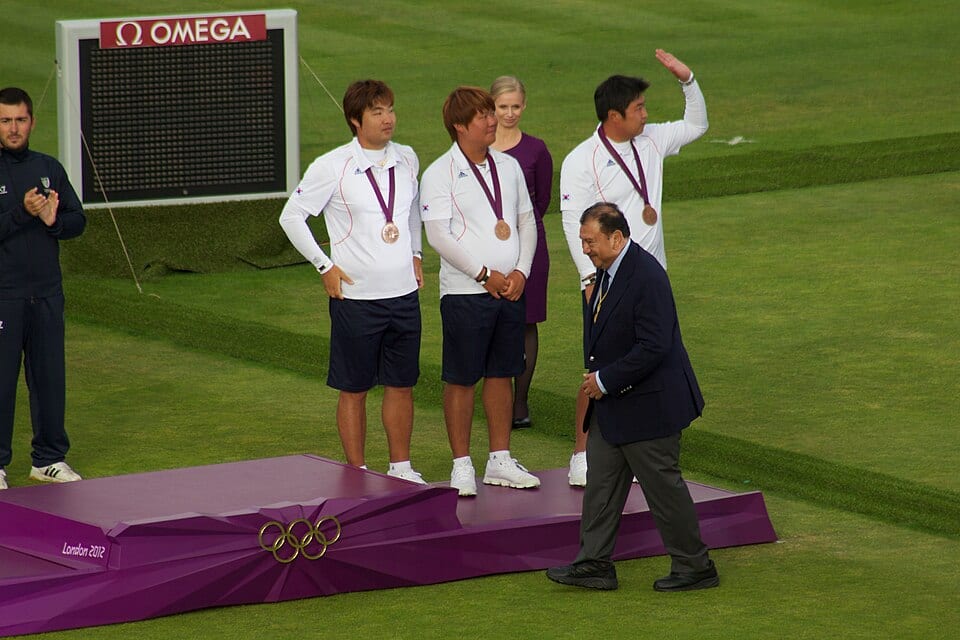
An Olympic recurve shot contains many linked actions: stance, grip, hook, draw, shoulder alignment, anchor, expansion, release, and follow-through. Coaches do not merely ask an athlete to “aim harder.” They look for a sequence that can be repeated when the body is tired and the score matters.
Elite athletes have different bodies, tempos, anchors, and mental cues. Their useful common ground is a shared vocabulary for diagnosis. Video, scoring patterns, tuning, and observation help separate a technical fault from an equipment issue.
Repetition works only when it contains feedback. Shooting thousands of careless arrows can reinforce a bad pattern. High-level practice alternates volume with technical blocks, physical training, recovery, and competition simulation. The objective is not a motion that looks identical on camera; it is a reliable process whose small variations the archer can recognize and manage.
For learning the sport safely: As an Amazon Associate, EpicKor may earn from qualifying purchases. Beginners should use a qualified club and coach rather than buying competition equipment first. For background reading, compare beginner recurve archery books and follow your range's safety rules.
Pressure Training Makes Stress Familiar
An Olympic target looks the same as a practice target, but the athlete's body does not feel the same. Heart rate rises, timing changes, hands tighten, and attention can jump from the next arrow to the medal table. Korea's preparation is known for recreating parts of that stress through internal competition, time pressure, crowd noise, cameras, and adverse-weather practice.
These methods do not make athletes fearless. They provide a routine for fear. The archer learns when to let down instead of forcing a shot and which cue returns attention to the process.
Weather simulation matters too. Outdoor arrows spend enough time in flight for wind to alter the result. Training in rain and variable wind teaches athletes to read conditions, adjust aim, trust the bow, and accept that a well-executed shot can still land outside the ten.
Equipment and Sports Science Support the Shot
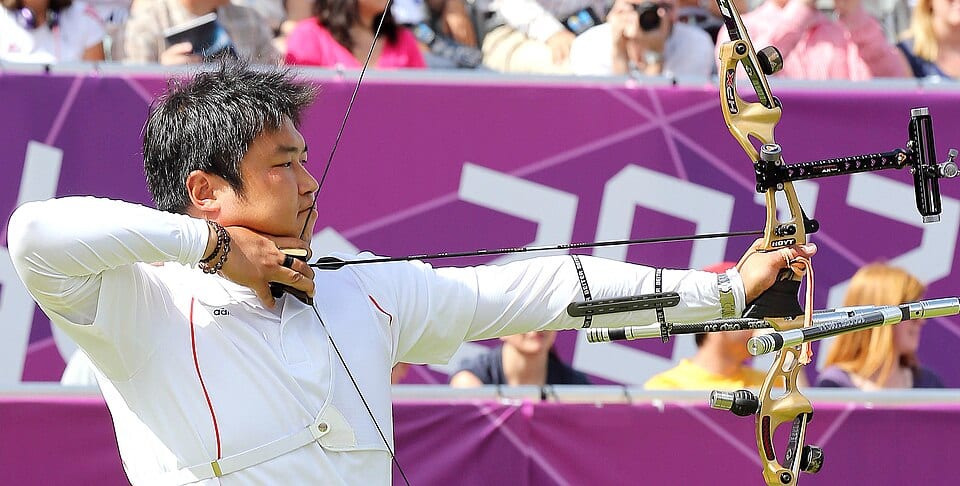
Olympic recurves use adjustable sights, stabilizers, pressure buttons, clickers, and matched arrows. Technicians and coaches help tune the system so an athlete's arrows group consistently. Korea also benefits from a mature domestic archery industry and long institutional familiarity with elite equipment.
Technology should not be turned into a science-fiction explanation. Robots and specialized testing devices have appeared in Korean archery reporting and manufacturer development, but a machine does not shoot an Olympic final for the athlete. The practical advantage is measurement: equipment can be tested more consistently, while video and data help staff identify changes that the eye may miss.
Physical preparation supports posture and endurance. Shoulder stability, back strength, balance, and recovery all matter when an athlete shoots repeated rounds. Mental-performance support can help with attention, confidence, and post-shot reset. These services amplify a strong athlete; they cannot replace technique or decision-making.
| Training problem | Useful response | What it cannot guarantee |
|---|---|---|
| Group shifts in wind | Condition reading and sight adjustment practice | A perfect score in changing gusts |
| Inconsistent release | Video feedback and process cues | Instant correction under pressure |
| Equipment uncertainty | Tuning, matched arrows, and controlled testing | That hardware compensates for a poor shot |
| Late-round fatigue | Strength, volume planning, nutrition, and recovery | Freedom from injury or fatigue |
The Development Pipeline Is Broader Than the National Team
Korean archery is sustained by institutions below the Olympic level. Young athletes can encounter the sport through school programs and local competitions, then progress into university, municipal, corporate, or professional structures. Coaches and former athletes circulate knowledge through that network.
The corporate-team layer is unfamiliar to many overseas readers. Companies and public bodies employ athletes who train and compete, providing salaries, facilities, coaching, and a career bridge after school.
The same lesson appears in other Korean sports. Our guide to Korean footballers abroad explains how visible stars rest on schools, academies, clubs, and family investment. Korean baseball fan culture shows a different pipeline and a much louder stadium experience, but the shared point is that national success is never just the biography of one celebrity.
What Other Countries Can—and Cannot—Copy
Other programs can copy transparent trials, coach education, pressure simulation, equipment support, and long-term youth development. Several already employ Korean coaches or train in Korea. World Archery reported that top Brazilian archer Marcus D'Almeida returned to train with renowned Korean coach Kim Hyung-tak before the 2024 season, while France incorporated Korean coaching expertise into its Olympic project.
What cannot be copied overnight is depth. A selection system becomes powerful only when many athletes are good enough to make the ranking meaningful. That requires years of facilities, competitions, coaches, funding, and credible career routes. Simply making trials harsher can burn athletes out without improving results.
Countries should also avoid copying myths. Excessive volume is not automatically better. Hierarchy is not a substitute for feedback. Young athletes need education, health protection, and identities beyond medals. Korea's record offers valuable methods, but it should be studied critically rather than romanticized.
How to Watch Olympic Recurve More Intelligently
Start with the set system. In team match play, each set awards two points to the higher-scoring team, with one point each for a tie. The first team to five set points wins; a 4-4 match goes to a shoot-off. That structure means one poor set need not end the match, which is exactly what made Korea's Paris semifinal and final so tense.
Watch the sequence before the arrow lands. Does the archer settle into the anchor smoothly? Does the clicker timing change? Do they let down when the shot feels wrong? In team competition, notice the clock, rotation, and communication among the three athletes.
Also look at conditions. Flags, windsocks, clothing, and arrow drift reveal what the scoreboard cannot. A nine in difficult wind may be a better shot than a ten made in calm air. Results become more interesting when “perfection” is replaced with adaptation.
For spectators and club practice: As an Amazon Associate, EpicKor may earn from qualifying purchases. If your range permits personal viewing gear, compare compact outdoor binoculars; check venue rules and never step onto an active range to retrieve arrows.
What the Korean Record Really Proves
The ten-title streak proves that South Korea built an unusually durable high-performance environment. It does not prove ethnic superiority, magical discipline, or guaranteed future gold. Its most transferable lesson is institutional: keep the pathway deep, make selection credible, train the whole performance problem, and preserve knowledge between generations.
Korea's system also produces human costs and hard disappointments. Champions miss teams. Newcomers inherit national expectations. Coaches and administrators must balance competitive rigor with athlete welfare. Understanding both sides makes the achievement more impressive, not less.
FAQ
Q: Why is South Korea so good at Olympic archery?
Korea combines a deep athlete pipeline, demanding current-form selection, experienced coaching, repeatable technique, pressure practice, and strong equipment support. No single trick explains the results.
Q: How many consecutive women's Olympic team titles has Korea won?
South Korea won ten consecutive women's team recurve titles from Seoul 1988 through Paris 2024. The event was introduced to the Olympic program in 1988.
Q: Are Korean archery trials harder than the Olympics?
That phrase is an exaggeration, but the domestic selection is exceptionally deep and multi-stage. Even Olympic and world champions can miss the team when other archers perform better in that cycle.
Q: Did An San compete at the Paris 2024 Olympics?
No. The Tokyo triple gold medalist was eliminated during Korea's 2024 selection process. Lim Sihyeon, Jeon Hunyoung, and Nam Suhyeon formed the women's team in Paris.
Q: Does Korea use robots to train archers?
Robotic and measurement technology can help test equipment consistently, but athletes still build the shot through coached practice. Technology supports tuning and analysis; it does not replace competition skill.
Q: Can a beginner copy Korean Olympic training?
Beginners should copy the emphasis on safety, repeatable process, and feedback—not elite training volume. Join a supervised club, use correctly sized equipment, and increase repetitions gradually.
Sources
You Might Also Like
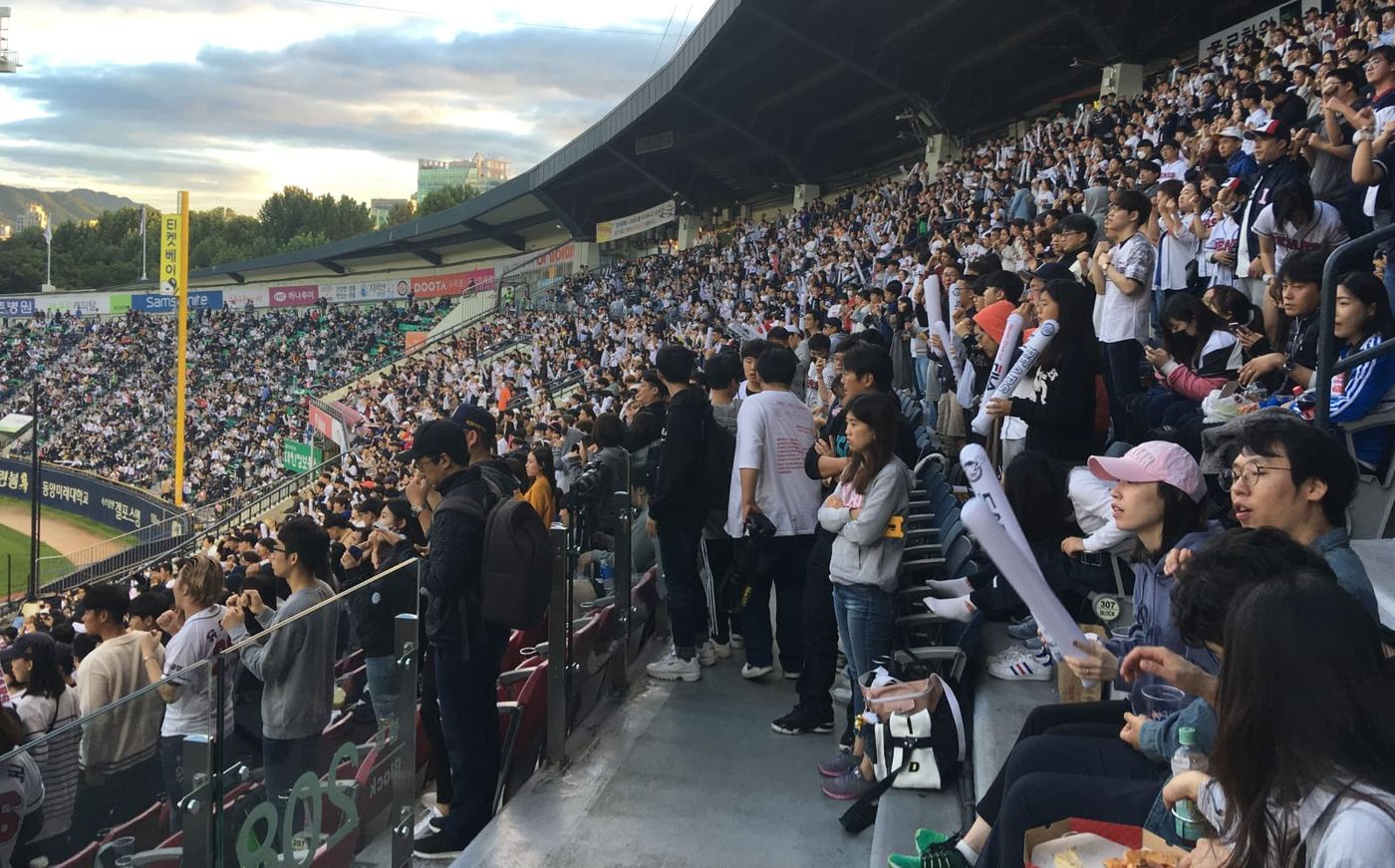
KBO Baseball Game in Seoul 2026: Tickets, Seats, Food, and Cheers
2026 is the last season at Jamsil Baseball Stadium — demolition starts in December and LG and Doosan move to the Olympic Stadium until 2031. Real seat prices, Jamsil vs Gocheok, ticket timing, stadium food, and cheering culture.
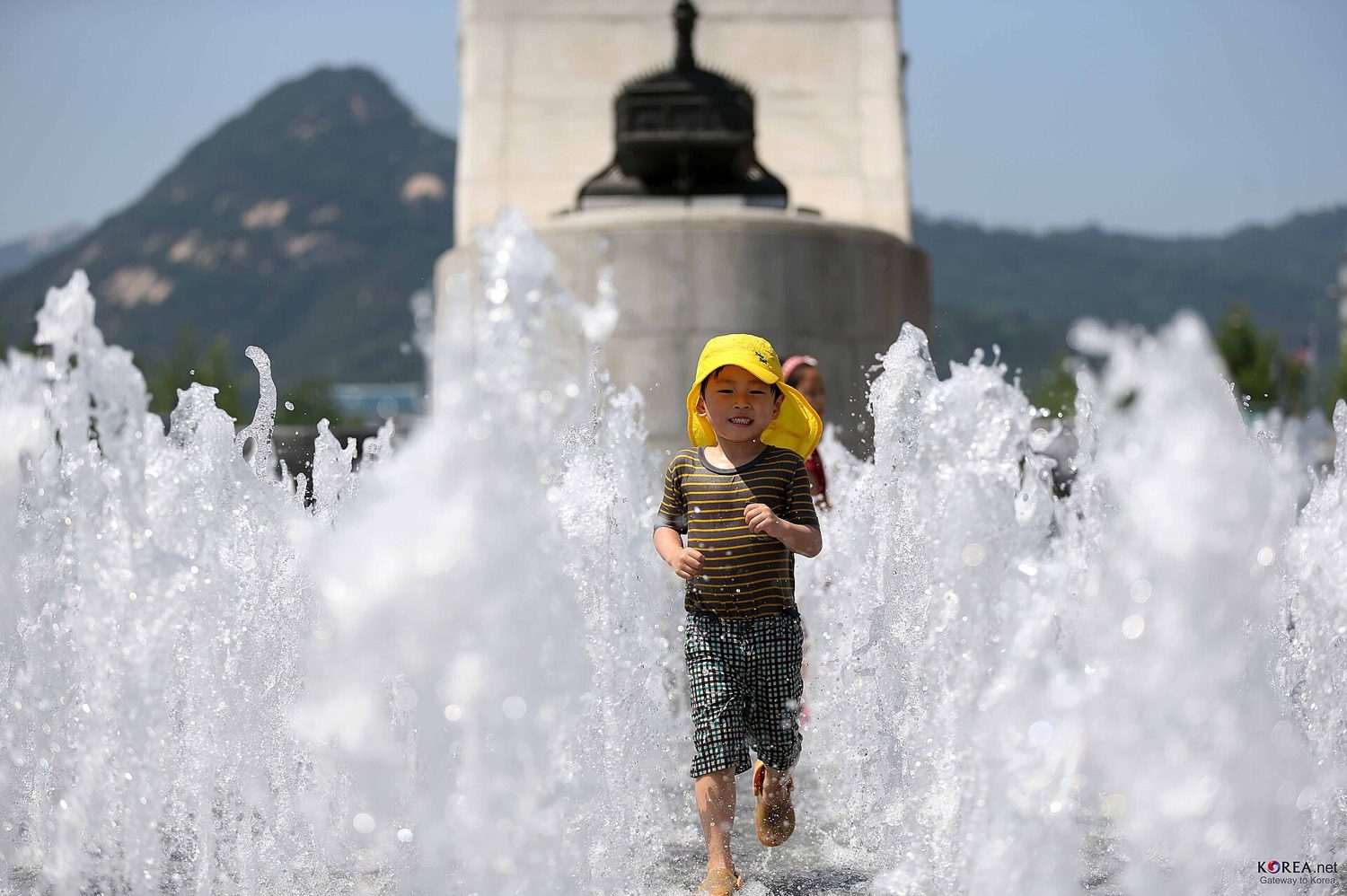
Is Korea Kid-Friendly? What Foreign Parents Report — and What Korean Data Shows: Strangers Who Hand Out Tangerines, 114 No-Kids Zones, and the 68% Who Accept Them
Foreign parents say older Koreans shower babies with snacks and department-store nursing rooms beat London's. Korean data adds 114 no-kids zones, 68% public acceptance, and 64% of Korean parents who feel watched. What that means for your trip.

Car Seat Taxis in Korea: The Law Requires a Seat for Every Child Under 6, Ordinary Taxis Don't Carry One — What Tourists Can Actually Book in Seoul
Korea's Road Traffic Act requires a car seat for children under 6 in any car, taxis included, and fines the driver ₩60,000. Ordinary taxis carry none and police paused taxi enforcement in 2018. TADA, whose app takes foreign phones and cards, runs about 300 car-seat vans.