Seoul Hiking Guide: Easy, Scenic, and Challenging Trails
Seoul hiking is one of the city's best surprises. You can ride the subway in the morning, climb above palace roofs or apartment towers, eat noodles or pajeon near the trailhead, and still be back in a cafe by afternoon.
The challenge is choosing the right mountain. Seoul has easy sunset walks, city-wall ridges, family-friendly river views, serious rocky climbs, and national-park routes that deserve more preparation than a casual Instagram caption suggests.
This Seoul hiking guide compares beginner, scenic, and challenging trails, explains the local hiking culture, and helps first-time visitors avoid the two classic mistakes: overdressing for a tiny hill or underpreparing for a real mountain.

Why Seoul Is Such a Good Hiking City
Seoul is a dense capital wrapped in mountains. That geography changes how the city feels. The subway does not only connect shopping districts and palaces; it also takes people near trailheads. A weekend hike can begin with a transit card tap and end with lunch in a neighborhood restaurant.
This is why hiking in Seoul is not only an outdoor hobby. It is a social rhythm. Older hikers meet early. Office workers decompress. Couples take view photos. Friends turn a short climb into a food plan. Serious hikers train for bigger Korean mountains without leaving the city.
Visit Seoul and Seoul tourism materials regularly present mountain walks as part of the city's everyday travel identity, not as a remote adventure category.
If you are still planning the trip foundation, pair this article with EpicKor's interest-based Korea travel planning guide.
Quick Answer: Which Seoul Hike Should You Choose?
For a first Seoul hike, choose by difficulty and location:
- Choose Namsan if you want the easiest urban walk and city view.
- Choose Inwangsan if you want a short but memorable ridge near palaces and the Seoul City Wall.
- Choose Achasan if you want sunrise, Han River views, and a moderate local feel.
- Choose Bukhansan if you want a real national-park hike with granite scenery.
- Choose Gwanaksan if you want a harder rocky climb and are comfortable with steeper terrain.
Do not choose by photo alone. A trail that looks short can still be slippery, exposed, icy, or crowded.
| Trail | Best For | Difficulty | First-Timer Note |
|---|---|---|---|
| Namsan | Simple city walk, N Seoul Tower, low-risk views | Easy | Best if you want scenery without a mountain day |
| Inwangsan | City-wall ridge, palace-area skyline, sunset | Easy to moderate | Short but can feel steep and exposed |
| Achasan | Sunrise, Han River view, local weekend energy | Moderate | Good balance of effort and reward |
| Bukhansan | National-park scenery and granite peaks | Moderate to hard | Pick a route carefully; do not wing it |
| Gwanaksan | Rocky challenge and south-Seoul views | Harder | Better for confident hikers with proper shoes |
Namsan: The Easiest Seoul Hiking Win
Namsan is the best answer when someone wants a Seoul "hike" but not a full hiking day. The routes around Namsan and N Seoul Tower include paved paths, stairs, viewpoints, buses, and cable-car options depending on your plan.
It is ideal for jet-lagged travelers, families, and people who want to combine Myeongdong, Hoehyeon, Itaewon, or central Seoul with a view. It also works when the weather is uncertain, because you can shorten the route more easily than on a bigger mountain.
Do not treat Namsan as wilderness. Treat it as an urban hill walk with a landmark view. Wear comfortable shoes, bring water, and expect crowds near popular viewpoints.
Inwangsan: Short, Steep, and Very Seoul
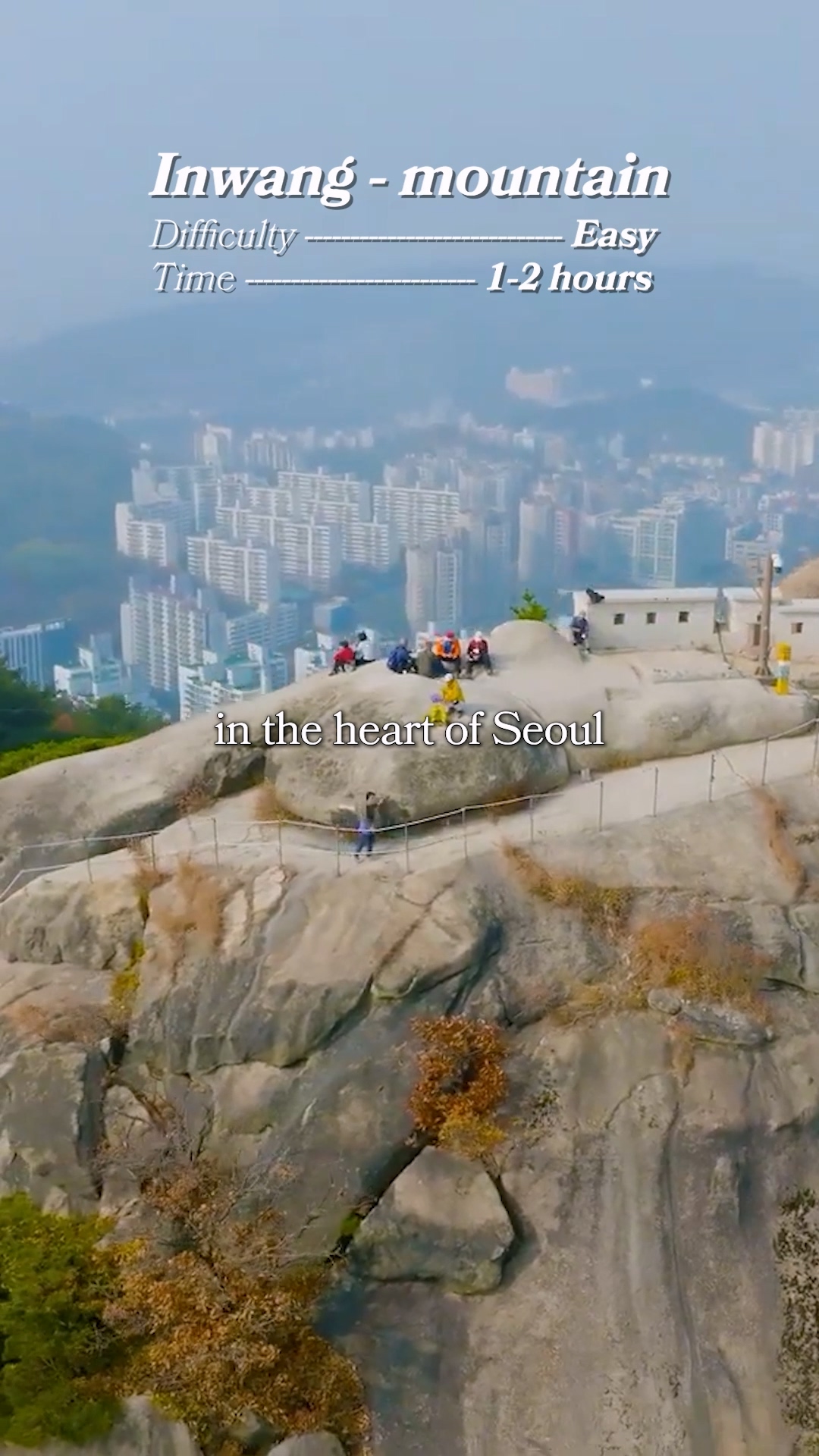
Inwangsan is one of Seoul's most rewarding short hikes. It sits near Gyeongbokgung, Seochon, and the Seoul City Wall, so the view mixes palace roofs, old neighborhoods, downtown towers, and mountain ridges.
The route is not long compared with Bukhansan, but it can feel surprisingly intense because of stairs, rock, and exposure. In summer, heat can make it harder. In winter, icy sections deserve caution. At sunset, the view can be beautiful, but descend before darkness if you are not familiar with the path.
Inwangsan is the trail I would recommend to many first-time travelers who want a real Seoul mountain feeling without giving an entire day to hiking.
Achasan: Sunrise and Han River Views
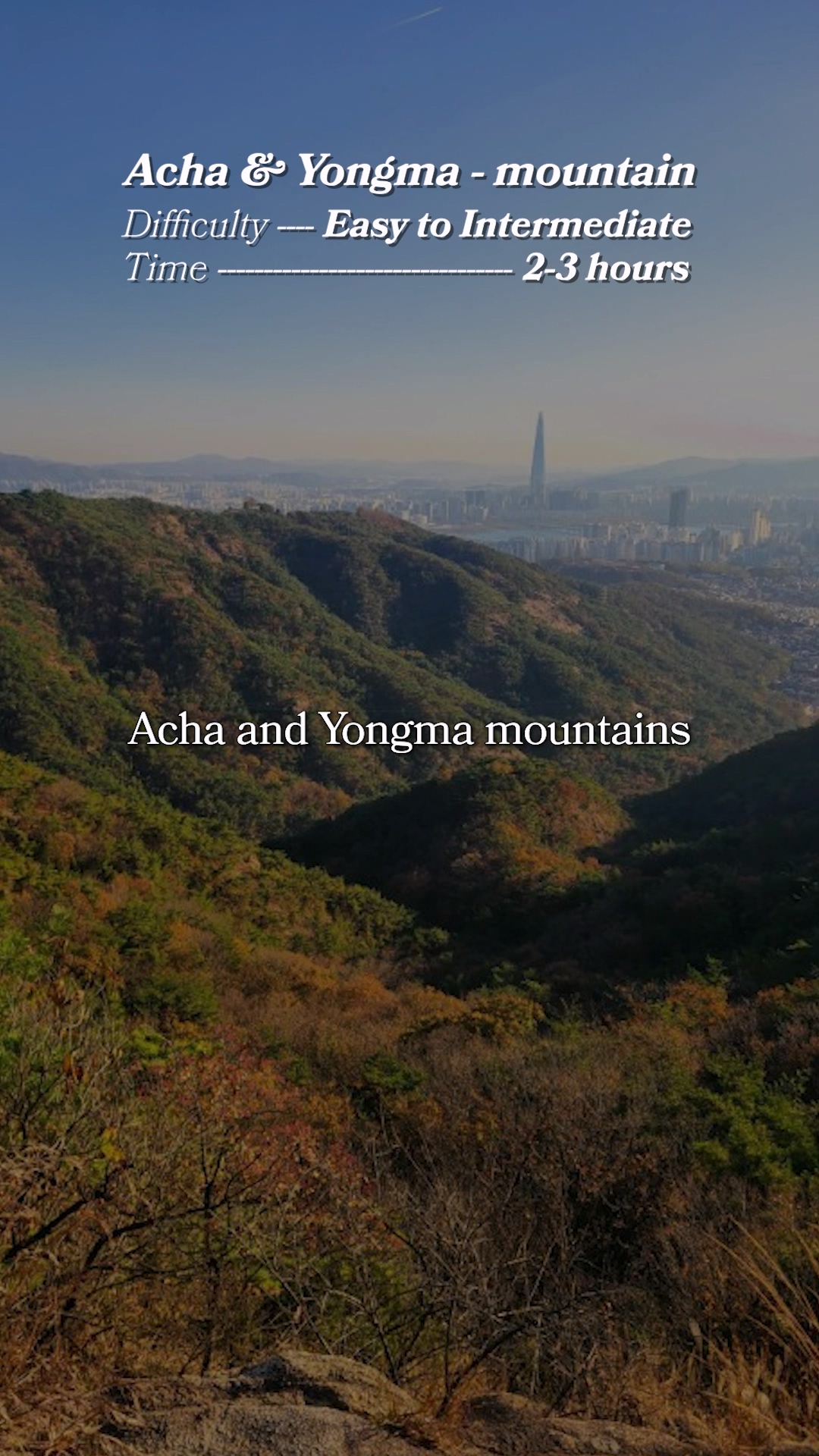
Achasan is popular for sunrise and eastern-Seoul views. It is less internationally famous than Bukhansan, but that can be a strength. The trail gives you a local weekend feeling, good viewpoints, and a manageable challenge.
For many visitors, Achasan works well if they are staying east of central Seoul, near Konkuk University, Seongsu, Gwangjin, or Jamsil routes. The views toward the Han River and city skyline make it feel open without requiring a full mountain expedition.
Start early for cooler weather and clearer light. Bring water. Do not underestimate descent fatigue; many slips happen when people relax after reaching the viewpoint.
Bukhansan: Seoul's National-Park Giant
Bukhansan is the serious icon of Seoul hiking. Bukhansan National Park is known for granite peaks, fortress routes, temples, valleys, and dramatic city-adjacent mountain scenery. It is also busy because it is accessible and famous.
This is not the mountain to choose casually because a view went viral. Routes vary significantly. Some are moderate walks; others involve steep rock, long stair sections, chains, or weather exposure. Check the route, entrance point, transit, park guidance, sunset time, and your own knees before going.
If you want a first Bukhansan experience, choose a well-known route and start early. If the forecast is bad, do not force it. A mountain inside Seoul is still a mountain.
Gwanaksan: The Rocky South-Seoul Challenge
Gwanaksan rises south of the Han River and is often associated with Seoul National University and Gwacheon-side access. It can be a rewarding hike for people who want more physical challenge than Namsan or Inwangsan.
Expect rocks, steeper sections, and route choices that can change the difficulty. It is a good option for confident hikers, not for travelers wearing smooth fashion sneakers because they saw "Seoul hike" on a list.
The benefit is variety. Gwanaksan shows another side of Seoul: university neighborhoods, southern skyline views, and a rougher terrain feel than many central urban walks.
Prepare for maps, photos, and translation: As an Amazon Associate, EpicKor may earn from qualifying purchases. Seoul hikes drain phone batteries through navigation and photos, so compare portable power banks for travel before a long trail day.
When to Hike: Korea's Seasons Are Not a Detail
The most-searched follow-up after "which trail" is "which month," and in Korea the answer changes the hike more than the trail choice does.
| Season | Korean | What it means on the mountain |
|---|---|---|
| Spring (Apr–May) | 봄 | Mild, busy, cherry blossom and azalea. The easiest conditions |
| Summer (Jun–Aug) | 여름 | Humid and hot. Monsoon (장마) rain makes granite slick. Start at dawn or skip |
| Autumn (Oct–Nov) | 가을 | The season. Clear air, foliage (단풍), stable footing — and the busiest trails of the year |
| Winter (Dec–Feb) | 겨울 | Cold, dry, spectacular views. Ice is the real hazard, not temperature |
Autumn is the right answer if you have a choice. Korean autumn is dry and clear in a way that summer is not, the foliage is genuinely the reason Koreans hike, and the granite that defines Seoul's peaks is at its safest. Expect crowds — that is the trade.
Summer deserves a warning. The problem is not the heat by itself, it is heat plus humidity plus the monsoon. Seoul's mountains are largely exposed granite, and wet granite is slippery in a way that surprises people. If you hike in July or August, start at sunrise and turn back earlier than you planned.
Winter is better than most visitors expect — the air is clearest, the views are longest, and trails are quieter. But ice on rock is the failure mode. This is the one season where microspikes are not optional gear on the steeper routes, and where a summit attempt should be abandoned without hesitation.
Hiking Beyond Seoul
Most visitors only ever hike in Seoul, which is reasonable — but Korea's mountain culture is national, and two names come up constantly.
- Seoraksan (설악산), in Gangwon, is the country's most celebrated autumn destination and a genuine multi-hour undertaking rather than a city walk
- Jirisan (지리산), spanning three provinces, is Korea's largest mainland national park and the standard reference for a serious multi-day hike
Both are national parks, which matters procedurally: Korea National Park Service manages access, and some routes have seasonal closures, entry time limits, and reservation requirements that Seoul's city mountains do not. Check the official park information before committing to a trip built around one.
The honest counter-recommendation: do not build a short Korea trip around Seoraksan or Jirisan. Both are several hours from Seoul and reward an overnight. If you have a spare morning rather than a spare day, Bukhansan is inside the city and delivers a real mountain.
Is Korea or Japan better for hiking?
A comparison that comes up often enough to answer directly. They are different products.
- Korea's mountains are closer to the cities. Bukhansan is a national park reachable by subway — that is unusual anywhere in the world
- The rock is different. Korean peaks are frequently exposed granite with rope and rail sections, so short hikes feel steeper and more hands-on than the distance suggests
- The culture is different. Korean hiking is highly social and highly equipped; you will be passed by retirees in full technical gear on a two-hour trail
If you want a mountain inside a trip that is otherwise urban, Korea is the stronger choice, purely because you can be on a summit and back before dinner.
What to Wear for Seoul Hiking
Korean hiking fashion can look intense. You may see technical jackets, trekking poles, sun sleeves, gloves, hats, neck gaiters, bright colors, and serious boots on trails that visitors expected to be casual.
Do not copy the full uniform automatically, but do respect the reason behind it. Seoul trails can have stone steps, dust, slippery rock, sun exposure, sudden wind, and seasonal temperature swings. Good shoes matter more than brand names.
For Namsan, comfortable walking shoes are usually enough. For Inwangsan and Achasan, use grippy sneakers or light hiking shoes. For Bukhansan or Gwanaksan, wear proper trail shoes if you plan a serious route.
What to Pack
A simple Seoul hiking kit is better than a huge bag. Bring:
- water,
- a charged phone,
- a small power bank,
- a transit card,
- sun protection,
- a light layer,
- tissues or wipes,
- a snack,
- and a plan for the descent.
In summer, add more water and start earlier. During rainy season, avoid slippery rock and check weather. In winter, consider ice risk and daylight. For longer hikes, share your route with someone and do not rely on phone signal alone.
EpicKor's Korea travel essentials guide can help keep the packing list sensible instead of turning one hike into a camping expedition.
| Season | Main Risk | Best Habit | What to Avoid |
|---|---|---|---|
| Spring | Fine dust, crowds, changing temperature | Check air quality and layer lightly | Starting late on a famous weekend route |
| Summer | Heat, humidity, storms, slippery rock | Start early and carry extra water | Midday exposed climbs |
| Autumn | Peak foliage crowds | Use early transit and backup trails | Assuming quiet trails on perfect weekends |
| Winter | Ice, wind, early darkness | Check conditions and shorten routes | Smooth shoes on shaded stone steps |
Hiking Culture: The Mountain Is Social
Seoul hiking is social even when people climb quietly. Groups meet at station exits. Friends share snacks. Older hikers exchange route knowledge. People photograph peak signs. Many hikes end with a meal.
The classic after-hike pairing is pajeon and makgeolli, especially near trailhead restaurant areas. You do not have to drink, and you should not drink heavily before descending, but the food culture matters. The climb creates appetite; the meal turns effort into memory.
If drinks interest you beyond soju, EpicKor's Korean drinks besides soju guide explains makgeolli and other options.
Etiquette on Seoul Trails
Trail etiquette is simple: do not make the mountain harder for everyone else.
Stay on marked paths. Do not blast music from a speaker. Step aside before stopping for photos. Let faster hikers pass. Do not feed wildlife. Carry your trash down. Use restrooms before the trail when possible. Avoid blocking narrow stairs with a group selfie.
On crowded routes, patience matters. A famous Seoul hike is not a private photoshoot. The view belongs to everyone.
First-Time Seoul Hiking Plan
If you want one easy plan, do this:
- Pick Inwangsan or Namsan for your first hike.
- Check weather, air quality, sunset time, and public-transit route.
- Start in the morning or late afternoon, not peak heat.
- Bring water, grippy shoes, and a charged phone.
- Build a nearby meal after the hike instead of rushing to another far district.
If you loved it, choose Achasan next. If you still want more, plan Bukhansan or Gwanaksan with proper route research.
Keep the trail bag light: A compact travel pouch can keep transit card, hotel key, cash, and small essentials together while you climb. Compare travel card pouches before carrying a bulky wallet on Seoul stairs.
FAQ
Q: What is the easiest hike in Seoul? Namsan is the easiest urban hiking choice for many visitors. It offers city views and flexible route options without needing a full mountain day.
Q: Which Seoul hike is best for first-time travelers? Inwangsan is often the best first real Seoul hike because it is short, central, scenic, and connected to the Seoul City Wall, but it still feels like a proper climb.
Q: Is Bukhansan too hard for beginners? Some Bukhansan routes are manageable, but others are steep and demanding. Beginners should choose a clear route, start early, and avoid bad weather.
Q: Can I hike in Seoul with normal sneakers? For Namsan, yes. For Inwangsan and Achasan, grippy sneakers may be enough in good weather. For Bukhansan or Gwanaksan, proper trail shoes are safer.
Q: Is Seoul hiking safe alone? Popular daytime routes can be safe for solo hikers, but share your plan, start early, stay on marked paths, watch weather, and avoid unfamiliar descents after dark.
Q: What should I eat after hiking in Seoul? Many hikers choose pajeon, noodles, soup, or makgeolli near the trailhead. Choose based on route and energy, and avoid heavy drinking before more walking.
Sources and Further Reading
- Visit Seoul - Mountains in Seoul
- Visit Seoul - Seoul hiking trails
- Korea National Park Service - Bukhansan National Park
- Seoul Metropolitan Government - Hiking information
Video Insight: Seoul's Hiking Trails
You Might Also Like
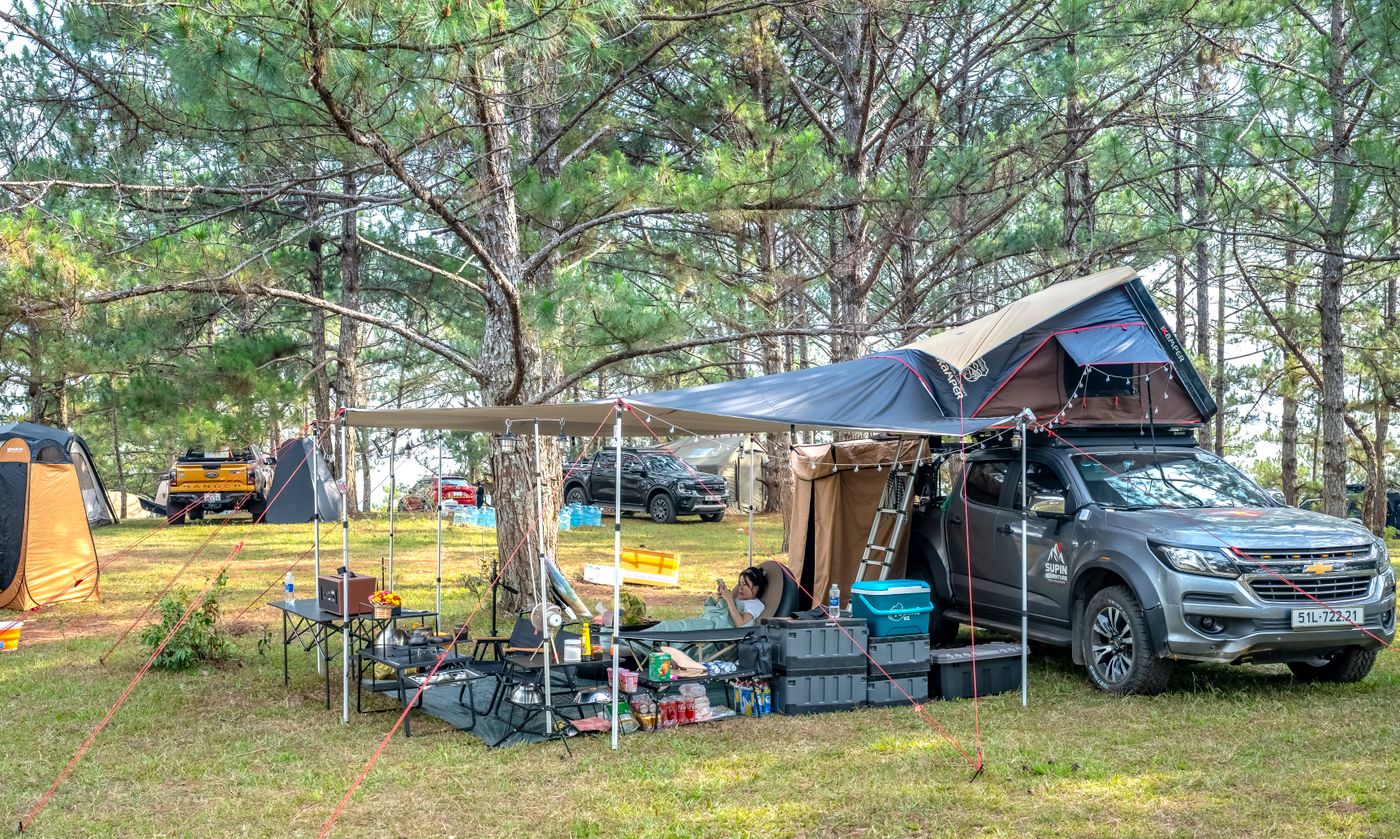
Korean Car Camping Guide 2026: Cha-Bak and Gear
A practical Korean car camping guide for cha-bak planning, legal campsites, rest stops, gear, weather, etiquette, and weekend routes.
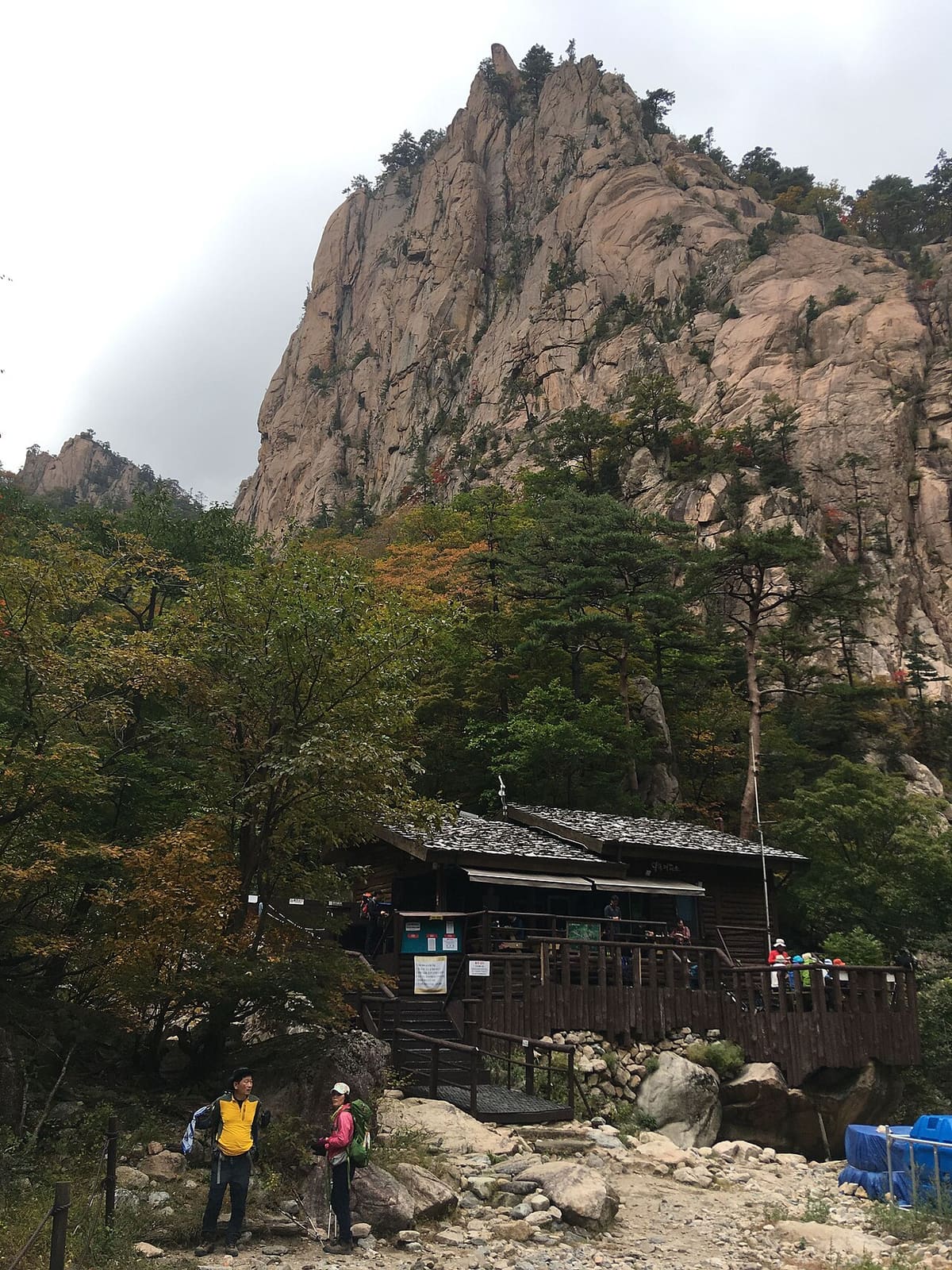
Wild Camping in Korea: Why You Can't, and Where to Sleep Instead
Pitching a tent outside a designated site in a Korean national park is illegal and fined. Koreans sleep in booked mountain shelters instead — numbered wooden bunks, no cooking allowed. Here is how the system works and how to book it.
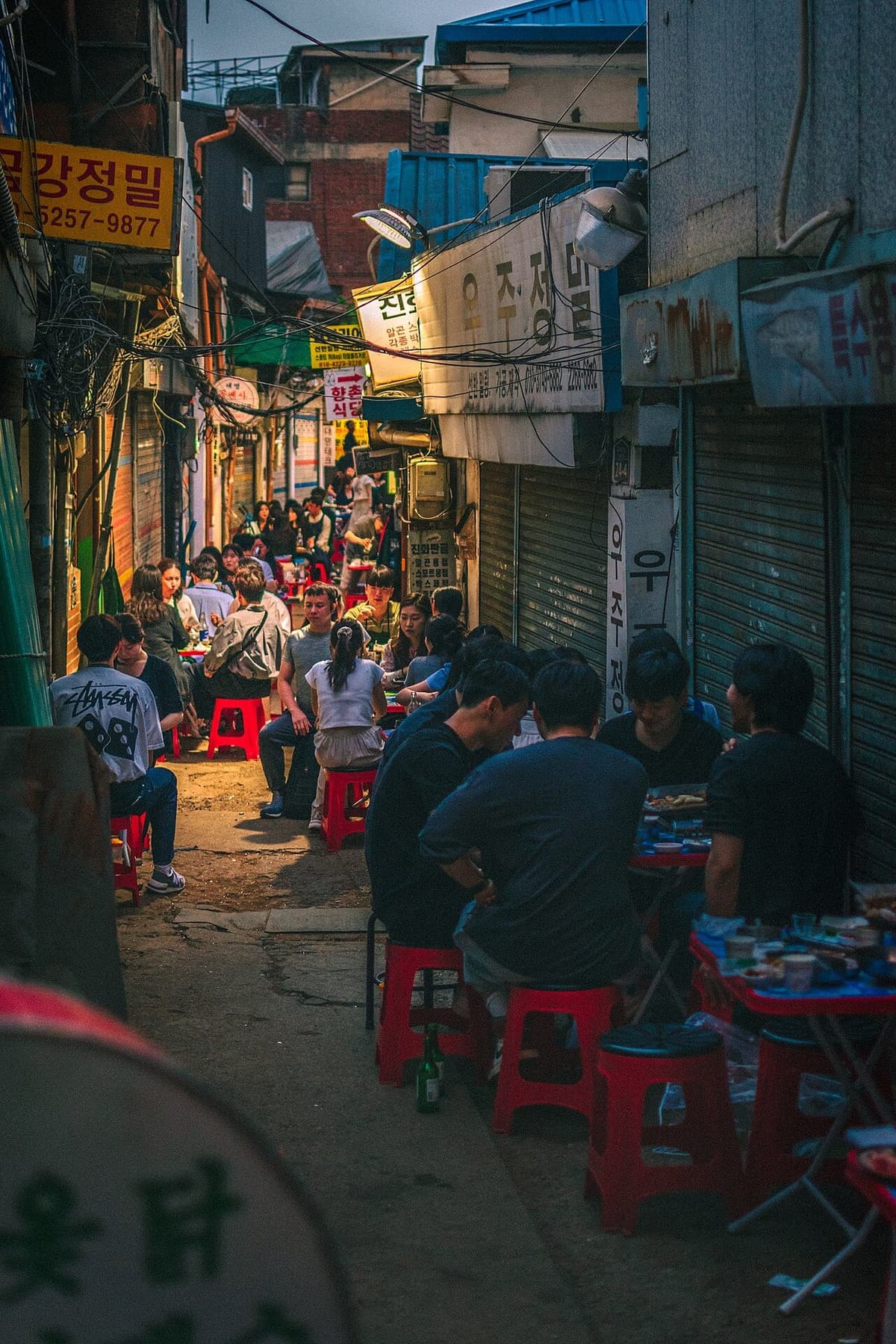
Euljiro Seoul Guide: Why the Machine Shops Become Bars at Night
Euljiro is a working district of print shops, tool sellers and metal workshops that turns into Seoul's most atmospheric drinking alley after 6pm. The bars are there because print workers finished night shifts here. Here is how to visit it properly.