Seoul Palace Night Guide 2026: Which Royal Palace to Visit
A Seoul palace night tour looks easy on social media.
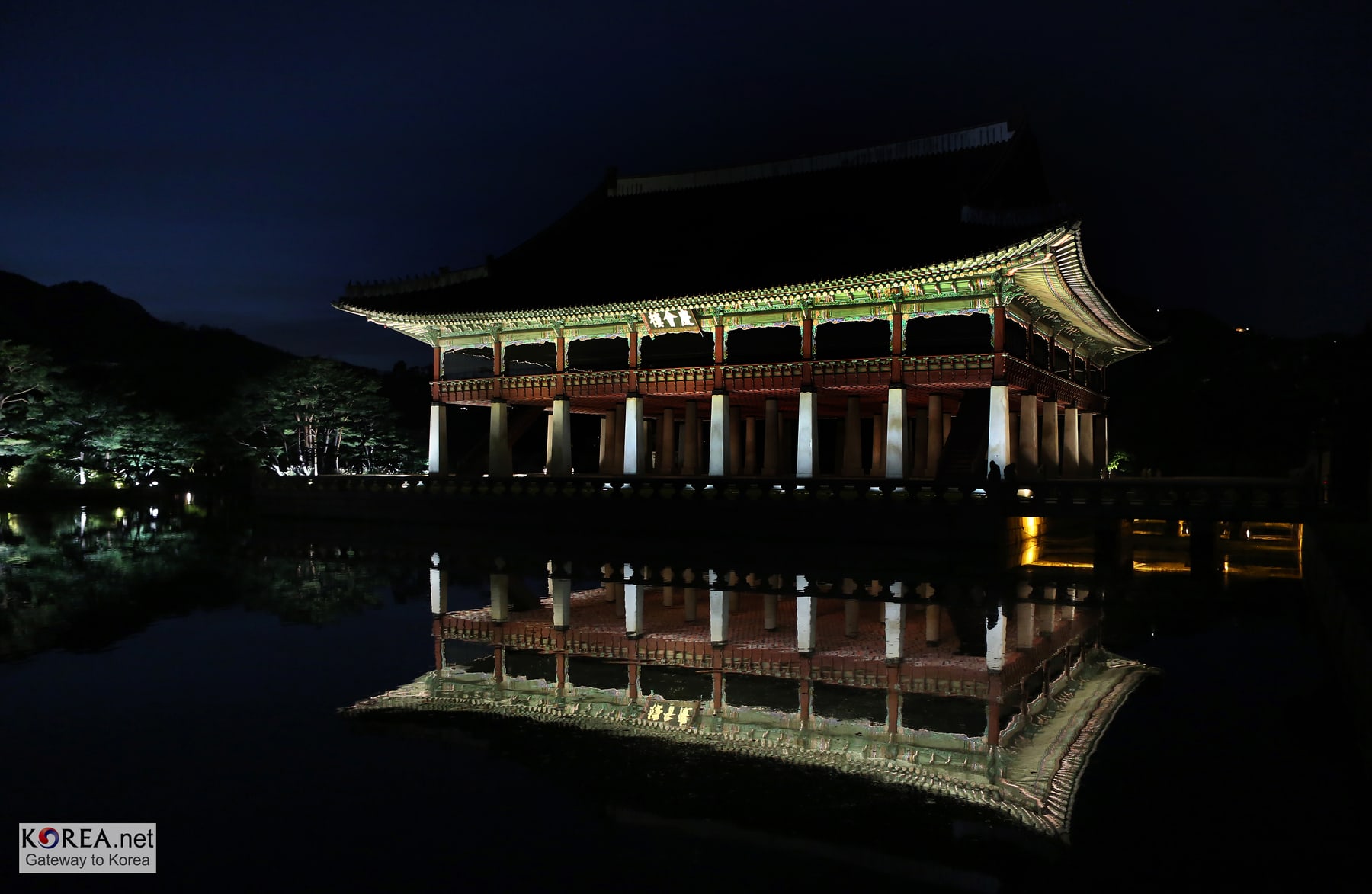
Wear hanbok. Arrive at blue hour. Walk through a gate. Stand beside a glowing pavilion while the pond reflects a second, more perfect version of it. The city disappears. Your photos look like you rented the Joseon dynasty for an evening.
Then reality arrives with a ticketing website.
The four main palaces do not offer the same kind of night access. Deoksugung and Changgyeonggung are the reliable choices, with regular grounds open into the evening. Gyeongbokgung and Changdeokgung become night destinations through separately announced seasonal programs, often with limited tickets and specific dates. A beautiful night photo from April does not prove that the same gate is open in July.
This 2026 guide separates what you can plan reliably from what you must reserve, explains the personality of each palace, and helps you choose the night that fits your tolerance for ticket stress.
Quick Answer: Which Seoul Palace Is Best at Night?
Choose Deoksugung if you want the easiest central evening walk with traditional and Western-style architecture near City Hall. Choose Changgyeonggung if you want a quieter palace-and-garden atmosphere with regular access until 9 p.m. Choose Gyeongbokgung if grandeur and photography matter most and your dates match an official seasonal night opening. Choose the Changdeokgung Moonlight Tour if you want the most curated experience and can secure a limited ticket.
As checked on July 11, 2026, the official Royal Palaces and Tombs Center lists Deoksugung and Changgyeonggung general admission from 9 a.m. to 9 p.m., with last entry at 8 p.m.; both normally close Mondays. Gyeongbokgung and Changdeokgung close earlier under regular summer hours, so night access depends on a special program.
The first-half 2026 Gyeongbokgung night opening ended June 14. The first-half 2026 Changdeokgung Moonlight Tour ended May 31. This article does not invent fall dates. Check the official event calendar before building a trip around either one.
| Palace | Best For | Night Access Type | Planning Risk |
|---|---|---|---|
| Gyeongbokgung | Grand architecture and iconic photos | Seasonal special opening/program | High: dates and tickets |
| Changdeokgung | Guided storytelling, forested palace mood | Seasonal Moonlight Tour | High: limited reservation |
| Deoksugung | Easy central evening and mixed architecture | Regular grounds open to 21:00 | Low: interiors close earlier |
| Changgyeonggung | Quieter walk, ponds, trees, relaxed photography | Regular grounds open to 21:00 | Low: special shows are separate |
Repel windproof travel umbrella — on AmazonAffiliate link. As an Amazon Associate, EpicKor earns from qualifying purchases at no extra cost to you.
For the surrounding day, pair this guide with EpicKor’s hanbok rental guide, Bukchon Hanok Village guide, Naver Map guide, and Seoul night picnic guide. A palace evening works best when the rest of the itinerary does not require sprinting across Seoul in rental shoes.
The Rule Most Visitors Miss: “Night Palace” Means Two Things
There are regular evening grounds and special night programs.
Regular evening grounds work like ordinary admission with a later closing time. You buy a normal ticket, enter before the final-admission cutoff, and walk through the areas open to general visitors. Deoksugung and Changgyeonggung are the dependable examples.
Special programs are different. They may include timed entry, guided routes, performances, food, lanterns, restricted buildings, or areas not available during an ordinary visit. Gyeongbokgung’s night viewing, Gyeongbokgung Starlight Tour, Changdeokgung Moonlight Tour, and Deoksugung’s Seokjojeon at Night are not interchangeable products.
The names also create confusion. A palace can be open at night while a museum or interior hall inside it is closed. At Deoksugung, the palace grounds continue into the evening, but Seokjojeon and other exhibition spaces have their own hours and reservation rules. At Changgyeonggung, an ordinary night walk does not guarantee that a media-art show from an older travel article is operating.
Before buying anything, answer three questions:
- Is this ordinary admission or a separately ticketed event?
- Is the source page for 2026, not 2024 or 2025?
- Does the date fall inside the exact operating period?
That small check prevents the classic Seoul travel mistake: arriving in perfect hanbok at a very closed gate.
Gyeongbokgung at Night: The Cinematic Choice
Gyeongbokgung is the palace most people imagine when they search for Seoul at night. The courtyards are broad, the sightlines are formal, Bugaksan rises behind the roofs, and Gyeonghoeru creates a reflection that makes even a phone photo feel composed.
The 2026 first-half special night viewing ran from May 13 through June 14, from 7 p.m. to 9:30 p.m., with last entry at 8:30 p.m. The official notice listed advance tickets, a limited same-day allocation for foreigners with identification, and free entry for qualifying hanbok wearers under the official clothing guidelines. It also warned that the outdoor event continued in rain and that unofficial ticket transactions were not protected.
Those details are useful as a model, not a promise for autumn. A later program can use different dates, limits, sales channels, and eligibility. Use only the current Royal Palaces and Tombs Center notice.
Gyeongbokgung is best for:
- First-time visitors who want one unmistakable Seoul palace image.
- Photographers comfortable with crowds and tripods restrictions.
- Hanbok visitors who have checked the current free-entry guideline.
- Travelers willing to shape an evening around a specific ticket.
It is less ideal for someone who wants spontaneity. If your trip dates do not match the event, visit by day and choose Deoksugung or Changgyeonggung after dark. A good trip does not need to lose an evening fighting a calendar.
Rain-plan note: As an Amazon Associate, EpicKor may earn from qualifying purchases. Palace night programs are outdoor experiences and may continue in light rain; compare compact travel umbrellas that fit inside a day bag without becoming part of every photo.
See compact travel umbrellas on AmazonChangdeokgung Moonlight Tour: The Storytelling Choice
Changdeokgung feels different because it does not announce itself through one giant axis. Buildings, slopes, trees, walls, and garden spaces unfold in sequence. At night, that layered layout becomes intimate. You are not simply looking at lit architecture; you are being moved through a controlled story.
The official 2026 first-half Moonlight Tour ran from April 16 to May 31. The Korea Tourism Organization listed timed starts around 7:20 and 8 p.m., a roughly 100-minute program, paid admission, and organization by the Korea Heritage Service’s Royal Palaces and Tombs Center with the Korea Heritage Agency.
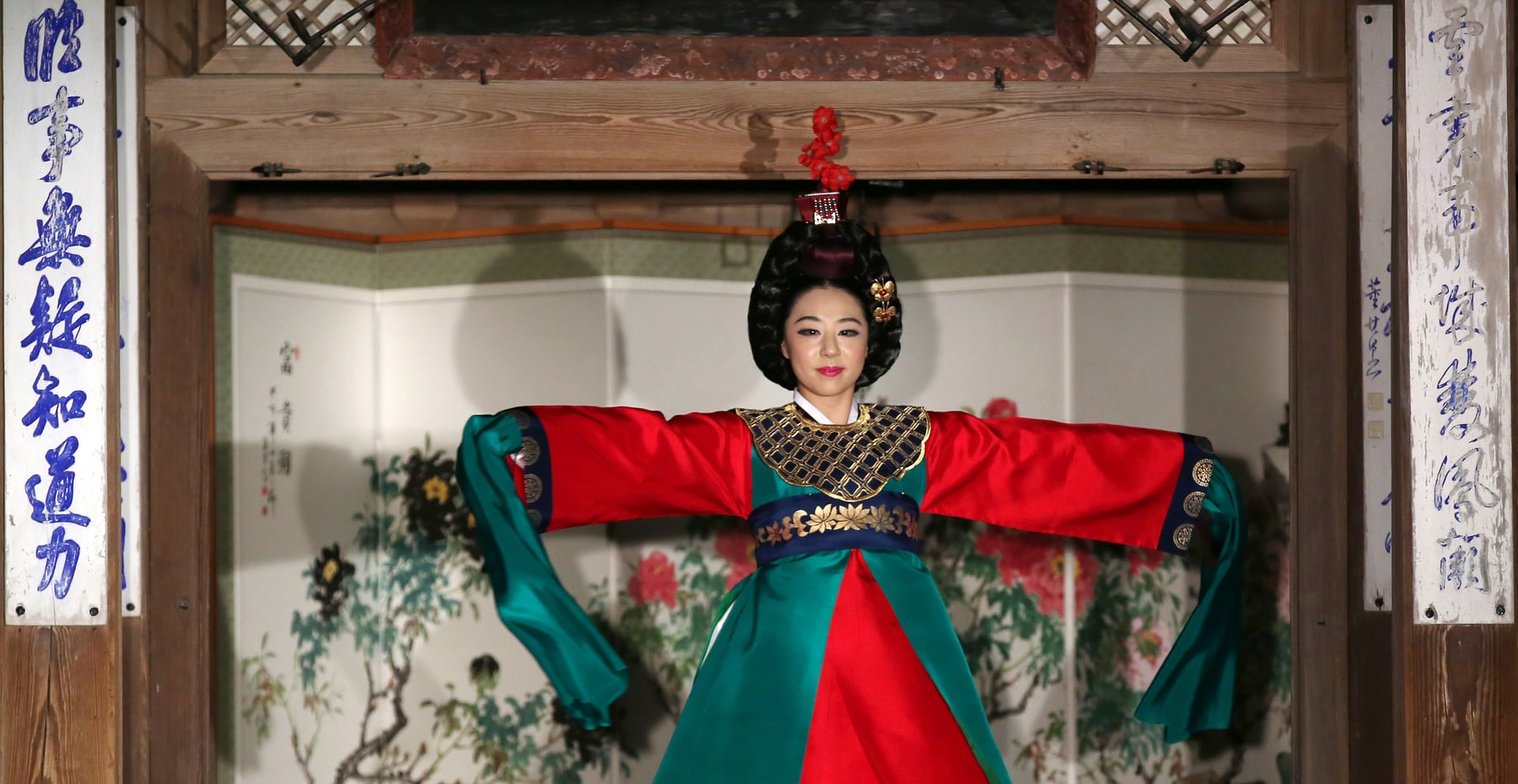
This is the best option for travelers who value explanation, performance, and atmosphere over freedom to wander. It is also the worst option for improvisation. Tickets are limited, routes are timed, and foreign-language allocations or booking procedures can differ by season.
Do not buy from an unofficial reseller simply because an event appears sold out. Check the Korea Heritage Agency and Royal Palaces and Tombs Center first. If autumn dates have not been published, “coming soon” on a travel blog is not a ticket.
Choose Changdeokgung when:
- You prefer a guided cultural program to independent photography.
- Your group can walk and stand for the program length.
- You can arrive early and follow a fixed start time.
- You are comfortable making the palace the main event of the night.
If you cannot secure a Moonlight Tour ticket, visit Changdeokgung during normal hours and save the evening for nearby Changgyeonggung. They are historically connected as the eastern palace complex, but their modern entry and night-access systems are separate.
Deoksugung at Night: The Easiest Good Decision
Deoksugung is the palace for people who do not want their vacation controlled by a ticket drop.
The grounds are regularly open until 9 p.m., with last admission at 8 p.m., according to the current official schedule. It sits beside City Hall, making it easy to combine with central Seoul, the stone-wall road, dinner, museums, or a walk toward Gwanghwamun.
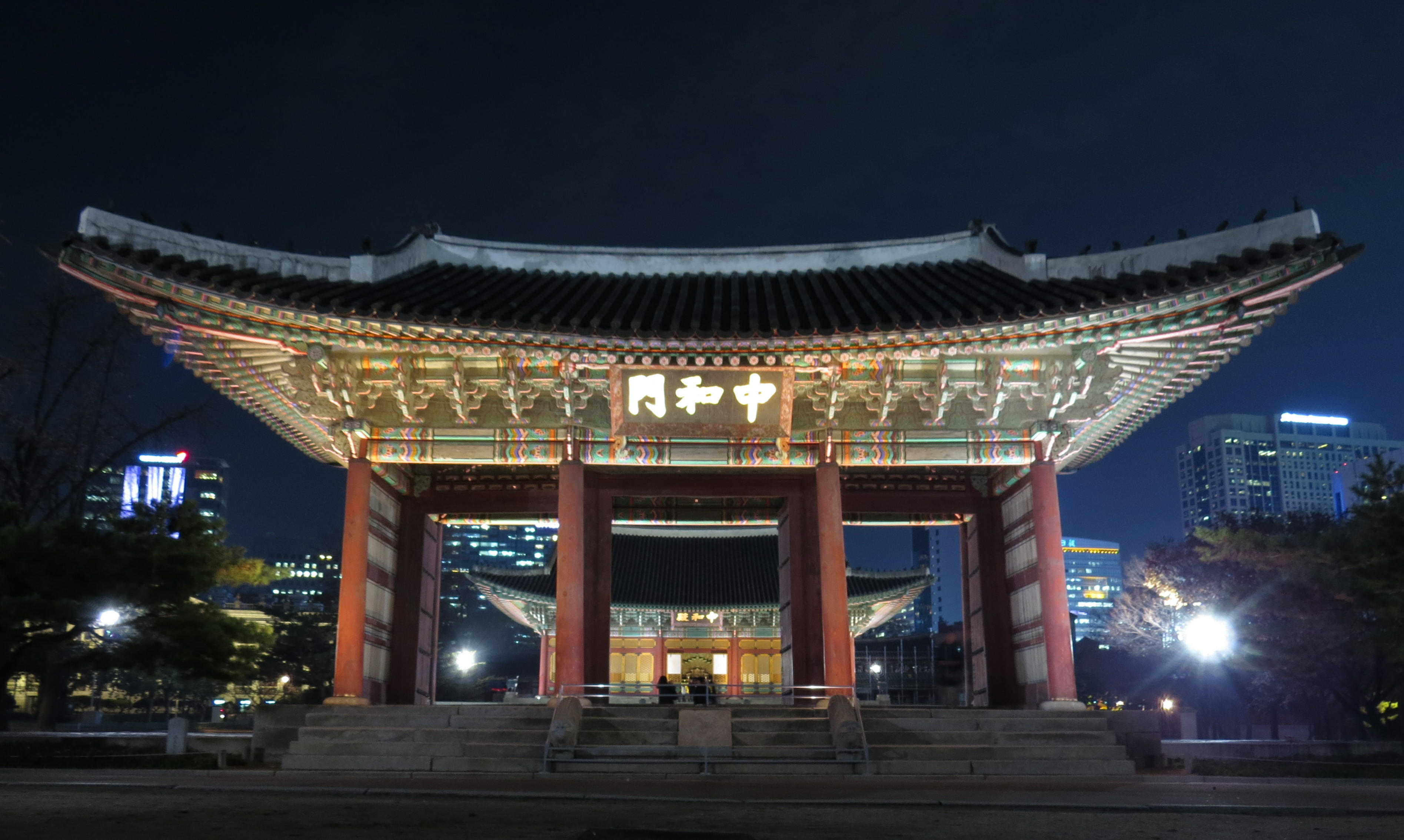
Its personality is contrast. Traditional wooden halls stand near Seokjojeon’s Western neoclassical architecture, reflecting the complicated Korean Empire period. Modern towers appear beyond palace walls. The city never fully disappears, which is exactly why the night works.
The crucial caveat is interiors. Seokjojeon, Dondeokjeon, museums, and exhibitions may close earlier or require separate reservations. Do not enter at 7:45 p.m. expecting every building to be open. Treat the late visit as a grounds-and-light experience unless the current official listing confirms more.
Deoksugung is best for:
- A first evening after arriving in Seoul.
- Travelers staying around Myeongdong, City Hall, or central Jongno.
- Couples who want a walk without a two-hour program.
- Photographers who like old-and-new city contrast.
- Anyone whose Gyeongbokgung ticket plan failed.
Arrive around sunset rather than the final entry cutoff. You want time to see the architecture change as the sky darkens, not a rushed loop while staff prepare to close.
Changgyeonggung at Night: The Quiet Choice
Changgyeonggung is the palace to choose when the word “palace” makes you imagine a garden rather than a throne.
The official current schedule lists general admission until 9 p.m., with last entry at 8 p.m. and Monday closure. Compared with Gyeongbokgung’s grand courtyards, Changgyeonggung can feel softer: more trees, ponds, slopes, and domestic palace scale.
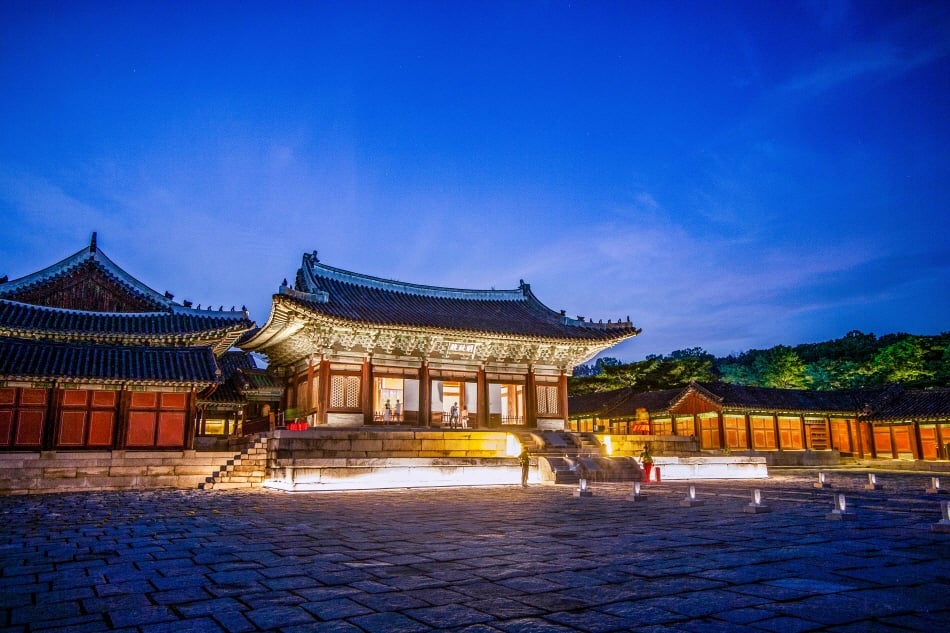
Special media-art programs such as the Moonlight Lotus Show have appeared in previous seasons, but do not assume an old schedule continues in 2026. The dependable fact is the palace’s regular evening admission. Any show, performance, or restricted-area opening needs a fresh official confirmation.
Changgyeonggung is best for:
- Travelers who prefer a slower walk and fewer iconic-photo expectations.
- Couples or solo visitors who want a calm evening.
- People pairing a daytime Changdeokgung visit with a separate night palace.
- Summer visitors who would rather walk after the strongest heat.
The main risk is underestimating darkness and distance. Some paths and garden edges are less visually obvious than a broad ceremonial courtyard. Wear stable shoes, stay on open routes, and keep enough phone battery for navigation after leaving.
Long-evening reality: Photos, map use, translation, and ticket screens drain a phone faster than expected. Compare travel power banks before a palace-heavy day, especially if the same phone holds your reservation and return route.
See travel power banks on AmazonHow to Plan the Night Without Ruining It
Use the official event page as the source of truth. Check it again on the day for weather, maintenance, security, or ceremony changes. Screenshot the reservation only after confirming that a screenshot is accepted; some systems require the live ticket or identification.
Arrive before blue hour. Night does not begin when the sky becomes black. The best transition happens while rooflines are still visible against deep blue and the lights start to separate columns, eaves, and stone.
Wear shoes that can handle stone thresholds and uneven paths. Hanbok skirts, rental bags, and photo plans make movement slower. Follow staff instructions, avoid flash where prohibited, and do not climb, lean on, or block heritage structures for a pose.
Keep the route realistic:
| Plan | Best Sequence | Why It Works |
|---|---|---|
| Easy central night | City Hall dinner → Deoksugung → stone-wall road | Low transit risk and no seasonal ticket dependency |
| Traditional Seoul day | Bukchon/Insadong → early dinner → Changgyeonggung | Moves from crowded alleys to a calmer night garden |
| Ticketed highlight | Light afternoon → early meal → Gyeongbokgung or Changdeokgung program | Protects arrival time and energy for the reservation |
| Photography night | Arrive before sunset → one palace only → late dinner | Avoids rushing between distant gates and losing blue hour |
Do not schedule two palace night programs on the same evening. The distances look manageable on a map, but entry queues, photography, walking speed, and closing times remove the margin quickly.
FAQ About Seoul Palace Night Tours
Q: Which Seoul palace is open at night without a special event?
Deoksugung and Changgyeonggung currently offer regular grounds admission until 9 p.m., with last entry at 8 p.m. Both normally close Mondays. Verify the official schedule on your visit date.
Q: Is Gyeongbokgung open every night in 2026?
No. Its normal summer hours end before night. Special evening openings operate only on officially announced dates. The first-half 2026 opening ended June 14; later dates require a new official notice.
Q: Is the Changdeokgung Moonlight Tour the same as regular admission?
No. It is a separately organized, timed, paid cultural program with a guided route and performances. The first-half 2026 program ended May 31.
Q: Can foreigners buy same-day Gyeongbokgung night tickets?
The first-half 2026 program reserved a limited same-day allocation for foreigners with identification, but future rules can change. Read the current event notice rather than assuming the same policy.
Q: Is palace entry free when wearing hanbok?
Qualifying hanbok wearers can receive free general admission under official guidelines, and some night-opening notices extend that benefit. The clothing must meet the guideline, and special programs may use separate rules.
Q: What happens if it rains?
Some outdoor night openings continue in rain; the 2026 first-half Gyeongbokgung notice explicitly said it would. Special performances or access can still change for safety, so check the official notice and bring weather protection.
Sources
You Might Also Like
Seoul Palaces Free on Wednesdays in 2026: Deoksugung Since 5 August, Changdeokgung, Changgyeonggung and Jongmyo From 7 October — Gyeongbokgung Still Only the Last Wednesday
Korea made every Wednesday Culture Day in April 2026, and the palace office is phasing in free entry: royal tombs since 27 May, Deoksugung since 5 August, three more from 7 October. Gyeongbokgung has no date. English guides get it wrong both ways.
Seoul Night Picnic Guide 2026: Hangang, Ramen, Chicken, Ice Cups
A Hangang night picnic runs on two numbers: about ₩4,800 for ramyeon from the convenience-store cooker and ₩1,000 for a Ttareungi day pass. Which park to pick, what to buy, Banpo fountain timing, and the rules that matter.
Hanbok Rental in Seoul: Palace Photos and Etiquette
Plan hanbok rental in Seoul in 2026 with palace photo routes, free-entry expectations, etiquette, rental timing, and tourist mistakes.