Korean Dating Rules: Sogaeting, 100 Days, and What a Seoul Date Costs
Korean dating rules can feel confusing because the surface looks familiar while the social timing feels different. A coffee date is still a coffee date. A couple still texts, eats, walks, argues, and wonders what the other person means. But the Korean dating ecosystem has its own vocabulary: sogaeting, meeting, 100-day anniversaries, couple items, profile photos, group chats, fast messaging rhythms, and a growing fatigue with dating apps.
This guide is not about turning Korean relationships into stereotypes. It is about helping outsiders understand why certain behaviors feel normal in Korea and strange elsewhere. Dating is private, but the culture around dating is very visible.
It is also getting expensive, and that is changing the scripts. In a May 2026 survey of 1,485 Koreans in their twenties and thirties, the most common spend per date was ₩50,000–100,000 — but the amount people said they could pay without strain was ₩30,000–50,000. That gap is why the first 소개팅 has quietly moved from a restaurant to a cafe.
| What | Korean | What it costs (Sept 2026) |
|---|---|---|
| Typical spend per date | 데이트 비용 | ₩50,000–100,000 — chosen by 52.5% of men, 52.7% of women |
| What feels affordable | 부담 없는 금액 | ₩30,000–50,000 — 42% of men, 39.1% of women |
| Budget cafe coffee | 메가커피 아메리카노 | ₩1,700 hot / ₩2,000 iced |
| Chain cafe coffee | 스타벅스 아메리카노 (tall) | ₩4,700 |
| Cinema ticket, 2D | 영화 관람료 | ₩14,000 weekday / ₩15,000 weekend |
| Escape room, 2 people | 방탈출카페 | ₩19,000 weekday / ₩24,000 weekend (Hongdae example) |
Quick Answer: What Makes Korean Dating Different?
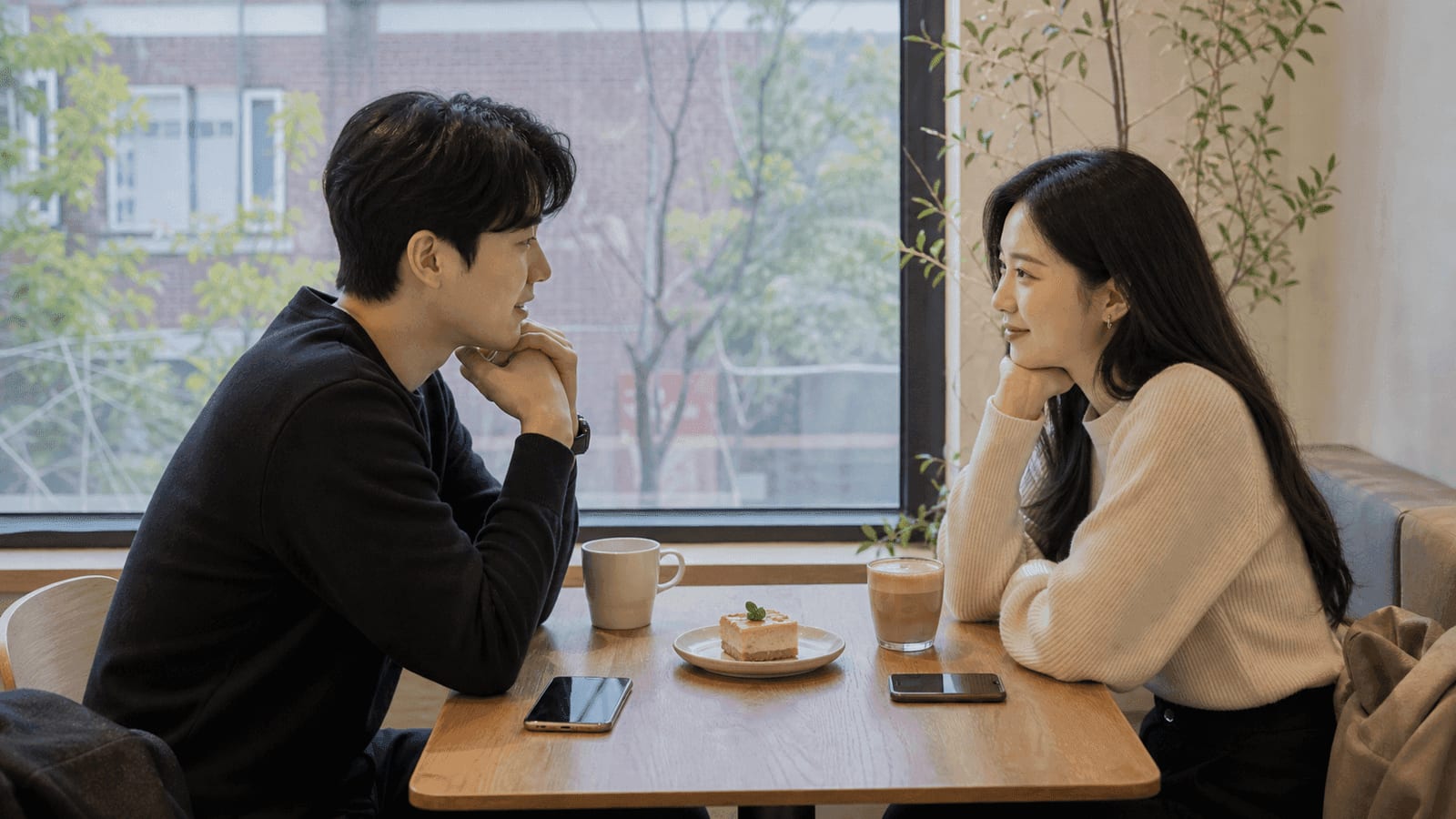
Korean dating often feels more socially structured than casual Western dating because introductions, texting speed, couple milestones, public couple identity, and friend-group awareness can matter early. Sogaeting, or an introduced blind date, is still important. Many couples mark 100 days. Couple rings and matching items are common. Dating apps exist, but app fatigue pushes many people back toward introductions, activities, and offline social circles.
Not everyone follows these rules. Seoul has every kind of dater: traditional, casual, private, international, app-heavy, commitment-focused, and completely uninterested. But if you understand the common scripts, the culture becomes easier to read.
The one thing almost everyone now shares is cost pressure. In the same 2026 survey, about 70% said their dating costs had risen over the previous one to two years — and roughly half said they had risen a lot (47.1% of men, 50.5% of women). This is not background colour. It has changed where first dates happen and how long they last.
Lonely Planet Korean Phrasebook & Dictionary — on AmazonAffiliate link. As an Amazon Associate, EpicKor earns from qualifying purchases at no extra cost to you.
Sogaeting: The Introduction Still Matters
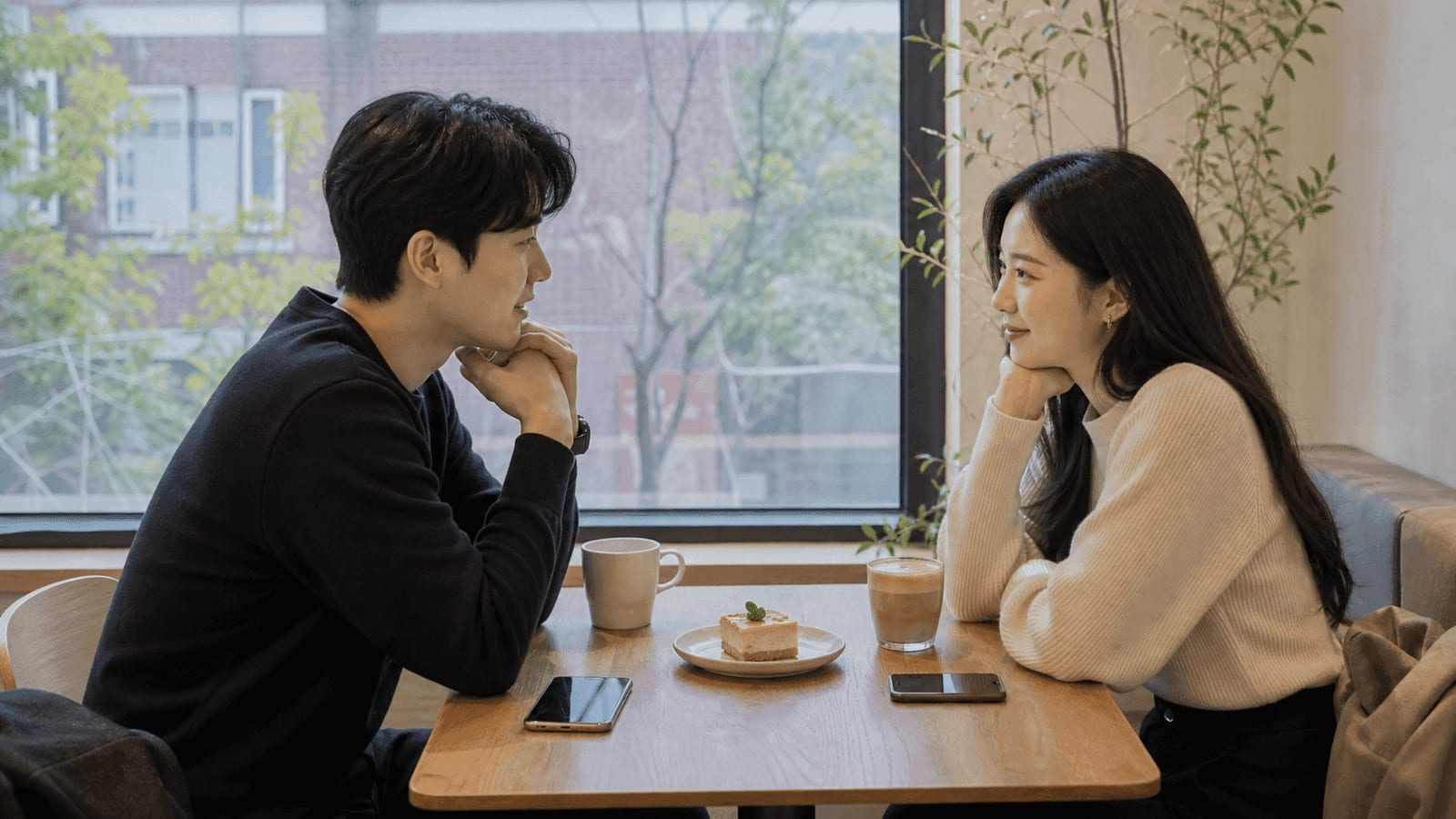
Sogaeting (소개팅) is usually translated as a blind date, but that translation misses the social logic. It is not always completely blind. A friend, classmate, coworker, or acquaintance introduces two people who might fit. The point is not only romance. It is filtering.
In a dense city with busy schedules and real concerns about safety, reputation, and time, an introduction can feel more trustworthy than a random app match. The person who introduces you creates a thin layer of social accountability. That does not guarantee chemistry, but it changes the starting mood.
The typical sogaeting date is not dramatic. It may be coffee, dinner, or a simple drink. The key is polite effort. Show up on time, dress with care, ask normal questions, avoid oversharing too fast, and do not treat the date like an interview even if it slightly feels like one.
What has changed by 2026 is the venue, and the reason is money. Korean matchmakers describe the shift plainly: where a first meeting used to default to a restaurant, people now meet at a cafe first and only move on to dinner as a second stop if it is going well. Read it as a courtesy rather than a snub. A cafe 소개팅 costs both people about ₩5,000–10,000 and can end in forty minutes without anyone having paid for a meal they did not want. If you are invited to coffee rather than dinner, that is the current default, not a downgrade.
Dating Apps And Offline Fatigue
Korea has dating apps (데이팅 앱, commonly just 어플) — Wippy, Amanda, Noondate, Glam, plus Tinder and Hinge. But app fatigue is real. Endless swiping, unclear intent, filtered profiles, and shallow conversation make many people want another path. That is one reason activity-based social scenes matter more: running crews, language exchanges, hobby classes, church groups, alumni networks, friend introductions, and workplace-adjacent circles.
The apps themselves now publish the cost problem. The 2026 figures above come from Wippy (위피), run by the Korean company Enlize, surveying its own users — and Hinge's analysis of its date-suggestion feature found the highest demand sitting on the cheap end: coffee or a drink, a walk in a park, board games. When the dating platforms are steering people toward free walks, the trend is not a niche one.
This connects to EpicKor's Seoul running crew culture guide. A run club is not officially a dating service, but it can reduce the pressure of a first meeting. You see how someone behaves in a group, whether they show up consistently, and whether conversation feels natural after the activity.
The 100-Day Anniversary
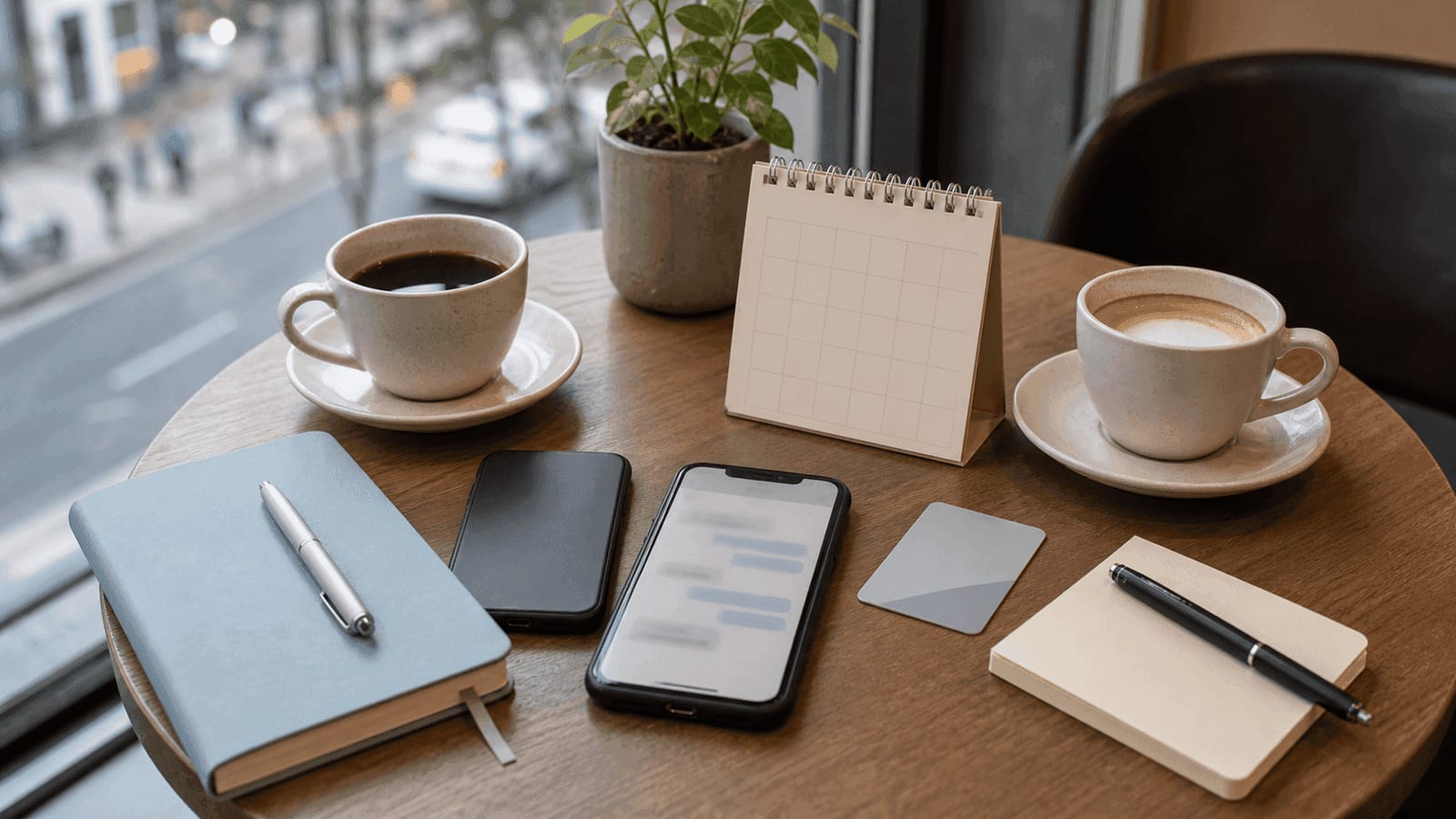
The 100-day anniversary (백일, baegil) is one of the most famous Korean dating markers. It is not a legal or universal rule, but it is common enough that many foreigners notice it quickly. A couple may celebrate with dinner, photos, a small gift, flowers, matching items, or a handwritten note.
Why 100 days? In Korean culture, 100-day milestones appear in several contexts, including babies and achievement rituals. In dating, the 100-day point gives a relationship a visible early marker. It says: this was not just a few dates. We made it through the first stretch.
Some couples care deeply. Some barely mention it. Some think it is sweet. Some find it childish. The safest interpretation is this: if you are dating someone Korean, ask how they feel about milestones before assuming they are meaningless.
Couple Items: Cute, Public, And Practical
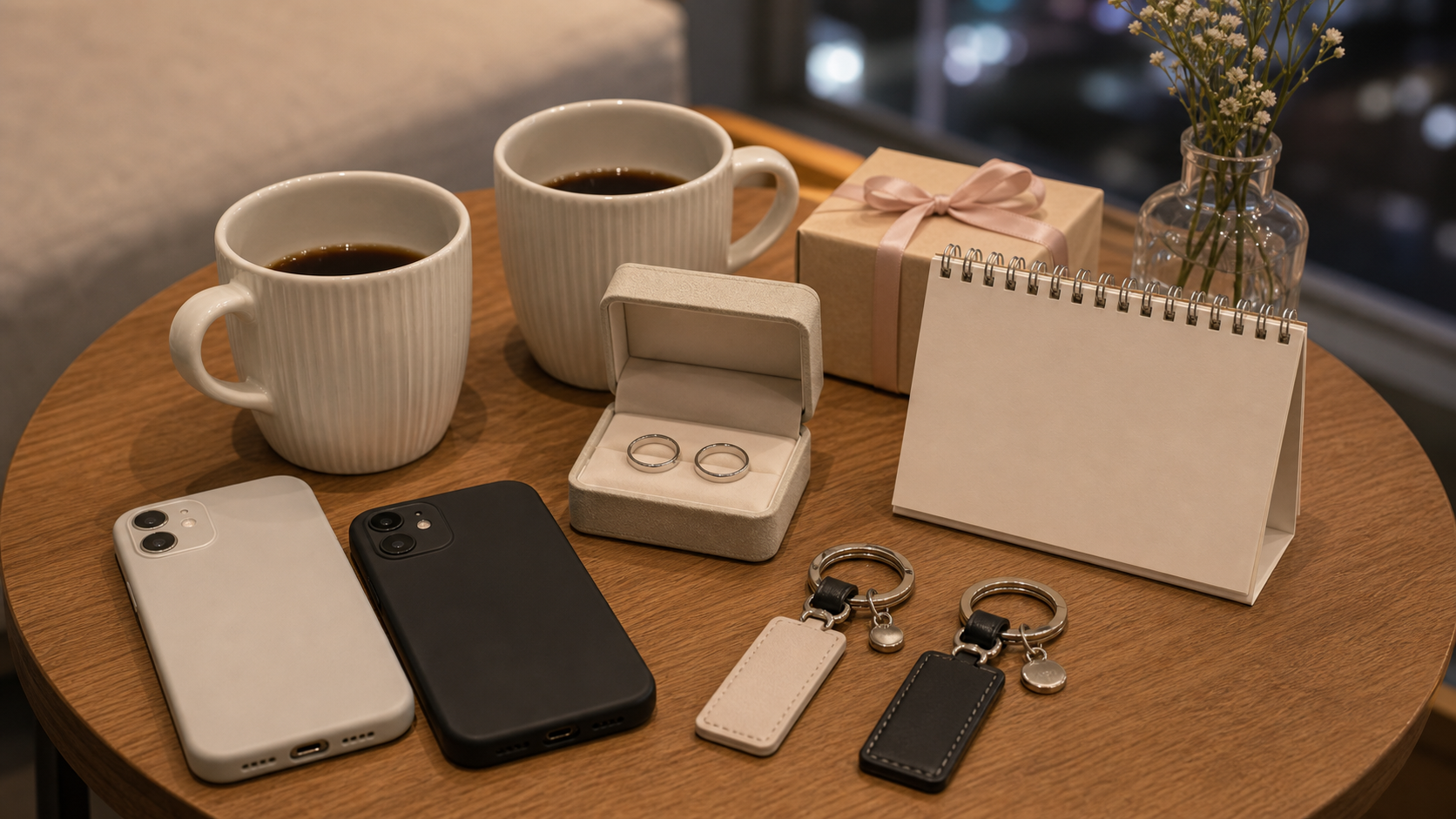
Couple items (커플템, a clipped form of 커플 아이템) can include rings, phone cases, keychains, shoes, hoodies, pajamas, mugs, bracelets, or photo strips. Outsiders sometimes read them as childish, but that misses the social signal. Couple items make the relationship visible in a culture where public couple identity can be quite normal.
This does not mean every Korean couple wears matching outfits. Many do not. But the idea of shared objects is familiar. Four-cut photo booths, profile photos, and couple accessories all fit the same logic: dating is private, but the proof of being a couple can be public.
If you want to understand that visual side, read EpicKor's Seoul self photo studio guide and Seoul personal color analysis guide. Korea is very good at turning identity into images. Dating is part of that.
| Dating Feature | What It Means | What Not To Assume |
|---|---|---|
| Sogaeting | Introduced first date through a social connection | That marriage is already expected |
| 100 days | An early relationship milestone | That every couple celebrates the same way |
| Couple items | Visible shared identity | That the relationship is immature |
| Fast texting | Attention and interest can be signaled quickly | That everyone expects instant replies all day |
Texting Speed And Ambiguity
Korean communication culture can make texting feel intense. In some dating contexts, quick replies signal interest. Delayed replies can create anxiety. Read receipts, message tone, emoji use, and whether someone sends a good-morning or good-night text can carry meaning.
This is not a universal rule. Adults with demanding jobs cannot reply instantly. Some people hate constant texting. International couples may negotiate different habits. Still, compared with cultures where slow replies are treated as normal, Korean dating can feel more responsive and more emotionally monitored.
The best approach is direct but gentle. If you are not a fast texter, say so early. If you prefer calls, say that. If you are unsure whether a relationship is exclusive, ask instead of guessing from message frequency.
Money, Planning, And What It Actually Costs
Korean date planning values visible effort. That does not mean expensive restaurants. It means choosing a place, checking the route, making a reservation if needed, and not making the other person solve every detail.
But effort now runs into arithmetic, and the arithmetic is the most useful thing an outsider can know.
The gap between what people spend and what they can afford is the whole story. In Enlize's May 2026 survey of 1,485 Wippy users in their twenties and thirties, the most-chosen spend per date was ₩50,000–100,000, picked by 52.5% of men and 52.7% of women. The most-chosen comfortable figure was ₩30,000–50,000. People are routinely spending roughly double what they say they can carry.
The consequences show up in the same survey, and they are not small:
- 29.5% of men and 38.6% of women said they had given up on dating at some point because of cost.
- 8.6% of men and 17.9% of women said they had actually broken up with someone to reduce the financial strain.
That second number deserves a pause. Nearly one in five Korean women in the sample reported ending a relationship over what dates cost.
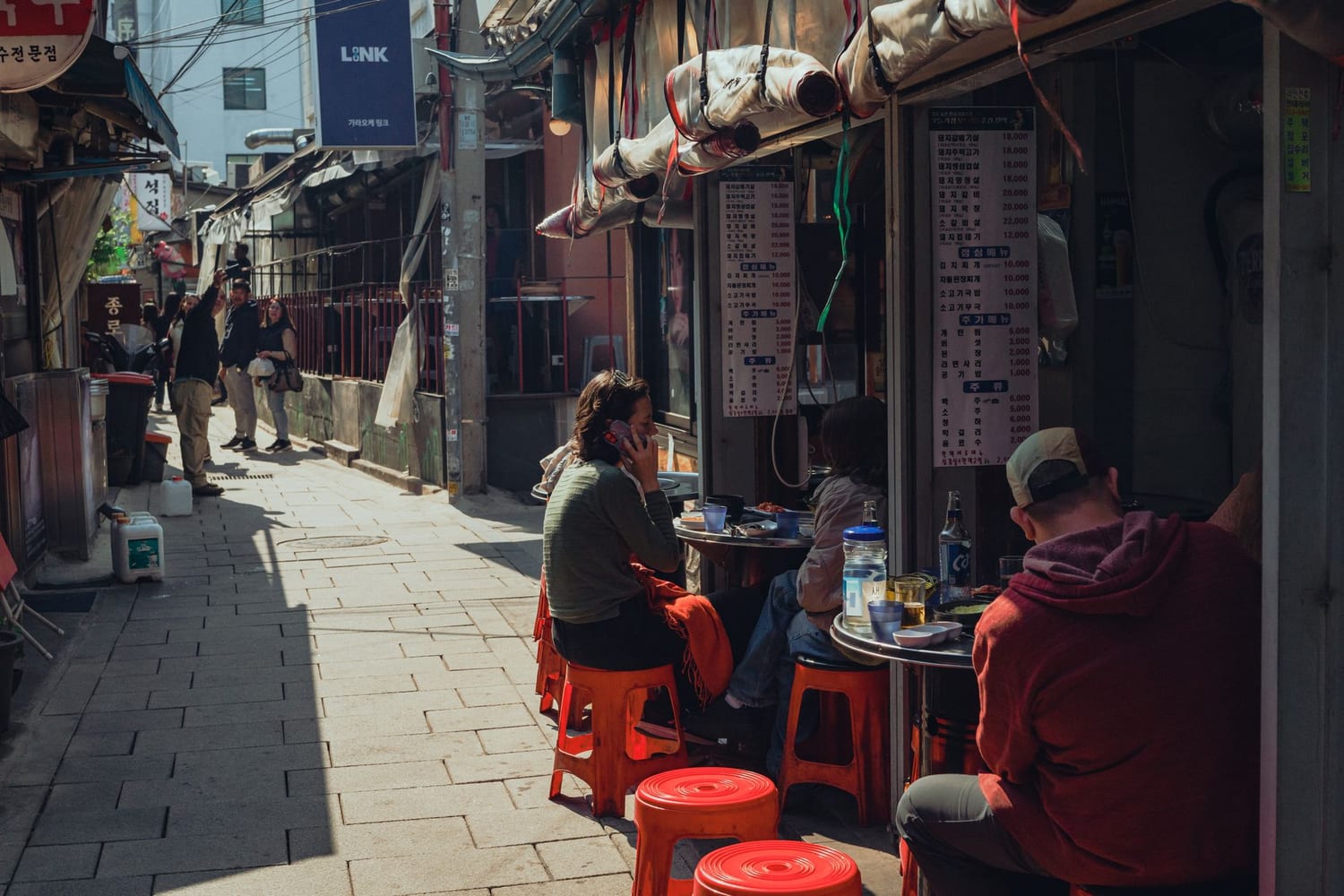
How to price a date before you commit to it. Using September 2026 numbers: two coffees at a budget chain like 메가커피 run about ₩3,400–4,000 total; the same two at Starbucks are ₩9,400. A 2D cinema ticket is ₩14,000 on a weekday and ₩15,000 at the weekend, so a film for two is ₩28,000–30,000 before snacks. A two-person escape room (방탈출카페) in Hongdae runs ₩19,000 on a weekday and ₩24,000 at weekends. Grilled pork for two with drinks is the item that pushes an evening past ₩50,000.
Who pays is genuinely unsettled, and you should not guess. Some couples split (더치페이), some alternate rounds, some run a shared 데이트 통장 — a joint account both people pay into monthly — and some still follow older expectations where the man covers the larger bill. Transfers between banking apps are instant and normal, so "I'll get this one, you get coffee" is easy to execute. The polite move is to offer, watch what the other person does, and talk about it naturally if the relationship continues.
The honest warning: do not treat the cheap-date trend as licence to put in no effort. The survey shows people cutting spending, not cutting care. A well-chosen ₩30,000 evening — a walk along the Han, a board-game cafe, street food — reads as thoughtful. The same ₩30,000 spent carelessly reads as indifference. Effort is still the currency; money is just no longer a substitute for it.
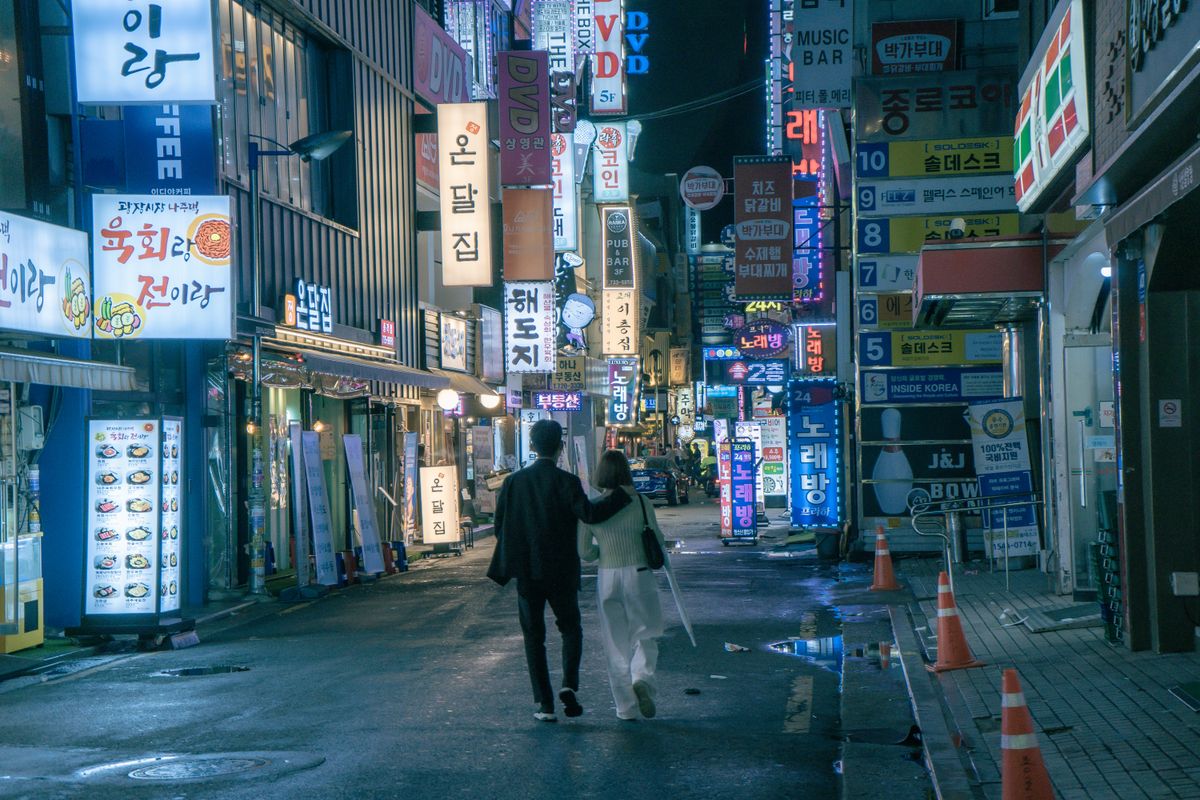
What Foreigners Usually Misread
Foreigners often misread Korean dating in two opposite ways. One group thinks everything is traditional and serious. Another thinks everything is cute and performative. Both are too simple.
Modern Korean dating is mixed. A person can celebrate 100 days and still be independent. A couple can wear matching rings and still have a private relationship. Someone can use dating apps and still prefer a friend introduction. A sogaeting can be polite and go nowhere. A casual coffee can turn serious quickly.
The real pattern is social calibration. People read signals, timing, friends, family expectations, job schedules, money, and public identity. Dating is not only about two individuals. It often sits inside wider social awareness.
International Dating Adds Another Layer
International dating in Korea can be rewarding, but it adds translation issues that are not only about language. A phrase can translate correctly and still carry the wrong emotional weight. A slow reply can mean work pressure, not rejection. A polite "let's eat sometime" can be casual friendliness, not a real date plan. A direct Western-style conversation can feel refreshingly clear to one person and too blunt to another.
The safest approach is to separate curiosity from assumptions. Ask what a term means. Ask whether a milestone matters. Ask how the other person prefers to communicate. Do not use a TikTok summary as a rulebook for a real person. Korean dating culture gives you patterns, not permission to flatten someone into a stereotype.
Family and friends may also matter differently depending on age and relationship seriousness. Meeting friends can be casual in one case and meaningful in another. Talking about parents can be normal background in one relationship and a serious signal in another. Context matters more than any single rule.
If you are visiting Korea for a short time, be honest about that. A local person may be open to a temporary connection, or they may not want to invest in someone leaving next week. Avoid letting the exotic feeling of Seoul turn into unclear expectations. Clear timing is kinder than romantic ambiguity.
Red Flags Are Still Red Flags
Culture explains behavior, but it does not excuse bad behavior. Fast texting does not mean someone can demand your location all day. Couple items do not mean you should accept pressure before you are ready. Sogaeting does not mean you owe the introducer a second date. Paying for dinner does not buy control.
The same applies in reverse. Do not use "I am foreign" as an excuse to ignore boundaries, punctuality, or basic respect. If you do not understand something, ask. If you are uncomfortable, say so. If the relationship becomes controlling, leave the cultural explanation behind and treat it as a boundary problem.
This is why a useful Korean dating guide should avoid both fantasy and cynicism. The culture has charming rituals, practical social filters, and intense communication habits. It also has normal human confusion. The point is not to master a script. The point is to read the room without losing your own standards.
FAQ
Q: What is sogaeting in Korean dating?
Sogaeting is an introduced date, often arranged by a friend or acquaintance. It gives both people a small layer of social filtering before they meet, but it does not mean the relationship is already serious.
Q: Do Korean couples really celebrate 100 days?
Many do, especially younger couples, but not all. Some celebrate with dinner, photos, small gifts, or couple items. Others treat it casually. The best move is to ask what your partner expects.
Q: Are couple rings normal in Korea?
Yes, couple rings and other matching items are familiar in Korean dating culture. They do not always mean engagement. They usually mean the couple wants a visible symbol of being together.
Q: Is dating in Korea app-based now?
Dating apps are common, but introductions, friend networks, hobby groups, school ties, work-adjacent circles, and activity-based meetups still matter. App fatigue has made offline context feel more valuable for many people.
Q: How much does a date in Seoul cost in 2026?
Most people spend ₩50,000–100,000, according to a May 2026 survey of 1,485 Koreans in their twenties and thirties. The amount the same people called comfortable was ₩30,000–50,000. Concretely: two budget-chain coffees are about ₩3,400, two cinema tickets ₩28,000–30,000, a two-person escape room ₩19,000–24,000, and grilled pork with drinks for two comfortably clears ₩50,000.
Q: Should I pay for the whole date in Korea?
There is no single rule any more. Splitting (더치페이), alternating rounds, and shared date accounts (데이트 통장) all coexist with the older expectation that a man covers the bigger bill. Offer, watch what the other person actually does, and raise it directly if you keep seeing each other. Instant bank transfers make splitting frictionless in Korea.
Q: Why is a first sogaeting usually just coffee now?
Cost. Korean matchmakers report that first meetings have moved from restaurants to cafes, with dinner kept as an optional second stop. A cafe meeting costs each side roughly ₩5,000–10,000 and can end politely in under an hour. Being invited for coffee is the current default, not a sign of low interest.
Q: Do Koreans really break up over dating costs?
Some do. In the 2026 Wippy survey, 29.5% of men and 38.6% of women said they had given up on dating at some point because of cost, and 8.6% of men and 17.9% of women said they had ended a relationship to reduce the strain. Around 70% said their dating costs had risen over the previous one to two years.
Sources Checked
- Enlize / Wippy (위피) dating-cost survey, 1,485 users in their twenties and thirties, released 13 May 2026 — spend bands, comfortable-spend bands, the ~70% who reported rising costs, and the give-up and break-up figures.
- Munhwa Ilbo, 24 July 2026 — the "value-for-money date" trend, and Hinge's analysis of its date-suggestion feature showing demand concentrated on coffee, park walks and board games.
- Korean matchmaking coverage, June 2026 — the shift of first meetings from restaurants to cafes, with dinner as an optional second stop.
- Current retail prices, September 2026 — Mega Coffee americano ₩1,700 hot / ₩2,000 iced; Starbucks americano (tall) ₩4,700; 2D cinema standard pricing at Korea's three major multiplex chains ₩14,000 weekday / ₩15,000 weekend; Seoul Escape Room Hongdae two-person booking ₩19,000 weekday / ₩24,000 weekend and holidays.
- Price board photographed in a Jongno alley (Pexels 31680626) — read at full resolution for the caption figures.
Prices move. Check the current figure before you plan around it — the ones here were verified in September 2026.
You Might Also Like
Korea's Pet Funeral Industry: How Koreans Say Goodbye to Their Pets
Korea's pet funeral industry has grown from 7 registered businesses to nearly 90 in a decade, reflecting a real shift in how pets are treated after death.
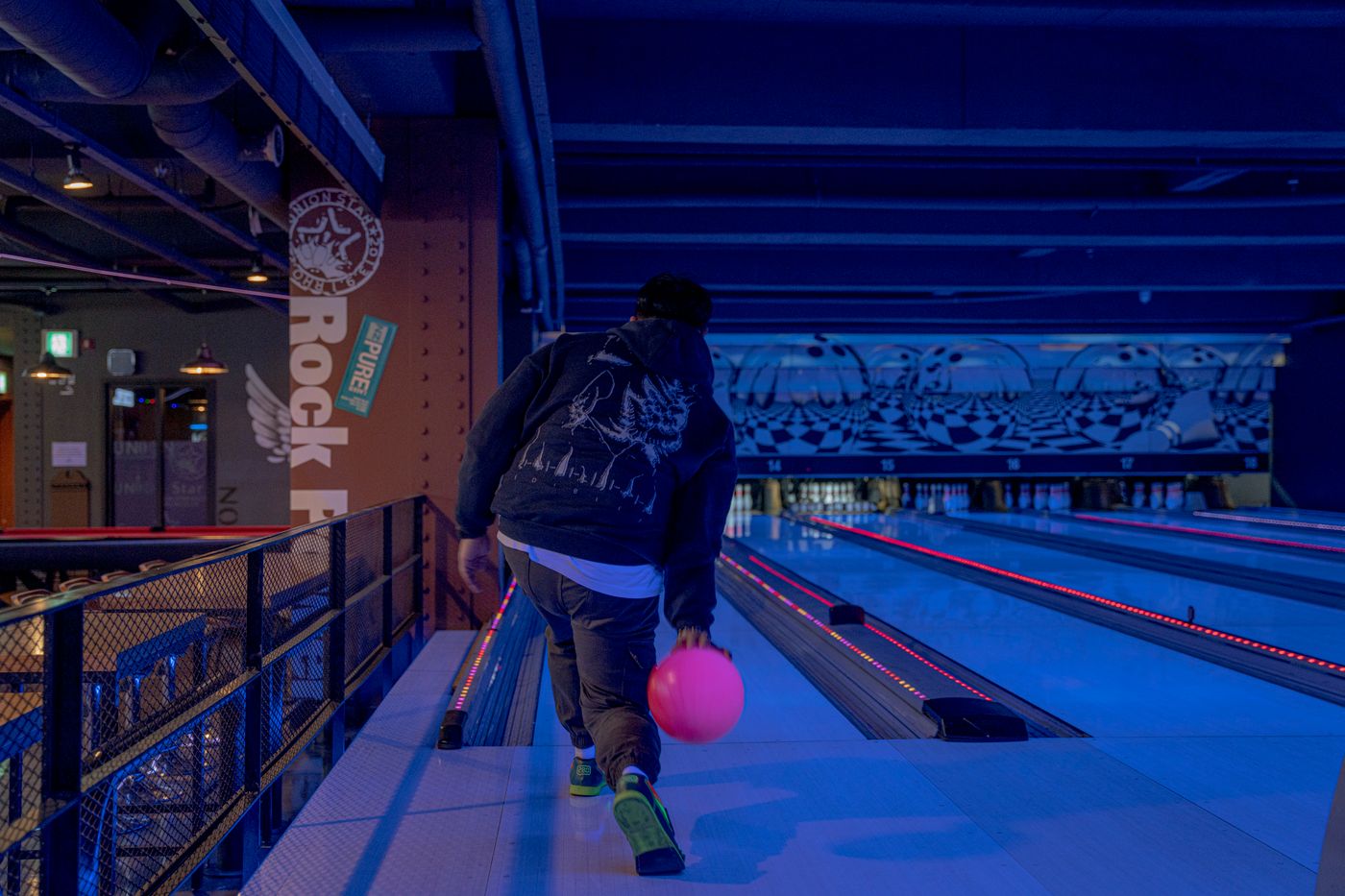
Korean Screen Sports 2026: Golf, Bowling, And VR
A guide to Korean screen sports culture: screen golf, screen baseball, bowling, VR arcades, indoor dates, etiquette, prices, and what to try.
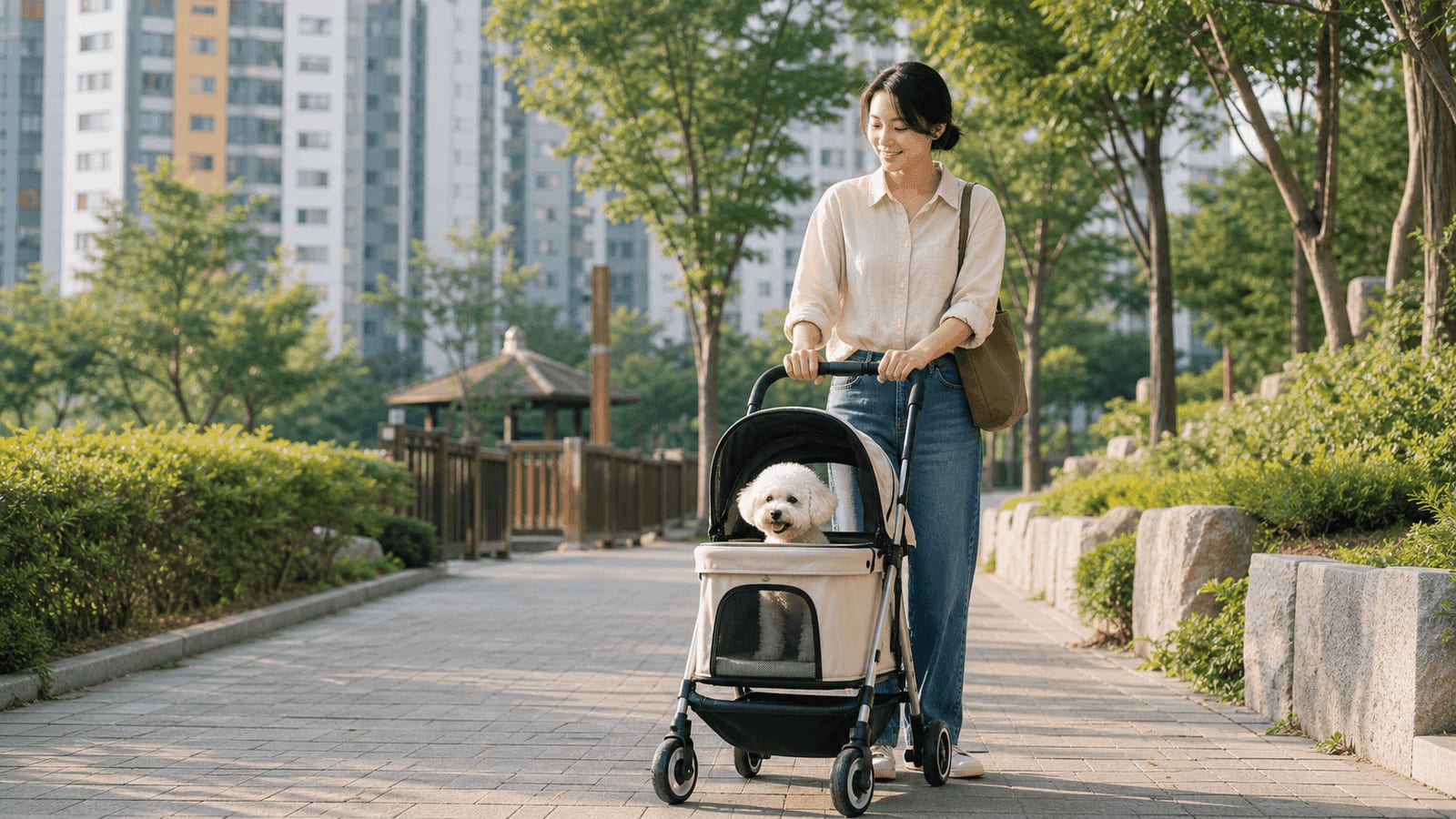
Korean Pet Parent Culture 2026: Dog Strollers And Cafes
A guide to Korean pet parent culture in Seoul: dog strollers, pet cafes, apartment etiquette, travel gear, and why pets feel like family.