Korean Military Service Explained: BTS, Timelines, and Daily Life
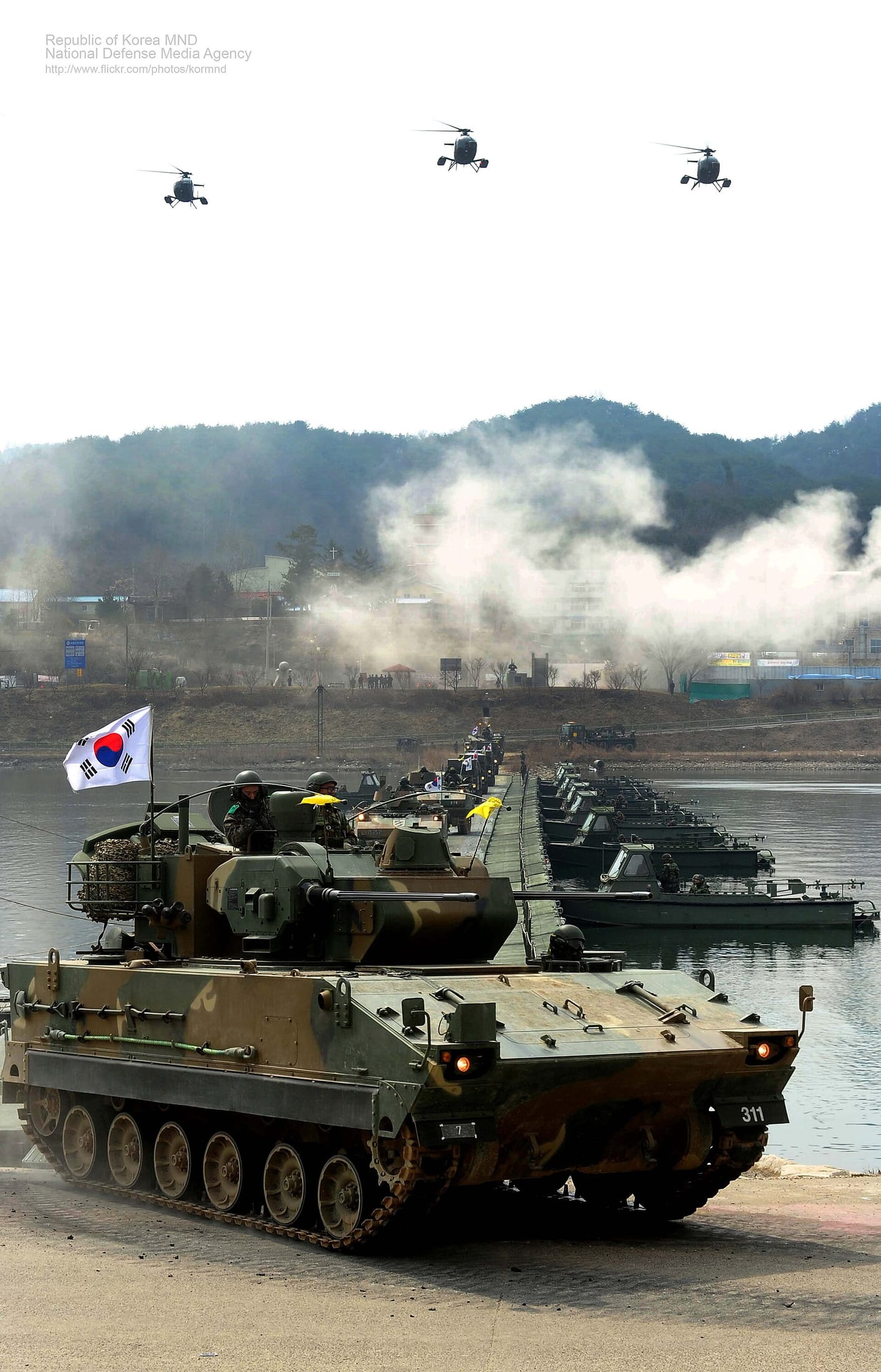
Korean military service became a global conversation when every BTS member enlisted, but the system affects far more than celebrity schedules. For many South Korean men, service changes the timing of university, work, relationships, and travel. Families plan around enlistment dates, employers recognize military experience on a resume, and friends compare units long after discharge.
For idol-specific context, read EpicKor's BTS guide and BTS V military service guide alongside this military-service overview.
The first update any 2026 guide needs is simple: all seven BTS members completed their required service by June 2025. The story is no longer about whether they will enlist. It is about what their staggered service revealed to international fans: Korea has several service categories, different branch lengths, rules for postponement, and a public expectation that famous people follow the same legal process unless a specific exemption applies.
Korean culture and history books — compare on AmazonAffiliate link. As an Amazon Associate, EpicKor earns from qualifying purchases at no extra cost to you.
The Short Answer: Who Serves and for How Long
South Korea's Military Service Act imposes obligations on male citizens, with classification and assignment determined through the Military Manpower Administration process. Not every eligible person follows the same route. Depending on physical classification and legal criteria, a person may enter active duty, social service, alternative service, a specialized personnel program, reserve-related categories, or receive an exemption.
The official 2026 Military Manpower Administration guidance lists active-duty terms of 18 months for the Army and Marine Corps, 20 months for the Navy, and 21 months for the Air Force. Those are standard enlisted service periods, not a promise that every individual's administrative timeline will be identical.
| Service Category | Standard Period | Basic Context | Important Caveat |
|---|---|---|---|
| Army | 18 months | Largest active-duty route | Includes basic training and unit assignment |
| Marine Corps | 18 months | Volunteer application within active duty | Selection and training differ from the Army |
| Navy | 20 months | Ship, shore, and technical roles | Recruitment requirements vary by specialty |
| Air Force | 21 months | Often competitive for technical roles | Longest standard active-duty branch term |
| Social service personnel | 21 months | Public-service placement for eligible classifications | Not the same daily structure as active duty |
| Alternative service | 36 months | Separate legal route under specific eligibility | Do not confuse it with ordinary postponement |
Service rules can change, and individual status is a legal matter. The Military Manpower Administration, not a fan account or old blog post, is the correct source for a specific case.
From Examination to Enlistment
The process begins with military-service registration and a draft physical examination. The examination considers health and other eligibility factors, then assigns a classification that influences the route. Students can receive postponements within legal age and education limits, which is why many Korean men finish part of university before serving.
Postponement is not exemption. It moves the timing; it does not erase the underlying obligation. Overseas residence and dual-nationality situations have separate rules, and affected families should use official consular and MMA guidance rather than assuming that living abroad automatically ends the requirement.
Active-duty applicants may select or apply for dates and specialties through formal systems, while assignment ultimately depends on branch needs and eligibility. Army recruits generally complete basic military training before being allocated to a unit. A widely repeated phrase such as "everyone goes for exactly 18 months" ignores the branch and service-category differences.
Understand the system in context: As an Amazon Associate, EpicKor may earn from qualifying purchases. Compare Korean culture and history books for background on division, national security, democratization, and the society in which conscription operates.
What BTS Changed About the Public Conversation
BIGHIT MUSIC announced in October 2022 that the members would move forward with plans to fulfill military service. Jin enlisted first, and the remaining members followed on different schedules. RM, V, Jimin, and Jung Kook completed active service in June 2025; SUGA completed his social-service obligation later that month. By June 21, 2025, all seven had completed their required service.
That sequence corrected several misconceptions. First, military service is not always one shared barracks experience. Members served in different units and, in SUGA's case, a different service category. Second, discharge is an administrative milestone, not a public fan event. BIGHIT repeatedly asked fans not to gather at military sites because those locations are for personnel and families and have limited space.

The exemption debate also needs precision. Korean law includes special provisions for certain athletes and classical artists who meet defined achievements, but global popularity alone has not functioned as a general pop-star exemption. Parliament did expand postponement possibilities for some recognized popular-culture artists, which affected timing, not the final duty.
BTS did not prove that "no celebrity ever receives special treatment." Korea has legal categories and public controversies around fairness. What their case demonstrated was that the company and members ultimately used the standard military-service framework, with the public closely watching whether the process appeared consistent.
For a broader account of fan objects and how K-pop identity travels, see our K-pop photocard guide.
What Daily Military Life Actually Looks Like
Daily life depends on branch, unit, assignment, training cycle, rank, and current policy. A recruit's first weeks are more standardized: uniforms, physical training, weapons safety, drills, first aid, military customs, and adapting to communal living. After assignment, the routine can range from field training and guard duty to maintenance, administration, communications, driving, cooking, or technical work.
The stereotype that every day is continuous combat training is wrong. So is the opposite stereotype that modern service is simply an office job with uniforms. Soldiers operate within a hierarchy, live with limited personal control over time, and can face physically and emotionally demanding conditions even in support roles.
Phone access has expanded compared with older generations, but it is regulated rather than unlimited. Enlisted soldiers generally use personal phones during authorized off-duty periods under unit rules. Security restrictions apply, cameras can be controlled in sensitive locations, and access may change during exercises or disciplinary situations.
| Topic | What Visitors Often Hear | More Accurate Explanation |
|---|---|---|
| Phones | "Soldiers can use phones now" | Use is limited to authorized periods and security rules |
| Leave | "They cannot come home for 18 months" | Leave exists, but timing depends on training, unit schedules, and approval |
| Pay | "Service is unpaid" | Enlisted personnel receive monthly pay, and policy has increased support |
| Jobs | "Everyone is an infantry soldier" | Roles include combat, technical, medical, logistics, driving, and administration |
| Discharge | "Duty ends forever" | Many former active-duty personnel enter reserve obligations after discharge |
Military pay has risen substantially over time, and savings programs can add government support when conditions are met. Exact monthly figures and account benefits change through budgets and policy, so they should be checked on current Ministry of National Defense or MMA pages rather than copied from an old chart.
Families, Careers, and the Social Meaning of Service
The most visible cost of conscription is time. Eighteen to twenty-one months arrives when many people are entering university or starting work. Some serve immediately after high school, many pause university, and others enlist after beginning a career. There is no single socially correct schedule.
The interruption shapes Korean age-group conversations. Two people of the same age may graduate years apart because one served, changed majors, studied abroad, or waited for a preferred enlistment date. Employers and universities understand the pattern, but that does not eliminate lost income, delayed experience, or stress.
Families often mark enlistment and discharge with meals and photos. Friends send care packages within current unit rules. Couples negotiate long separations and restricted schedules. These ordinary adjustments explain why military stories remain common among Korean men long after service.
It is important not to romanticize that bond. Some veterans feel pride, some frustration, and many both. Discussions about barracks culture, mental health, accidents, harassment, compensation, gender, and fairness are active political and social debates. "Rite of passage" describes a cultural framing; it should not silence criticism of the system.
Reserve Duty and Life After Discharge
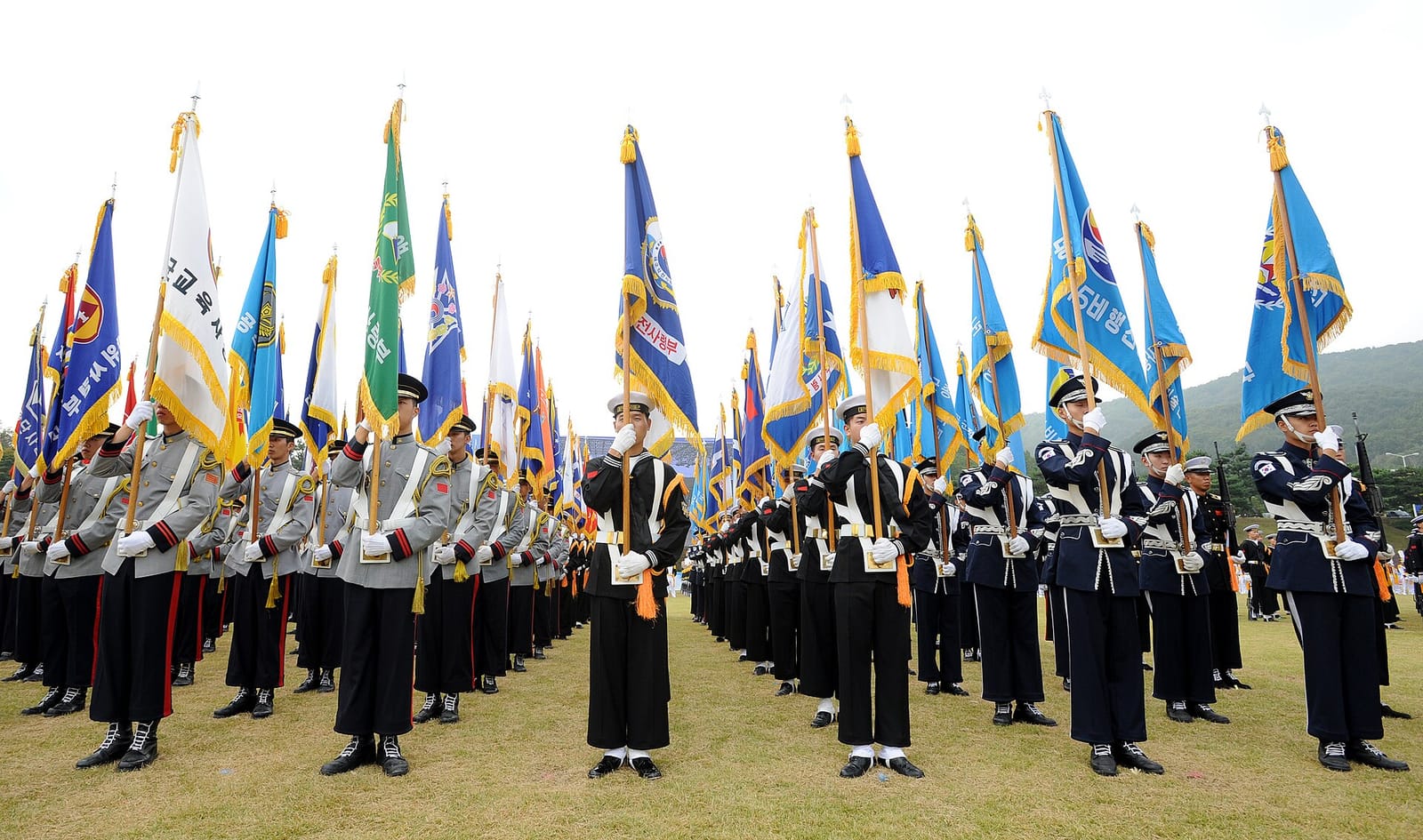
Finishing active duty does not necessarily end military obligations. The MMA overview lists an eight-year reserve period after service for relevant personnel. Training frequency and format depend on reserve year, status, and policy.
That is why Korean workplaces and universities may encounter short reserve-training absences. Former soldiers receive notices and attend scheduled sessions, often returning to familiar drills or civil-defense preparation. The reserve system keeps military service present in adult life without recreating full-time enlistment.
Conversations about units can function like a shared vocabulary, but visitors should avoid assuming every Korean man served or enjoyed service. Health classifications, citizenship histories, alternative routes, exemptions, and personal experiences differ. Asking "Where did you serve?" can be normal among close friends, yet intrusive as an opening question.
For fans following the post-service era: If you buy fan supplies, compare K-pop and K-drama fan goods carefully for official licensing, seller details, and storage quality rather than assuming every listing is official merchandise.
How International Fans Can Be Respectful
Do not visit enlistment or discharge sites unless an official public event explicitly invites attendance. Do not circulate a soldier's location, unit schedule, private photographs, or identifying information. Military sites have security requirements, and crowds can interfere with personnel and families.
Use official artist notices for schedules. Avoid interpreting every uniform photo as promotional content or every service detail as something fans are entitled to know. A celebrity remains subject to workplace rules and personal privacy during service.
The same principle applies beyond BTS. Military service is a legal and personal experience, not a themed attraction. Visitors can learn about Korea's security history through museums and official public sites without treating active bases or individual soldiers as fan destinations.
FAQ
Q: How long is mandatory military service in South Korea in 2026?
The MMA lists 18 months for the Army and Marine Corps, 20 months for the Navy, and 21 months for the Air Force. Other service categories have different periods.
Q: Have all BTS members completed military service?
Yes. All seven members completed their required service by June 21, 2025.
Q: Do all Korean men serve as active-duty soldiers?
No. Classification and legal criteria can lead to active duty, social service, alternative service, specialized personnel programs, or exemption.
Q: Can Korean soldiers use smartphones?
Generally during authorized off-duty periods, subject to unit policy and security restrictions. It is not unrestricted access throughout the day.
Q: Are K-pop stars automatically exempt?
No. Popularity by itself is not a general exemption category. Specific postponement and special-service laws have defined criteria and should not be confused with an automatic celebrity exception.
Q: Does military duty end on discharge day?
Not for everyone. Former active-duty personnel commonly move into reserve obligations, with training requirements that depend on status and reserve year.
Sources
You Might Also Like
Seoul Deleted Its Women-Only Parking: What Korean Gender Policy Actually Is in 2026
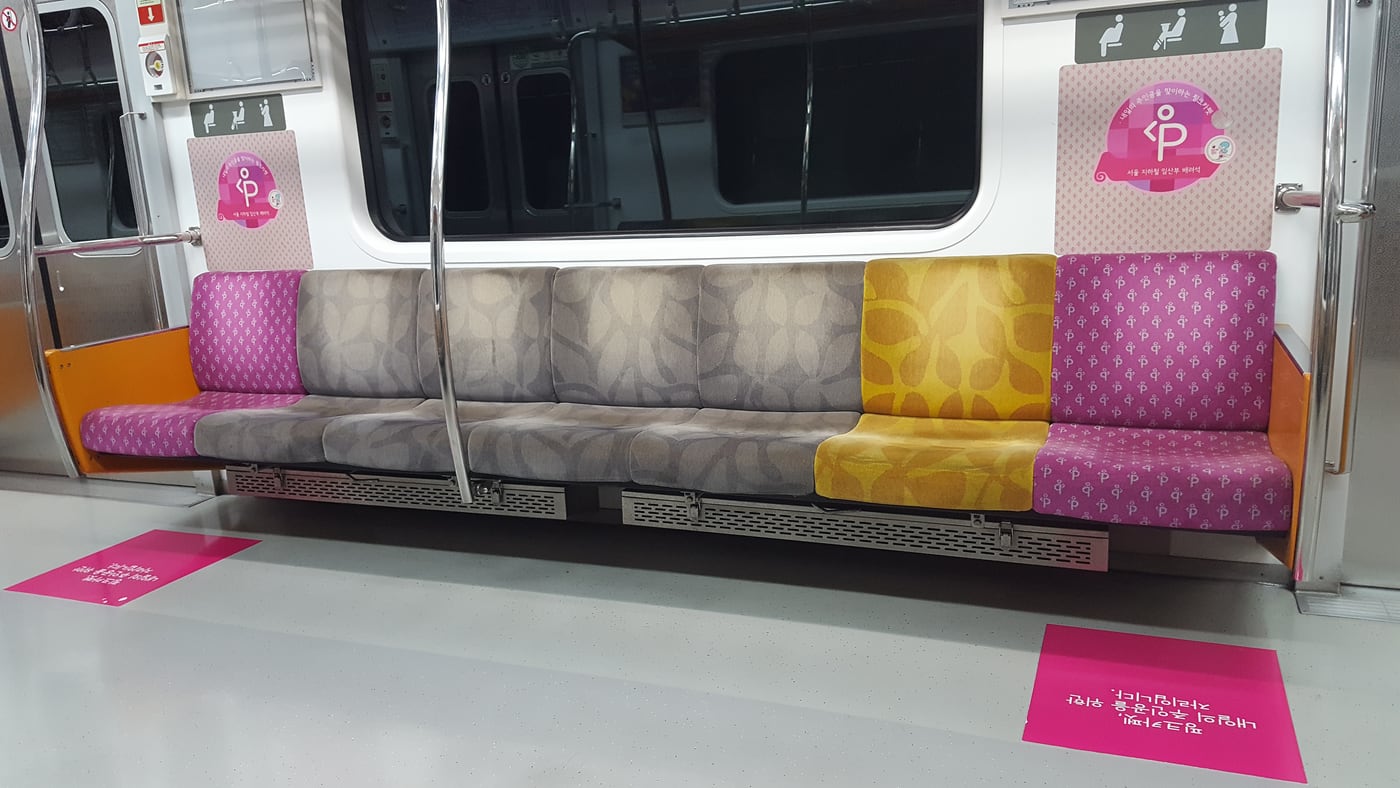
Most English writing on Korean gender policy describes rules that were removed, renamed, or never existed. Seoul scrapped women-only parking in 2023, the ministry was renamed in 2025, and the famous five-point exam bonus went to men and ended in 1999.
Kkondae (꼰대) Explained: Korea's Word for the Boss Who Knows Best
Kkondae (꼰대) explained: Korea's word for a condescending senior who won't listen — and why survey data shows it's about behavior, not age.

Jeong (정) Explained: The Korean Bond That Has No English Word
Jeong (정) explained: the untranslatable Korean bond of warmth and attachment, where you'll feel it as a visitor, and why it can turn sour too.