Living in Korea as a Foreigner: Social Rules Nobody Explains
Moving to Korea is easy to romanticize and genuinely rewarding, but the biggest adjustments have nothing to do with food or language apps. If you are planning on living in Korea as a foreigner, the things that will actually shape your daily happiness are social: how Koreans compare, comment, connect, and quietly read the room. Most of these rules are unwritten, which is exactly why they blindside newcomers.
This guide covers the social fabric that guidebooks skip: the comparison culture behind Korea's famous drive, why a coworker might casually mention your weight, how friendship actually forms here, and the skills that make the difference between thriving and burning out.
The Baseline: A Fast, Dense, Homogeneous Society
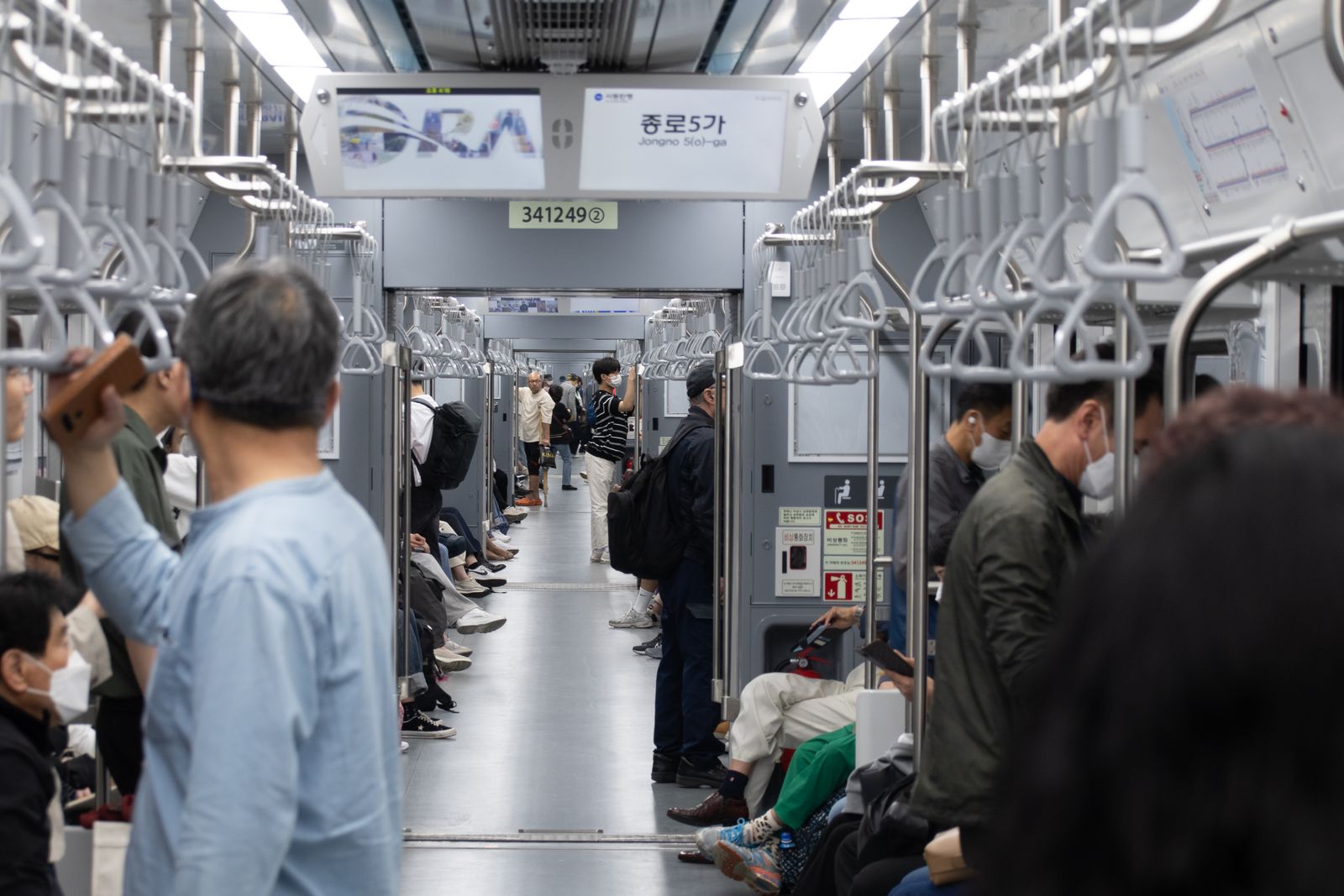
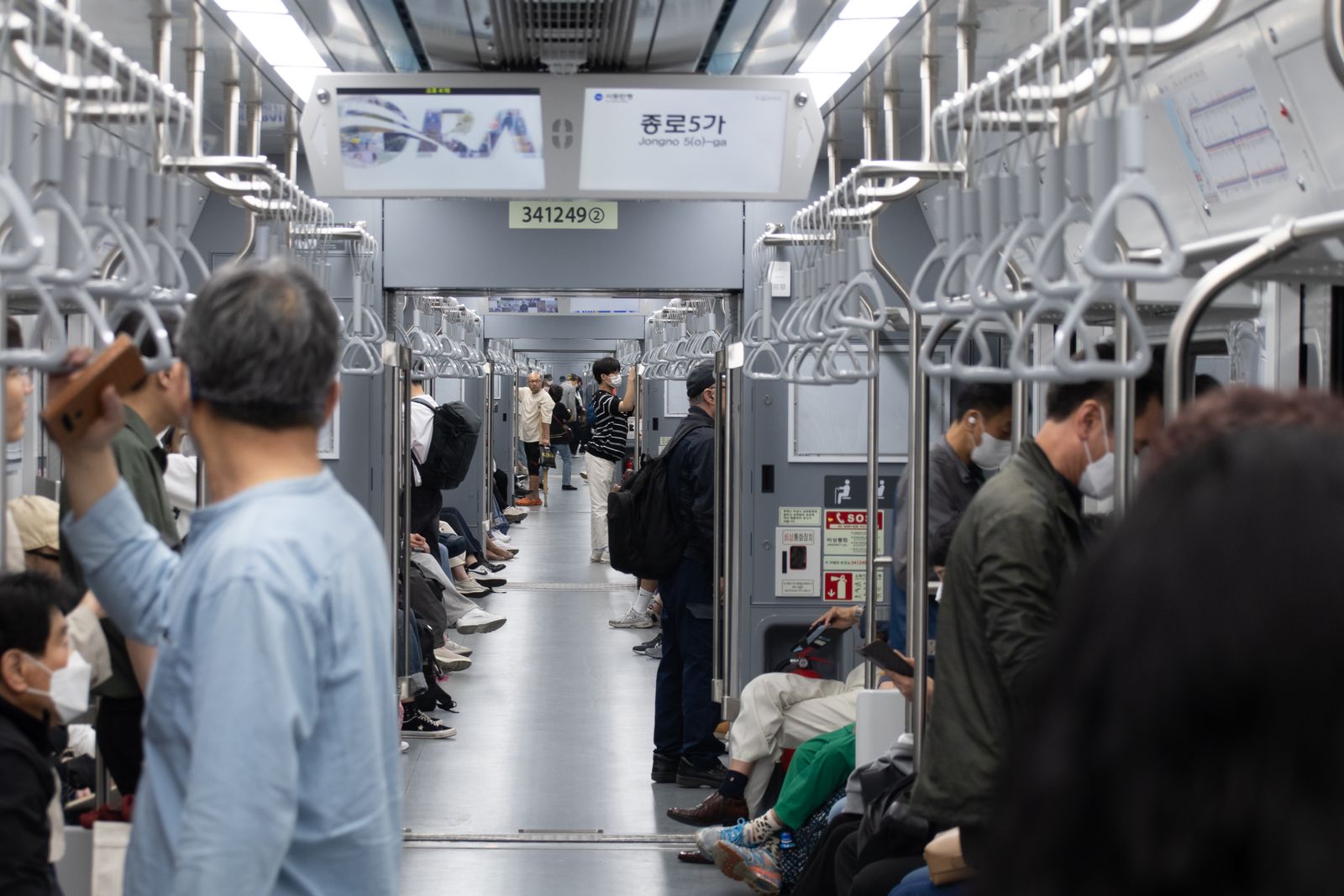
Korea remains one of the more ethnically homogeneous countries in the world, though that is changing steadily, especially in Seoul and industrial cities where international residents are now a visible part of daily life. As a foreigner, you will sometimes be noticed: an extra glance on a rural bus, a child's stare, a cashier switching to nervous English before you say a word.
The important context is that this attention is almost never hostile. It is usually curiosity plus limited exposure, and it fades fast in international neighborhoods. What takes longer to adjust to is the density and pace. Korea runs on speed: same-day delivery, instant replies, escalators where standing on the wrong side earns you a sigh. The phrase ppalli-ppalli ("hurry, hurry") is a national self-description, not a stereotype. Expect everything from banking apps to restaurant turnover to move faster than you are used to, and expect to love it within a month.
Korean culture and history books — compare on AmazonAffiliate link. As an Amazon Associate, EpicKor earns from qualifying purchases at no extra cost to you.
Comparison Culture and the "Eomchina" Phenomenon
Korean has a word that explains half the country's work ethic: eomchina, short for "mom's friend's son." It refers to that mythical person your mother always heard about, who got better grades, a better job, and a better apartment than you. The female version is eomchinttal, "mom's friend's daughter."
The joke lands because comparison is woven into daily life. School rankings, university tiers, company name recognition, apartment brands, even marriage timing all function as public scoreboards. This culture has real costs, and Koreans themselves critique it constantly, but it also fuels the astonishing polish you see everywhere: the test scores, the service standards, the idol-level preparation for ordinary job interviews.
As a foreigner you get a strange gift: you are largely outside the scoreboard. Nobody knows how to rank your hometown or university, so you are exempt from much of the pressure Koreans feel. The flip side is that you will watch friends and coworkers measure themselves harshly against invisible standards. The kindest thing you can do is refuse to feed the comparison loop, because they rarely get that relief elsewhere. The same pressure shows up in romance, where timelines and milestone gifts are unusually structured; our guide to Korean dating rules explains that scoreboard in detail.
| Concept | Literal Meaning | What It Really Describes |
|---|---|---|
| Nunchi (눈치) | "Eye measure" | Reading the room and adjusting before anyone says anything |
| Eomchina (엄친아) | "Mom's friend's son" | The imaginary perfect peer everyone is compared to |
| Jeong (정) | Affection / attachment | Deep loyalty that builds slowly through shared time and food |
| Ppalli-ppalli (빨리빨리) | "Hurry hurry" | The national preference for speed in everything |
| Hoesik (회식) | Company dinner | After-hours team meals that double as bonding and soft obligation |
Appearance Comments: Blunt, Not Cruel
The single biggest culture shock for many Western newcomers is how freely appearance is discussed. "You look tired today." "Did you gain weight?" "Your skin got worse, are you sleeping?" From a coworker or your gym trainer, delivered with a smile, on a Tuesday.
Two things help. First, understand the intent: in the traditional Korean frame, commenting on your appearance signals closeness and care, the way asking "have you eaten?" functions as a greeting. Noticing you is the point; the comment is proof they pay attention. Second, know that Korea is actively renegotiating this. Younger Koreans increasingly consider body comments rude, workplaces have tightened norms, and the topic is a running debate on Korean TV and social media. You are not obligated to enjoy it, and a light "we don't really comment on weight where I'm from" is a perfectly acceptable boundary that most people accept gracefully.
What you should not do is read malice into it. The grandmother at your gimbap shop who says you got chubby will also slip extra dumplings onto your plate. Both gestures come from the same place.
Decode the culture faster: As an Amazon Associate, EpicKor may earn from qualifying purchases. If you want the deeper "why" behind these social patterns before or after your move, browse Korean culture and history books and pick one modern-society title to read on the plane.
Nunchi: The Skill That Replaces a Rulebook
If you learn one Korean concept, make it nunchi: the art of sensing what a situation needs without being told. Who pours whose drink, when a meeting is actually over, whether your boss's "it's fine" means it is fine. Koreans grow up training this radar; foreigners have to install it manually.
Practical nunchi for newcomers looks like this:
- Watch first, act second. In any new setting, from an office to a jjimjilbang, spend your first ten minutes observing the flow before asserting your own.
- Notice hierarchy without worshiping it. Age and seniority quietly organize seating, speaking order, and who is served first. You will be forgiven for mistakes, but noticing earns real respect.
- Hear the soft no. Koreans often decline indirectly: "that might be difficult" usually means "no." Pushing past it reads as rude, not persistent.
- Mirror the group's volume. Quiet cafe, quiet voice. Loud barbecue restaurant, loud toast. Public spaces run on the collective mood, a code we break down in our Seoul subway etiquette guide.
None of this requires abandoning your personality. It requires demonstrating that you can read the room, which is the fastest trust signal in Korean social life. If Korean small talk turns toward personality labels, EpicKor's Korean blood type and MBTI guide explains why those questions can be playful without being scientifically serious.
The first three months set your trajectory, so here is the short adaptation map most veterans wish they had received on arrival:
| Situation | The Local Norm | Your Move as a Newcomer |
|---|---|---|
| Receiving something from a senior | Two hands, slight nod | Copy it everywhere; it never reads as excessive |
| Group meal ends | One person often pays; turns rotate | Accept graciously, then claim the next round or the coffee |
| Invited to a second round (2cha) | Signals the group likes you | Join at least sometimes; leave before the third round guilt-free |
| Neighbor conflict (noise, trash) | Indirect notes, building manager mediates | Never confront directly; route through the manager |
| Someone declines vaguely | "Maybe next time" means no | Drop it without pressing; the relationship survives |
Work, Hierarchy, and the Company Dinner
Korean work culture deserves its own deep dive, and we wrote one in our guide to Korean office life, but the social essentials are these. Job titles matter and are used instead of names. Decisions flow downward more than in flat Western workplaces, and pushing back publicly on a senior is a high-cost move; the effective route is a private, well-framed suggestion.
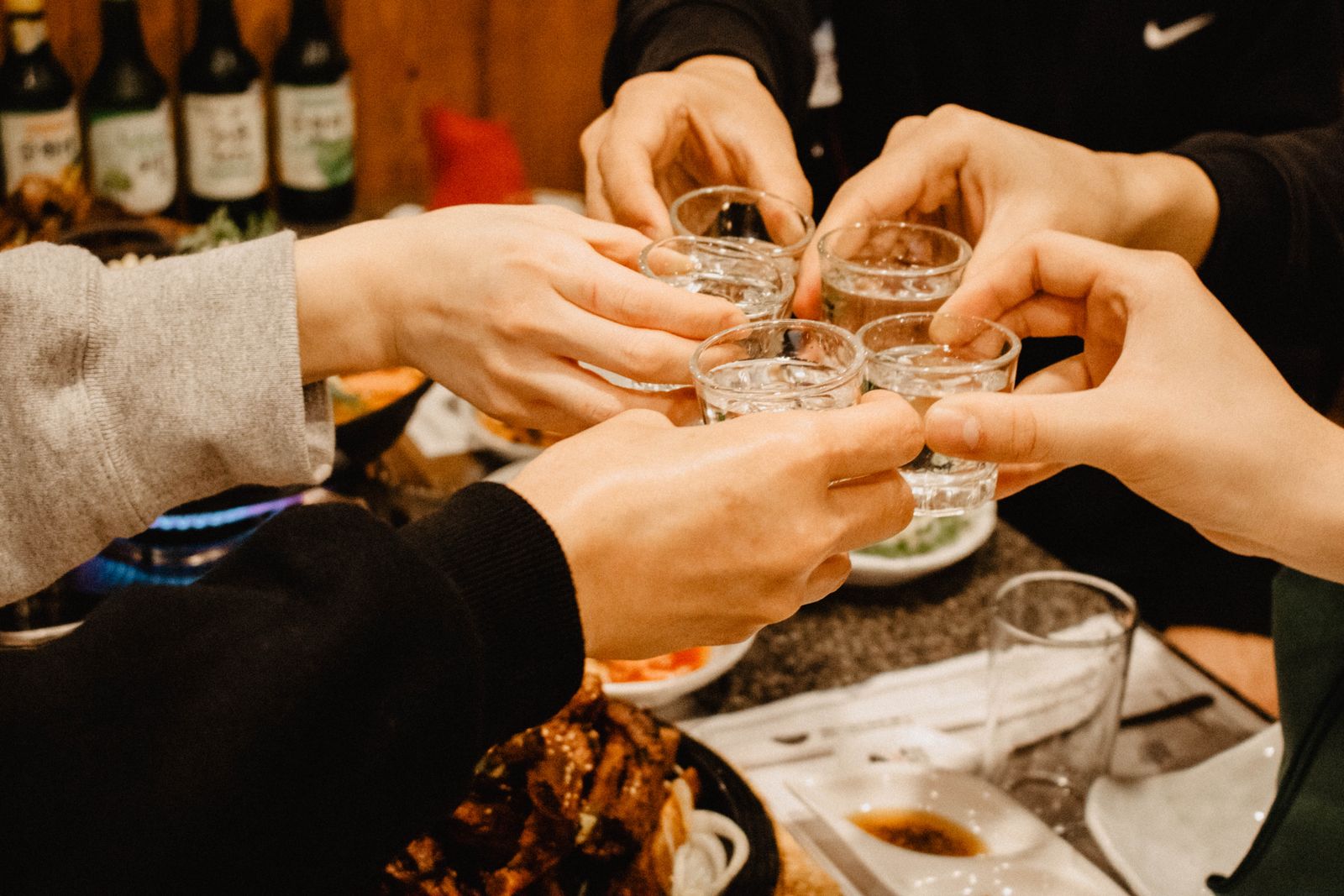
Then there is hoesik, the company dinner. Part team-building, part soft obligation, it is where hierarchy loosens two notches and relationships actually form. Attendance expectations have relaxed dramatically in recent years, and declining occasionally is normal now, especially in younger companies. But skipping every single one keeps you a permanent outsider. The pro move: attend the first round with genuine energy, master the two-handed pour for seniors, and feel zero guilt slipping away before round three.
Housing, Neighborhoods, and Daily Logistics
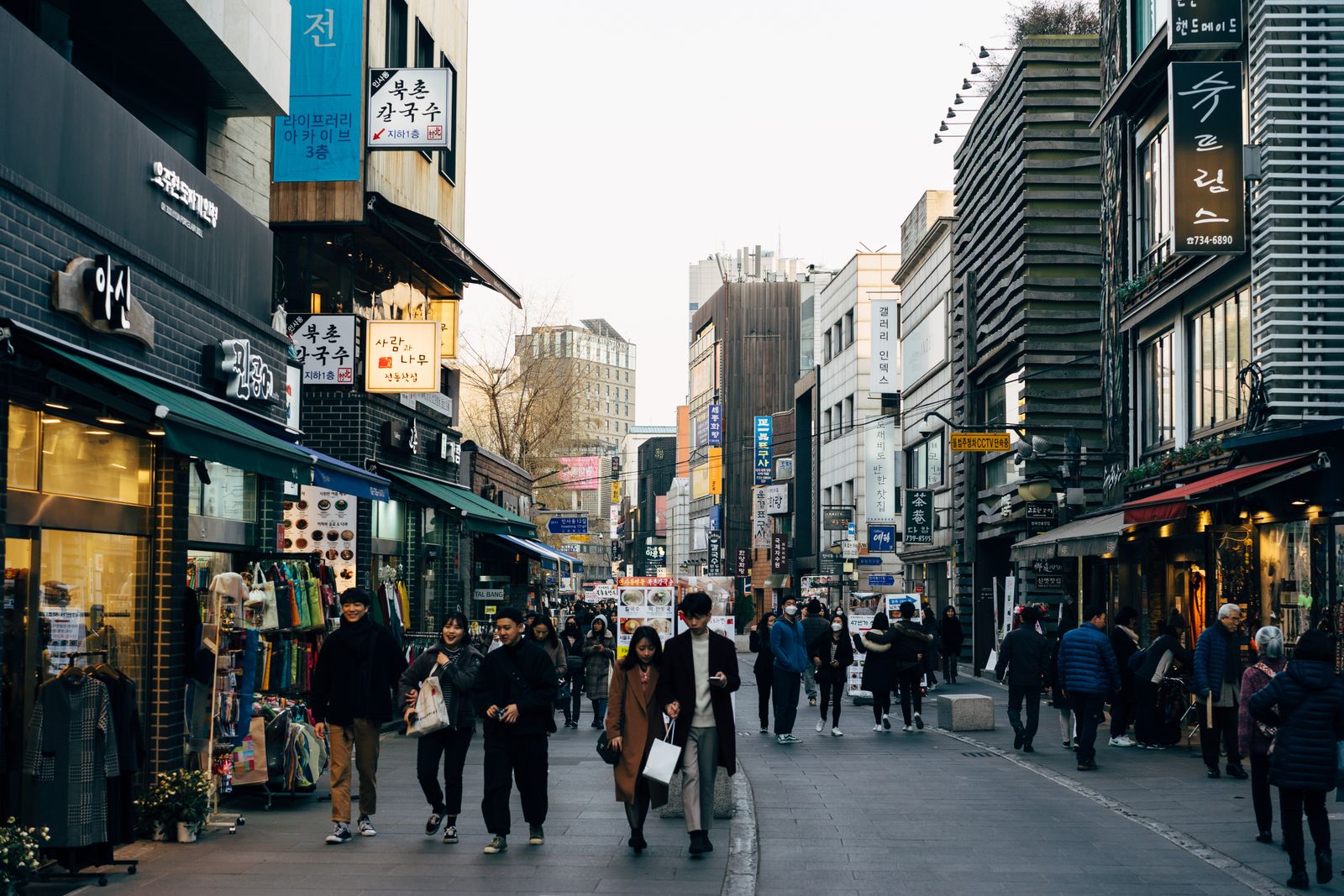
The practical side of living in Korea is mercifully straightforward once you decode a few systems. Housing uses unique structures like jeonse (a large refundable lump-sum deposit instead of monthly rent) and wolse (smaller deposit plus monthly rent); most newcomers start with wolse studios or officetels near a subway line. Neighborhood convenience is world-class: a GS25 or CU convenience store within a two-minute walk, cheap kimbap restaurants, coin laundries, and delivery apps that bring anything to your door within the hour.
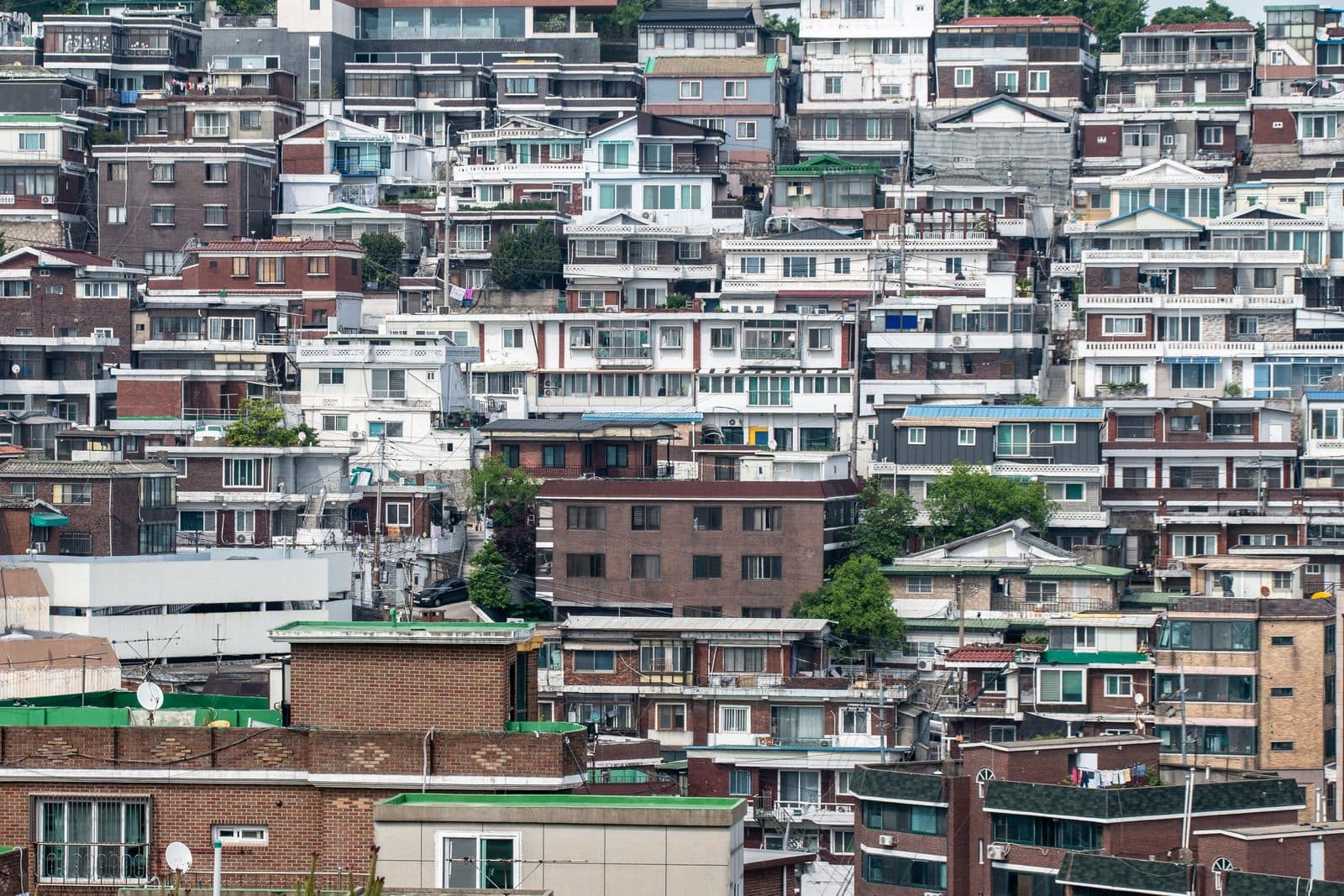
A few adjustment notes worth knowing in advance. Apartment walls in older villas are thin, and noise complaints are the classic neighbor conflict. Trash separation is strict and enforced: food waste, recycling, and general trash all have separate bags and schedules, and your building will absolutely notice if you get it wrong. And the cagongjok study-cafe culture means even "third places" have etiquette codes, which we mapped in our Korean study cafe guide.
Making Korean Friends: Slow Burn, Deep Loyalty
The most common expat complaint is "Koreans are friendly but hard to befriend." The most common five-year-resident correction is "Korean friendship is slow to open and almost impossible to break."
The mechanism is jeong: attachment built through repeated shared time, usually over food. Korean social life is activity-based and group-based, so the path to real friendship is joining recurring structures: a language exchange, a climbing gym, a church or temple community, a company futsal team, a weekly badminton club. One-off coffee meetups rarely convert; the fourth Tuesday at the same table does.
Expect early friendships to involve more doing than talking, and expect care to be expressed through logistics rather than words: someone booking the restaurant, paying quietly for your meal, or texting you to bring an umbrella. When a Korean friend starts scolding you like family for skipping meals, congratulations. You are in, probably for life.
One phrase changes the room: Even ten sentences of Korean transforms how locals receive you. Compare Korean phrasebooks and keep one in your bag for the first three months; the effort itself is the message.
See Korean phrasebooks on AmazonFAQ
Q: Is Korea welcoming to foreigners?
Broadly yes, especially in cities. You may experience curiosity, occasional clumsy assumptions, and rare rudeness, but daily interactions are overwhelmingly polite and helpful. Long-term integration depends more on your language effort and social participation than on how locals treat you.
Q: Do I need to speak Korean to live in Korea?
You can survive in Seoul with English and translation apps, but you will plateau socially and administratively. Even lower-intermediate Korean unlocks friendships, better housing negotiations, and hospital visits without a helper. Treat the language as a quality-of-life investment.
Q: How do I respond when someone comments on my weight or skin?
Assume care, not insult. A relaxed deflection works: laugh, say you have been busy, move on. If it genuinely bothers you, a gentle "in my country we don't comment on bodies" is understood and respected, especially by younger Koreans who increasingly share that view.
Q: What is nunchi and can foreigners actually learn it?
Nunchi is situational awareness: reading unspoken expectations from context. Foreigners absolutely learn it; it is observation plus humility, not genetics. Watch what others do first, notice hierarchy, and listen for indirect refusals. Six months of attention beats six years of obliviousness.
Q: Are company dinners mandatory?
Formally no, and pressure has dropped sharply in the last decade. Practically, attending some matters for relationships. Join the first round enthusiastically, handle alcohol on your own terms (saying you don't drink is acceptable), and leave early without apology.
Q: What surprises foreigners most after a year in Korea?
Usually two things: how deeply convenient daily life is, from transit to delivery to safety at 2 a.m., and how much their own standards changed. Most long-term residents say the comparison culture stressed them early on, then the safety, food, and jeong made everywhere else feel slightly lonely.
Sources
You Might Also Like
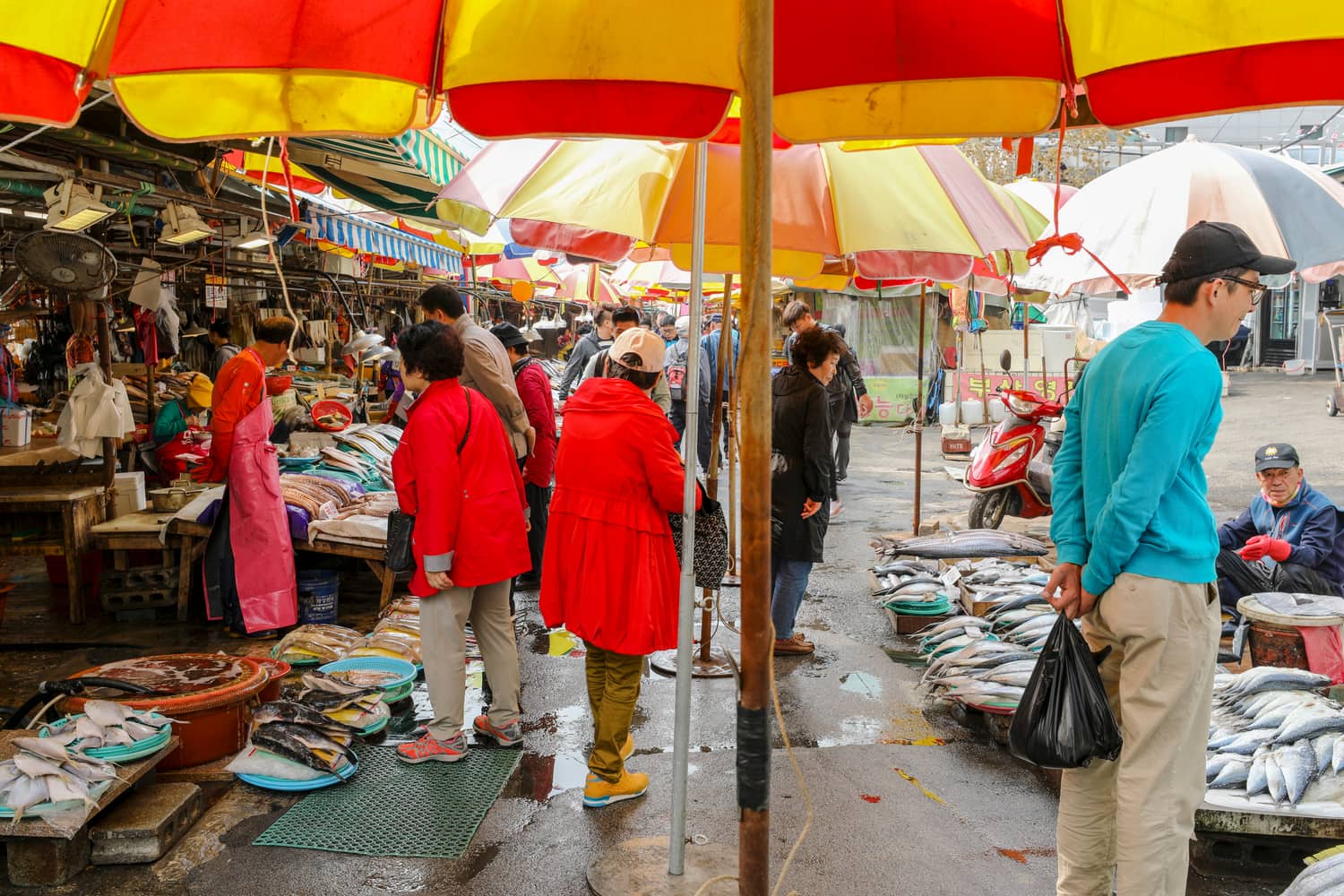
Why Do Koreans Stare at Foreigners? The 5% Country, and Where the Looking Actually Happens
In central Seoul nobody looks at you. In a provincial market, a small town or a subway car of grandmothers, they do. Korea only became a 5%-foreign country in 2025. Where the staring happens, what it means and does not mean, and what to do with it.
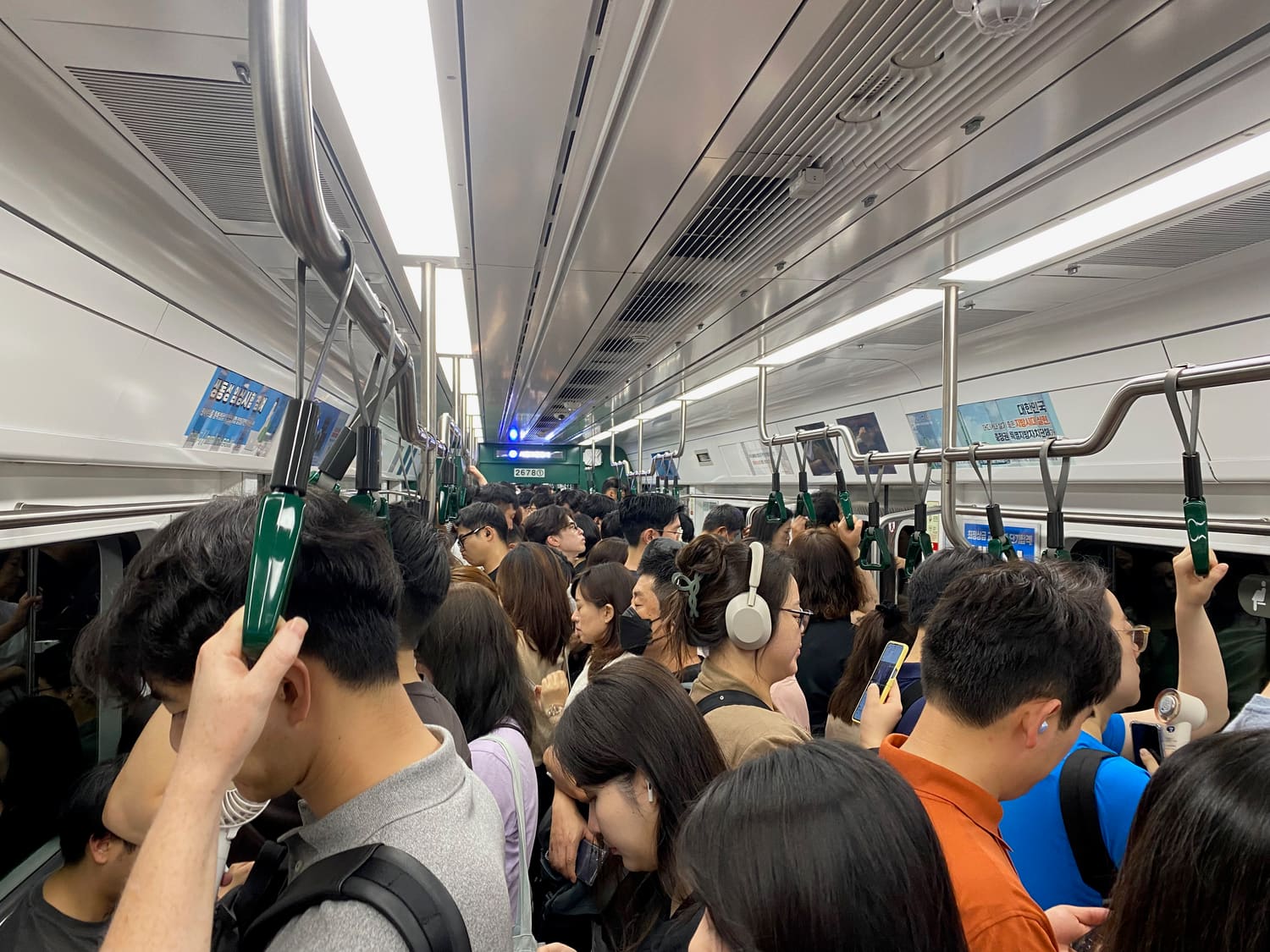
Why Koreans Seem Cold to Foreigners: The Gap Between How Korea Sees Itself and How You See It
Foreigners abroad rate Korea 82.3% favourable. Foreigners living in Korea rank Koreans 39th of 46 countries for friendliness, and 84% of Koreans say they would not trust a stranger. Where the gap comes from, and how to get to the other side of it.
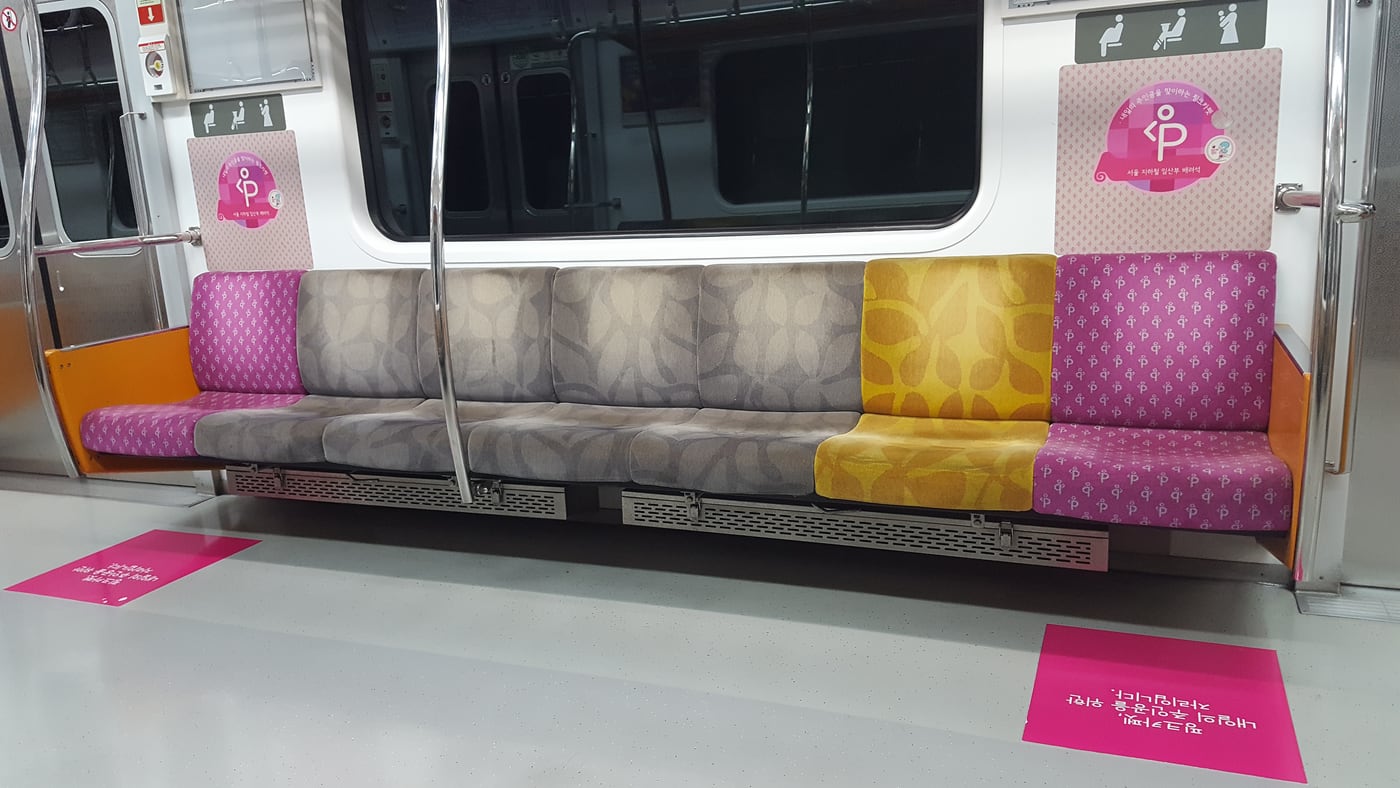
Seoul Deleted Its Women-Only Parking: What Korean Gender Policy Actually Is in 2026
Most English writing on Korean gender policy describes rules that were removed, renamed, or never existed. Seoul scrapped women-only parking in 2023, the ministry was renamed in 2025, and the famous five-point exam bonus went to men and ended in 1999.