South Korea's 2024 Martial Law Crisis, Explained
South Korea's 2024 martial law crisis began when President Yoon Suk Yeol declared emergency martial law late on December 3. The National Assembly voted to demand its lifting early on December 4, and the declaration was withdrawn within hours. The Assembly later impeached Yoon, and the Constitutional Court unanimously removed him from office on April 4, 2025. Lee Jae Myung won the resulting snap election and began his presidential term on June 4, 2025.
Those outcomes are settled institutional facts. Criminal cases are separate. By July 17, 2026, Yoon had received several convictions; one seven-year sentence was final after Supreme Court review, while his life sentence for leading an insurrection and a separate 30-year drone-case sentence were under appeal. This guide distinguishes each procedural stage instead of treating an allegation, first-instance ruling, appeal, and final judgment as synonyms.
The Short Answer: What Happened
At about 10:27 p.m. on December 3, 2024, Yoon announced emergency martial law. He argued that opposition conduct had paralyzed government and invoked threats to the constitutional order. A martial-law proclamation then attempted to prohibit political activity and restrict public freedoms.
Lawmakers converged on the National Assembly while police restricted access and military personnel entered the grounds and main building. At about 1 a.m., 190 lawmakers present voted unanimously for a resolution requesting that martial law be lifted. Article 77(5) of the Constitution says the president must comply when a majority of the Assembly's total membership requests termination. Yoon announced that troops would withdraw and the Cabinet approved lifting martial law later that morning.
The brief duration did not end the constitutional dispute. After an initial impeachment motion failed, the Assembly passed a second motion on December 14. Yoon's presidential powers were suspended while the Constitutional Court reviewed the case. On April 4, 2025, all eight sitting justices voted to uphold the impeachment and remove him.
| Date | Event | Institutional effect |
|---|---|---|
| Dec. 3, 2024 | Yoon declares emergency martial law | Military and police measures begin; proclamation restricts political activity |
| Dec. 4, 2024 | 190 lawmakers vote to request lifting it | Constitution requires presidential compliance; declaration is lifted hours later |
| Dec. 14, 2024 | National Assembly passes impeachment motion | Presidential authority is suspended pending Court review |
| Apr. 4, 2025 | Constitutional Court upholds impeachment | Yoon is removed from office |
| June 3–4, 2025 | Snap election held; Lee Jae Myung confirmed | Lee's presidential term begins immediately after confirmation |
What the Constitution Says About Martial Law
Article 77 allows a president to proclaim martial law in time of war, armed conflict, or a comparable national emergency when military mobilization is required to meet military necessity or maintain public safety and order. It distinguishes emergency martial law from precautionary martial law and permits special measures under defined legal conditions.
The same article preserves a decisive role for the legislature. The president must notify the National Assembly without delay, and must comply if a majority of all lawmakers votes to request that martial law be lifted. This is why the Assembly vote was not merely symbolic opposition. It activated an explicit constitutional check.
The Constitutional Court later held that Yoon's declaration did not satisfy the substantive conditions. It found that conflict over impeachments, legislation, and a budget proposal could be addressed through ordinary political and judicial processes. It also rejected election-fraud suspicions as a sufficient basis for a comparable national emergency.
The Court additionally found procedural violations. Its English decision summary says the State Council had not received the information and genuine opportunity for discussion required for deliberation, and that the declaration lacked required signatures and notices.
Why the National Assembly Vote Mattered
The Assembly's ability to meet was the turning point. According to the Court's factual findings, military and police forces restricted access, soldiers entered the building, and some lawmakers climbed fences or could not enter. Even so, enough members reached the chamber to constitute more than the majority of the full 300-seat Assembly required by Article 77.
All 190 lawmakers who participated voted for the lifting resolution. The number should not be misread as 190 out of all 300 agreeing after a normal full attendance; it records those present during an extraordinary overnight session. Nor should it be described as a party-line rejection. The resolution was unanimous among participants.
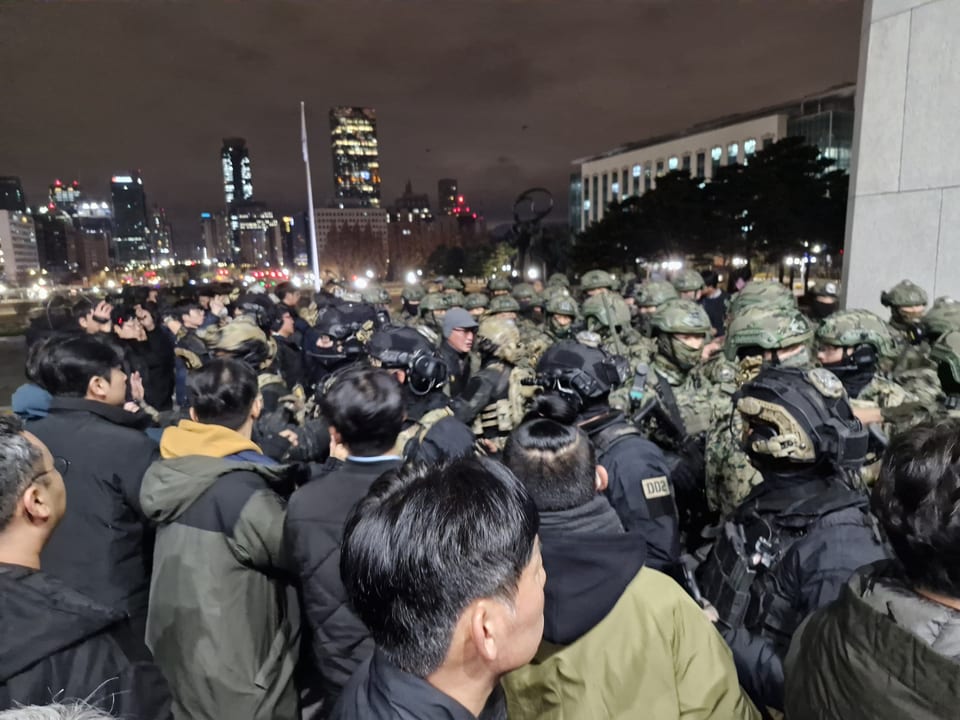
The Court emphasized that the Assembly's quick success did not make the violations less grave. It attributed the outcome to citizen resistance and the passive conduct of parts of the military and police. In other words, a failed attempt to obstruct a constitutional institution can still endanger that institution.
What the Constitutional Court Actually Decided
Impeachment is a constitutional accountability process, not a criminal conviction. The Court asked whether Yoon violated the Constitution or statutes while performing official duties and whether those violations were serious enough to justify removal.
Its unanimous answer was yes. The ruling found that the declaration lacked a qualifying emergency, violated procedural requirements, and used military and police forces to interfere with the Assembly. It also found that the proclamation infringed political rights and freedoms, including speech, press, assembly, association, and collective action.
The Court concluded that protecting the Constitution through removal overwhelmingly outweighed the national cost of removing a president. That language matters because not every legal violation by an official necessarily results in removal; the breach must be sufficiently grave.
| Question | Court's conclusion | Why readers should distinguish it |
|---|---|---|
| Was the declaration reviewable? | Yes, even though martial law involves a highly political judgment | Emergency power is not beyond constitutional review |
| Did a qualifying emergency exist? | No, the cited disputes could use ordinary institutions | Political deadlock alone did not satisfy Article 77 |
| Were required procedures followed? | No | Substance and process were independent defects |
| Was removal justified? | Yes, unanimously | This was an impeachment holding, not a criminal sentence |
Impeachment and Criminal Trials Are Different
Readers should keep three tracks separate: political judgment by voters and lawmakers, constitutional judgment by the Constitutional Court, and criminal liability decided by criminal courts. They use different procedures and remedies. The April 2025 impeachment decision definitively removed Yoon, but it was not a criminal sentence.
On February 19, 2026, the Seoul Central District Court convicted Yoon of leading an insurrection and sentenced him to life imprisonment. Both Yoon and the special counsel appealed, so that sentence was not final at this update. On June 12, another first-instance court sentenced him to 30 years over a drone operation it found was intended to provoke North Korea and help create conditions for martial law; his defense appealed that ruling too.
A separate case did become final. On July 9, 2026, the Supreme Court upheld a seven-year sentence covering conduct including interference with Cabinet members' deliberation rights, a false martial-law proclamation, and resistance to investigators. The precision matters: one final conviction does not automatically finalize the life-sentence appeal or every other trial.
Citizens, Journalists, and Institutions
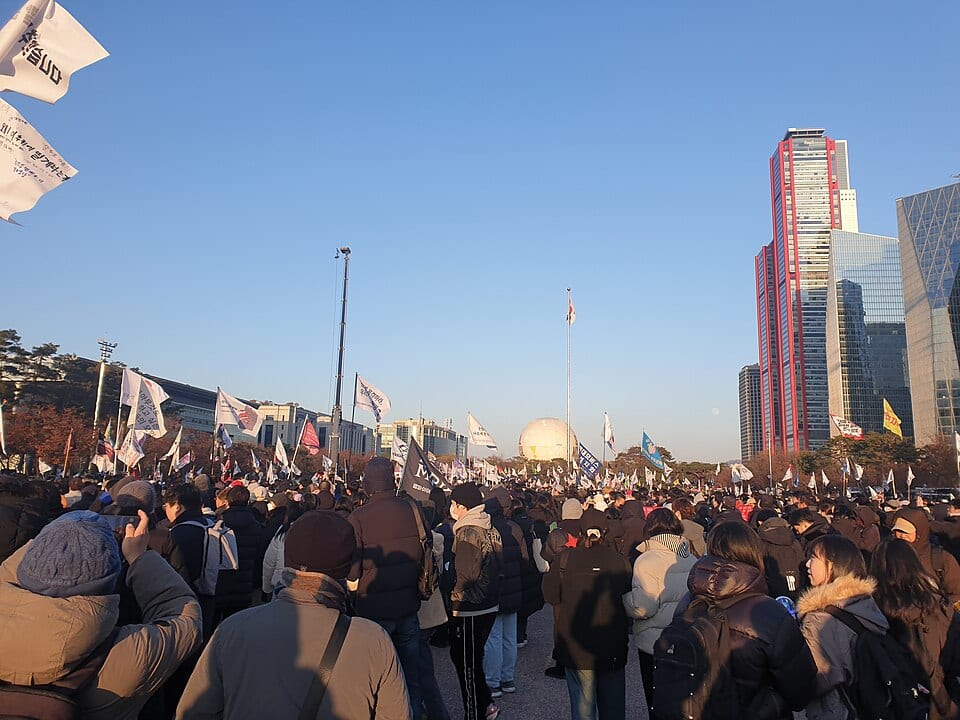
Citizens gathered near the Assembly and later held large demonstrations both supporting and opposing Yoon. Critics used candlelight associated with earlier democratic mobilizations; supporters framed impeachment as partisan overreach.
Livestreams and phone footage aided real-time scrutiny but also spread clips without context. Reliable reconstruction requires timestamps, institutional records, and court findings.
Institutional resilience was distributed across lawmakers, Assembly staff, courts, election administrators, journalists, citizens, and public servants. Calling it one actor's victory oversimplifies how the checks worked.
Why Korea's Authoritarian History Shaped the Reaction
Martial law carries a heavy memory in South Korea. Postwar governments used emergency powers during authoritarian periods, and military rule shaped political life for decades. The 1980 Gwangju uprising, in which state forces killed and injured civilians after the expansion of martial law, remains central to Korea's democratic memory.
For many Koreans, December 2024 activated family memories, school history, and the language of democratization. That helps explain the intense reaction without implying everyone interpreted it identically.
Korea's current Sixth Republic began with the 1987 constitutional settlement and direct presidential elections. The system combines a powerful single-term presidency with legislative, judicial, electoral, and civic checks. The crisis exposed vulnerabilities in that design while also showing checks being used under severe pressure.
For the longer party background, read EpicKor's neutral guide to South Korean political parties and presidents. Our Korean military service guide separately explains how the armed forces fit into civilian life; compulsory service should not be confused with political authorization for military deployment.
What Changed After Removal
Under Korea's Constitution, a presidential vacancy triggers an election within 60 days. The snap vote was held on June 3, 2025. The National Election Commission confirmed Democratic Party candidate Lee Jae Myung as the winner the next morning, and his term began immediately because there was no transition period from an outgoing elected president.
Lee received 49.42 percent of the vote, according to the official Korea.net summary based on the NEC result. The election restored an elected president, but it did not erase political polarization, legal disputes, or the work of investigating the crisis. Democratic continuity is a process, not a reset button.
As of this article's July 2026 update, Lee is South Korea's president. A proposed constitutional amendment to tighten martial-law controls failed to advance in May 2026, so readers should not assume that the crisis automatically produced a completed constitutional rewrite.
How to Read Claims About the Crisis
First, separate what Yoon said from what a court found. His public justification included opposition obstruction and threats to the constitutional order. The Constitutional Court reviewed those claims and concluded that they did not establish the emergency required by law.
Second, use exact institutional verbs. The Assembly “requested the lifting” of martial law under Article 77; the Cabinet later approved lifting it. The Assembly “impeached” Yoon; the Constitutional Court “removed” him after trial. Voters then elected a successor.
Third, date every live legal claim. A careful source distinguishes “prosecutors alleged,” “a trial court held,” “the parties appealed,” and “the Supreme Court affirmed.”
Fourth, avoid collective blame. Political parties, protesters, police, soldiers, judges, and voters are not internally uniform. The Court itself noted passive conduct by military and police personnel as one reason the Assembly could act.
Why This Crisis Still Matters
The lasting lesson is neither “Korean democracy was perfectly safe” nor “Korean democracy collapsed.” A president invoked emergency military power without the constitutional conditions, and forces interfered with the legislature. Those are profound failures. The legislature nevertheless assembled, the declaration ended, the impeachment process operated, the Court issued a unanimous decision, and a new election transferred presidential authority.
Democratic resilience should be measured by both halves: the danger that institutions faced and their capacity to correct it. Remembering only the successful correction risks complacency. Remembering only the attempted breach misses the choices that limited it.
Because this is a political and legal explainer, EpicKor intentionally includes no affiliate product promotion. The appropriate next step is to read the primary constitutional text and Court decision, not to buy something.
Further reading: for how South Korea’s democratic institutions were built and where their stress points are, Politics in North and South Korea is the standard English introduction. Affiliate link — as an Amazon Associate, EpicKor earns from qualifying purchases at no extra cost to you.
FAQ
Q: When did Yoon Suk Yeol declare martial law?
He announced emergency martial law at about 10:27 p.m. Korea Standard Time on December 3, 2024. It was lifted in the early hours of December 4 after the National Assembly's vote.
Q: How many lawmakers voted to lift martial law?
All 190 lawmakers present voted for the resolution requesting its lifting. The Constitution requires a majority of the Assembly's total membership, which the vote exceeded.
Q: Was Yoon removed by the National Assembly alone?
No. The Assembly passed an impeachment motion, suspending his authority. The Constitutional Court then conducted the impeachment trial and unanimously removed him on April 4, 2025.
Q: Did the Constitutional Court find the declaration lawful?
No. It found both substantive and procedural violations, including the absence of a qualifying emergency and interference with the Assembly's constitutional powers.
Q: Is impeachment the same as a criminal conviction?
No. Impeachment determines constitutional removal from office. Criminal courts separately decide guilt and punishment for charged offenses under criminal procedure.
Q: Who became president after the 2025 snap election?
Lee Jae Myung won the June 3, 2025 election and began his term on June 4 after the National Election Commission confirmed the result.
Sources
- Constitutional Court of Korea: English decision announcement, Case 2024Hun-Na8
- Constitutional Court decision summary: Yoon Suk Yeol impeachment
- Korean Law Information Center: Constitution of the Republic of Korea, including Article 77
- Korea.net: official confirmation of Lee Jae Myung's 2025 election and term
- Supreme Court of Korea: July 9, 2026 decision video and issue summary, Case 2026Do6500
- Yonhap: February 2026 first-instance life sentence in the insurrection case
- Yonhap: June 2026 first-instance drone-case judgment and appeal
You Might Also Like
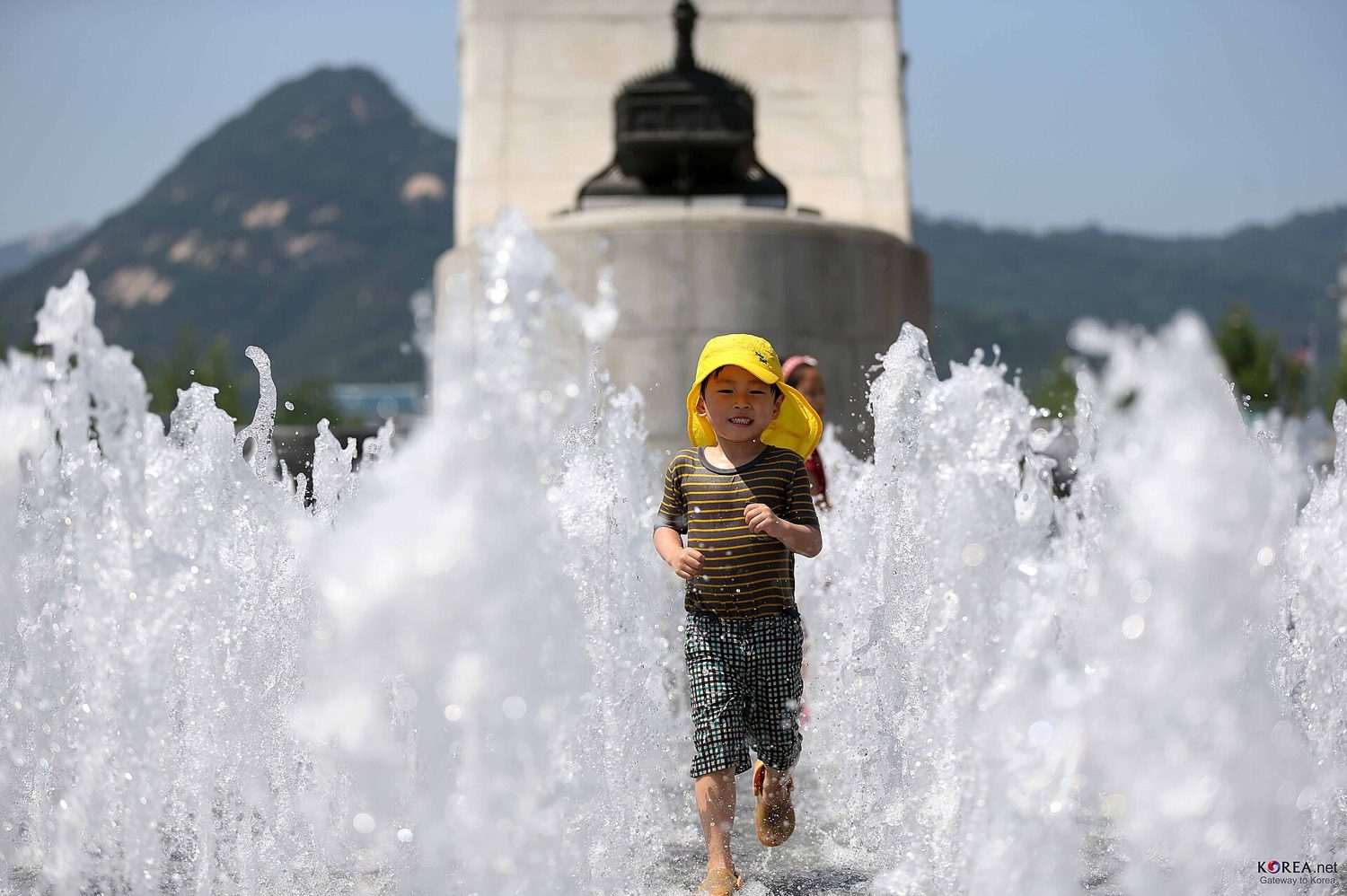
Is Korea Kid-Friendly? What Foreign Parents Report — and What Korean Data Shows: Strangers Who Hand Out Tangerines, 114 No-Kids Zones, and the 68% Who Accept Them
Foreign parents say older Koreans shower babies with snacks and department-store nursing rooms beat London's. Korean data adds 114 no-kids zones, 68% public acceptance, and 64% of Korean parents who feel watched. What that means for your trip.
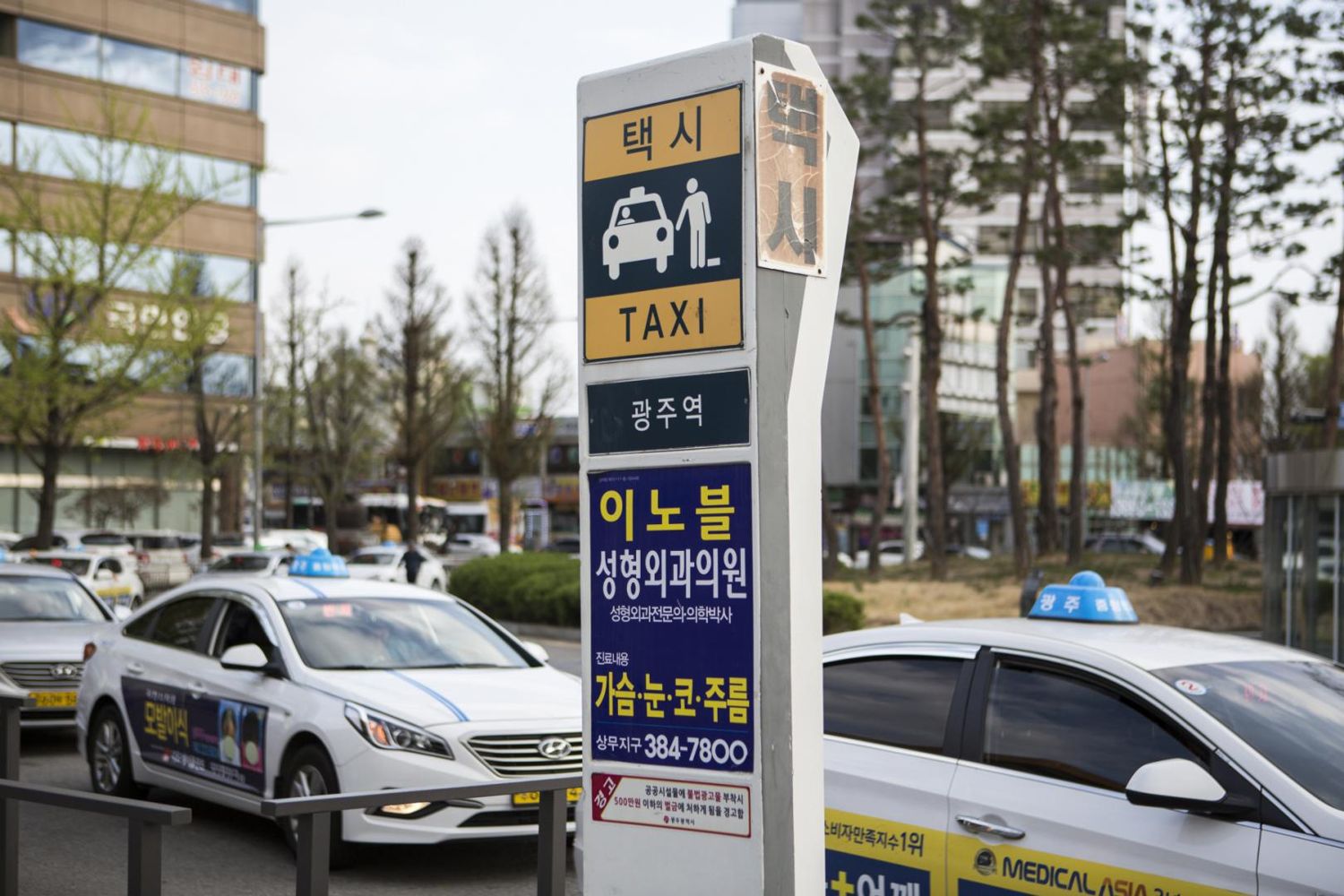
Car Seat Taxis in Korea: The Law Requires a Seat for Every Child Under 6, Ordinary Taxis Don't Carry One — What Tourists Can Actually Book in Seoul
Korea's Road Traffic Act requires a car seat for children under 6 in any car, taxis included, and fines the driver ₩60,000. Ordinary taxis carry none and police paused taxi enforcement in 2018. TADA, whose app takes foreign phones and cards, runs about 300 car-seat vans.
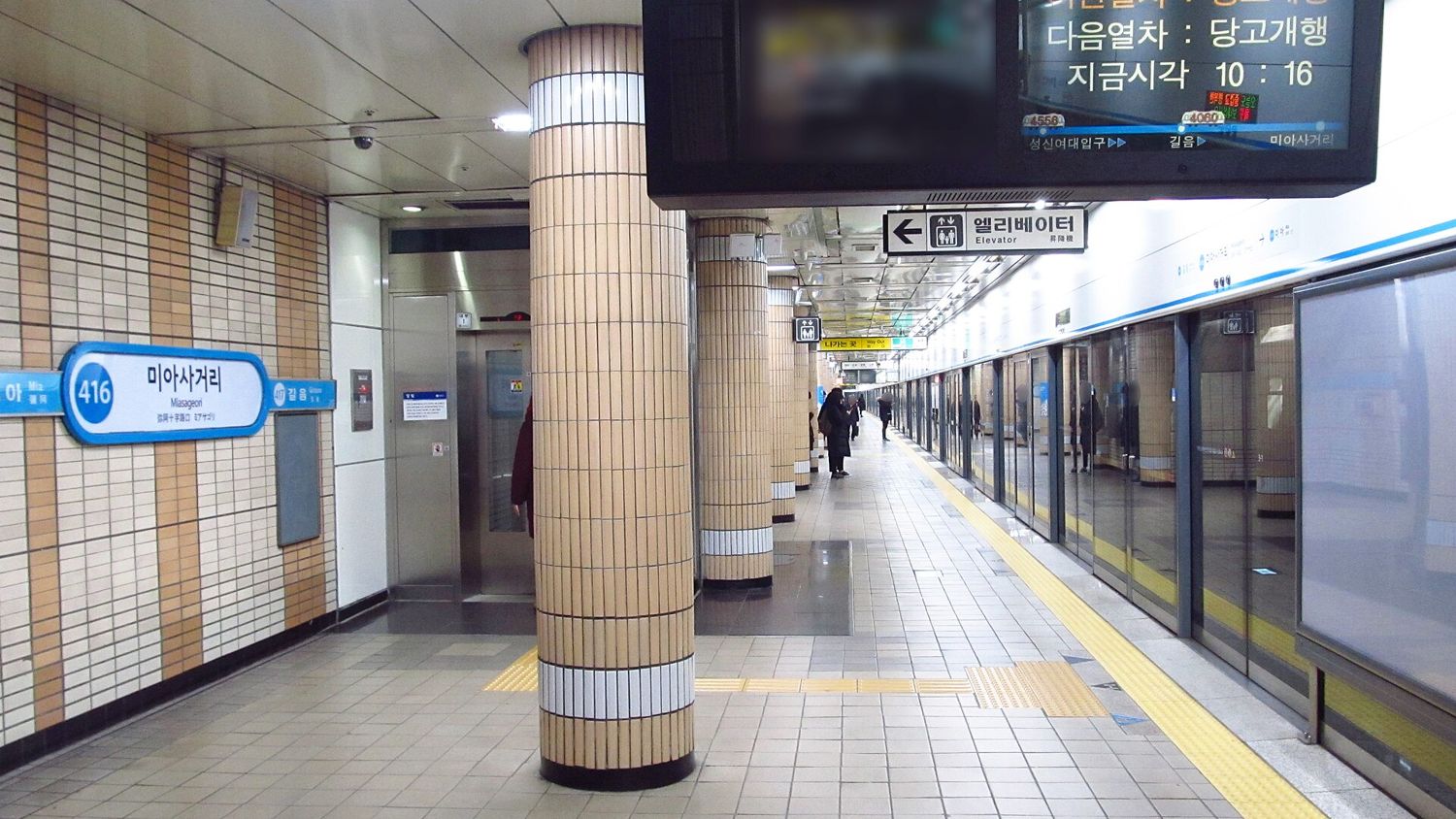
Seoul Subway With a Stroller: Every Seoul-Run Station Now Has a Street-to-Platform Elevator — at Half of Seoul Metro's on Just One Exit — and Only 108 Have a Nursing Room
Since December 2025 all 338 Seoul-run subway stations have a lift route from street to platform, but in Seoul Metro's own register 116 of 217 stations have it at one exit only: Myeongdong exit 1, Gyeongbokgung 4, Hongik 8. Just 108 have a nursing room.