Free Side Dishes in Korea: Banchan, Service, and Refills
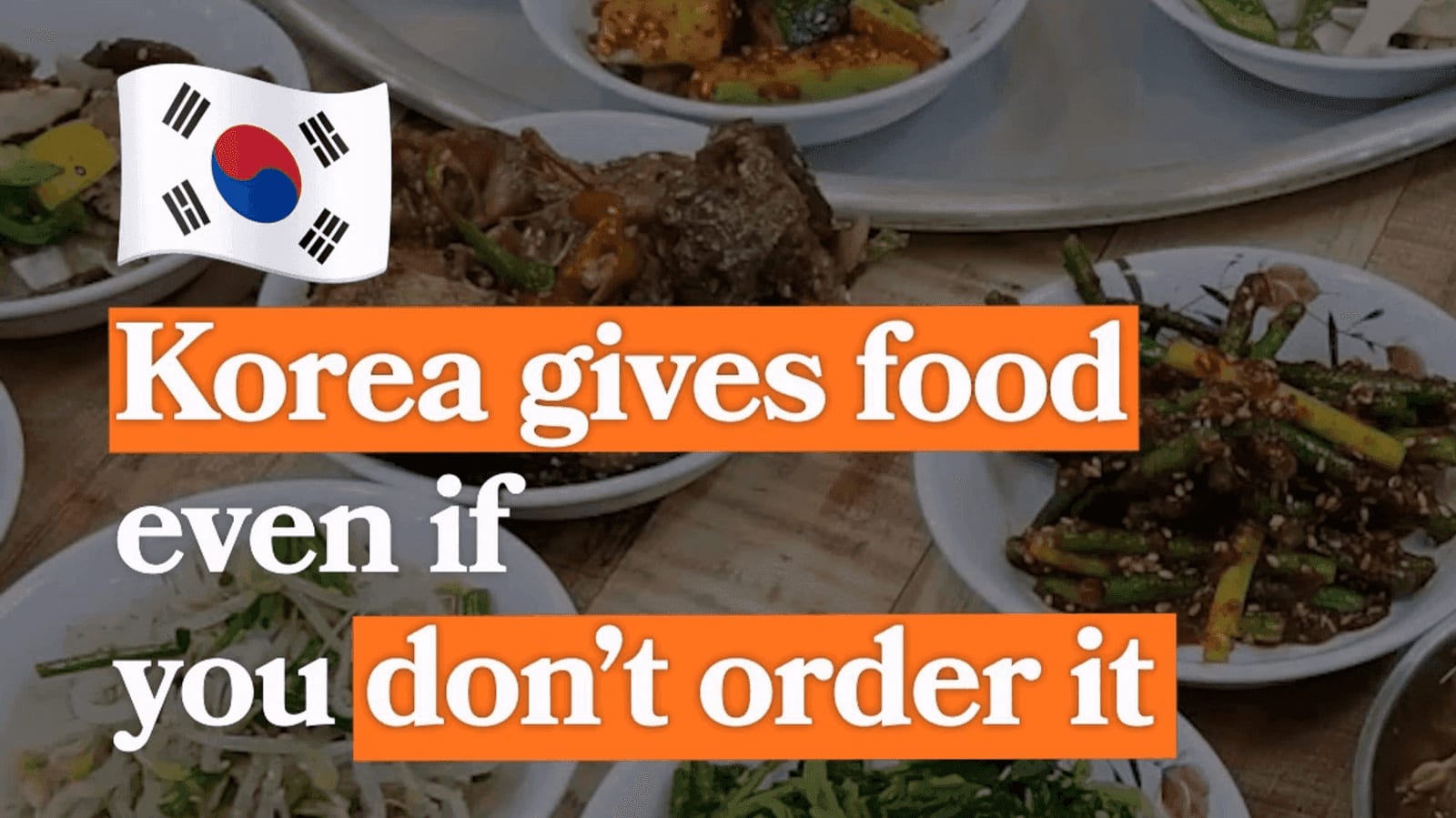
If you eat in Korea for the first time, one of the happiest small shocks is this: you order one main dish, but the table suddenly fills with little plates you never asked for. Kimchi, pickled radish, seasoned bean sprouts, fish cake, lettuce, sauces, soup, or a tiny omelet may appear before the food you actually ordered. The natural tourist reaction is, "Wait, do I have to pay for all of this?"
Usually, no. Those plates are banchan, Korean side dishes, and many everyday restaurants include them in the meal price. Some banchan can be refilled for free. Some extra items are a form of service, a Korean restaurant term for a complimentary item. But the system is not unlimited in every restaurant, and it is not an invitation to waste food.
This guide explains why free side dishes in Korea exist, what is usually refillable, what may cost extra, how to ask politely, and how to avoid looking confused at a Korean table.
Korean snack options — compare on AmazonAffiliate link. As an Amazon Associate, EpicKor earns from qualifying purchases at no extra cost to you.
Quick Answer: Are Side Dishes Free in Korea?
In many Korean restaurants, basic side dishes are included with your meal and can often be refilled at no extra charge. This is especially common at barbecue restaurants, soup restaurants, noodle shops, stews, baekban places, and casual local diners. The restaurant is not being randomly generous; banchan is part of the normal meal format.
That does not mean every extra plate is free. Premium items, special menu dishes, extra meat, extra rice, alcohol, bottled drinks, and some self-service buffet sections may have separate prices. A free refill also depends on the restaurant's policy, the dish, and basic manners. Asking for one more small plate of kimchi is normal. Repeatedly piling untouched food on the table is not.
The safest rule is simple: assume ordinary banchan may be refillable, but check before asking for anything that looks like a main ingredient, a premium seafood item, meat, rice, noodles, or a separate menu dish.
| Item on the Table | Usually Included? | Can You Ask for More? | Traveler Note |
|---|---|---|---|
| Kimchi | Usually yes | Often yes | Ask for a small refill if you are eating it. |
| Bean sprouts, fish cake, radish, namul | Usually yes | Often yes | These are classic everyday banchan. |
| Lettuce, garlic, ssamjang at BBQ | Usually yes | Often yes | Some premium vegetable sets may differ. |
| Steamed egg, stew, pancake, dumplings | Sometimes | Not always | These may be "service" once, not unlimited. |
| Rice, noodles, extra meat | Usually no | Paid order | Check the menu before assuming. |
Why Korean Restaurants Give Food You Did Not Order
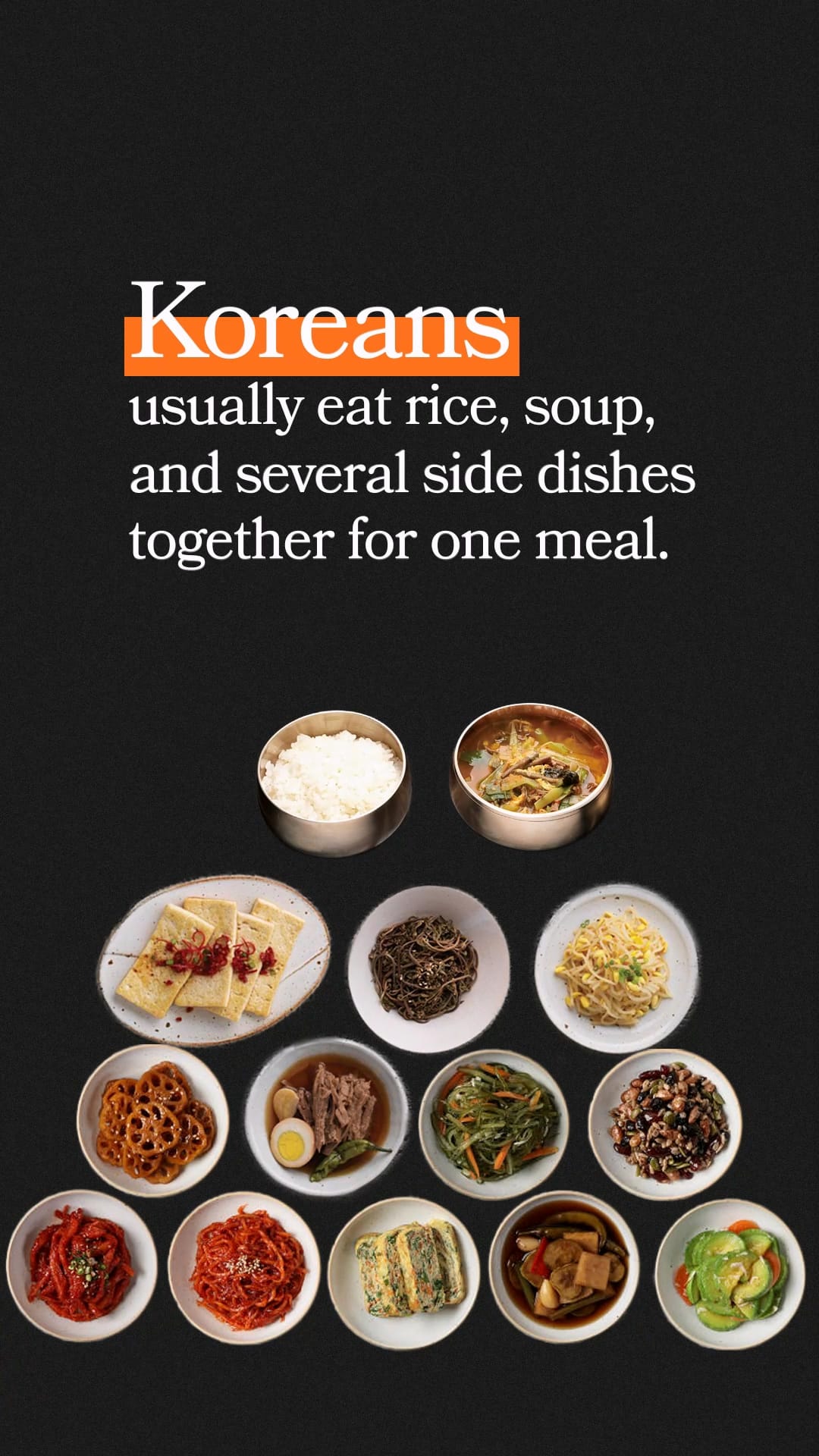
Korean meals are often built around rice, soup or stew, and small shared dishes. The Korea Tourism Organization describes a Korean meal table as Han Sang Charim, where rice, soup, kimchi, main dishes, and banchan sit together rather than arriving as separate Western-style courses. You can read its overview of Korean food on VisitKorea.
That table structure matters. Banchan is not a bonus snack. It is how the meal works. Rice becomes more interesting when you alternate bites with kimchi, namul, grilled meat, soup, and sauce. A soup restaurant may feel complete because the kimchi is sharp, the radish is cool, and the rice gives everything balance. Korean barbecue is not just grilled meat; it is meat plus lettuce, garlic, ssamjang, kimchi, scallion salad, and shared pacing.
This is why first-time visitors sometimes misread Korean abundance. The small plates do not always mean the restaurant is giving you "free food" in the Western promotion sense. They are part of the expected value of the meal.
Worth comparing: As an Amazon Associate, EpicKor may earn from qualifying purchases. If this guide makes you want a Korean snack table at home, start by comparing Korean snack options before buying a big assorted box.
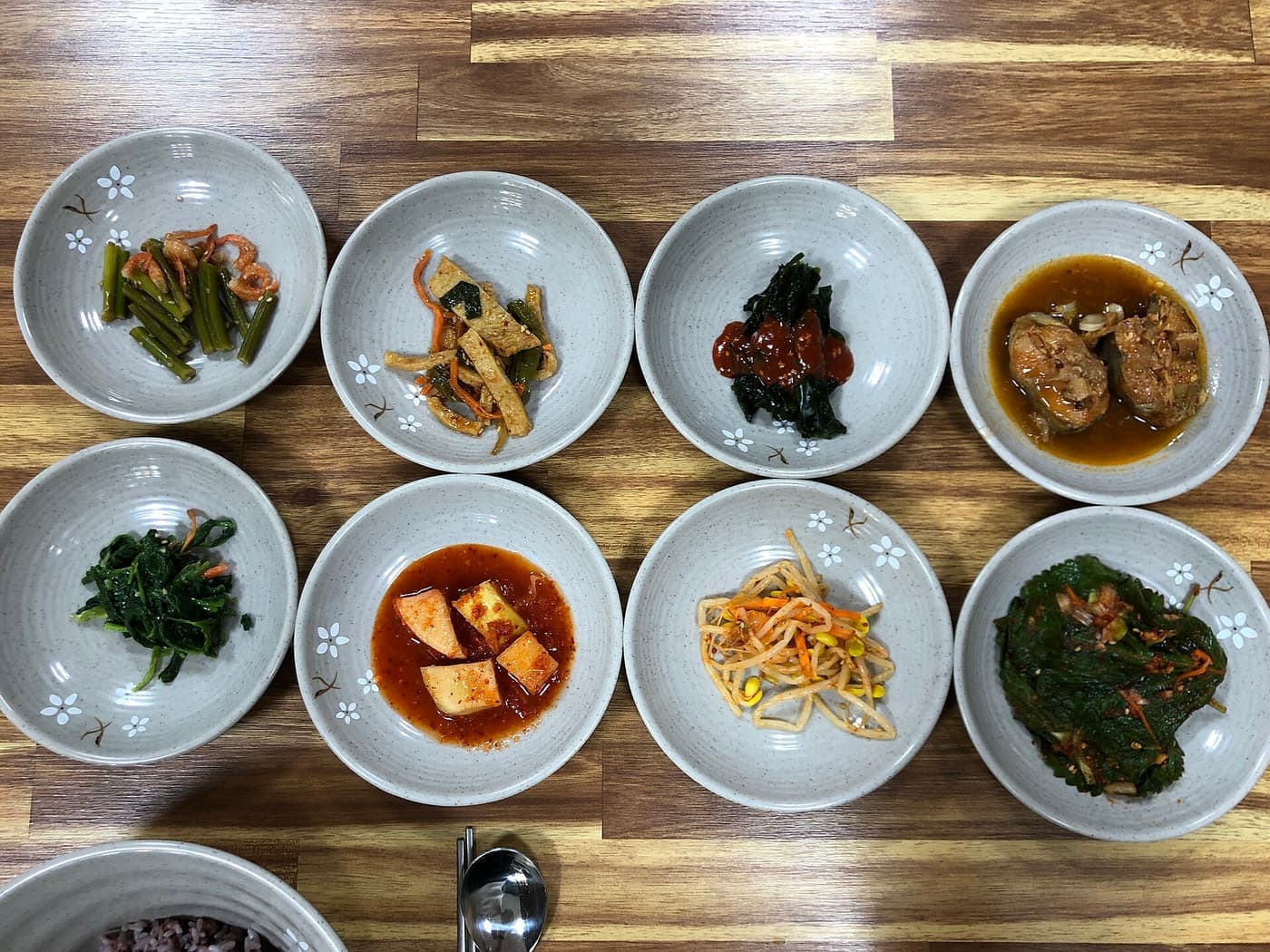
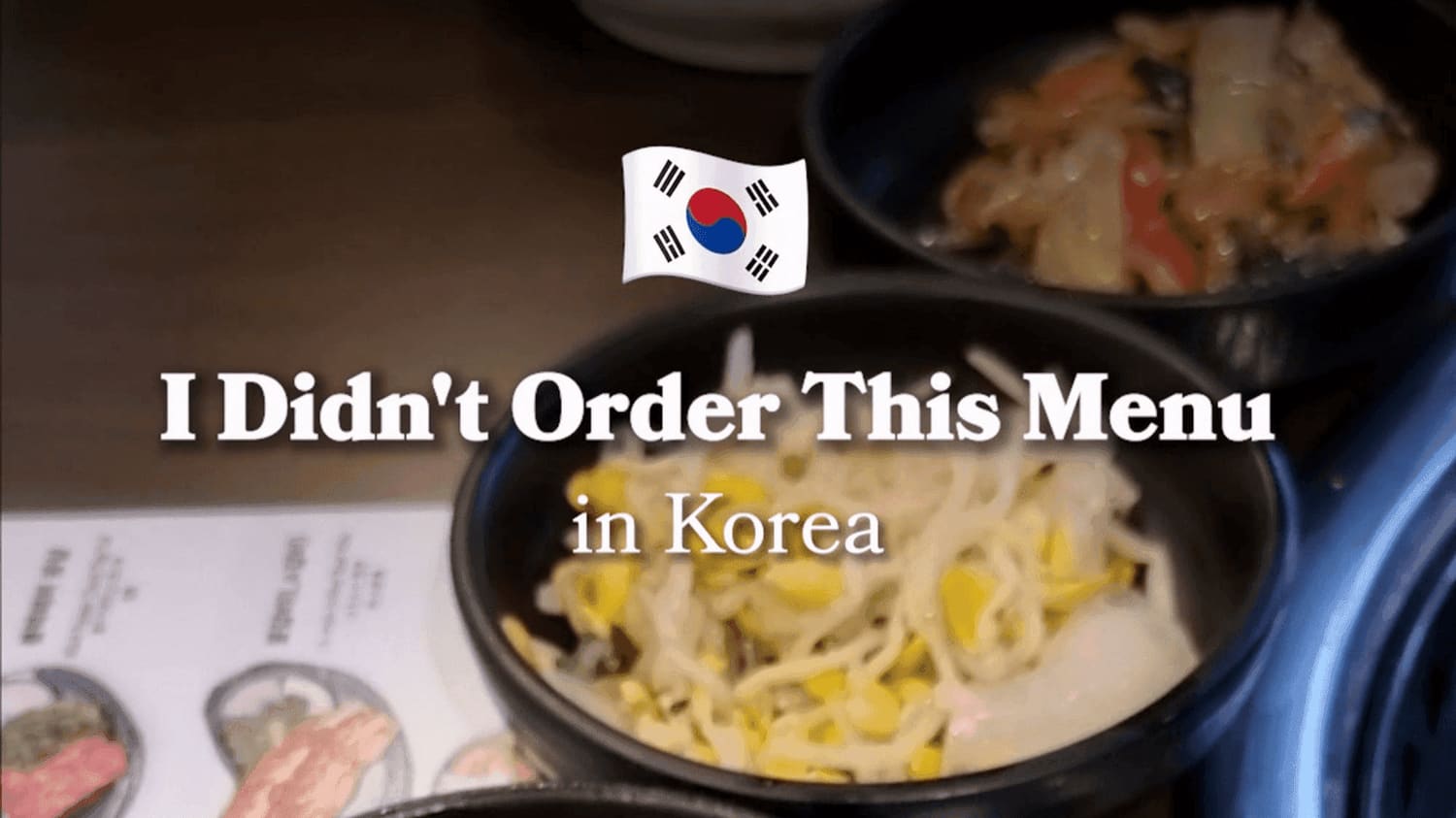
Home-style banchan. The dishes that arrive without being ordered are usually this kind — made in batches, refilled, and not itemised on the bill. Photo by Choikwangmo9, CC0.
Banchan vs. Service: Two Different Ideas
Travelers often mix up two Korean restaurant ideas: banchan and service.
Banchan means side dishes. They are expected with many meals. They may change by restaurant, season, day, price point, and main dish. A neighborhood stew shop may give two or three. A baekban restaurant may give seven or more. A barbecue place may give wrapping greens, sauces, kimchi, onion salad, and pickles.
Service is different. Koreans use the English word "service" to mean a complimentary item from the restaurant. It might be a small bottle of soda, a steamed egg, a plate of dumplings, a small pancake, or an extra dessert. Service is not guaranteed. It may happen because you ordered a lot, the owner is friendly, you are a regular, the restaurant is promoting something, or the staff simply wants to be kind.
The important etiquette difference is this: you can usually ask for a basic banchan refill, but you should not ask the restaurant to give you "service." If it comes, say thank you. If it does not, that is normal too.
How to Ask for a Refill Politely
The easiest phrase is:
- Banchan jom deo juseyo. "Please give us a little more side dishes."
If you want a specific item:
- Kimchi jom deo juseyo. "Please give us a little more kimchi."
- Ssam jom deo juseyo. "Please give us more wrapping greens."
- Ssamjang jom deo juseyo. "Please give us more ssamjang."
Use jom, meaning "a little," because it softens the request. You do not have to speak perfect Korean. Pointing to the empty plate with a smile usually works. At self-service banchan bars, take a small amount first and return for more if you finish it.
What Not to Do With Free Side Dishes
Free side dishes are not a challenge to take as much as possible. Korean restaurants have been dealing with rising ingredient costs, labor costs, and food waste. A polite diner asks for what the table will actually eat.
Avoid these common mistakes:
- Do not ask for refills before tasting what is already there.
- Do not take a mountain of food from a self-service banchan bar.
- Do not assume every dish on a shared table can be packed to go.
- Do not ask for "service" as if it is a menu benefit.
- Do not complain that a casual restaurant gives fewer banchan than a viral video showed.
The best local habit is modest abundance: eat, refill, finish, repeat if needed.
Which Restaurants Usually Give the Most Banchan?
The banchan experience changes dramatically by restaurant type. If you are planning a Korea food trip, choose the format that matches what you want.
| Restaurant Type | Banchan Style | Best For | What to Watch |
|---|---|---|---|
| Baekban or home-style diner | Several rotating side dishes with rice and soup | Classic everyday Korean meal | Menu may be Korean-only in local areas. |
| Korean barbecue | Greens, sauces, kimchi, onion salad, pickles | Shared dinner and first Korea trip | Extra meat and rice are paid. |
| Soup restaurants | Kimchi, radish kimchi, peppers, sometimes onion | Breakfast, solo meals, cold days | Simple banchan can still be excellent. |
| Noodle shops | Kimchi, pickled radish, sometimes one more side | Fast lunch | Fewer plates are normal. |
| Modern cafes or fusion spots | Often little or none | Trendy atmosphere | Do not expect a traditional spread. |
For a deeper explanation of the side-dish system itself, read our broader Korean banchan guide. If you are planning morning meals, pair this with our guide to what Koreans eat for breakfast.
Why Kimchi Refills Feel So Normal
Kimchi is not just a famous Korean food; it is often a baseline part of the meal. UNESCO's page on kimjang, the making and sharing of kimchi, explains how kimchi-making is tied to seasonal preparation and community life in Korea. That background helps explain why kimchi at a restaurant is treated less like a premium garnish and more like a table essential.
This also explains the emotional side. If a Korean restaurant's kimchi is good, people remember it. Some soup restaurants become famous because their kkakdugi, cubed radish kimchi, fits the broth perfectly. Some barbecue places are loved because they grill kimchi on the pan. The side dish can quietly become the reason people return.
Is There Tipping for Extra Banchan?
In ordinary Korean restaurants, tipping is not expected. You do not need to tip because the staff refilled kimchi or brought more lettuce. In fact, trying to leave a small tip can confuse staff in some casual places.
That said, gratitude still matters. A clear "thank you," a smile, and not wasting refills do more than a forced tip. If you received unusual help, such as staff explaining how to grill meat, helping with allergies, or handling a complicated group order, polite thanks is enough unless the specific venue has a different service model.
Banchan and Food Allergies
Banchan can contain seafood, sesame, soy, wheat, eggs, nuts, anchovy broth, fermented seafood, or chili pastes. Vegetarian and allergy-sensitive travelers should be careful because a vegetable-looking side dish may still contain fish sauce, shrimp paste, anchovy broth, or meat seasoning.
Useful phrases:
- Saewoo allergy isseoyo. "I have a shrimp allergy."
- Haesanmul allergy isseoyo. "I have a seafood allergy."
- Gogi an meogeoyo. "I do not eat meat."
For serious allergies, carry a translated allergy card. Banchan recipes vary by restaurant, and busy staff may not know every ingredient immediately.
How to Build a Banchan-Style Table at Home
You do not need twenty plates to recreate the logic of a Korean table. Think in contrasts:
- one fermented item, such as kimchi;
- one fresh or crunchy item, such as cucumber or lettuce;
- one savory protein, such as egg, tofu, fish cake, or meat;
- one sauce, such as gochujang or ssamjang;
- rice or noodles as the base.
That small structure teaches the real lesson of Korean dining. Banchan is not about showing off quantity. It is about making each bite adjustable.
Build a simple Korean table: If you cook at home, compare basics like gochujang and ssamjang before adding too many specialty sauces.
See gochujang on Amazon
Video Insight: The Generous Table
FAQ
Q: Are banchan side dishes always free in Korea?
No. Basic banchan is often included at casual Korean restaurants, but policies vary. Premium items, rice, noodles, meat, seafood, and special dishes usually cost extra.
Q: Can I ask for unlimited kimchi refills?
You can often ask for more kimchi, but it is better to ask in small amounts and finish what you receive. Unlimited does not mean wasteful.
Q: What does "service" mean in a Korean restaurant?
"Service" means a complimentary item from the restaurant. It is a gift or goodwill gesture, not something customers should demand.
Q: Do Korean restaurants charge for lettuce at barbecue?
Many barbecue restaurants include basic lettuce and wrapping vegetables, but some restaurants charge for extra or premium vegetable sets. Check the menu if unsure.
Q: Should I tip for free side dishes?
No. Tipping is not expected in ordinary Korean restaurants. Polite thanks and not wasting food are the better manners.
Q: Is banchan vegetarian?
Not always. Vegetable side dishes can contain fish sauce, shrimp paste, anchovy broth, egg, meat seasoning, or sesame. Travelers with allergies or dietary restrictions should ask carefully.
You Might Also Like
Korean Banchan Guide: Side Dishes, Kimchi, and Table Rules
A practical Korean banchan guide explaining side dishes, kimchi, namul, jang seasonings, table layout, refills, etiquette, and what to try first.
The One Korean Food Foreigners Never Learn to Love: Hamheung Naengmyeon, and Why Koreans Can't See the Problem
Foreigners who eat cheonggukjang and even hongeo still will not pay for this twice. A Korean creator who fed foreigners for years says naengmyeon was the overwhelming number one refusal, and Koreans, who rank it first every summer, cannot see why.
Korean Kitchen Scissors: Why Koreans Cut Meat and Noodles at the Table, and Why It Is Not an Office Scissor
Scissors on a restaurant table look wrong to most of the world and normal to every Korean. The tool is not a desk scissor: thick blades, one serrated edge, big rings, often detachable, built for galbi and cold noodles. Where it came from, and which one to buy.