Korean Reserve Force Guide: Training, Lunch Boxes, and Duty
South Korea's military service does not end neatly on the day a man leaves active duty. For many discharged soldiers, a second, quieter phase begins: the Reserve Force, commonly called yebigun in Korean. It is not the dramatic version of military life that appears in films. It is closer to a recurring civic obligation: notifications, uniforms, training centers, refresher drills, old memories, awkward jokes, and yes, the lunch box that somehow becomes the emotional center of the day.
For international readers, the reserve system helps explain why military service remains so visible in Korean everyday life. It appears in job schedules, campus life, dating conversations, comedy, workplace complaints, family calendars, and national-security debates. A man can be a student, office worker, startup founder, teacher, or new father and still have reserve obligations after discharge.
This guide explains what yebigun is, why the reserve period matters, what the lunch-box debate reveals about respect and public service, and how to talk about Korean military duty without turning it into a stereotype.
Books on Korean culture and modern history — compare on AmazonAffiliate link. As an Amazon Associate, EpicKor earns from qualifying purchases at no extra cost to you.
Quick Answer: What Is Yebigun in Korea?
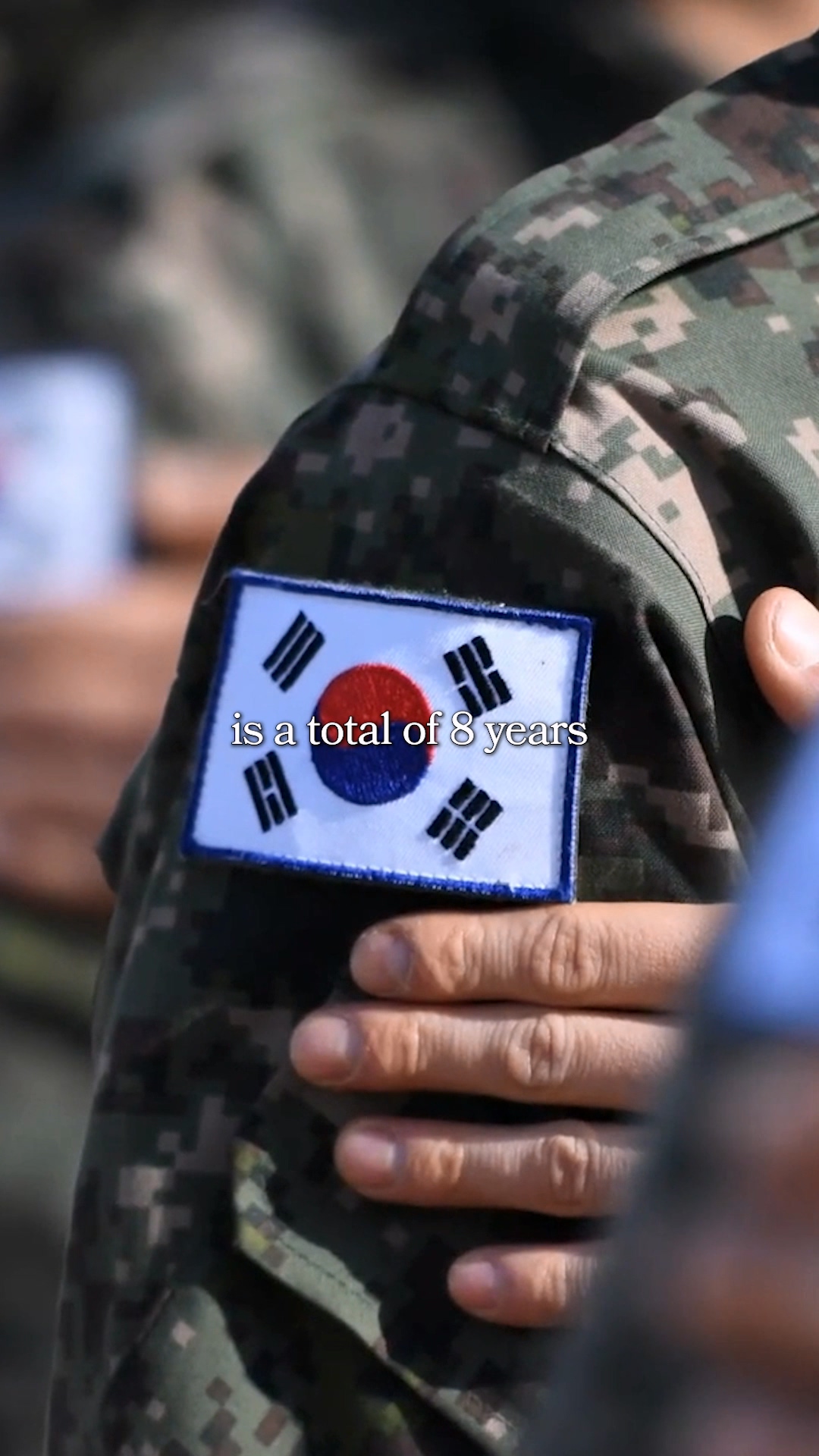
Yebigun means South Korea's reserve force. After active-duty service, many former service members are assigned to reserve obligations for years, with training requirements depending on year, status, and assignment. Korea's Military Manpower Administration describes the military-service process as including reserve forces for 8 years, and the Ministry of National Defense's reserve-training information explains how training types differ by year and designation.
The exact training schedule can change by category, year, and policy updates. In general, early reserve years can include more substantial mobilization or local-reserve training, while later years are lighter or focused on remaining obligations. Do not rely on a meme or old YouTube clip for exact current rules. Korean reservists check official notices, unit instructions, and reserve-force portals.
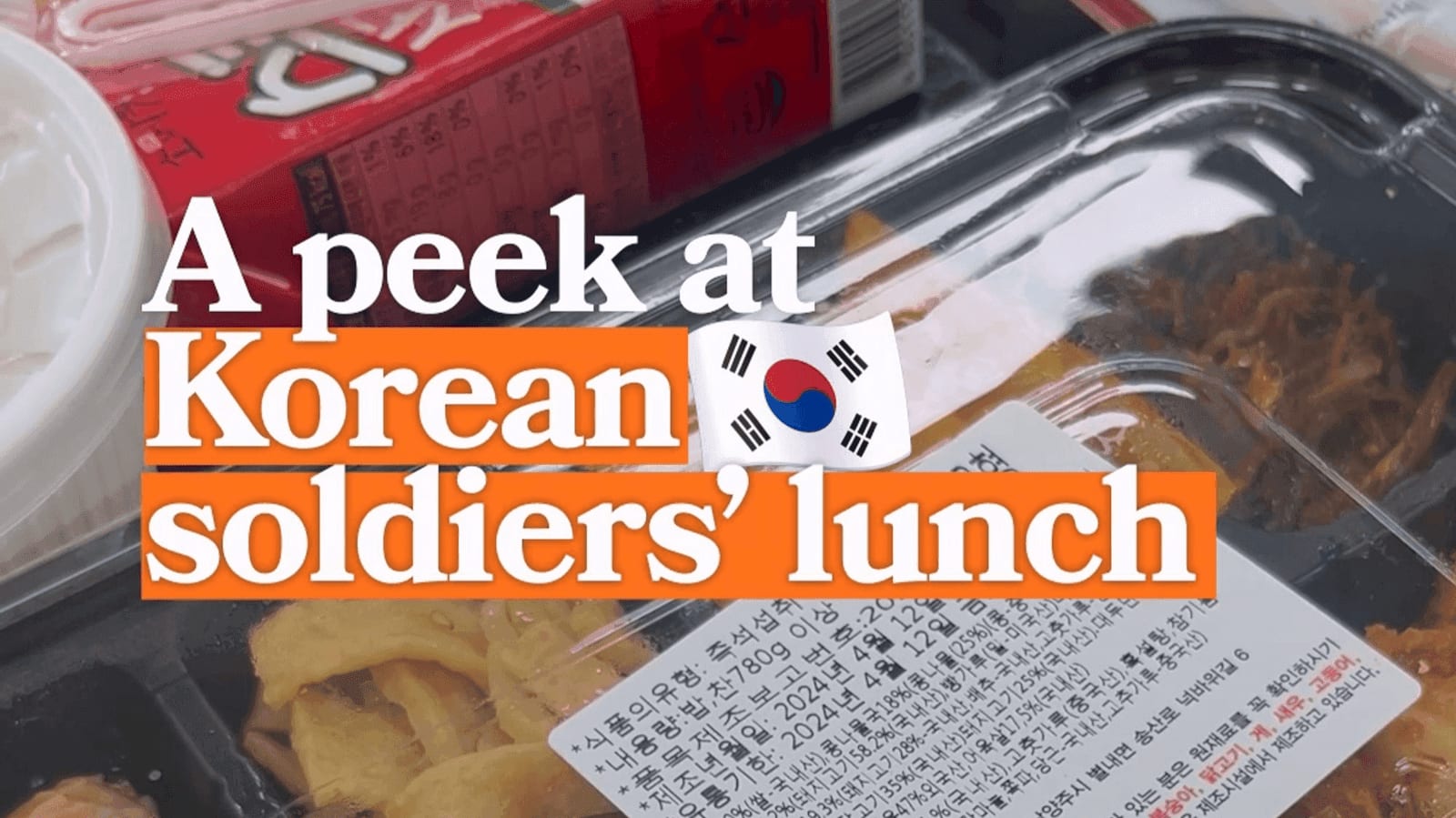
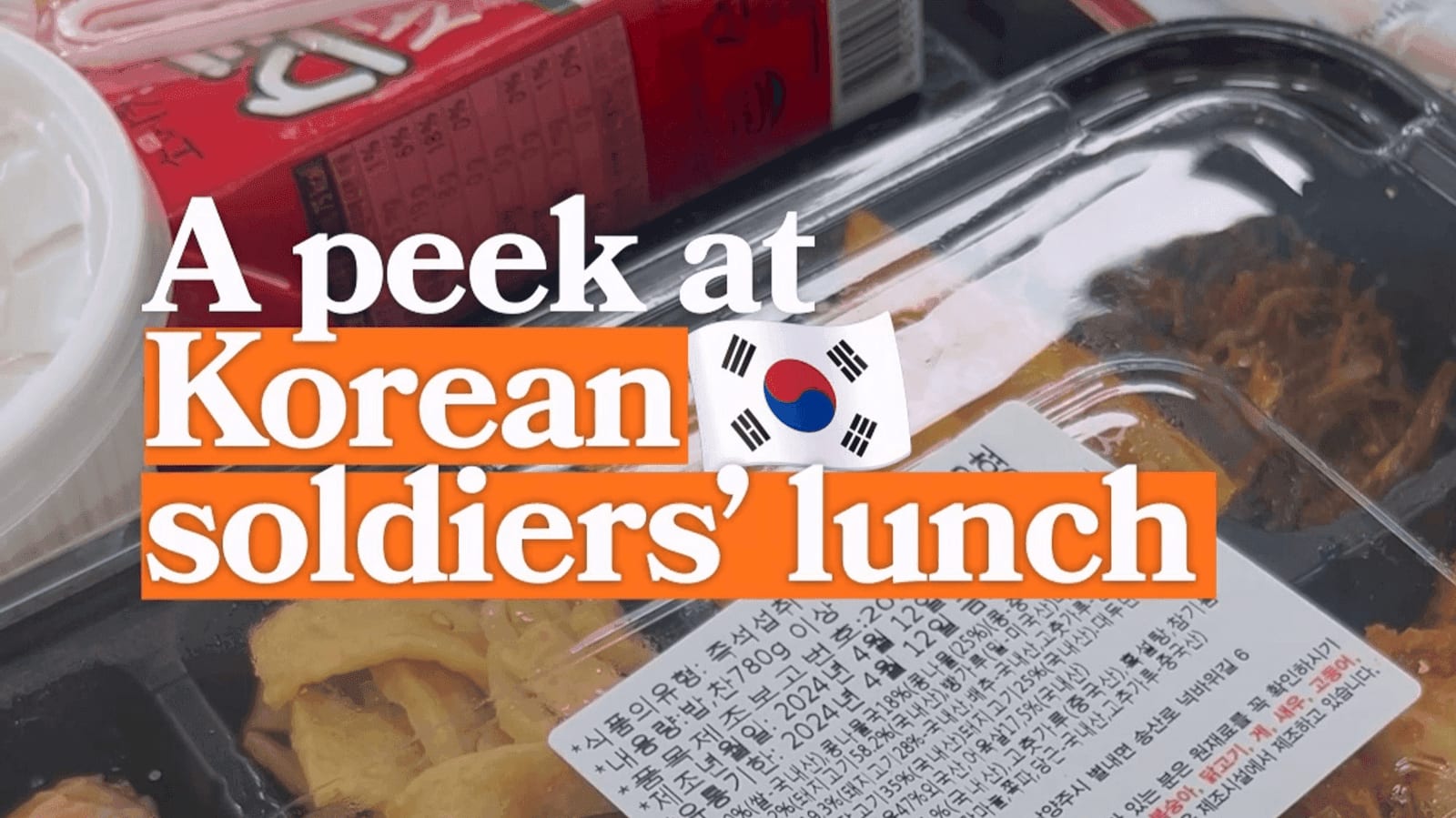
The lunch box matters because reserve training interrupts civilian life. When people take time away from work, study, or family to fulfill a national obligation, the quality of the meal becomes a visible symbol of how seriously the system respects them. A bad lunch can feel like more than bad food. It can feel like the state is asking for duty while giving back the minimum.
| Reserve Topic | Plain Meaning | Why Koreans Talk About It | Visitor Takeaway |
|---|---|---|---|
| Yebigun | Reserve-force obligation after service | It keeps military duty inside civilian life | Do not assume discharge means the topic disappears. |
| Training notice | Official call to attend assigned training | It affects work, school, and family calendars | Rules are practical, not just symbolic. |
| Lunch box | Meal provided during training | Food quality becomes a respect signal | Small details can carry public-service meaning. |
| Old uniform | Civilian returns briefly to military role | It creates humor, nostalgia, and irritation | Military memories are not identical for everyone. |
How the Reserve System Fits Korea's Security Reality
South Korea's reserve system exists because the Korean Peninsula remains shaped by the 1953 armistice. The country has a large standing military, mandatory service for many men, and a reserve structure designed to support mobilization if needed. That does not mean every reservist thinks about war every day. It means the system treats national defense as a continuing civic infrastructure.
This is why yebigun jokes often mix seriousness and exhaustion. A reservist may complain about waking early, wearing old boots, commuting to a training site, listening to instructions, and eating a mediocre meal. The same person also understands that the system comes from a real security environment. Korean humor often lives in that contradiction: the obligation is serious, the daily experience can be absurd.
For broader context, read EpicKor's Korean War armistice guide. It explains why Seoul can feel completely normal while still operating under an unresolved armistice structure.
Context before hot takes: As an Amazon Associate, EpicKor may earn from qualifying purchases. If Korean military duty feels hard to interpret from memes alone, compare books on Korean culture and modern history for background on war, development, and civic obligation.
The Training Day: Why It Feels Like a Time Loop
For many Korean men, reserve training feels like stepping into an old version of themselves. They may be older, employed, married, or studying for a credential, but the uniform pulls them back into military speech, hierarchy, and group routines. The training site can feel familiar and strange at the same time.
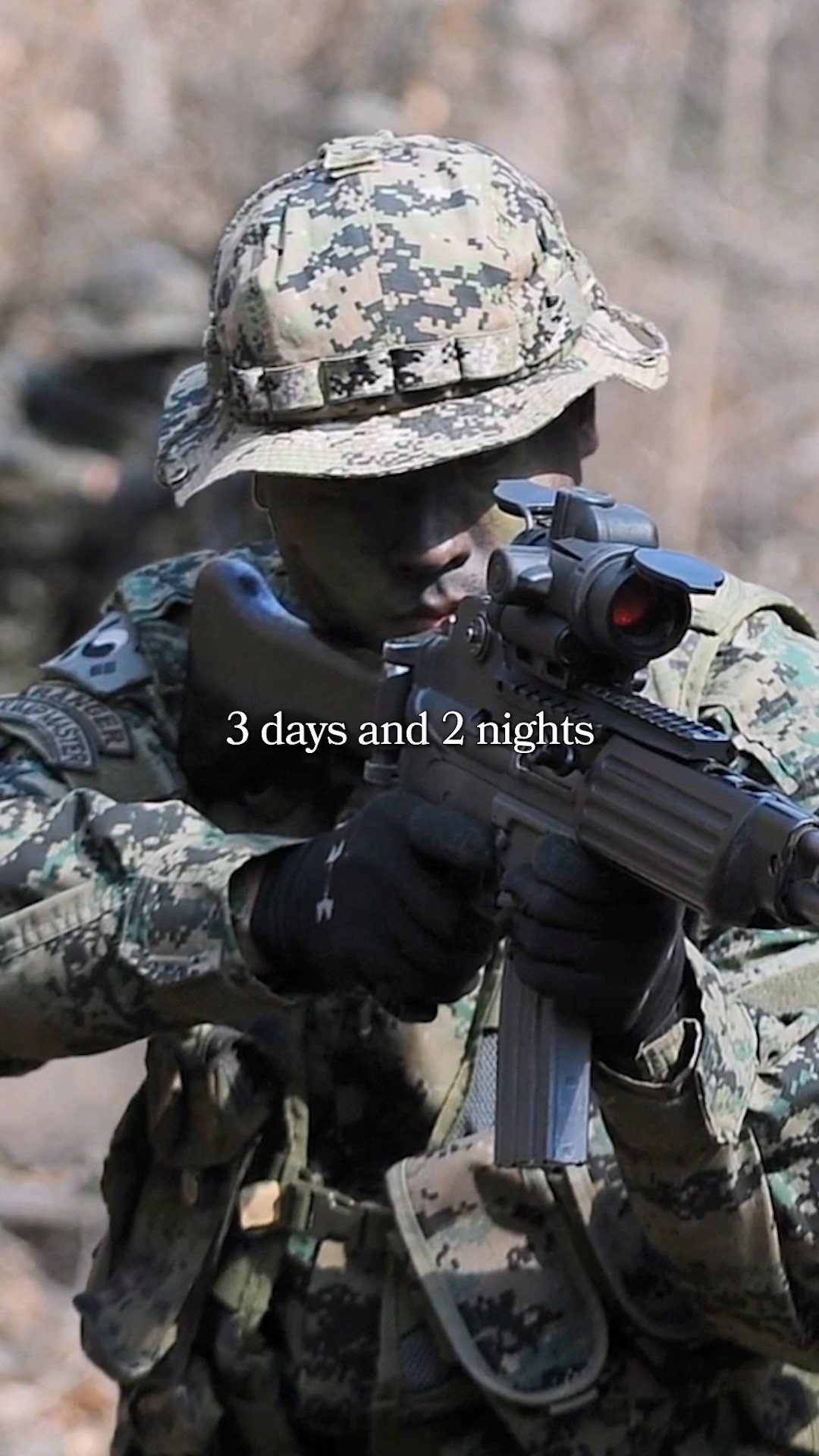
The day is often less cinematic than outsiders imagine. There may be administrative checks, safety briefings, weapons familiarization, field or mobilization drills, civil-defense elements, videos, group movement, waiting, and practical instruction. The experience depends heavily on year, category, unit, location, and current policy.
The emotional rhythm is predictable: annoyance before going, jokes during the day, relief when it ends, and online commentary about whether the meal was decent. That commentary is not trivial. It is how people process a system they cannot simply opt out of.
Why the Lunch Box Becomes a National Debate
Food has a special role in Korean public life. School meals, military meals, hospital meals, airline meals, company cafeterias, and festival food all become public judgment points. In the reserve-force context, the meal is one of the few tangible things a reservist receives during the day. That makes it symbolic.
A good lunch box says: your time and service are recognized. A bad one says: you are being processed. Online, a single photo of a poor meal can travel quickly because many people immediately understand the feeling behind it. Even people who never attended that training can judge the gap between obligation and care.
This is similar to active-duty meal debates. Korea has repeatedly discussed military-food quality, menu modernization, supplier systems, and the need to respect service members through ordinary welfare, not only patriotic language. The lesson is not that every meal is bad. The lesson is that food is a public-service interface. People judge institutions by what they serve.
| Lunch-Box Detail | What People Notice | Why It Matters | Better Standard |
|---|---|---|---|
| Portion | Enough rice, protein, and side dishes | Training days are long and physical | Fuel, not token food. |
| Temperature | Whether hot food is actually warm | Cold food feels careless | Delivery and storage need control. |
| Balance | Protein, vegetables, soup or drink, sodium load | Meal quality affects mood and energy | Practical nutrition, not luxury. |
| Presentation | Does it look thrown together? | Respect is read visually | Clean packing and clear components. |
The Gender and Workplace Side of Reserve Duty
Reserve-force culture is also part of Korea's gender and workplace conversation. Mandatory military service affects many men's early adulthood, career timing, campus life, and social identity. Reserve training then returns after discharge, sometimes disrupting work schedules or school obligations. Women, exempted men, alternative-service personnel, and foreign residents may experience the topic differently.
This can produce both empathy and friction. Some men feel military service is insufficiently recognized. Some women feel the topic is used to dismiss their own career or safety burdens. Some employers handle reserve training smoothly; others make scheduling feel stressful even when the obligation is legitimate.
The safest way to discuss it is to avoid one-line conclusions. Military service is not one identical experience. Some people remember hardship, some friendship, some boredom, some trauma, some pride, and some simply lost time. Reserve training can revive all of that.
How Foreigners Should Talk About It
If you are visiting Korea or making Korean friends, do not treat yebigun as a joke you fully understand after one clip. Ask practical questions. "How long does reserve training last for you?" "Does your workplace give time off easily?" "Was the food really that bad?" "Do people take it seriously?" These questions invite stories rather than arguments.
Avoid telling Koreans they should be more militarized or less militarized. Avoid using North Korea headlines as a casual provocation. Avoid turning service into a masculinity test. Also avoid assuming every Korean man wants to discuss his service in detail. Some do; some really do not.
For communication etiquette, pair this with EpicKor's how to avoid conflict in Korea guide and first-time Korea guide. Military duty can be a sensitive topic because it touches fairness, class, gender, health, family, and national security at once.
Related EpicKor Guides
- Korean War Armistice and Daily Life - the security background behind reserve obligations.
- Top Jobs in Korea - useful for understanding how work, status, and public duty overlap.
- How to Avoid Conflict in Korea - for discussing sensitive topics without turning curiosity into provocation.
- Korean everyday food guide - for readers interested in how Korean everyday food becomes cultural shorthand.
Language for real conversations: If you are asking Korean friends about service, reserve training, or public duty, compare Korean phrasebooks so your questions sound respectful rather than blunt.
See Korean phrasebooks on AmazonFAQ
Q: What does yebigun mean? A: Yebigun refers to South Korea's reserve forces. Many former service members have reserve obligations after active duty, with training depending on year, category, and assignment.
Q: Is reserve training really eight years? A: Korea's official military-service process describes reserve forces as an eight-year phase after service for many former service members. Exact training requirements vary by year and status.
Q: Why do Koreans joke so much about reserve training? A: It interrupts civilian life and briefly returns people to military routines. The experience can feel serious, boring, nostalgic, and absurd all at once.
Q: Why does the lunch box matter so much? A: The meal is a visible sign of how the system treats people who give time to public duty. A poor lunch can feel like disrespect, not just bad catering.
Q: Do all Korean men have the same military experience? A: No. Service branch, health status, duty type, unit, era, rank, family situation, and workplace all change the experience. Avoid treating one story as universal.
Q: Can foreigners attend or watch reserve training? A: No, not casually. Reserve training is a military obligation, not a tourist activity. Learn through official sources, museums, public explainers, and respectful conversation.
Sources and Further Reading
- Military Manpower Administration: Military Service Process
- Republic of Korea Ministry of National Defense: Reserve training information
- Korea Law Information Center: Reserve-force education and training directive
- Korea policy briefing: military meal improvements
Video Insight: The Reservist Life
You Might Also Like
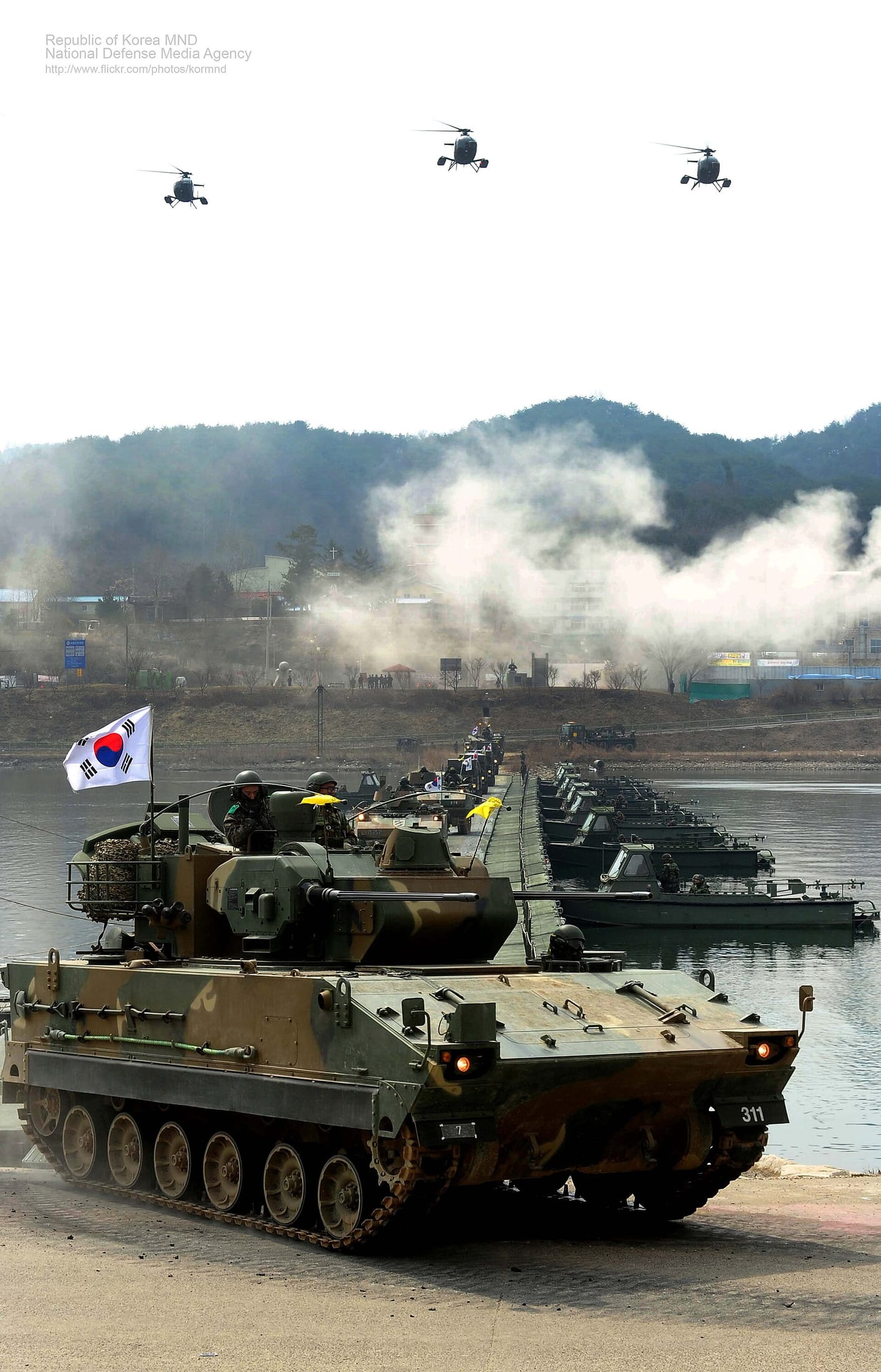
Korean Military Service Explained: BTS, Timelines, and Daily Life
How Korean military service works in 2026, including service lengths, eligibility, BTS completion, daily life, leave, phones, pay, and reserve duty.
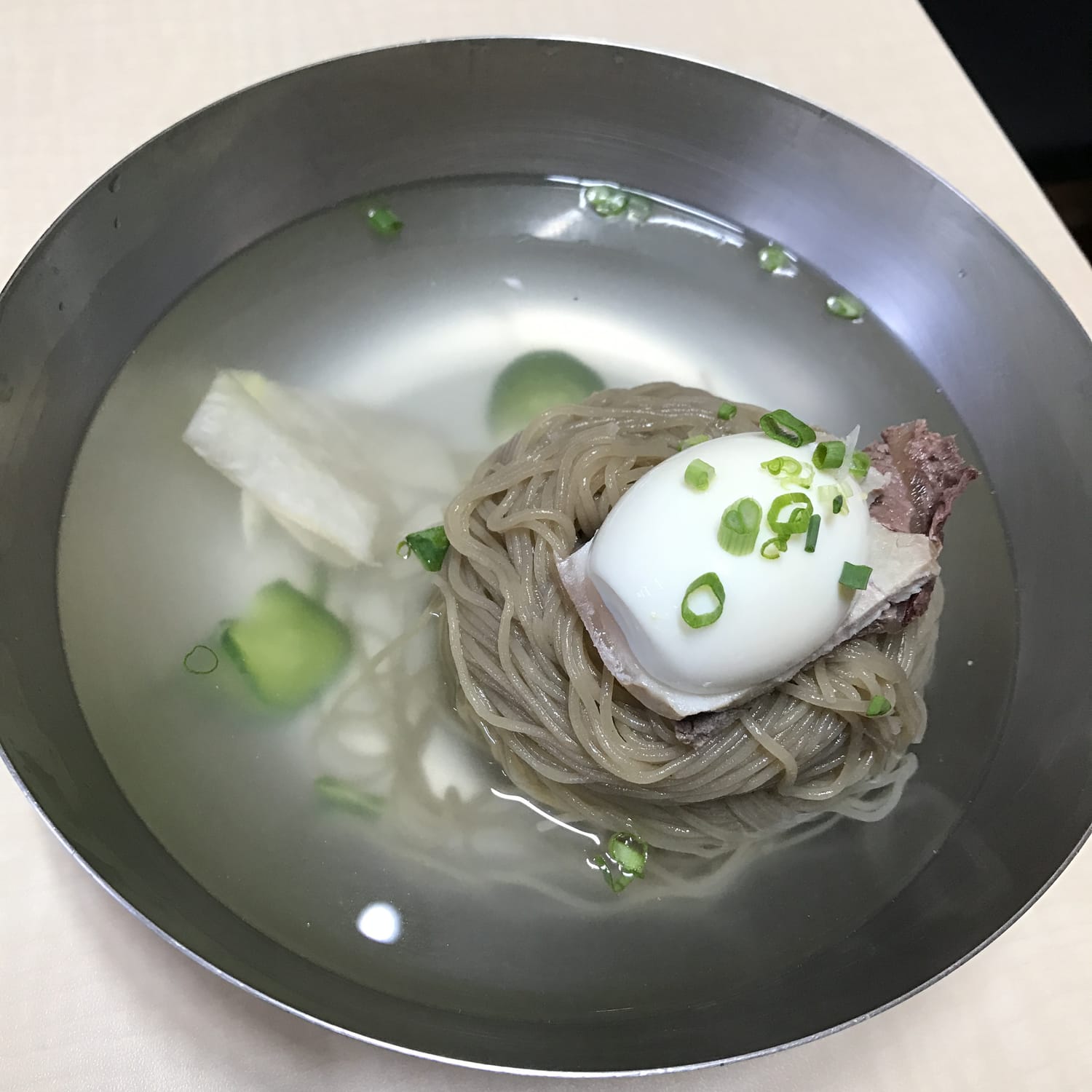
The One Korean Food Foreigners Never Learn to Love: Hamheung Naengmyeon, and Why Koreans Can't See the Problem
Foreigners who eat cheonggukjang and even hongeo still will not pay for this twice. A Korean creator who fed foreigners for years says naengmyeon was the overwhelming number one refusal, and Koreans, who rank it first every summer, cannot see why.
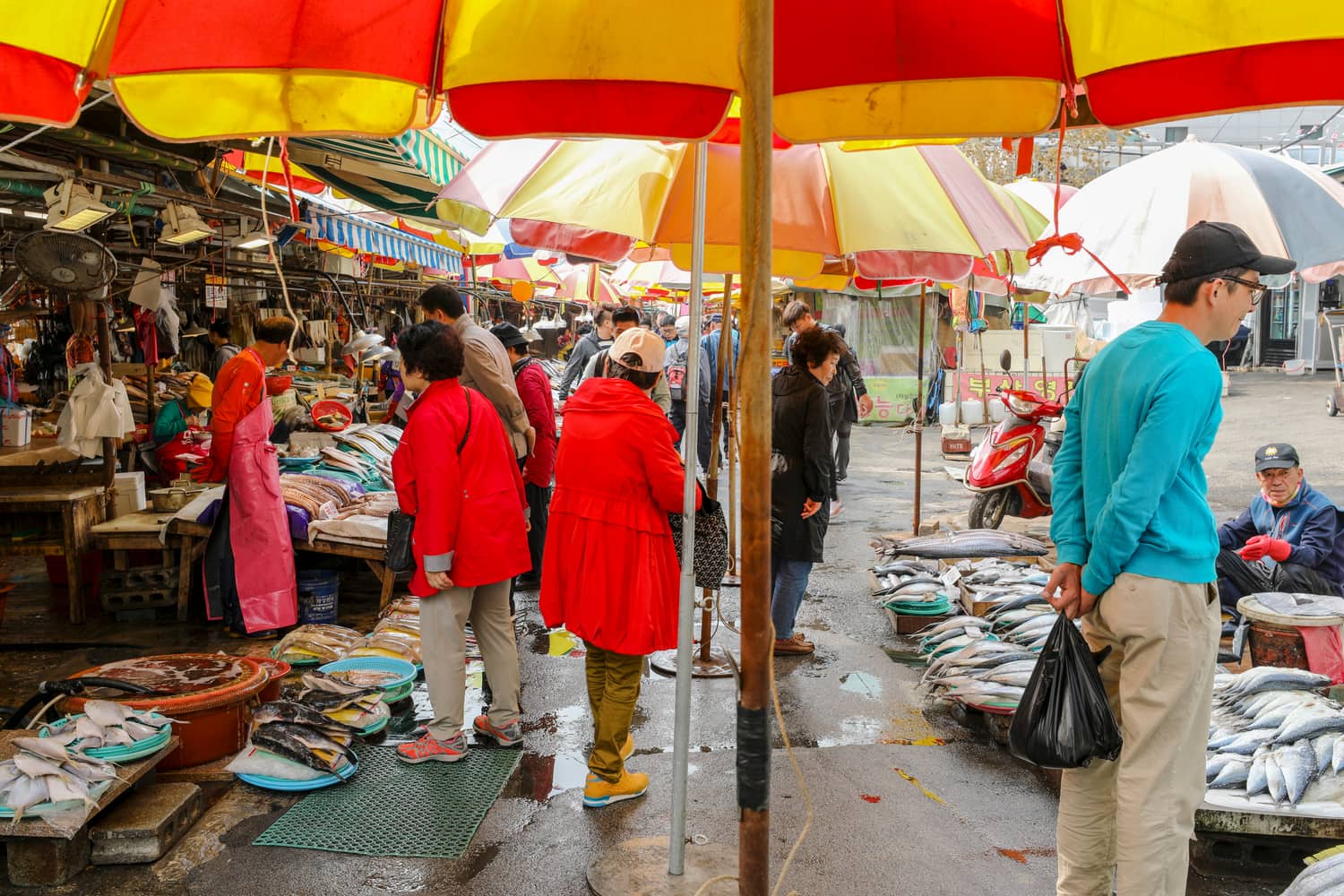
Why Do Koreans Stare at Foreigners? The 5% Country, and Where the Looking Actually Happens
In central Seoul nobody looks at you. In a provincial market, a small town or a subway car of grandmothers, they do. Korea only became a 5%-foreign country in 2025. Where the staring happens, what it means and does not mean, and what to do with it.