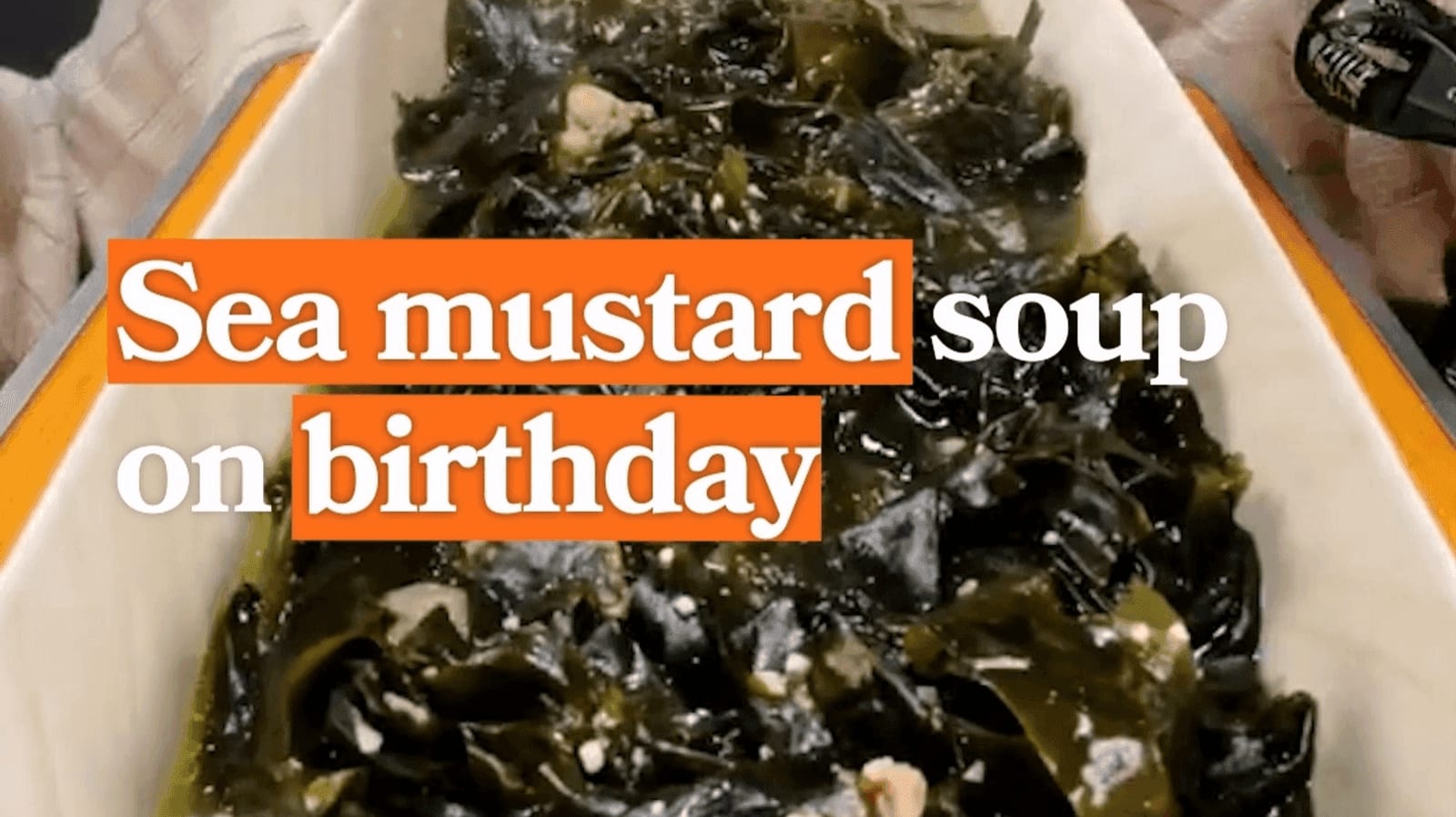
Miyeokguk Guide: Why Koreans Eat Seaweed Soup on Birthdays
Miyeokguk, Korean seaweed soup, is the quietest birthday food in Korea and one of the most meaningful. There may be cake later. There may be gifts, candles, photos, or a restaurant dinner. But many Koreans still begin the day with a bowl of seaweed soup because the dish points backward: to birth, to the mother, and to the care that made the birthday possible.
This guide explains why miyeokguk matters, what goes into the soup, how the postpartum tradition became a birthday ritual, why some Koreans avoid it before exams, and how to understand the health language without turning culture into medical advice. For wider Korean home-food context, pair it with EpicKor's Korean breakfast guide, Korean banchan culture guide, Korean pantry starter kit, and samgyetang guide.
The Short Answer
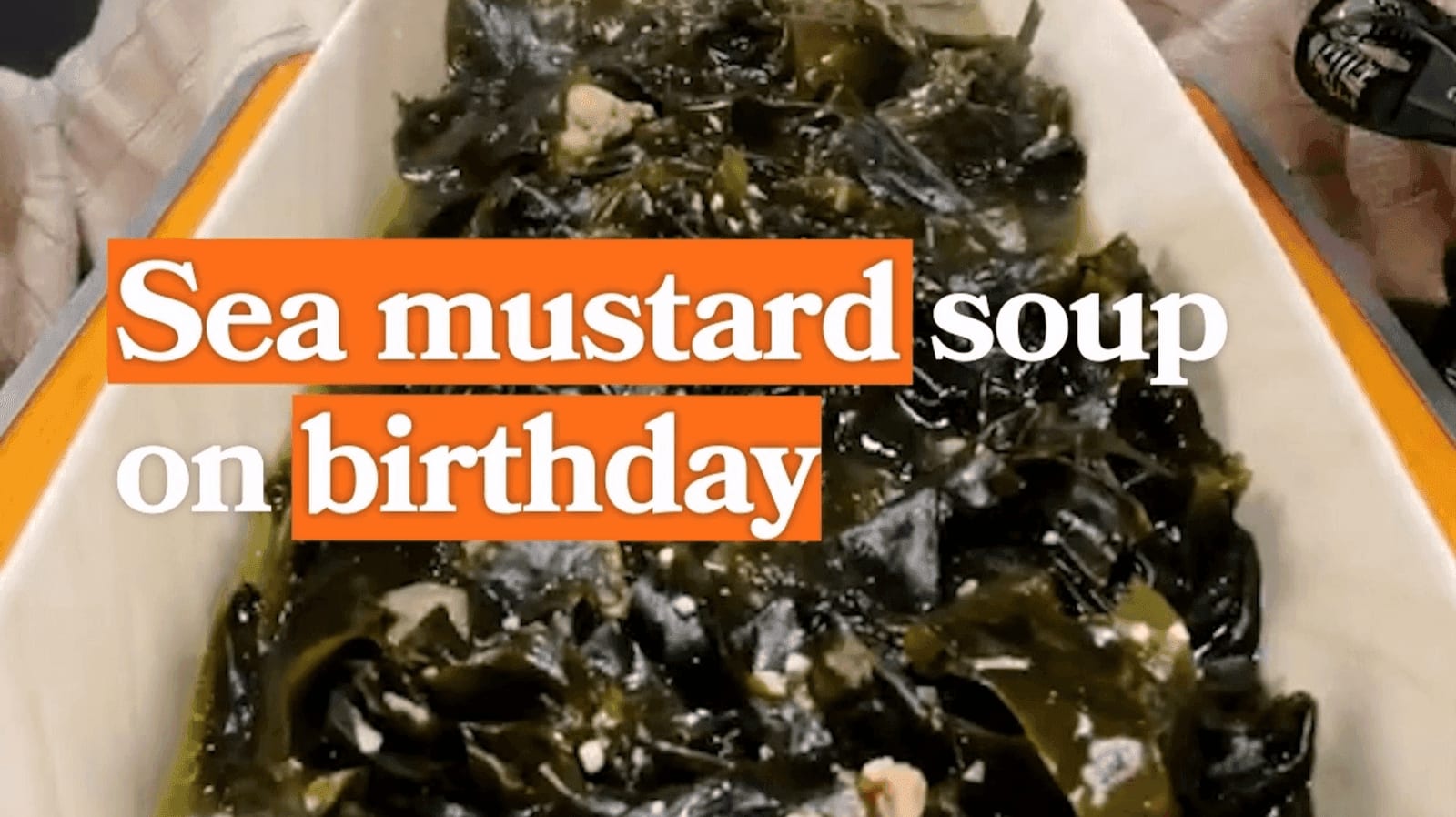
Koreans eat miyeokguk on birthdays because the soup is connected to childbirth and postpartum care. A mother traditionally eats seaweed soup after giving birth, and the birthday bowl symbolically remembers that beginning. It is not only "happy birthday food." It is gratitude food.
The basic soup is made with soaked dried seaweed, sesame oil, soy sauce or soup soy sauce, garlic, broth or water, and often beef, mussels, clams, fish, or anchovy-based stock depending on family and region. VisitKorea describes seaweed soup as a dish made by boiling beef broth and seaweed, then seasoning with soy sauce and sesame oil, while coastal versions may use clams or white fish.
| Question | Simple answer | What to remember |
|---|---|---|
| Why birthdays? | It honors the mother and the birth story. | The mood is gratitude, not party spectacle. |
| Why seaweed? | It is tied to Korean postpartum food tradition. | Do not turn tradition into guaranteed medical claims. |
| Is it always beef? | No. Beef is common, but seafood and vegetarian versions exist. | The seaweed is the anchor. |
| Why avoid it before exams? | Because slippery seaweed is linked to "slipping" or failing. | It is superstition and wordplay, not nutrition. |
Bibigo Korean BBQ flavor seaweed snacks — compare on AmazonAffiliate link. As an Amazon Associate, EpicKor earns from qualifying purchases at no extra cost to you.
Why This Soup Is Birthday Food
Korea.net's recipe feature describes miyeokguk as a must-eat dish for birthday meals and for mothers who have just given birth. The same official article connects the birthday practice to remembering a mother's love and devotion. That is the emotional center of the dish.
In many countries, birthdays focus on the individual: your cake, your wish, your party. Miyeokguk shifts attention slightly. It says: your life began through someone else's labor and care. Eating the soup is a small ritual of recognition. Some people treat it very seriously. Others eat it casually because their family always did. Either way, the meaning remains available.
That is why miyeokguk can appear in K-dramas as shorthand. If a character cooks it for someone, the gesture often means care, intimacy, family, apology, or emotional repair. A bowl of soup can say what the dialogue is too shy to say.
The Postpartum Connection
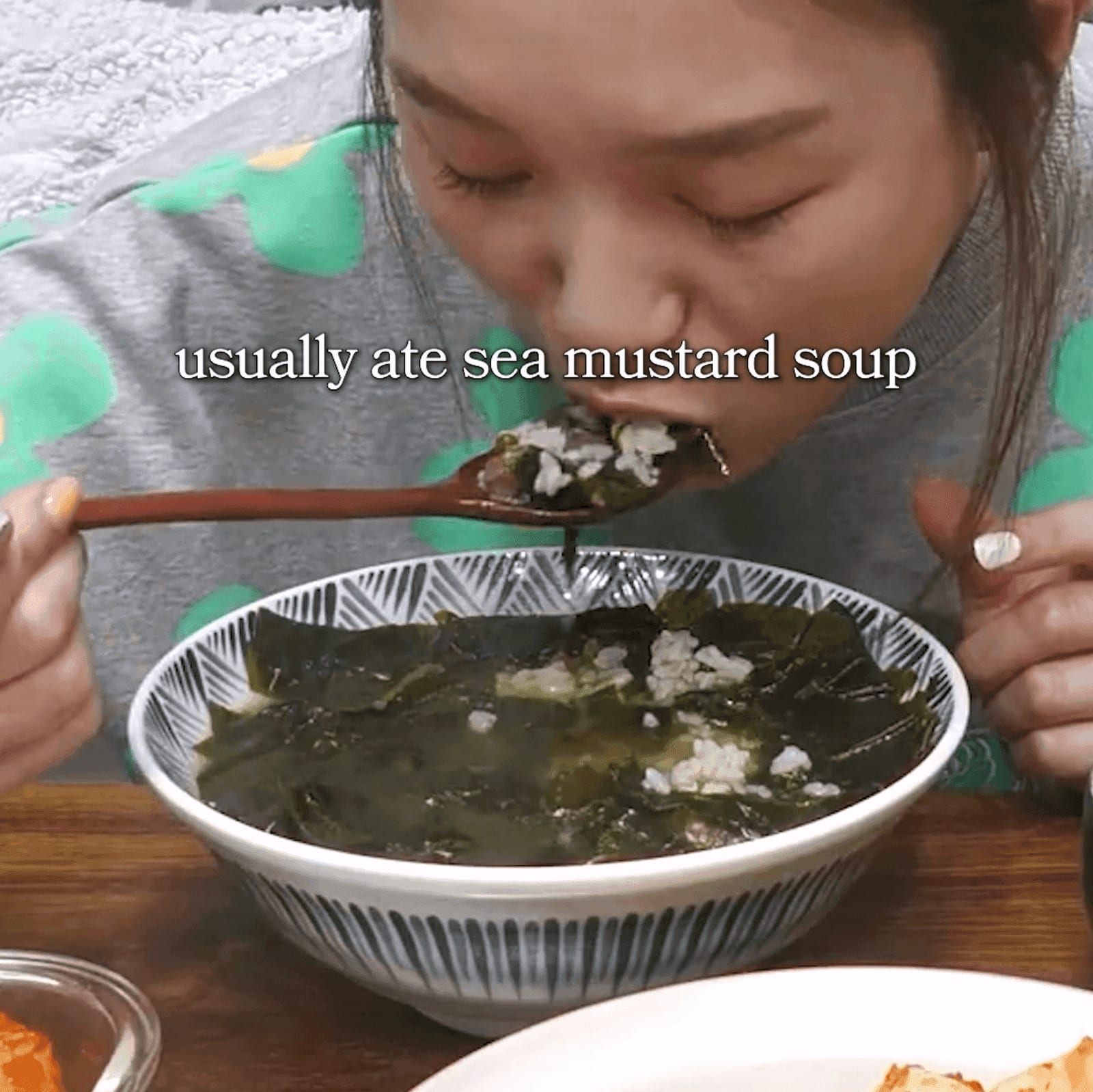
The postpartum connection is older than modern birthday marketing. Korea.net's 2026 coverage of a traditional childbirth-culture exhibition at the National Folk Museum of Korea describes miyeokguk as part of long-standing Korean postpartum care. Koreana's K-uisine feature also frames miyeokguk as a dish commonly served to new mothers and on birthdays.
You may hear strong nutrition claims around seaweed: iodine, calcium, minerals, recovery, breastfeeding, and blood purification. Be careful. Seaweed is a nutrient-rich food, and it has been culturally valued in postpartum care, but individuals have different health needs. Very high iodine intake can be an issue for some people, especially those with thyroid-related concerns. If pregnancy, breastfeeding, thyroid disease, or medical conditions are involved, use professional guidance rather than internet folklore.
The safe cultural reading is this: miyeokguk is a Korean food tradition that connects birth, recovery, warmth, and family care. You can respect that meaning without treating the soup as medicine.
Try the seaweed lane gently: As an Amazon Associate, EpicKor may earn from qualifying purchases. If miyeokguk makes you curious about Korean seaweed flavors, compare Bibigo Korean BBQ flavor seaweed snacks as a low-effort taste before buying a large dried-seaweed pack for soup.
See Bibigo Korean BBQ flavor seaweed snacks on AmazonWhat Goes Into Miyeokguk
The core ingredient is miyeok, usually translated as brown seaweed or wakame-style seaweed. Dried miyeok expands dramatically after soaking, so beginners often use too much. A small dry handful can become a large bowl of seaweed after water does its work.
The classic home method is simple:
- Soak dried seaweed.
- Drain and cut if needed.
- Stir-fry seaweed with sesame oil and beef or another base.
- Add water or broth.
- Simmer until the seaweed softens and the broth tastes rounded.
- Season with soy sauce, soup soy sauce, garlic, and salt as needed.
Beef miyeokguk is common, but it is not the only correct version. Coastal families may use mussels, clams, fish, or anchovy stock. Some households make a very clean version with no meat. Others add perilla oil, different cuts of beef, or longer simmering for a deeper broth.
| Version | Flavor | Best for | Beginner note |
|---|---|---|---|
| Beef miyeokguk | Rich, savory, familiar | Birthday breakfast and home meals | Use small beef pieces and simmer gently. |
| Mussel or clam version | Briny, coastal, lighter | Seafood lovers and coastal-style meals | Clean seafood well and avoid overcooking. |
| Anchovy-stock version | Clear and everyday | Simple home cooking | Good when you want less meat. |
| Vegetarian-style version | Clean and seaweed-forward | Light meals and dietary adaptation | Build depth with sesame oil and good seasoning. |
Birthday Etiquette
If a Korean friend or partner makes miyeokguk for you, treat it as a meaningful gesture. You do not need a dramatic speech, but you should understand that it is not random soup. A simple "thank you" and eating it warmly is enough.
If you are cooking miyeokguk for a Korean person's birthday, ask about their family style if you can. Some people prefer beef. Some prefer seafood. Some want a clear broth. Some like it deeply simmered. Some have dietary restrictions. The dish is traditional, but the "right" version is often family-specific.
If you are invited to a birthday meal and miyeokguk appears, do not joke that it looks plain compared with cake. The plainness is part of its power. It is a meal that remembers care before celebration.

The Exam Superstition
Miyeokguk has one funny contradiction: it is lucky on birthdays and unlucky before exams. The reason is wordplay and texture. Seaweed is slippery, and Korean expressions around "eating miyeokguk" can imply failing an exam or being rejected. Koreana notes this idiomatic connection and the superstition that the slippery texture could cause a slip-up.
This does not mean people literally believe soup controls exam results. Like many food superstitions, it survives because it is memorable, funny, and easy to repeat. Students may avoid miyeokguk before major exams the same way people in other cultures avoid tempting fate before a big day.
The contrast is useful. Miyeokguk is not one-symbol food. On a birthday, it means origin and gratitude. Before an exam, it can mean slipping and failure. Korean food culture is full of these context shifts.
Build a Korean comfort-food night: If soup culture interests you, compare Korean kimchi stew with tofu with a broader Korean food starter pack so your pantry covers more than one soup story.
See Korean kimchi stew with tofu on AmazonHow Miyeokguk Tastes
Miyeokguk is usually gentle. It is not a spicy red stew, and it is not a heavy cream soup. The texture comes from the softened seaweed. The flavor comes from sesame oil, broth, soy sauce, garlic, and the natural ocean note of the miyeok.
A good bowl feels warm, slippery, savory, and slightly briny. It can be breakfast food, postpartum food, birthday food, or quiet dinner food. That flexibility is why the dish survives. It is symbolic enough for ritual but simple enough for ordinary life.
If your first bowl tastes flat, it may need more time, better broth, a little soup soy sauce, or salt. If it tastes too ocean-heavy, use less seaweed next time or pair it with rice and banchan. If the seaweed texture surprises you, cut it smaller after soaking.
The best side dishes are usually simple. Kimchi, rolled egg, seasoned vegetables, roasted gim, or a small fish side can make the soup feel complete without competing with it. Miyeokguk is not trying to dominate the table. It works best as the warm center of a quiet Korean meal.
Quick Home-Cooking Plan
For a first attempt, do not overcomplicate it. Buy dried miyeok from a Korean grocery store, soak much less than you think you need, and make a small pot. Use beef if you want the most familiar birthday-style version. Use anchovy stock or seafood if you prefer a lighter coastal direction.
Cook it one day before a birthday if you are nervous. Miyeokguk often tastes better after resting because the seaweed and broth settle together. Reheat gently and adjust seasoning at the end.
If you are cooking for postpartum care, medical recovery, thyroid concerns, pregnancy, or breastfeeding, do not rely on a blog recipe as health guidance. Ask a qualified professional and follow individual needs.
Sources and Further Reading
- Korea.net recipe feature on miyeokguk seaweed soup.
- Korea.net honorary reporter article on seaweed soup and birthdays.
- Korea.net on traditional childbirth culture and miyeokguk.
- VISITKOREA seaweed soup food profile.
- Koreana K-uisine feature on miyeokguk.
FAQ
Q: Why do Koreans eat miyeokguk on birthdays?
Because the soup is tied to childbirth and postpartum care. Eating it on a birthday is a way to remember and honor the mother who gave birth.
Q: Is miyeokguk always eaten for breakfast?
Many families eat it in the morning, but it can be served at other meals too. The important part is the birthday symbolism, not the exact hour.
Q: Is miyeokguk spicy?
No. Classic miyeokguk is usually a mild, savory seaweed soup seasoned with sesame oil, soy sauce, garlic, broth, and sometimes beef or seafood.
Q: Can vegetarians eat miyeokguk?
Yes, if it is made without beef, seafood, or anchovy stock. Use a vegetarian broth and clear seasoning, but check restaurant versions because many use meat or seafood.
Q: Why do Koreans avoid miyeokguk before exams?
Because slippery seaweed is associated with "slipping" or failing. It is a superstition and idiom, not a medical or nutritional rule.
Q: Is miyeokguk medically necessary after childbirth?
No single food is medically necessary for everyone. Miyeokguk is culturally important and nutrient-rich, but postpartum, thyroid, pregnancy, and breastfeeding needs should be discussed with qualified professionals.
You Might Also Like
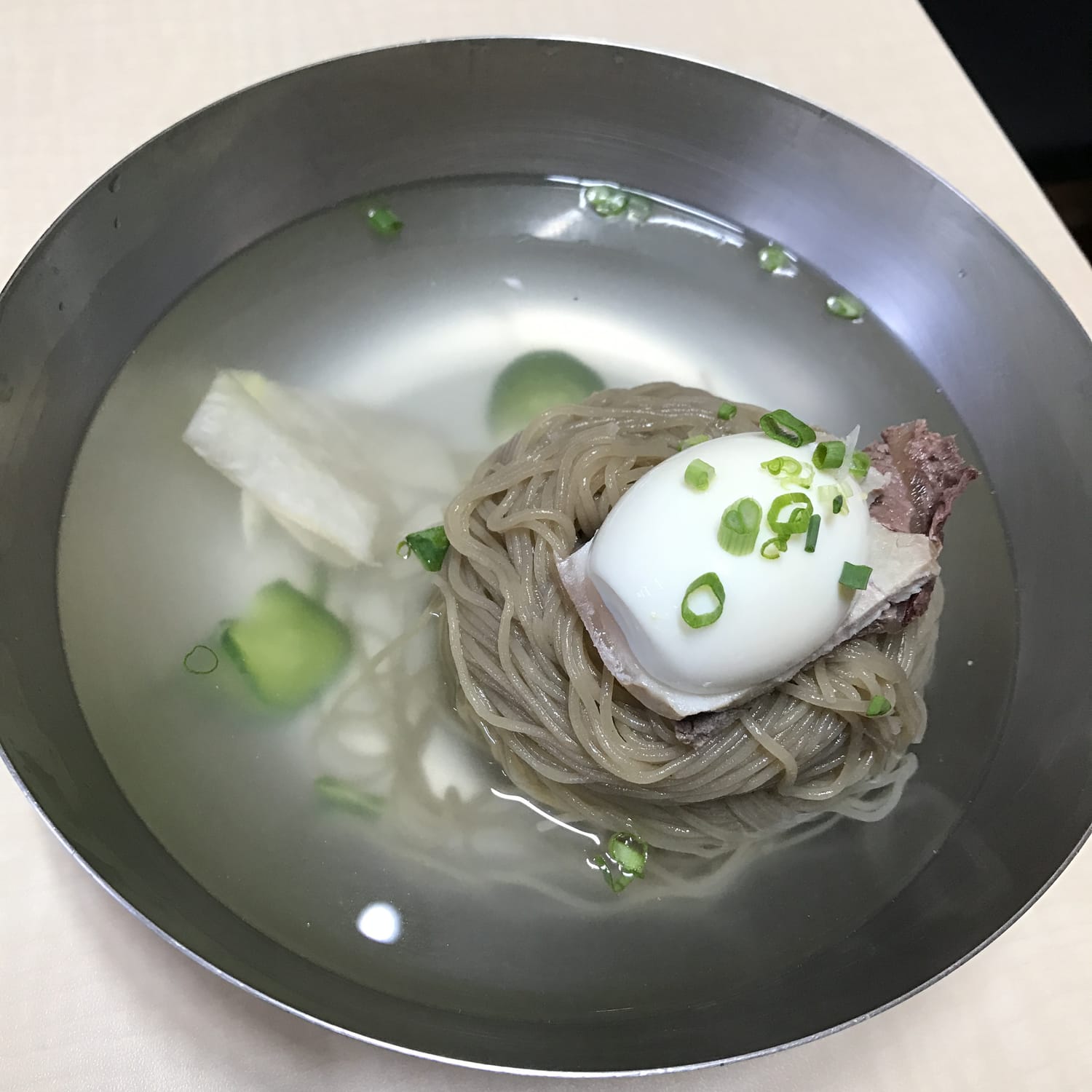
The One Korean Food Foreigners Never Learn to Love: Hamheung Naengmyeon, and Why Koreans Can't See the Problem
Foreigners who eat cheonggukjang and even hongeo still will not pay for this twice. A Korean creator who fed foreigners for years says naengmyeon was the overwhelming number one refusal, and Koreans, who rank it first every summer, cannot see why.

Korea's Spam Gift Sets Explained: What the Numbers Mean and Which One to Buy
Spam is a serious Chuseok gift in Korea, and the sets are sold by number. Lower number means bigger box — 1호 is twelve 340g cans, 12호 is eight 200g. The price printed on the box is fiction: every set is selling 40-45% below it right now.
Maxim Coffee Mix: Korea Invented the Coffee Stick, and Still Drinks 8 Billion a Year
Coffee mix is a Korean invention: Dongsuh Foods sealed coffee, creamer and sugar into one packet in December 1976, and Korea still drinks about 8 billion sticks a year. What Maxim costs this month, how sweet it really is, and which stick to buy.