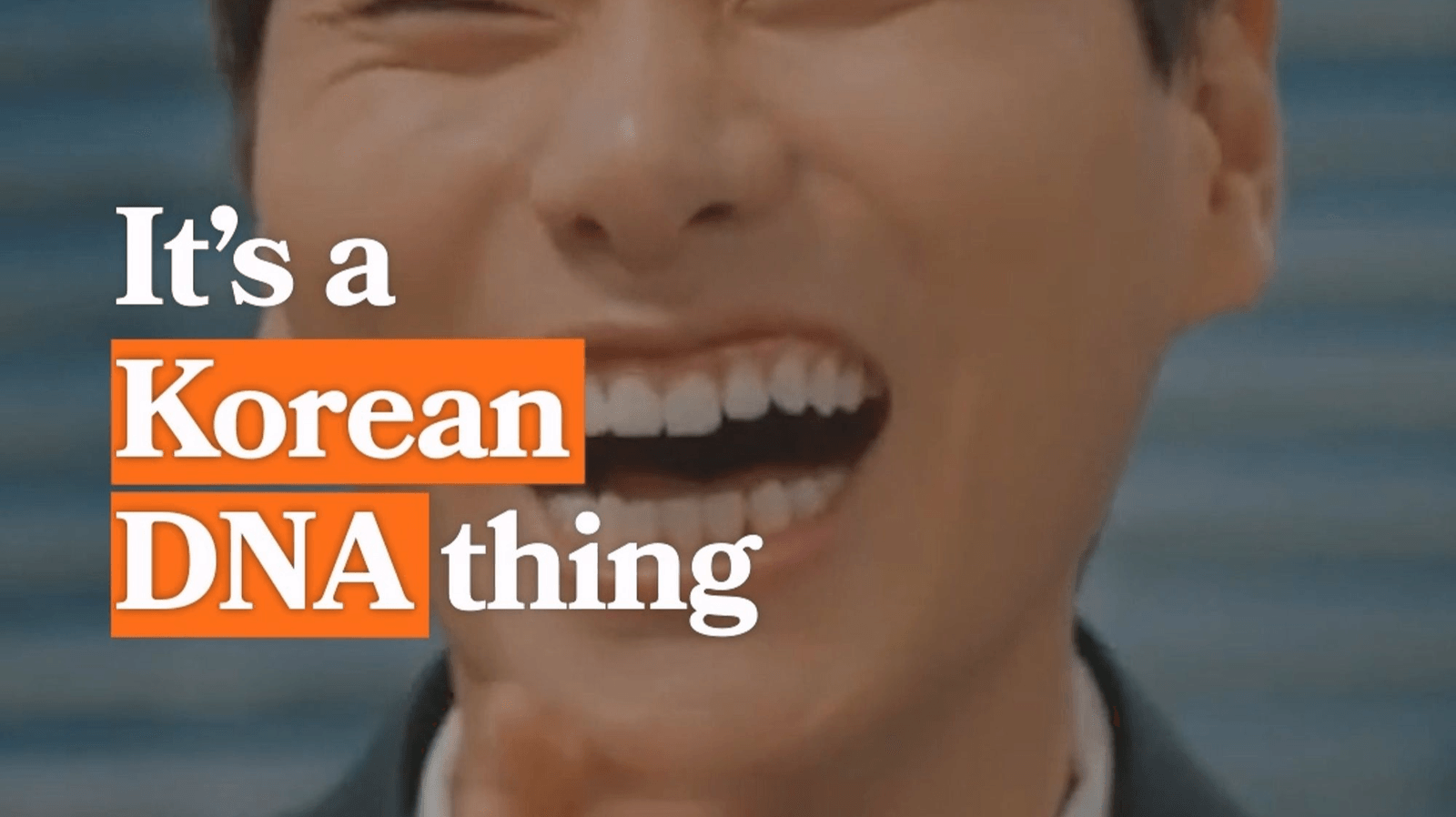
Why Koreans Clap When They Laugh: Heung, TV, and Etiquette
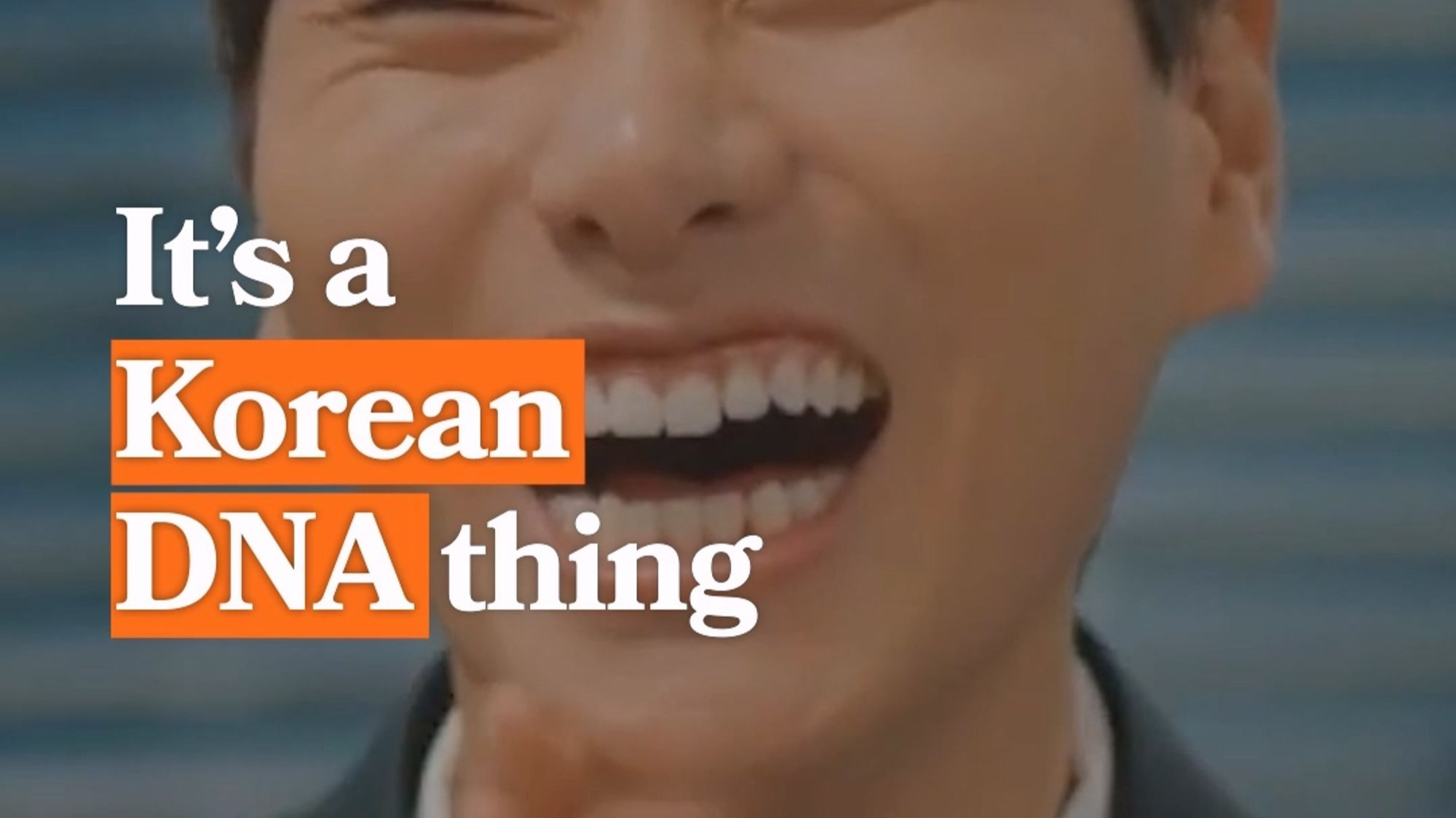
The Laugh-Clap Is Real, But It Is Not a Rule
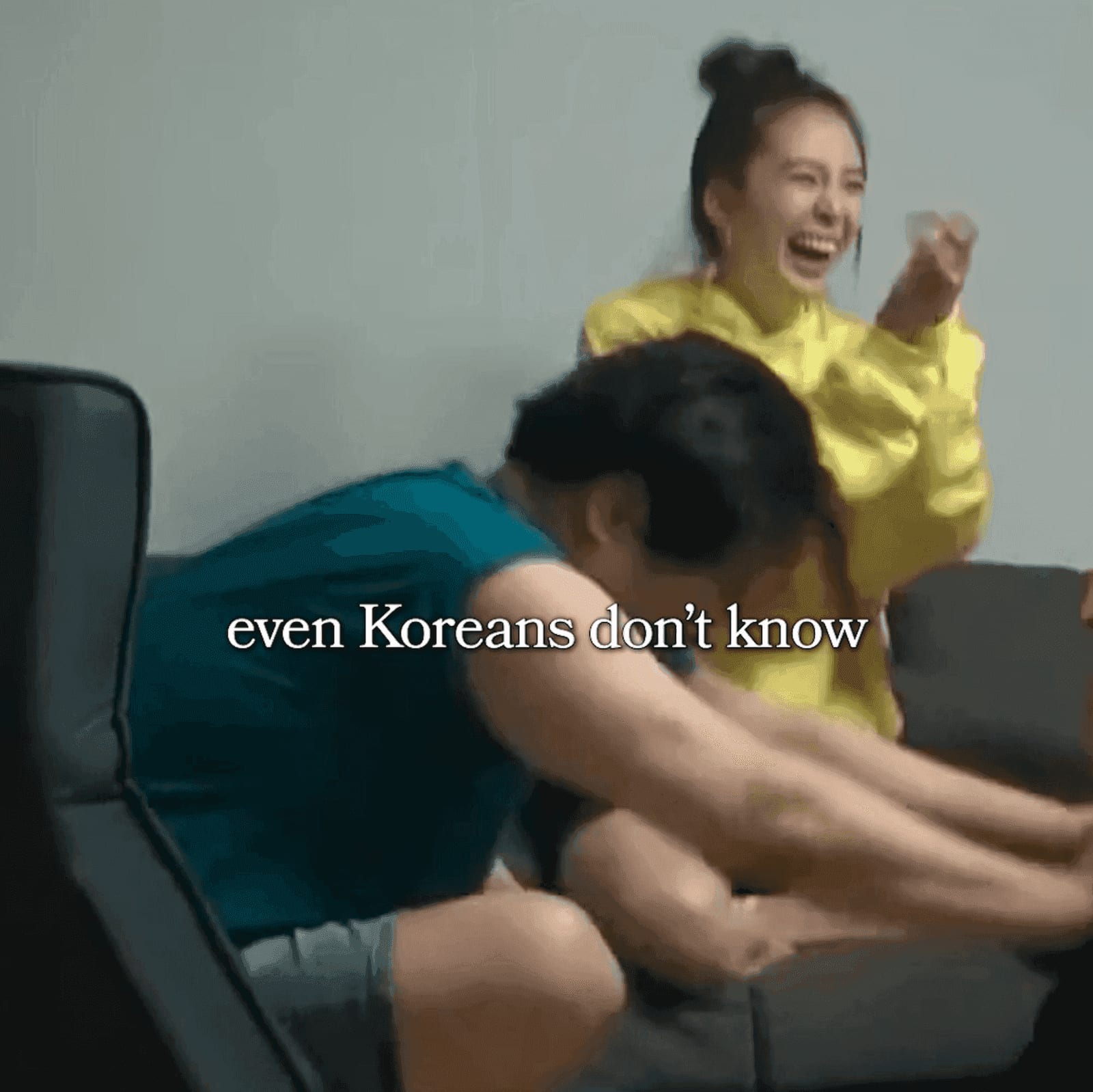
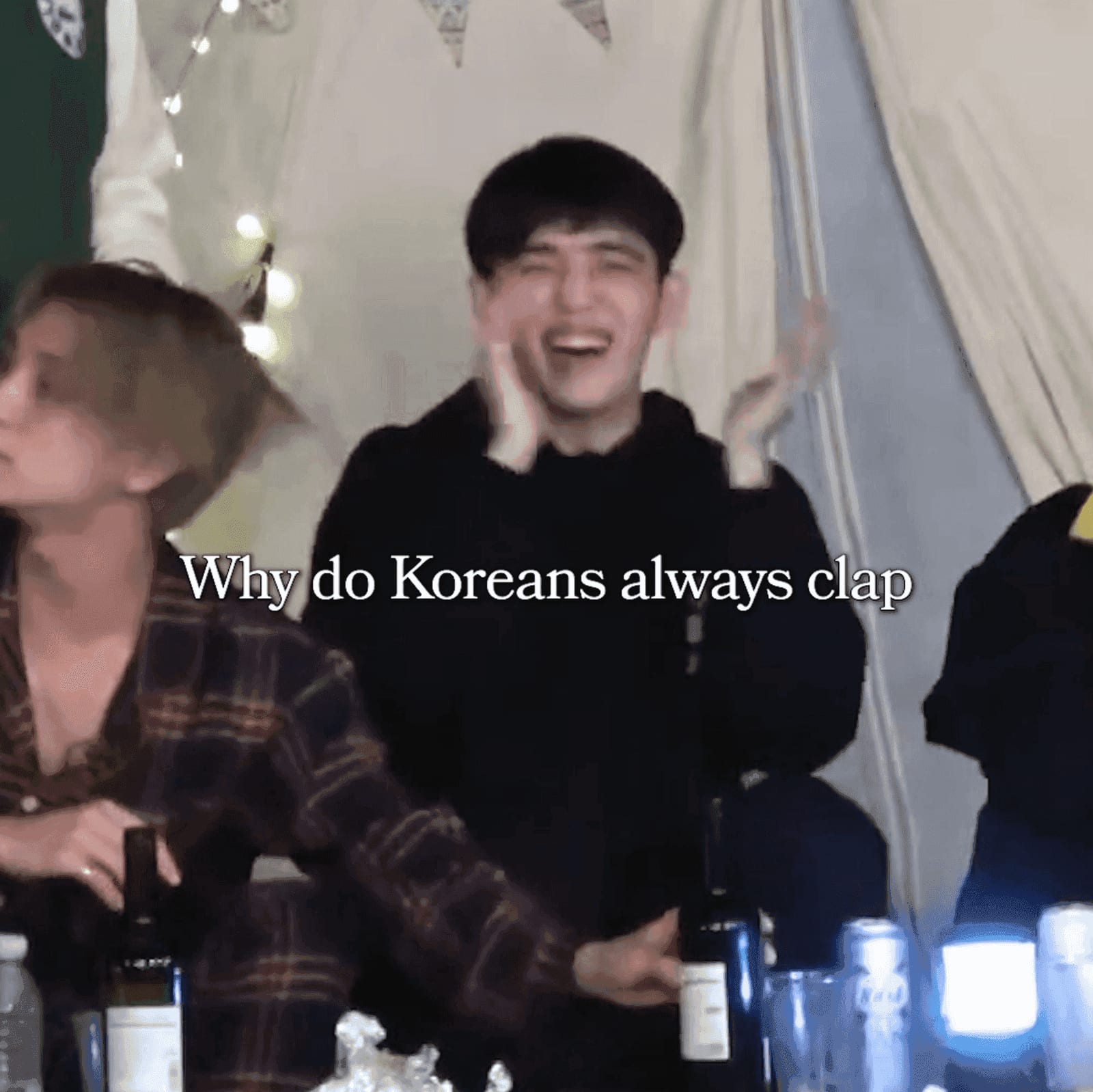
If you watch Korean variety shows, idol behind-the-scenes clips, K-drama interviews, or casual group vlogs, you may notice a familiar reaction: someone laughs, claps their hands, leans forward, hits the table, or lightly taps the person next to them. Online, this sometimes gets flattened into “Koreans clap when they laugh.” The pattern is recognizable, but the better explanation is softer and more human.
Korean laugh-clapping is not a national rule, biological trait, or “Korean DNA thing.” It is one visible form of social reaction. It can show that the joke landed, that the group mood is warming up, that the person is giving a big response for the camera, or that the relationship is close enough for louder body language. Some Koreans do it often. Some rarely do. Some do it only with friends. Some do it more on camera than in quiet public spaces.
So the interesting question is not “Why do all Koreans clap?” It is: why does visible reaction matter so much in certain Korean social and entertainment settings?
For the etiquette layer around this topic, also read EpicKor's Korean etiquette guide, noraebang etiquette guide, and Korean concert sing-along guide.
Catch the social nuance: As an Amazon Associate, EpicKor may earn from qualifying purchases. If laughter, honorifics, and reaction words feel connected, the Lonely Planet Korean phrasebook has the audio that makes this obvious — the same three syllables carry completely different weight depending on where the pitch lands.
Think of It as a Visible “I Am With You”
In many Korean group settings, reaction is not just private emotion. It helps maintain the room. A strong laugh tells the speaker, “I heard you.” A clap tells the group, “That was funny.” A lean forward tells the table, “I am engaged.” In close groups, a playful tap can say, “You are ridiculous, and I like you.” These reactions are not unique to Korea, but Korean entertainment and social editing often make them especially visible.
This matters because Korean conversation can carry a lot of indirectness. Age, status, politeness levels, and group harmony shape how people respond. A visible laugh can release tension without requiring a direct verbal evaluation. Instead of saying, “That joke successfully changed the mood,” the body says it faster.
The Academy of Korean Studies' Encyclopedia of Korean Culture describes laughter as an expression of feeling through facial change and sound, while also noting that laughter can carry cultural and social meaning. That broader idea is useful here: laughter is never just a sound. It is also timing, audience, relationship, and context.
Heung Helps Explain the Energy
The Korean word heung is hard to translate neatly. It can mean excitement, lively spirit, spontaneous joy, or a rising mood that wants music, movement, rhythm, and participation. You hear the idea around singing, dancing, festivals, noraebang, concerts, and people who know how to “raise the atmosphere.”
Laugh-clapping fits that world because it turns laughter into rhythm. A small clap can become a beat. A group laugh can become a shared wave. A variety-show cast member who claps, falls over, or repeats a phrase is not only laughing; they are feeding the scene. In a group, that can make the funny moment bigger than the original joke.
But heung should not be used as a mystical explanation for everything Korean. The safer way to use the word is this: in some Korean settings, people appreciate expressive energy that helps the group feel alive. Laugh-clapping is one possible expression of that energy.
Jeong and Close-Friend Body Language
Another word people often connect to Korean social life is jeong, a warm bond built through time, care, shared meals, teasing, obligation, and familiarity. When close friends laugh and lightly slap an arm, touch a shoulder, or collapse into each other, it can look intense to outsiders. In context, it may simply show closeness.
The important word is “close.” Physical reactions that feel warm among friends can feel invasive with strangers, coworkers, elders, or people you do not know well. Korean public manners are not generally “touch everyone freely.” Visit Seoul's etiquette guidance reminds visitors to be respectful and attentive to social context, and its broader etiquette pages describe a culture where status, respect, and public behavior still matter.
That is why you should not copy the playful slap just because you saw it on TV. If you are not already inside that relationship, keep your laughter verbal or use your own hands. Clap if it feels natural. Do not hit someone as a cultural experiment.
| Reaction | What it may signal | When it is safer | When to avoid copying it |
|---|---|---|---|
| Clapping while laughing | Big amusement, agreement, “that landed” energy | Friends, casual groups, variety-show-style moments | Quiet restaurants, formal settings, serious conversations |
| Table tap | Trying not to interrupt while showing a reaction | Informal meals or close group conversations | Small quiet cafes, museums, transit, work meetings |
| Light arm tap | Close-friend teasing or shared joke energy | Only with people who already use that touch comfortably | Strangers, dates, elders, coworkers, idols, staff |
| Falling over / big body reaction | Entertainment exaggeration or very relaxed comfort | On camera, among friends, in playful private settings | Public spaces where you block others or draw unwanted attention |
Variety Shows Made the Reaction Bigger
Korean variety shows are reaction machines. A joke is rarely left alone. Editors replay it, zoom in, add captions, cut to someone laughing, add a sound effect, and turn one second of surprise into a full group moment. Cast members know this. Idols know this. Hosts know this. A visible reaction gives editors material.
That does not mean the laughter is fake. It means the performance environment rewards readable emotion. If a comedian says something absurd and the cast claps, points, collapses, or shouts, the show can turn that body language into pacing. The viewer at home learns the rhythm too. Over time, viewers recognize clapping laughter as part of the Korean entertainment grammar.
This also explains why the same person may act differently in a quiet interview, a business meeting, a family meal, a YouTube variety set, and a noraebang. The reaction belongs to the room.
Why It Feels Different From Some Western Settings
Many English-speaking visitors come from cultures where public laughter is welcome, but physical reaction can be more individualized. You laugh with your voice, maybe slap your own knee, maybe say “that's hilarious,” but you might not clap repeatedly at the table. In Korea, especially in entertainment or close groups, the visible reaction can feel more synchronized.
That difference can make Korean laughter feel warmer, louder, or more communal. It can also create misunderstandings. A foreign visitor may assume everyone is extroverted, when the real issue is context. A Korean person may be quiet on the subway, formal with a senior, and wildly reactive with friends in a private room an hour later. Those are not contradictions. They are different social frames.
| Setting | Typical reaction range | Visitor read | Best response |
|---|---|---|---|
| Korean variety show | Big claps, captions, replayed laughter, exaggerated body language | Entertainment grammar, not everyday proof | Enjoy it, but do not treat it as a social rule. |
| Noraebang | Clapping, singing along, cheering, teasing friends | Participation matters more than perfect singing | React warmly and support the group. |
| Quiet cafe or subway | Lower volume and less body movement | Public calm is part of shared-space manners | Keep reactions contained. |
| Close friend dinner | Flexible; can be loud or physically expressive | Relationship history matters | Mirror lightly, but respect boundaries. |
What Visitors Can Copy Safely
You can copy the supportive part, not the intrusive part. Laugh when something is funny. Smile. Clap your own hands if the mood is casual and everyone is reacting. Say “jinjja?” when you are surprised, “daebak” when something is impressive, or simply laugh naturally. At noraebang, clap for the singer. At a concert, follow the crowd's fan chant rather than inventing your own disruption. In a Korean-language exchange, give small reactions so the other person knows you are listening.
What should you avoid? Do not hit someone's arm unless you already have that kind of relationship. Do not mock the reaction as “so Korean” in front of people. Do not force a huge laugh to prove cultural understanding. Do not film strangers laughing and turn them into content. The safest reaction is warm, present, and proportional.
If you want to understand Korean group participation more broadly, EpicKor's Korean drinking games guide, noraebang guide, and concert ttechang guide show how rhythm, reaction, and group mood appear in different settings.
The Better Takeaway
The laugh-clap is charming because it makes emotion visible. It turns a joke into a shared beat. It tells the speaker, “keep going.” It tells the group, “we are in this moment together.” But the behavior only makes sense when you read the relationship and setting around it.
So yes, you may see Koreans clap when they laugh. But the deeper cultural lesson is not about hands. It is about responsiveness. In Korean social life, a good reaction can be a gift to the room.
Go deeper than one gesture: If this reaction makes you curious about Korean social values, The Birth of Korean Cool is the readable version of where 흥 sits in modern Korean life, and it beats relying only on clips and short-form edits.
FAQ
Q: Do all Koreans clap when they laugh? A: No. Some people do, some do not, and many do it only in certain settings. It is a visible pattern, not a universal rule.
Q: Why is laugh-clapping common in Korean variety shows? A: Variety shows reward clear reactions. Clapping, leaning forward, and big laughter help the room's rhythm and give editors usable reaction shots.
Q: Is it okay to clap when I laugh with Korean friends? A: Yes, if the mood is casual and it feels natural. Clapping your own hands is much safer than touching someone else.
Q: Is it okay to slap someone's arm while laughing in Korea? A: Only if you already have that relationship and the other person is comfortable with it. Do not copy close-friend body language with strangers or coworkers.
Q: What does heung mean? A: Heung roughly points to lively excitement, rhythm, and shared joy. It helps explain energetic group reactions, but it should not be used as a magic explanation for all Korean behavior.
Q: What should visitors learn from this habit? A: Learn to be responsive. A warm laugh, small clap, or supportive reaction can help the group mood, but boundaries and setting matter.
Sources and Further Reading
You Might Also Like
Dating in Korea: Sseom, Etiquette, and First-Date Tips
A practical guide to dating in Korea: understand sseom, plan a first date, communicate clearly, split the bill, and respect boundaries.
Korean Floor Culture: Shoes, Ondol, Slippers, Low Tables
A Korean floor culture guide explaining shoes-off homes, ondol heating, slippers, low tables, floor sitting, and guest etiquette.
What to Call a Stranger in Korea: Jeogiyo, Sajangnim, Imo
You need a waiter's attention in Korea and you do not know their name. Jeogiyo is the safe answer, sajangnim works in any shop, and imo is warmer than a foreigner should risk. Here is what to actually say, and what never to shout.