Korean Noraebang Guide: Karaoke Rooms, Ballads, and Etiquette
A Korean noraebang is not just a karaoke room. It is a private pressure valve. Friends go after dinner, students go between plans, coworkers go after company meals, couples go on casual dates, and solo singers go to coin noraebang when they want two songs and no audience.
If you only know karaoke as a public bar stage, Korean noraebang can feel completely different. The room is private. The songbook is huge. The remote control has its own logic. Ballads matter. Group etiquette matters. And the point is not always to sound perfect.
This Korean noraebang guide explains how the system works, why Korean ballads are so powerful inside it, and how to enjoy your first visit without freezing in front of the microphone.
What Is a Noraebang?
Noraebang literally means singing room. Instead of singing on a public stage, you rent a private room with microphones, a screen, speakers, seating, and a song-selection system. The setup lets people perform intensely without exposing themselves to a whole bar of strangers.
That privacy is the key. Korea is dense, socially alert, and often status-conscious. A private room gives people permission to be loud, sentimental, silly, ambitious, or terrible at singing without making the entire street watch.
Visit Seoul describes noraebang as part of Seoul's wider bang culture, a world of specialized rooms for entertainment, games, relaxation, and social time. Korea.net has also highlighted how noraebang functions as a familiar cultural space rather than a niche tourist novelty.
Noraebang vs. Coin Noraebang
The two most useful categories for visitors are regular noraebang and coin noraebang.
A regular noraebang is usually rented by time. You may pay for thirty minutes, one hour, or longer, depending on the place. It is good for groups because you get a room, seating, and enough time for people to rotate songs.
Coin noraebang is more flexible. You pay by song or by small blocks of credit. Rooms are often smaller, sometimes just enough for one to three people. It is ideal if you want to practice alone, kill time, or try the experience without committing to a full group session.
| Type | Best For | How Payment Usually Feels | Visitor Tip |
|---|---|---|---|
| Regular noraebang | Groups, after-dinner plans, longer sessions | Time-based room rental | Agree on time and song rotation before starting |
| Coin noraebang | Solo practice, couples, quick breaks | Song credits or short blocks | Great for a low-pressure first try |
| Luxury or themed room | Parties and photos | Higher room fees or packages | Check rules, food, and reservation needs first |
Portable karaoke microphones — compare on AmazonAffiliate link. As an Amazon Associate, EpicKor earns from qualifying purchases at no extra cost to you.
Why Private Rooms Fit Korean Social Life
Korea has many shared spaces, but truly relaxed private space can be expensive. Apartments are smaller than many travelers expect. Cafes are public. Restaurants turn tables. Parks depend on weather. A room you can rent for a specific purpose becomes useful.
That is why the word bang appears across many activities: singing rooms, PC rooms, study rooms, game rooms, sauna rooms, and more. These spaces give people control over sound, mood, and group boundaries.
Noraebang is one of the most emotionally expressive examples. In a normal restaurant, you may need to watch volume and manners. In a noraebang, the door closes and the group creates its own weather.
If you want broader context for Korean social cues, EpicKor's Korean conflict avoidance and nunchi guide helps explain why a private singing room can feel liberating.
The Ballad Is the Main Event
K-pop is globally famous, but noraebang culture is not only about idol songs. Korean ballads have enormous room power. A good ballad gives the singer a slow emotional climb, a memorable chorus, and often a final high note that lets the room erupt.
Korea.net's feature on popular noraebang songs noted that ballads dominated a major 2014-2023 ranking, with Yoon Jong-shin's "Like It" identified as the most-sung song in that data set. The takeaway is not that every room only sings ballads. It is that ballads remain central to how Koreans release emotion through singing.
A ballad lets a quiet friend become dramatic. It lets a tired worker turn stress into sound. It lets the room respond with applause, laughter, harmony, or teasing.
K-Pop Songs Work Differently in a Noraebang
K-pop songs are fun in a noraebang, but they work differently from ballads. Many idol tracks are built around choreography, layered production, rap sections, and group parts. One person singing the whole track can be funny, impressive, or chaotic depending on the song.
For a group, K-pop is great when everyone knows the hook. Songs by major groups can turn the room into a chorus, especially if people split rap, vocal, and dance moments informally. But if only one person knows the song, a long performance can lose the room.
The safest K-pop choices are songs with a recognizable chorus, not too much dead space, and a part the whole group can shout together. A noraebang is not a concert audition. It is a social rhythm.
For how those shared hooks scale up inside venues, read EpicKor's Korean concert sing-alongs and fan chants guide.
For related fan culture, EpicKor's K-pop photocard guide explains another side of how Korean music becomes a hands-on social hobby.
The Remote Control Problem
The hardest part of noraebang is often not singing. It is operating the remote.
Many rooms use Korean interfaces. Some systems offer English search, romanized titles, artist numbers, QR song search, or printed songbooks. Others assume you already know what you are doing. If you cannot type Korean, search by artist, ask a friend, use a translation app, or prepare song numbers in advance if the brand provides an online song search.
Do not let the remote kill the mood. The easiest first-visit plan is to prepare three songs:
- one English song everyone knows,
- one Korean song with a chorus you can survive,
- one personal song you actually want to sing.
That is enough to start.
Practice without renting a room: As an Amazon Associate, EpicKor may earn from qualifying purchases. If noraebang makes you want a casual home setup, compare portable karaoke microphones before choosing one.
Noraebang Etiquette: Do Not Hog the Mic
The most important rule is rotation. If you choose every song, sing every chorus, and grab every microphone, the room becomes your concert instead of a shared activity.
Let people take turns. Cheer even when someone is not good. If a shy person finally chooses a song, do not talk loudly through the whole performance. If someone is clearly joking, laugh with them rather than grading them.
Duets are useful because they lower pressure. If a friend is nervous, offer to sing together. If you are nervous, choose a chorus-heavy song and let the room carry you.
Work Dinners and Hierarchy
Noraebang often appears after Korean group meals, including work dinners. This can create a strange mix of hierarchy and release. A senior person may choose a nostalgic song. A junior person may be asked to sing. People may clap, tease, or push the energy higher.
Modern workplaces vary widely, and not every team drinks or goes to noraebang. Still, the cultural idea remains familiar: after formal eating and drinking, a private room can temporarily soften rank. People see each other behave less perfectly.
If you are a visitor or foreign coworker, participate lightly. You do not need to prove yourself through a difficult Korean ballad. A short, familiar song performed with good humor is usually better than a technically ambitious song that makes everyone wait.
What Should Foreign Visitors Sing?
Choose songs the room can understand emotionally. A famous English chorus can work. A Korean drama OST can work if you know it. A simple K-pop chorus can work. A classic ballad can work if you can handle slow pacing.
Avoid extremely long songs unless everyone is invested. Avoid inside-joke songs that only you enjoy. Avoid choosing a song with a huge high note if you will spend the whole time apologizing for it.
If you want a Korean-language bridge, EpicKor's Hangeul and Korean learning guide is a better starting point than memorizing random lyrics you cannot read.
| Goal | Good Song Choice | Risky Choice | Why |
|---|---|---|---|
| First visit | Short English crowd-pleaser | Obscure six-minute song | The room needs quick shared energy |
| Korean culture moment | Drama OST or well-known ballad chorus | Very technical high-note ballad | Emotion matters more than proving range |
| Group fun | K-pop song with a famous hook | Rap-heavy track nobody knows | People need an entry point |
| Solo practice | Coin noraebang comfort song | Song chosen only for difficulty | Practice works best when you repeat without shame |
The Score Is Not the Point
Many noraebang systems give a score after each song. Treat it as entertainment, not truth. The machine may reward volume, pitch, timing, or mysterious algorithmic luck. A low score can become a joke. A high score can become fake bragging rights.
The real score is the room's reaction. Did people join the chorus? Did the shy friend laugh? Did someone request one more song? Did the group feel closer when leaving than when entering?
That is why noraebang survives. It converts awkward energy into shared memory.
For the smaller everyday version of those visible reactions, EpicKor's Korean laugh-clap guide explains why clapping, cheering, and body language can signal support without becoming a rule to copy blindly.
Food, Drinks, and Practical Details
Rules vary by venue. Some rooms sell drinks and snacks. Some allow outside food. Some do not. Some are family-friendly in daylight and party-heavy late at night. Some coin noraebang rooms are extremely compact and designed for quick use.
Before entering, check the price, time limit, payment method, and whether extra service time is included. In Korea, some venues may add bonus minutes, but do not rely on it. If you are traveling late at night, also plan your subway, taxi, or walking route home.
For late-night food around social plans, EpicKor's Korean pojangmacha etiquette guide pairs naturally with noraebang nights.

Why Noraebang Still Matters in the Streaming Era
It would be easy to assume that music apps, headphones, and short-form video would weaken noraebang culture. Instead, they have changed it. People discover songs online, then test them in rooms. Drama OSTs, audition-program songs, idol tracks, trot songs, and old ballads all move between screens and microphones.
Korea.net has even covered newer singing-room technology, including VR-linked noraebang experiences. The core idea remains the same: people want a space where music becomes physical, social, and immediate.
Streaming is private listening. Noraebang is private performing. That difference matters.
Hear the backing track clearly: If you practice vocals or karaoke at home, low-latency wired listening can be easier than Bluetooth. Compare wired in-ear headphones for singing practice before building a bigger setup.
FAQ
Q: What does noraebang mean? Noraebang means singing room. It is Korea's private-room karaoke format, usually rented by time or song credits.
Q: Is Korean noraebang only for good singers? No. Good singers may shine, but the culture is social first. Participation, humor, and cheering matter more than perfect vocals.
Q: What is coin noraebang? Coin noraebang is a smaller, quick-use karaoke format where you usually pay by song or short credit block. It is great for solo practice or a low-pressure first try.
Q: Can foreigners sing English songs in Korean noraebang? Yes. Many systems include English songs, though selection varies by venue and machine. Prepare a few backup choices.
Q: What Korean songs are popular in noraebang? Ballads, drama OSTs, K-pop hits, trot, and older classics all appear. Ballads are especially powerful because they fit emotional group singing.
Q: What is the biggest etiquette mistake? Hogging the mic. Rotate songs, cheer for others, avoid judging too harshly, and choose songs that keep the room engaged.
Sources and Further Reading
- Korea.net - Noraebang culture
- Visit Seoul - Seoul Bang Culture
- Korea.net - Popular noraebang ballads
- Korea.net - VR noraebang technology
- KOFICE - Hallyu research
Video Insight: The Soul of Singing
You Might Also Like
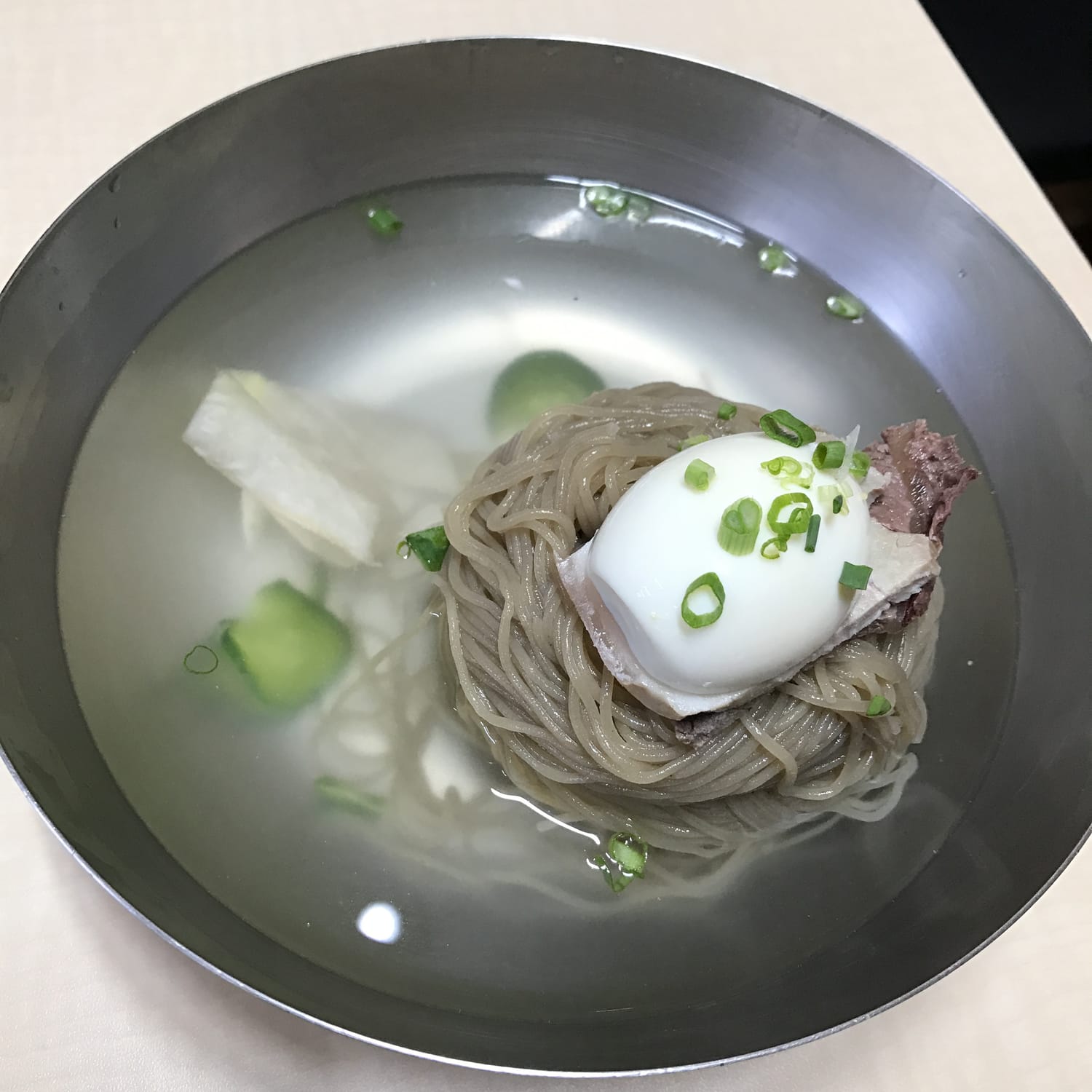
The One Korean Food Foreigners Never Learn to Love: Hamheung Naengmyeon, and Why Koreans Can't See the Problem
Foreigners who eat cheonggukjang and even hongeo still will not pay for this twice. A Korean creator who fed foreigners for years says naengmyeon was the overwhelming number one refusal, and Koreans, who rank it first every summer, cannot see why.

Korean Stare Meaning: Why Koreans Stare at Foreigners, and How to React
The Korean stare almost always means curiosity, not hostility: outside central Seoul a non-Asian face is still rare. Sometimes it means you broke a quiet public rule. How to tell which, and the nod and 안녕하세요 that end it.
Why Koreans Seem Cold to Foreigners: The Gap Between How Korea Sees Itself and How You See It
Foreigners abroad rate Korea 82.3% favourable. Foreigners living in Korea rank Koreans 39th of 46 countries for friendliness, and 84% of Koreans say they would not trust a stranger. Where the gap comes from, and how to get to the other side of it.