Why Koreans Eat So Much Garlic: Culture Explained
For nearby food context, EpicKor's Korean BBQ ssam guide and kimchi jjigae at home guide show how garlic, banchan, and pantry flavors connect in everyday meals.
Why do Koreans eat so much garlic?
If you have ever watched Korean cooking videos, eaten Korean BBQ, or opened a container of kimchi, you already know the smell. Garlic is everywhere. It is in marinades, stews, sauces, side dishes, pickles, soups, noodles, and the lettuce wrap you build around grilled pork belly.
In many cuisines, garlic is a seasoning. In Korea, garlic often feels closer to a foundation.
That does not mean every Korean dish is aggressively garlicky. Korean food is much more varied than that. But garlic appears so often, and in such confident amounts, that foreigners quickly notice the pattern. A "little bit" of garlic in a Korean kitchen can look like a lot to someone from a milder garlic culture.
The answer is not just taste. Garlic sits at the meeting point of Korean myth, fermentation, health beliefs, barbecue culture, and everyday home cooking. To understand Korean garlic, you need to understand why Korea likes food that is bold, layered, practical, and alive.
Ssamjang Korean soybean paste sauce — compare on AmazonAffiliate link. As an Amazon Associate, EpicKor earns from qualifying purchases at no extra cost to you.
Garlic Is Not a Garnish in Korean Food
In Korean cooking, garlic usually does real structural work.
It is not sprinkled at the end only for fragrance. It is often part of the base flavor. Minced garlic goes into soups, stews, stir-fries, marinades, dipping sauces, kimchi seasoning, braised dishes, and banchan.
Think of it this way: if soy sauce gives salt and depth, gochugaru gives heat and color, doenjang gives fermented earthiness, and sesame oil gives aroma, garlic gives the punch that wakes everything up.
That punch matters because Korean food often combines strong elements:
- fermented soybean paste
- red pepper flakes
- fish sauce or salted seafood
- grilled meat fat
- sour kimchi
- sesame oil
- scallions
- vinegar
- raw vegetables
Garlic connects these flavors. It cuts richness, deepens savory notes, and makes fermented flavors feel fuller instead of flat.
This is why Korean food can taste incomplete without it. A soup may be technically edible, but to many Korean palates it can feel shy, unfinished, or oddly quiet if garlic is missing.
The Dangun Myth: Korea's Garlic Origin Story
Garlic's place in Korean culture also has a mythic layer.
In the Dangun foundation myth, a bear and a tiger want to become human. Hwanung gives them a challenge: stay in a cave, avoid sunlight, and eat garlic and mugwort. The tiger gives up. The bear endures, becomes a woman named Ungnyeo, and later gives birth to Dangun, the legendary founder of Gojoseon.
Do modern Koreans literally think they eat garlic because their mythic ancestor sat in a cave with it? Of course not.
But the story became a perfect cultural joke because it feels emotionally true. Koreans already eat a lot of garlic, so the myth becomes funny proof that the habit is ancient. Online, you may see Koreans joke that garlic is in their DNA. The joke works because it combines national myth with everyday lunch.
That is very Korean: a grand origin story lowered into the kitchen.
The bear also matters symbolically. She survives through patience, discomfort, and transformation. Garlic is not sweet or gentle. It is sharp. It lingers. It demands endurance. In that sense, the myth fits the flavor.
Garlic becomes more than an ingredient. It becomes a tiny edible metaphor for Korean persistence.
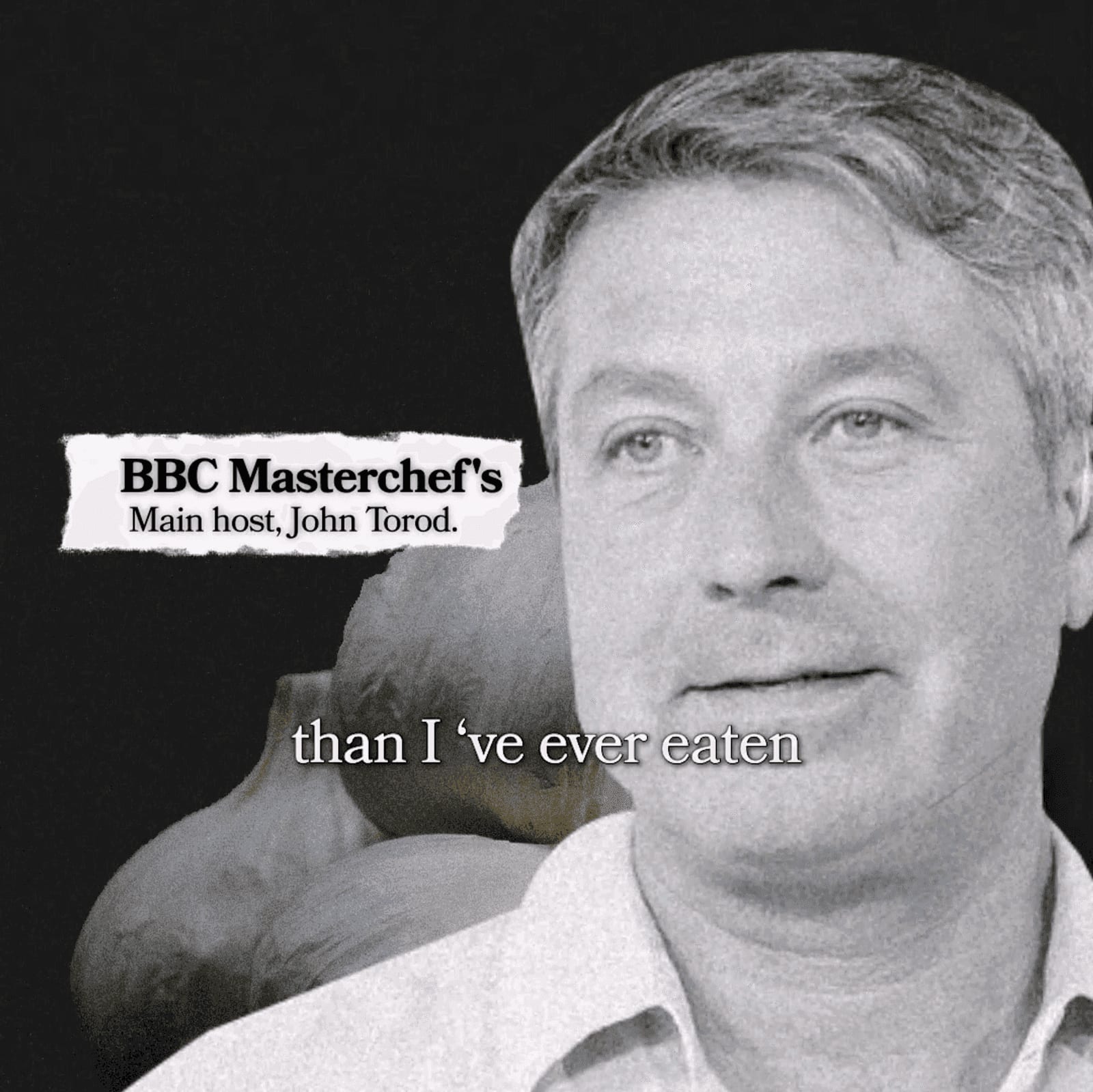
How Much Garlic Do Koreans Eat?
South Korea is one of the world's serious garlic-consuming countries. Public food data estimates Korean per-person garlic consumption at several kilograms per year, far above what many Western eaters are used to.
The exact international ranking can differ depending on year, data source, and whether the comparison is total consumption or per-capita consumption. So the safer way to say it is this: Korea is not just a country that likes garlic. It is one of the countries where garlic is deeply built into the daily diet.
That shows up in normal meals.
At Korean BBQ, raw garlic slices may go directly into a lettuce wrap with pork belly, ssamjang, rice, and chili. In kimchi, garlic helps form the flavor base with gochugaru, ginger, fish sauce, and salt. In stews like kimchi jjigae or doenjang jjigae, garlic adds body. In banchan, it appears minced, pickled, fried, or folded into seasoning pastes.
The important point is frequency. A person may not eat a huge bowl of garlic at once, but they may meet garlic across several small dishes in the same meal.
That is how Korean garlic consumption becomes normal. It is distributed everywhere.
Where Garlic Shows Up on a Korean Table
Here is the simple map.
| Food | How garlic appears | Why it matters |
|---|---|---|
| Kimchi | Minced into the seasoning paste | Adds depth, heat, and fermentation-friendly flavor |
| Korean BBQ | Raw or grilled slices in lettuce wraps | Cuts through fatty meat and sharpens the bite |
| Jjigae | Minced into stew base | Makes the broth taste fuller and more savory |
| Banchan | Used in seasoning, pickles, and vegetable dishes | Turns small side dishes into bold flavor accents |
| Ssamjang | Mixed with fermented pastes and sesame oil | Balances salty, spicy, nutty, and savory flavors |
Once you see this pattern, Korean food starts to make more sense. Garlic is not doing one job. It is doing five small jobs at once.
Korean BBQ flavor note: As an Amazon Associate, EpicKor may earn from qualifying purchases. If garlic made you curious about the full wrap system, compare ssamjang Korean soybean paste sauce for the salty, savory anchor of a Korean BBQ bite.
See ssamjang Korean soybean paste sauce on Amazon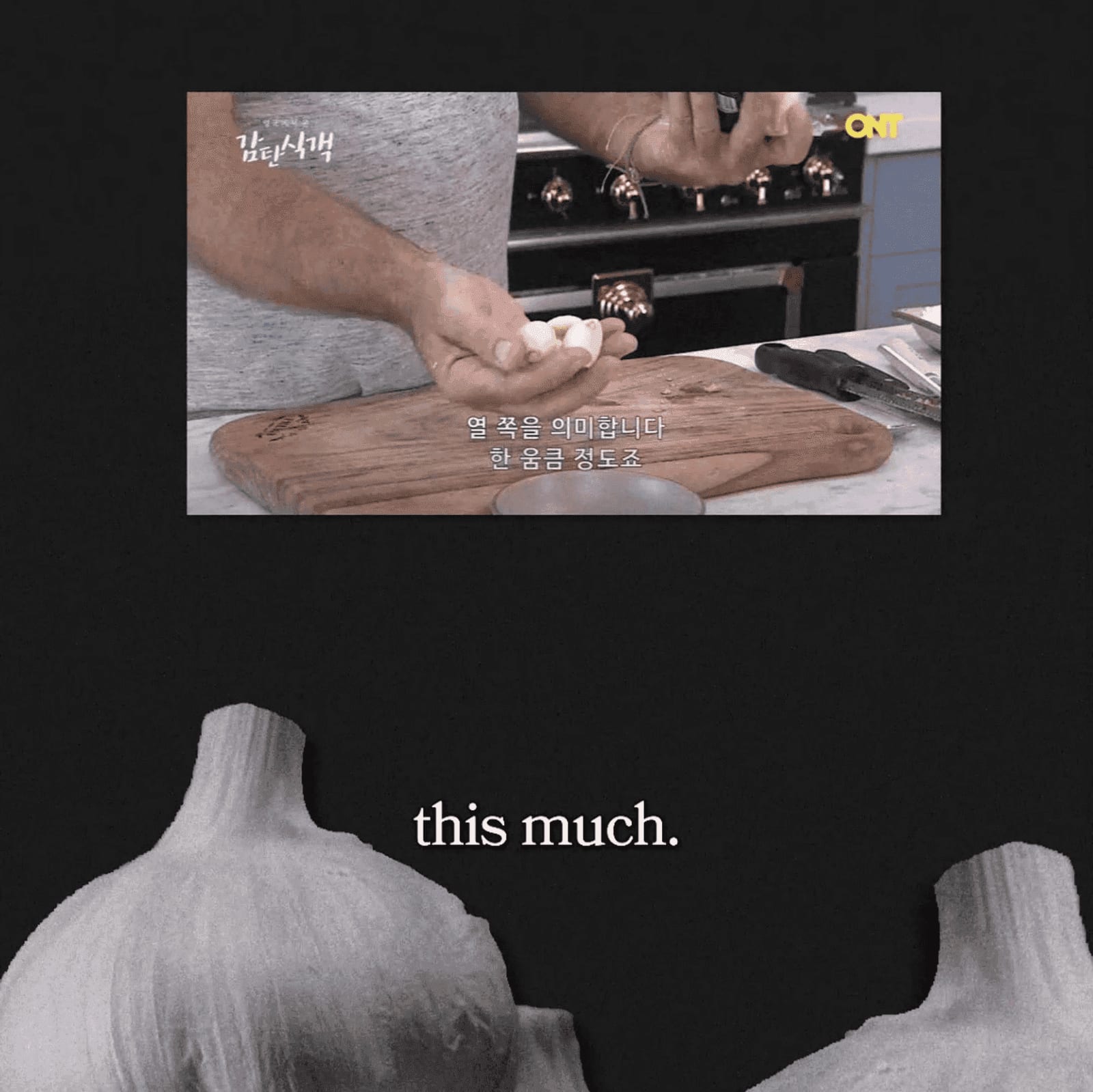
Garlic, Fermentation, and Korean Flavor Logic
Korean cuisine is built around fermentation: kimchi, doenjang, ganjang, gochujang, jeotgal, and more. Fermented foods are complex, salty, funky, sour, spicy, and deeply savory.
Garlic fits that world beautifully.
It brings heat without being chili. It brings aroma without being perfume. It brings a raw edge that makes fermented foods feel more energetic. When garlic sits inside kimchi seasoning, it does not stay separate. It becomes part of the slow transformation.
This is one reason Korean garlic culture feels different from simply adding garlic bread to dinner. The garlic is not only a topping. It is part of a fermentation ecosystem.
It also works with Korea's shared-table style. A Korean meal usually has rice, soup or stew, main dishes, and multiple banchan. Because the meal is spread across many small bites, strong flavors can appear in small doses. Garlic does not need to dominate one plate. It can echo across the table.
That echo is part of the pleasure.
Why Raw Garlic Makes Sense at Korean BBQ
For many foreigners, the most surprising garlic moment happens at Korean BBQ.
You sit down expecting grilled meat. Then raw garlic arrives with lettuce, perilla leaves, green chili, ssamjang, and maybe sliced onion. A Korean friend places a slice of garlic into a wrap like it is the most normal thing in the world.
It is normal.
Raw garlic works at Korean BBQ because samgyeopsal and other grilled meats are rich. Pork belly especially needs sharpness. Garlic, ssamjang, chili, kimchi, and fresh leaves keep the bite from becoming too heavy.
A good ssam is not only meat wrapped in lettuce. It is a balance system:
- fatty meat
- fresh leaf
- salty sauce
- spicy chili
- sharp garlic
- warm rice
- maybe sour kimchi
Take away the garlic, and the wrap is softer. Add it, and the whole bite gets brighter.
This is why Korean BBQ can feel so addictive. It is not only the grill. It is the architecture of contrast.
For a deeper look at sauce culture, EpicKor also has a guide to ssamjang, Korea's essential BBQ sauce.
For the home grill table: Garlic and ssamjang work better when the table setup is practical; compare a Korean BBQ scissors and tongs set before trying the cut-and-wrap rhythm at home.
See Korean BBQ scissors and tongs set on Amazon
Is Korean Garlic About Health?
Partly, yes.
Korean food culture has long connected food with health. The phrase often translated as "food and medicine come from the same source" captures a common way of thinking: what you eat should support the body, not only fill the stomach.
Garlic fits easily into that idea. Around the world, garlic has a long history of use in food and traditional health practices. Modern health sources discuss garlic in relation to compounds such as allicin, while also warning that supplements and high amounts can have side effects or interact with medicines.
For Korean everyday eating, the practical point is simpler. Garlic is considered warming, strong, useful, and good with heavy foods. People do not need to cite a study before adding it to jjigae. They grew up with the idea that garlic belongs there.
That inherited confidence is powerful.
Still, it is worth being careful with health claims. Garlic is food, not magic. Eating Korean food with garlic does not automatically make someone healthy. But culturally, garlic feels like a protective ingredient: strong enough to fight blandness, cold weather, meat fat, and maybe even bad luck.
That feeling matters.
FAQ About Korean Garlic
Q: Why do Koreans eat so much garlic?
Simply put, Koreans eat a lot of garlic because it is built into the flavor base of Korean food. It appears in kimchi, stews, BBQ wraps, banchan, sauces, and marinades.
Q: Is garlic important in Korean culture?
Simply put, yes. Garlic is important in Korean cooking and appears in the Dangun foundation myth, where a bear eats garlic and mugwort before becoming human.
Q: Do Koreans eat raw garlic?
Simply put, yes, especially with Korean BBQ. Raw garlic slices are often eaten inside lettuce wraps with grilled meat, rice, ssamjang, and vegetables.
Q: What is garlic called in Korean?
Simply put, garlic is called maneul in Korean. You may see it written as 마늘.
Q: Is Korean food always garlicky?
Simply put, no. Korean cuisine is diverse. But garlic appears often enough that it is one of the easiest flavors foreigners notice when they start eating Korean food regularly.
The Easiest Way to Understand It
Garlic in Korea is not only an ingredient. It is a habit.
It is the smell of kimchi seasoning, the sharp slice inside a pork belly wrap, the quiet spoonful in stew, the pickled clove beside rice, and the joke that Koreans have garlic in their DNA.
That is why the question "why do Koreans eat so much garlic?" has more than one answer.
They eat it because it tastes good. They eat it because it balances fat and fermentation. They eat it because it belongs in the dishes they grew up with. They eat it because the culture has made garlic feel ancient, useful, funny, healthy, and necessary all at once.
In Korean food, garlic is not the background.
It is one of the voices.
Video Insight: The Power of Garlic
You Might Also Like
Korean Seollal Guide: Age, Customs and Travel
Plan Korean Lunar New Year with accurate age rules, tteokguk, sebae, diverse family customs, holiday closures, and transport advice.
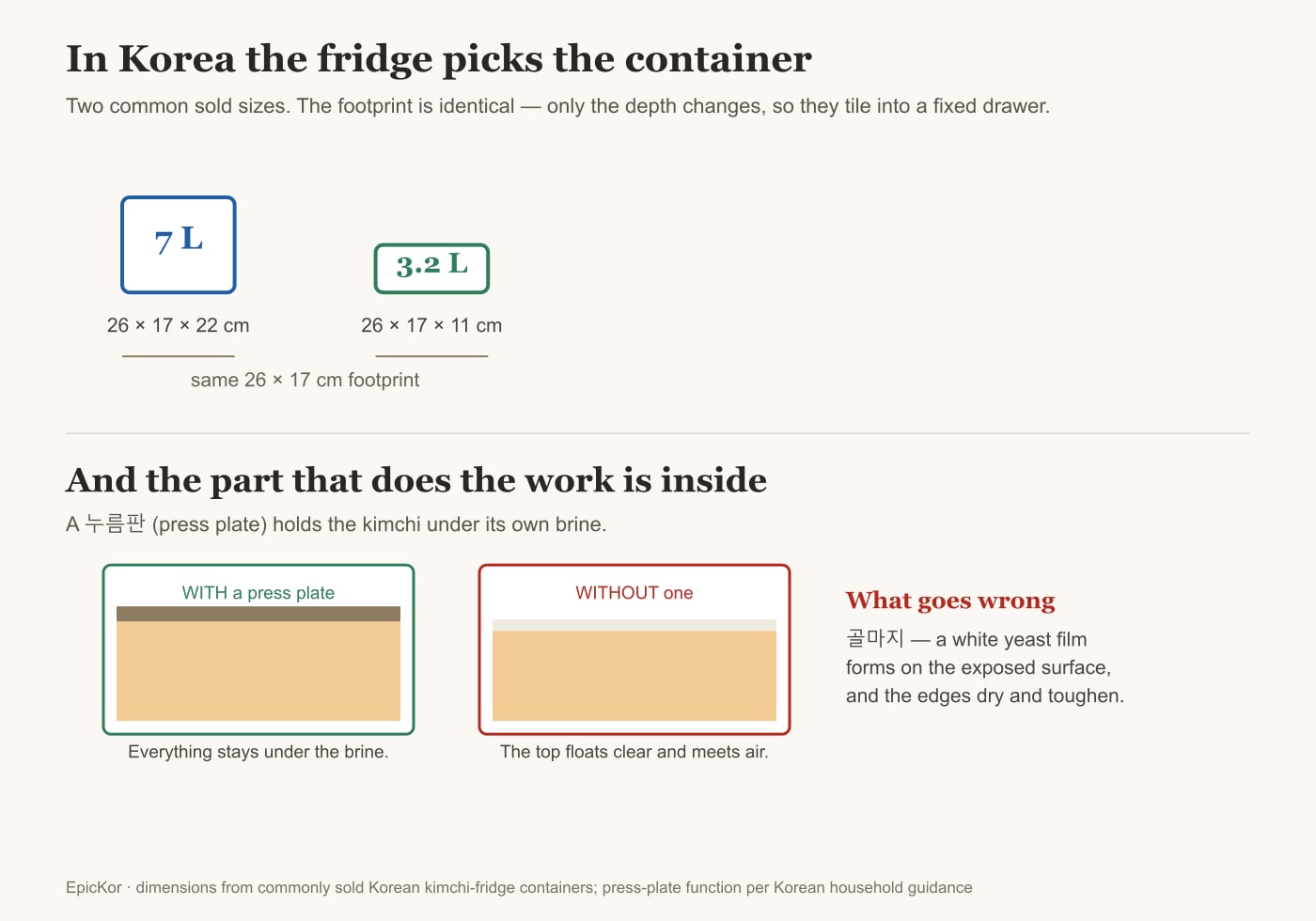
Korean Kimchi Containers: The Press Plate Matters More Than the Lid
English buying guides rank kimchi containers by lid. In Korea the fridge picks the size — 7L and 3.2L share a 26 × 17cm footprint so they tile — and the part that decides whether the kimchi survives is the 누름판, the plate that holds it under its own brine.
Kimchi Refrigerators Explained: Why Korea Built a Fridge for One Food
Korea invented a second refrigerator that exists only to store kimchi at the temperature of winter earth. Here is why it exists, how it works, what happened to the company that invented it six weeks ago, and what to check before buying one abroad.