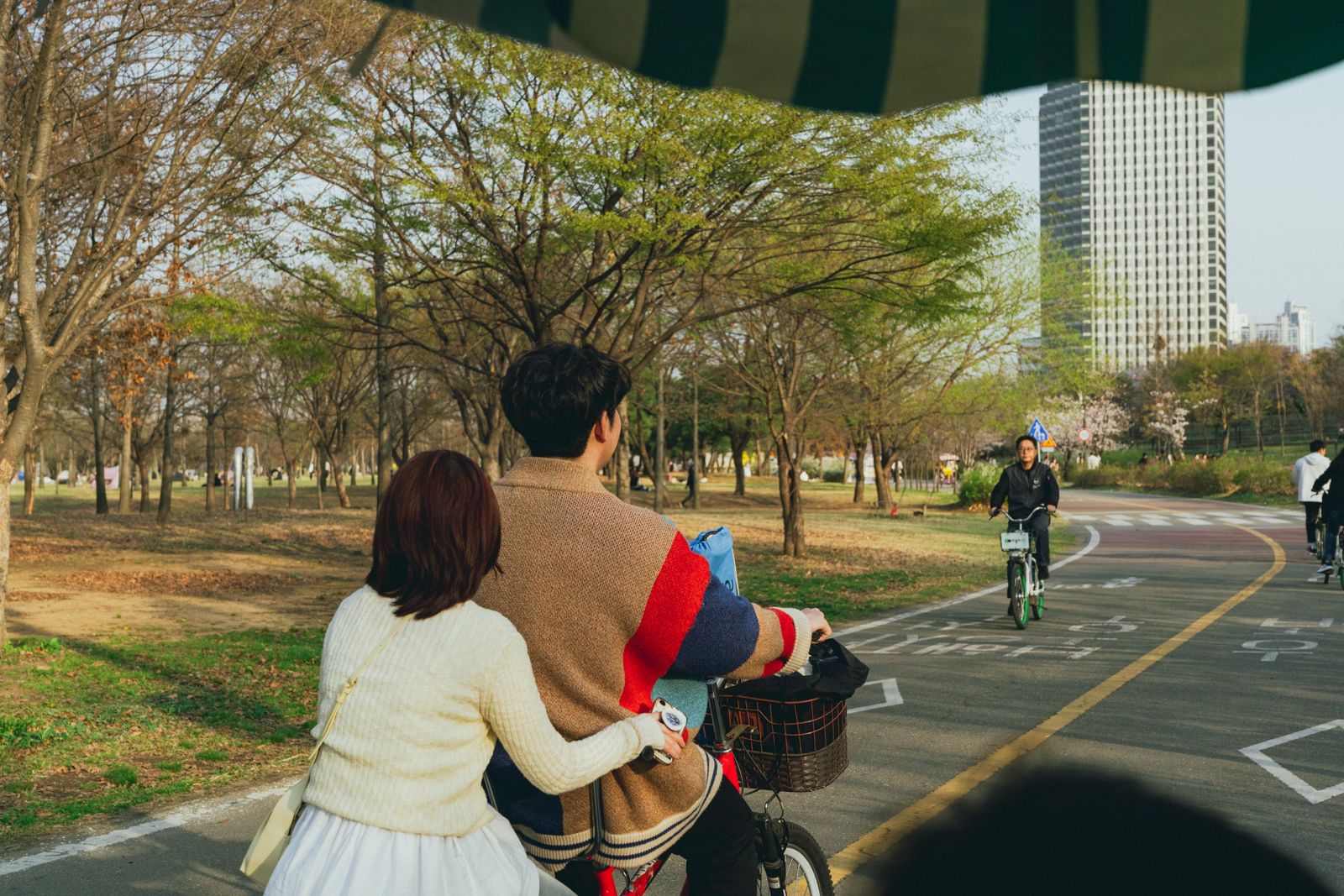
Bicycle Theft in Korea: What Cyclists Should Actually Know
Bicycle theft in Korea is real enough that locals warn each other about it, but the old joke that "Korea is safe except every bicycle gets stolen" is too absolute. Korea has high everyday public trust in many situations, yet a bike locked outside a station, apartment block, campus, or nightlife area can still disappear. The useful lesson is not panic. It is to treat bicycles differently from phones, wallets, and cafe laptops.
This guide rewrites the common meme into practical advice. If you ride in Seoul, use stronger locks than a casual cable, park in visible racks, record your bike details, understand how public bike rentals work, and report a theft through official police channels rather than relying on social-media posts alone.
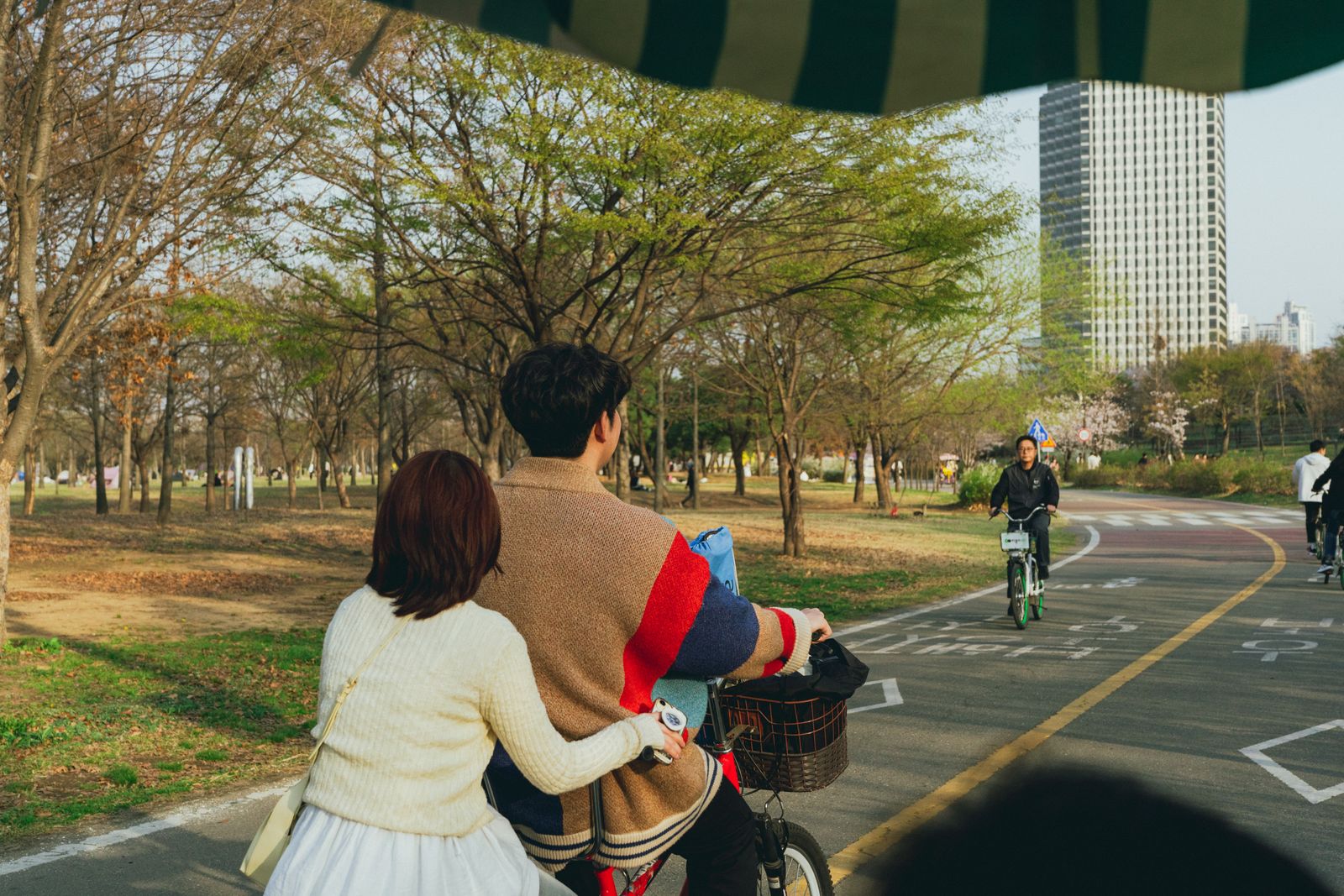
The Short Answer: How Worried Should You Be?
If you are a traveler renting a public bike for an hour, the main risk is returning it incorrectly or exceeding the rental time. If you live in Korea and own a private bike, theft risk depends heavily on where and how you park it. A cheap bike left overnight outside a subway station with a thin cable lock is a different situation from a properly locked bike in a staffed apartment rack or indoor storage room.
The safest mindset is simple: Korea is not a magic exception to ordinary city bike risk. A bicycle is easy to move, easy to resell, and often parked outdoors. That makes it more exposed than the belongings people leave beside them inside cafes.
| Bike Situation | Risk Level | Best Habit | What to Avoid |
|---|---|---|---|
| Seoul public bike rental | Low if returned correctly | Confirm the app shows return completed | Walking away before the dock/app confirms |
| Private bike outside station | Medium to high overnight | Use a U-lock plus a secondary cable | Thin cable only, especially on the front wheel |
| Apartment rack | Varies by building | Lock frame and wheel to a fixed rack | Leaving it unlocked because neighbors seem safe |
| Campus or nightlife district | Higher during busy hours | Park in lit, busy, camera-covered areas | Locking to movable poles or fences |
| Expensive road or e-bike | High if visible outdoors | Store indoors whenever possible | Leaving battery, lights, or accessories attached |
Kryptonite New York U-lock on AmazonAffiliate link. As an Amazon Associate, EpicKor earns from qualifying purchases at no extra cost to you.
Why Bikes Feel Like the Exception to Korea's Public Trust
Visitors often notice that Koreans leave phones, bags, and laptops on cafe tables while ordering. That does happen, and it says something real about everyday trust and surveillance in many Korean urban spaces. But the comparison breaks down when the object is a bicycle.
A cafe laptop is indoors, surrounded by witnesses, often under CCTV, and connected to a traceable account. A bike is outdoors, mobile, made of parts, and frequently parked in semi-public space. Even when CCTV exists, identifying a person and recovering the bike is not guaranteed. The object itself invites a different kind of opportunistic theft.
There is also a cultural joke around Eom Bok-dong, a famous Korean cyclist from the colonial period who later became connected in popular memory with bicycle-theft stories. Koreans sometimes use that joke to laugh at the contradiction: the country can feel unusually safe, but bikes still vanish. Treat the joke as a warning, not as evidence that "everyone steals bikes."
What Official Systems Tell Us
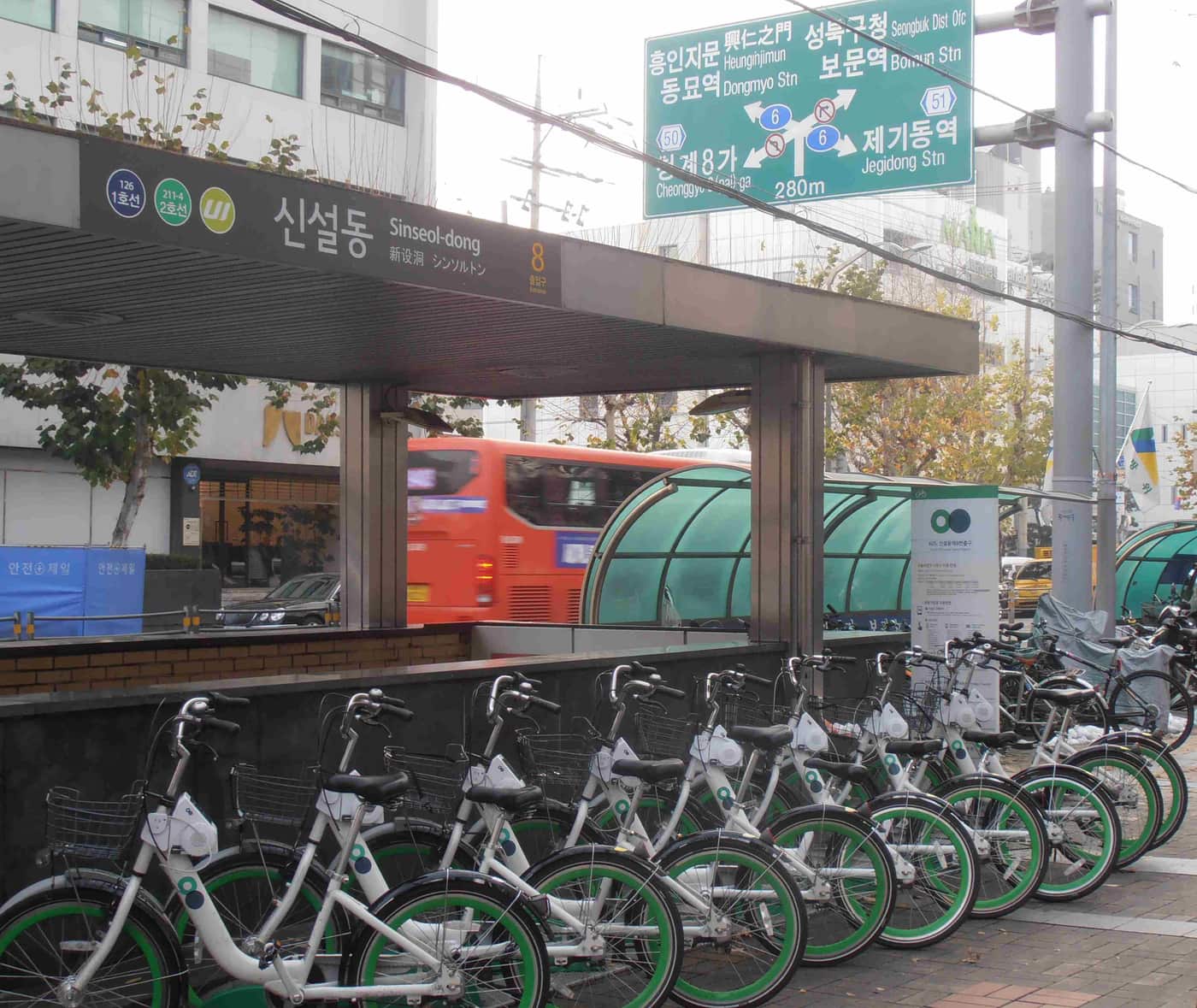
The most useful official clue is how Seoul treats public bikes. Seoul's public bike service uses docks, app confirmation, payment records, locks, and an operation center. Seoul's English public-bike page says a rental that is not returned within the required time can be treated as lost or stolen and reported to police. That tells riders two things: the city expects bikes to be controlled carefully, and the return record matters.
Police statistics also make clear that theft and lost-property reporting should go through official channels, not informal online complaints. The National Police Agency publishes crime statistics and operates public-service channels for reports and lost property. For a stolen private bike, you will need details: serial number if available, purchase record, photos, lock location, approximate time, and any nearby CCTV information.
This is why the best protection starts before anything happens. Photograph the full bike, frame number or serial number, lock setup, and unusual marks. Keep a receipt or used-market chat record. If the bike disappears, those details make a report more credible.
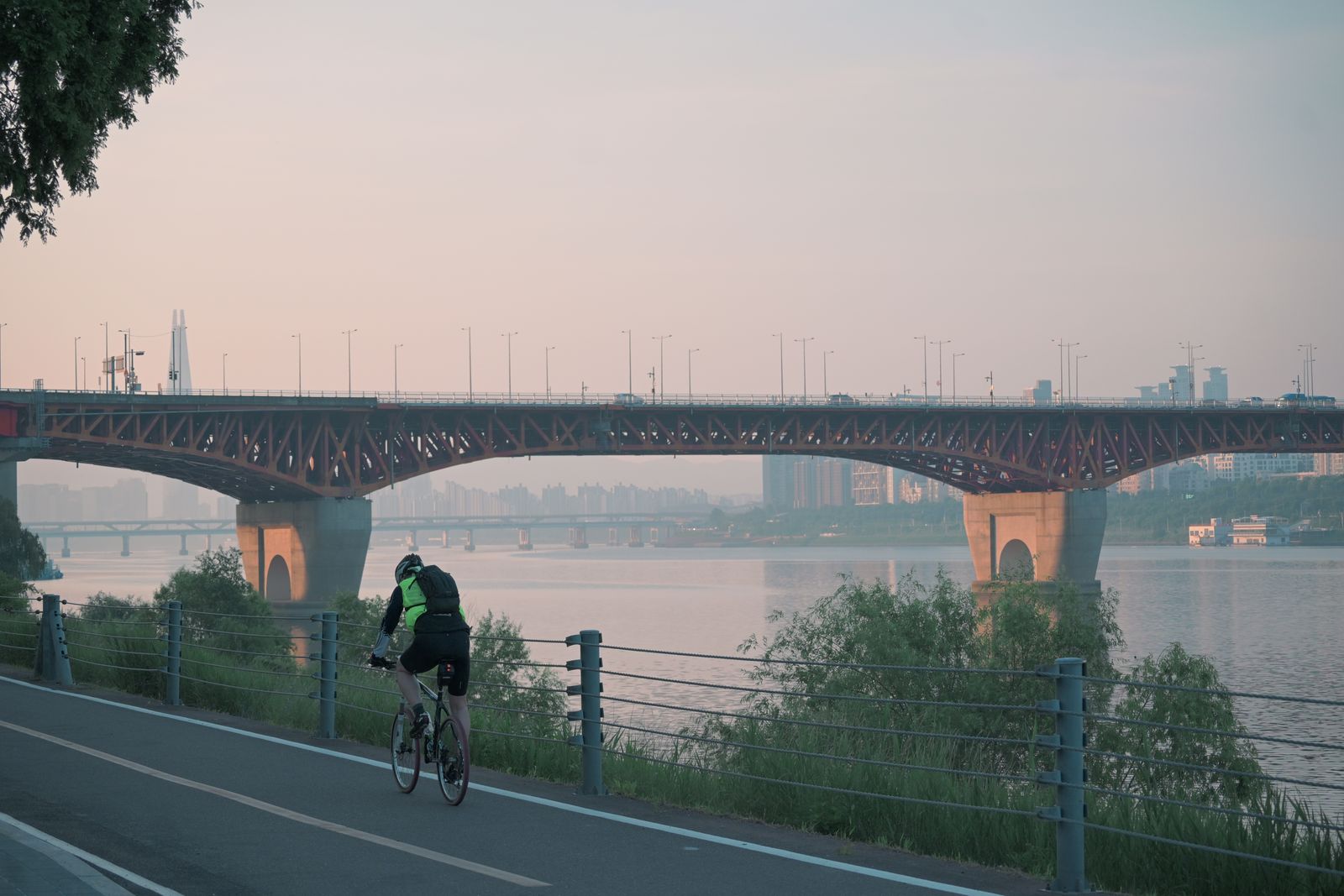
Locking Strategy: Do Not Use a Souvenir Lock
The most common mistake is buying a light cable lock because it is easy to carry. A cable may stop someone from casually rolling away a bike for a few seconds, but it is weak protection for overnight parking or an expensive bicycle. A better setup is a solid U-lock or folding lock through the frame and rear wheel, plus a cable to secure the front wheel if needed.
The lock should connect the frame to a fixed rack, not only the wheel to itself. If you lock only the front wheel, someone can remove the rest of the bike. If you lock to a small sign, loose fence, or movable object, the lock may look secure while the bike is not.
Remove accessories. Lights, phone mounts, saddle bags, helmets, and delivery baskets can disappear even when the bike remains. If you use an e-bike, take the battery indoors when the design allows it and follow the manufacturer's safety instructions.
Kryptonite New York U-lock — the answer to the one exception in Korea's public trust. If you park a private bike in Seoul, a thin cable in a station rack is the souvenir lock this article warns about; this is the lock that makes the bike not worth the effort. As an Amazon Associate, EpicKor earns from qualifying purchases at no extra cost to you.
See the New York U-lock on AmazonWhere to Park in Seoul
Choose visibility over convenience. A slightly longer walk from a lit rack is better than a hidden corner beside a wall. Racks near station entrances, apartment security offices, campus buildings, convenience stores, and active streets are usually better than quiet alleys. CCTV helps, but it is not magic. A camera that does not clearly show the bike, face, or direction of travel may not solve the case.
Avoid leaving a valuable bike outside overnight in entertainment districts. Hongdae, Gangnam, Itaewon, university areas, and station zones have heavy foot traffic, drinking, delivery riders, late-night movement, and many similar bikes. That mix creates confusion and opportunity.
If you live in Korea, ask your building about bike rooms, indoor parking, basement racks, or registration stickers. Some apartment complexes remove abandoned-looking bikes, so a neglected bike may be moved even when it was not stolen. Labeling and checking building notices can prevent a false alarm.
For a broader safety setup in Seoul, see our Seoul safety guide. For transit alternatives when cycling is not ideal, read our first-time Korea travel guide.
Public Bike Rentals: Ttareungi Is Different From Owning a Bike
Seoul's public bike system, often called Ttareungi in Korean, is designed for short trips. The city provides stations, payment, return rules, and an operation center. That makes it safer for travelers than buying a cheap used bike for a short stay, but it also means you must follow the return process precisely.
Before leaving the station, check the bike: brakes, saddle, tires, bell, and any obvious damage. During the ride, follow posted cycling rules and dismount where required. After the ride, do not assume pushing the bike into a dock is enough. Confirm the lock/return status and app record. If you have a problem returning the bike, contact the operation center instead of walking away.
Seoul also emphasizes cycling safety rules. Korean police and public-policy channels remind riders to use bike lanes where available, avoid phone and earphone distraction, use lights at night, and walk the bike across pedestrian crossings. Theft prevention and crash prevention are separate, but a rider who is already thinking carefully is less likely to make both kinds of mistake.
What to Do If Your Bike Is Missing
First, make sure it was not moved. Check nearby racks, building notices, security desks, and any local cleanup notices. In apartment complexes, universities, and office buildings, abandoned-bike sweeps can move bikes to a storage area.
Second, document the scene. Take photos of the rack, lock remnants, location, time, and any nearby cameras. Do not accuse a random person online or confront someone without evidence. If the lock was cut or the bike clearly disappeared from a fixed rack, prepare a police report.
Third, gather proof:
- Bike photos and serial/frame number
- Purchase receipt, used-market record, or model details
- Lock brand and photo if available
- Last confirmed parking time and discovery time
- Exact location in Korean or map screenshot
- CCTV locations nearby
- Any tracker information if you use one
Then contact police through the appropriate channel or visit a local police station if you need help in person. For language support, the Korea Travel Helpline 1330 can help visitors navigate tourist issues and interpretation, but theft itself belongs with police.
Kryptonite Keeper 712 combination chain — the secondary layer for helmets, accessories and short daytime stops. Paired with the U-lock, not instead of it: a chain through the wheel and helmet is what stops the small losses that never get reported. As an Amazon Associate, EpicKor earns from qualifying purchases at no extra cost to you.
See the Keeper chain on AmazonUsed Bikes, Resale Apps, and Red Flags
Used bikes are common in Korea, especially around campuses and expat communities. Buying used can be sensible, but check the story. A seller who cannot explain the model, has no charger for an e-bike, refuses to meet in a public place, or sells many unrelated bikes at suspicious prices deserves caution.
Ask for a photo of the frame number if the bike has one. Compare the bike to the listing photos. Pay in a traceable way when possible. If a deal seems too cheap and rushed, walk away. The point is not to become a detective. It is to avoid accidentally buying a problem that becomes yours.
If you are staying only a few days, public transit plus Ttareungi may be easier than buying and reselling a private bike. Seoul's subway and bus system covers most visitor routes, and riverside cycling can still be a planned activity rather than your main transport.
A Better Rule Than "Korea Is Safe Except Bikes"
The better rule is this: Korea can be very convenient and orderly, but movable outdoor property still needs ordinary city protection. Lock the frame. Park visibly. Keep records. Use public bikes correctly. Store expensive bikes indoors. Report theft through official channels.
That advice is less funny than the meme, but it is more useful. You can enjoy cycling in Korea without treating every street as a threat, and without assuming Korea's general safety reputation protects a bike left outside all night.
| Do This | Why It Helps | Extra Note |
|---|---|---|
| Photograph the bike and serial number | Makes a report and ownership claim clearer | Store photos outside the phone too |
| Use a U-lock through frame and wheel | Raises effort and time required | Add a cable for the front wheel |
| Park in lit, busy, fixed racks | Reduces easy, unseen removal | CCTV is helpful but not guaranteed |
| Confirm Ttareungi return in the app | Prevents rental penalties and lost-bike confusion | Call the operation center if return fails |
| Report with evidence | Gives police something usable | Include time, location, model, photos, and CCTV clues |
Sources and Further Reading
- Seoul Metropolitan Government public bike cost and return rules
- Seoul TOPIS public bike system overview
- Korean National Police bicycle safety guidance via Korea.kr
- National Police Agency crime statistics publication page
FAQ
Q: Is bicycle theft common in Korea? It is common enough to be a serious local warning, especially around outdoor racks, stations, campuses, and overnight parking. But "every bike gets stolen" is an exaggeration. Risk depends on lock quality, location, bike value, and time left outside.
Q: Can I leave a laptop in a Seoul cafe but not a bike outside? Do not treat either as guaranteed safe, but the risk profile is different. A laptop inside a cafe is surrounded by people and usually traceable. A bicycle outside is movable, exposed, and easier to resell or strip for parts.
Q: What lock should I use in Korea? Use a solid U-lock or folding lock through the frame and a fixed rack, plus a secondary cable for the front wheel if needed. A thin cable alone is best treated as very light protection.
Q: Is Ttareungi safer than owning a bike? For short-term visitors, yes in many cases. The public bike system has stations, payment records, and return tracking. Your main responsibility is to ride safely and confirm the app or dock shows that the bike was returned.
Q: What should I do if my bike disappears? Check whether it was moved by building management or a cleanup first. Then document the location, gather photos and ownership proof, and report through police channels. If you are a visitor and need language help, contact 1330 for guidance.
Q: Should I buy a used bike for a Korea trip? Only if you will use it enough and can store it safely. For a short trip, public transit plus public bikes is usually simpler. If buying used, check frame numbers, receipts or chat records, seller behavior, and suspiciously low prices.
Video Insight: The Mystery of the Stolen Bike
You Might Also Like
Korean Stare Meaning: Why Koreans Stare at Foreigners, and How to React
The Korean stare almost always means curiosity, not hostility: outside central Seoul a non-Asian face is still rare. Sometimes it means you broke a quiet public rule. How to tell which, and the nod and 안녕하세요 that end it.
Why Koreans Seem Cold to Foreigners: The Gap Between How Korea Sees Itself and How You See It
Foreigners abroad rate Korea 82.3% favourable. Foreigners living in Korea rank Koreans 39th of 46 countries for friendliness, and 84% of Koreans say they would not trust a stranger. Where the gap comes from, and how to get to the other side of it.
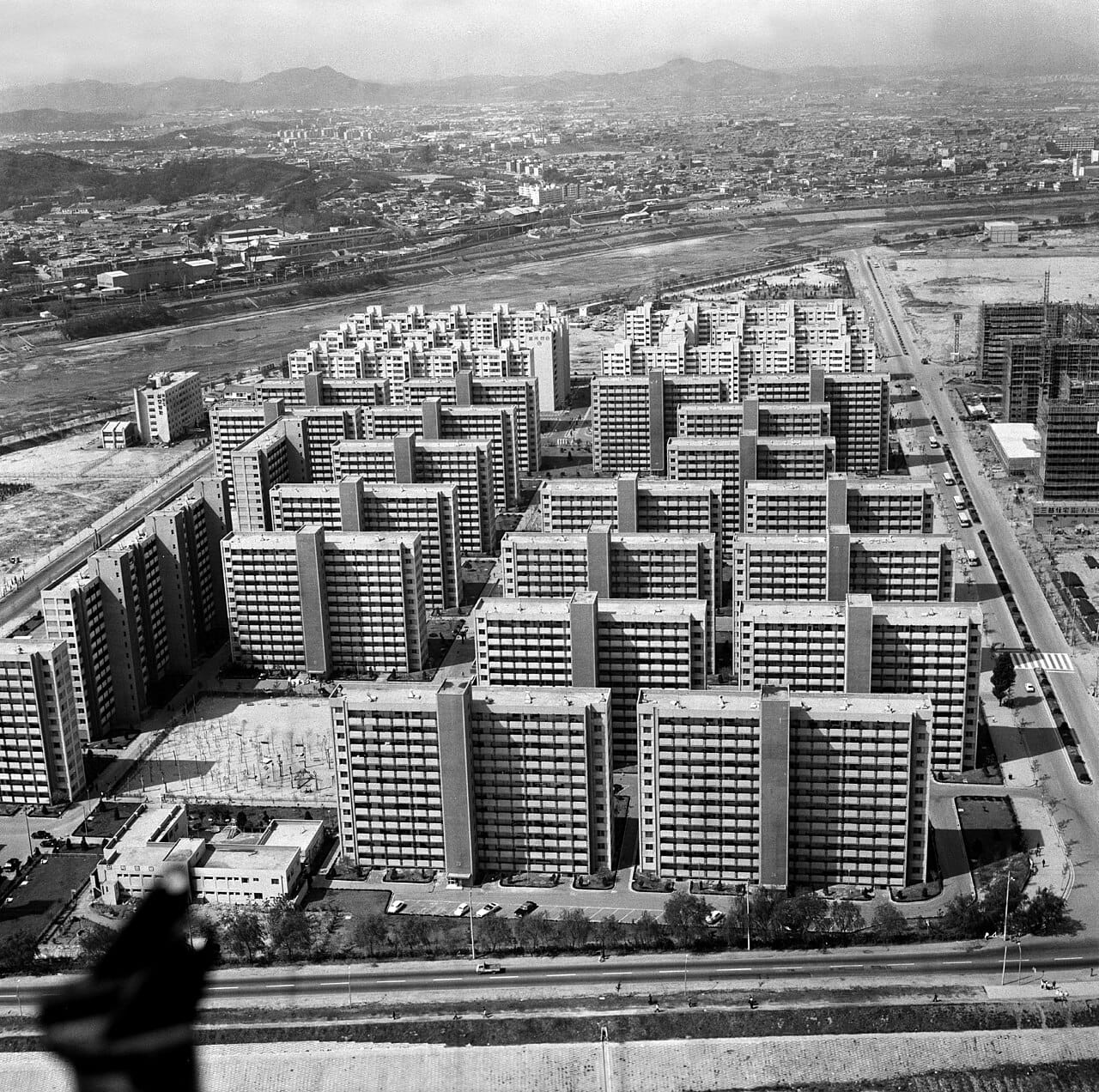
Why Koreans Live in Apartments: Korea's One-Generation Shift
In 1978 only 5.2% of Korean homes were apartments. By 2015 it was 59.9%. That change was not caused by crowding — it was built by a financing system where buyers pay for a building before it exists. Here is how Korea became an apartment country.