Show Me The Money Guide: How TV Changed Korean Hip-Hop
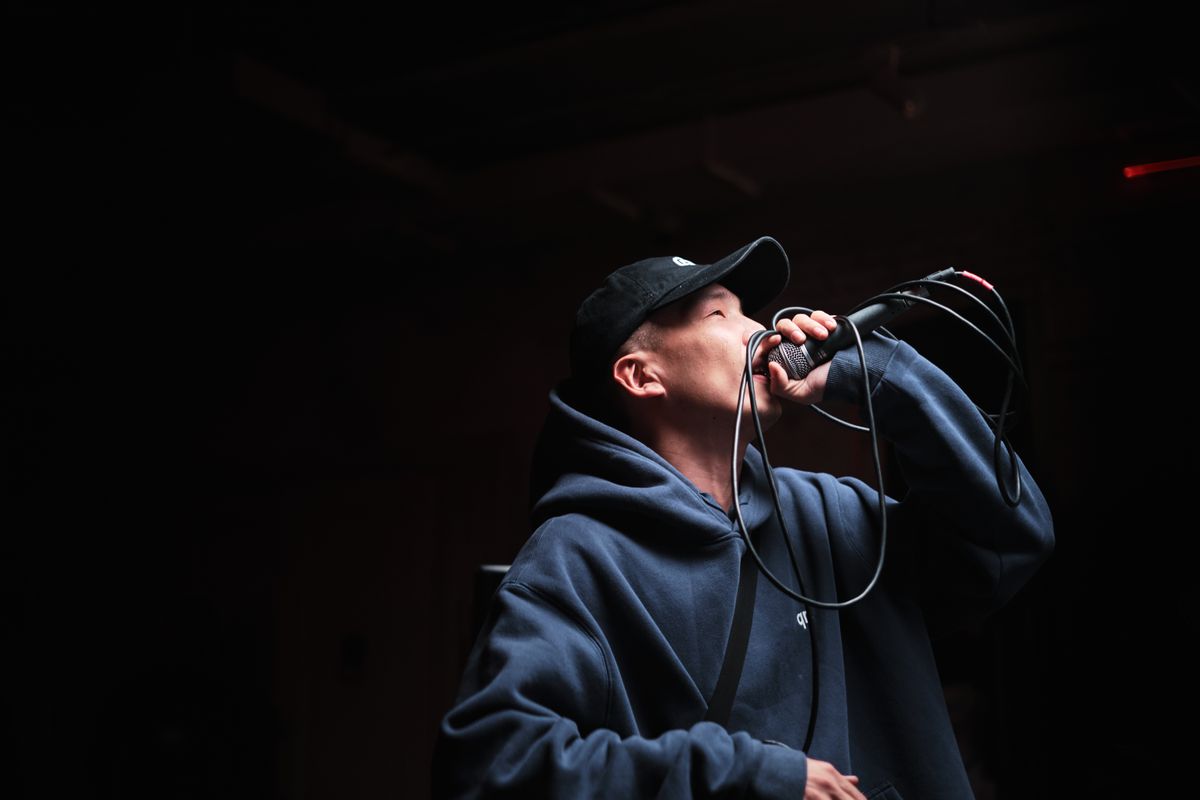
Show Me The Money matters because it turned Korean hip-hop into a national viewing habit. Before the Mnet survival series became a recurring franchise, many overseas fans met Korean rap in fragments: an idol rap verse, a Hongdae club clip, a diss track, a label cypher, or a YouTube performance. SMTM put rappers, producers, judges, stages, eliminations, and viral conflict into one prime-time machine.
This guide is not a list of winners. It explains what the show changed: how underground credibility met television editing, why producers became as visible as contestants, how memes and stage clips moved through Korean youth culture, and why the series remains controversial even when it helps artists reach wider audiences. For the broader genre map, read EpicKor's Korean hip-hop guide. For the fandom-shopping side of K-music, use the K-pop photocard guide and coin noraebang guide.
The Short Answer
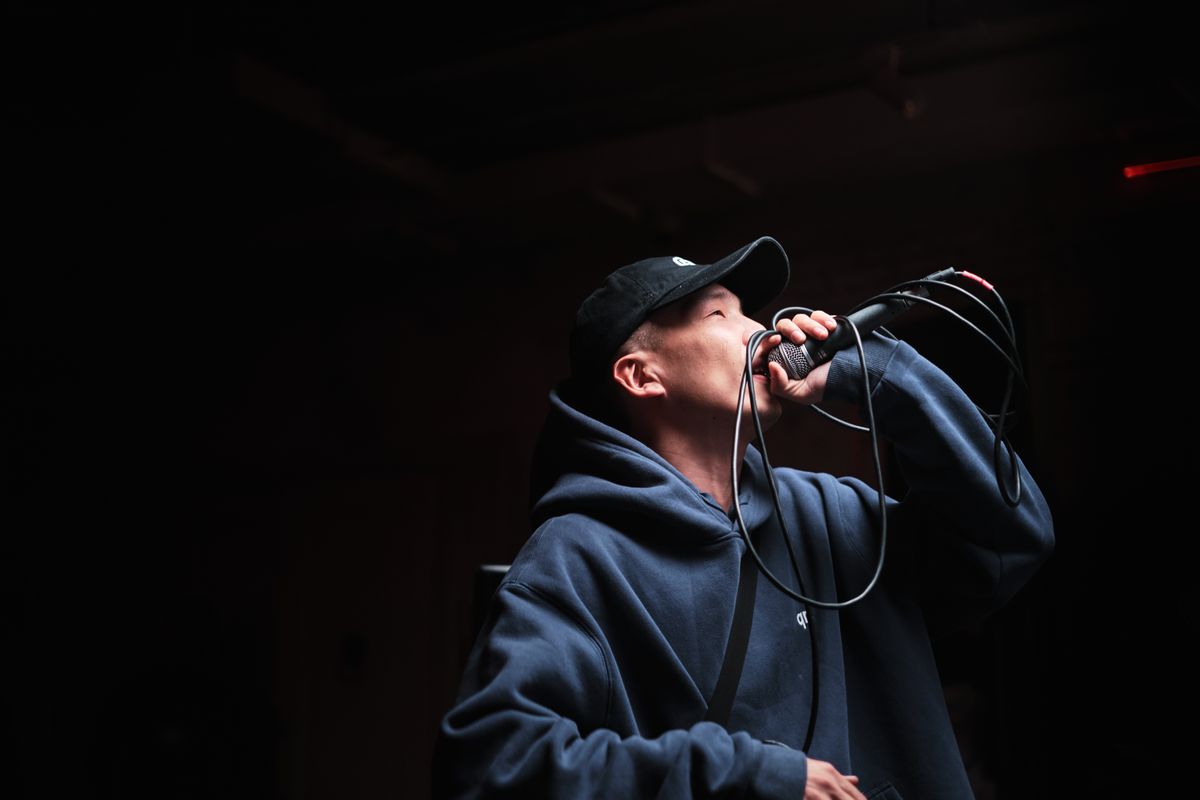
Show Me The Money is a Korean rap competition franchise from Mnet/CJ ENM that made hip-hop easier for mainstream Korean audiences to follow. It did not invent Korean hip-hop, and it did not represent every part of the scene fairly. What it did was create a repeatable television format: auditions, producer teams, battles, stages, hooks, elimination drama, and songs that could chart after broadcast.
That format changed the incentives around Korean rap. A rapper could gain attention from a strong stage. A producer could become a public-facing mentor. A label could turn a TV moment into touring, streaming, festivals, brand work, and collaborations. At the same time, the same TV logic could simplify artists into characters, reward drama, and create arguments over authenticity.
| SMTM changed... | Before the TV format | After the TV format |
|---|---|---|
| Discovery | Clubs, labels, forums, YouTube, word of mouth | National TV stages plus clips and social sharing |
| Producer visibility | Known mostly inside music circles | Judges and team leaders became personalities |
| Song lifecycle | Release first, then audience reaction | Stage moment first, then chart and replay effect |
| Artist image | Built through releases and live scenes | Built through editing, rivalry, interviews, and missions |
| Commercial path | Label, club, festival, collaboration | TV, streaming, festivals, ads, variety, labels, global fans |
Korean culture and history books — compare on AmazonAffiliate link. As an Amazon Associate, EpicKor earns from qualifying purchases at no extra cost to you.
Why SMTM Was So Legible
Hip-hop can be difficult for a newcomer because the culture has many gates: lyricism, flow, slang, scene history, label politics, fashion, beefs, production styles, and local references. Show Me The Money simplified the first gate. Viewers did not need to know every label or mixtape before they understood the stakes. Someone walked into an audition. A producer reacted. A stage happened. The room decided whether the performance had power.
That simplicity made the show work as television. Each episode could sell several questions: Who is real? Who is overrated? Who forgot lyrics? Which producer team has the best chemistry? Which unknown contestant suddenly looks dangerous? Which stage will become the clip everyone shares tomorrow?
The risk is obvious. Real music scenes are messier than TV brackets. A quiet artist with great albums may be less television-friendly than a loud contestant with one viral moment. But the same compression also helped Korean hip-hop reach people who would never have started with underground archives.
The TV Flywheel
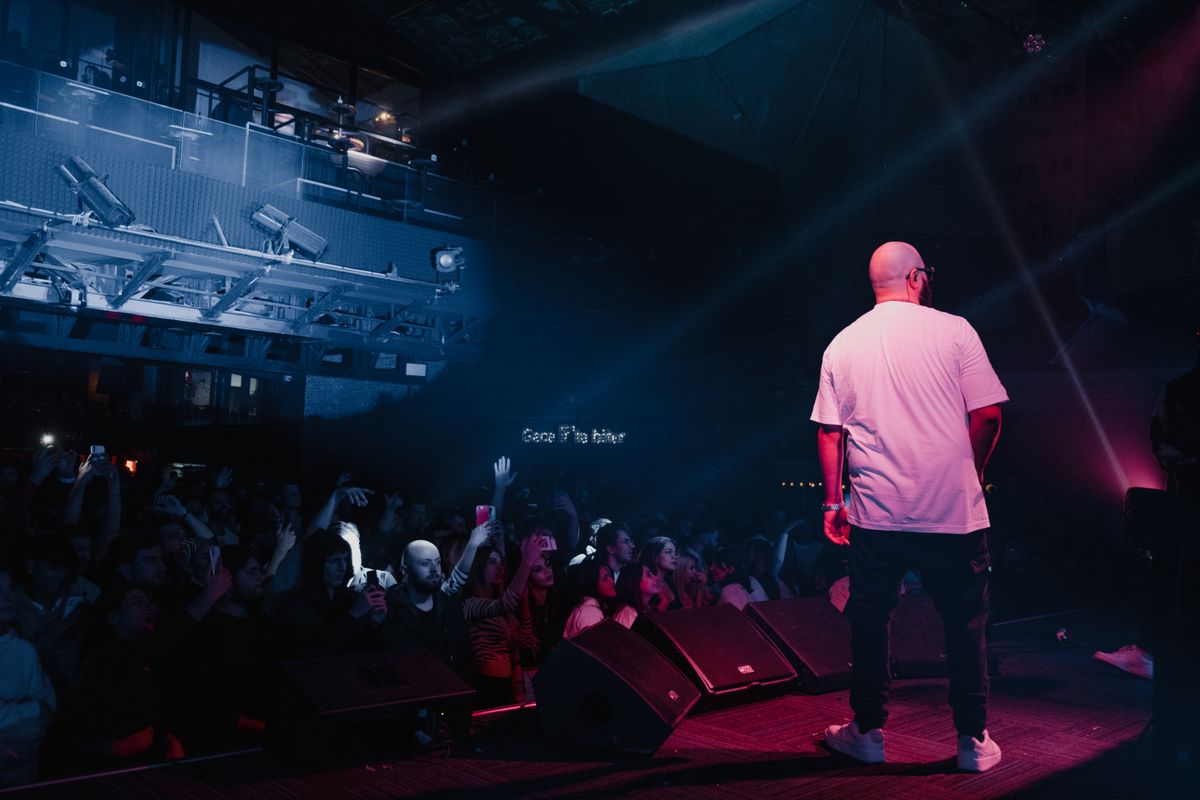
SMTM worked because it linked several engines at once. The broadcast gave the first push. Short clips extended the moment. Streaming platforms made the songs repeatable. Social media turned lines, mistakes, gestures, and hooks into memes. Festivals and clubs gave artists a live-business path. Labels used the exposure to sign, promote, or reposition talent.
CJ ENM's current English materials describe Show Me The Money 12 as Korea's iconic hip-hop survival returning for a 12th season, and the company's Gen Z-facing material frames the series as a defining shared experience for Korean hip-hop fans. That is company language, so it should not be read as neutral criticism. But it confirms something important: CJ ENM itself treats SMTM as a long-running franchise, not a one-off rap contest.
Build context before copying the style: As an Amazon Associate, EpicKor may earn from qualifying purchases. If Korean hip-hop sends you deeper into Korean society and language, compare Korean culture and history books before treating lyrics as isolated slang.
Producers Became Characters
One of the biggest SMTM shifts was producer visibility. Korean hip-hop already had important producers, labels, and crews, but the show placed them in front of mainstream viewers as mentors, judges, strategists, and personalities. Viewers learned not only "who raps well" but also "whose team would you join?"
That mattered commercially. A producer team could give a contestant credibility, a beat identity, and a story. A stage could feel like a collaboration rather than a solo test. For fans, this made Korean hip-hop easier to map: artists were no longer floating names. They were connected to labels, mentors, styles, and team narratives.
It also created pressure. A producer on television must react, judge, explain, and perform taste. That is different from making music in a studio. The show could reward clear opinions and memorable expressions as much as musical subtlety. This is one reason SMTM is useful but incomplete: it shows a media-shaped version of Korean hip-hop, not the whole culture.
Underground vs Overground
The oldest argument around SMTM is authenticity. Did the show help Korean hip-hop grow, or did it turn rap into survival-show entertainment? The honest answer is both.
It helped because it gave rappers national exposure, made producer names visible, gave audiences a reason to learn genre vocabulary, and created stages that could travel beyond the original broadcast. Yonhap's 2018 coverage of season seven described the show as a rap competition bringing together major artists and producers, including figures associated with influential Korean hip-hop labels. That kind of lineup showed how much scene labor was being brought into television.
It hurt, or at least complicated things, because television needs conflict and fast judgment. A scene built on albums, practice rooms, local crews, and long-term reputation can be flattened into auditions, mistakes, dramatic cuts, and one-stage memory. Some artists benefited. Others became known for a single edited moment. The show gave Korean hip-hop a bigger room, but the room had cameras everywhere.
How to Watch SMTM Without Misreading Korean Hip-Hop
Use SMTM as a doorway, not the whole house. Watch the stages, then follow the artists outside the show. Search their albums, label releases, live performances, collaborations, and interviews. Notice whether a rapper sounds different when not compressed into a mission.
Also separate three things:
| What you are watching | What it teaches | What it does not prove |
|---|---|---|
| Audition clip | First impression, nerves, charisma | Full artistry or writing range |
| Producer team stage | Collaboration, beat choice, crowd control | How the artist sounds alone |
| Diss or battle mission | Persona, quick response, performance pressure | Real personal relationship |
| Charting broadcast song | Public hook and replay value | Long-term catalog quality |
| Edited conflict | Television storytelling | The whole truth of the scene |
Why Korean Youth Connected With It
Korean hip-hop grew inside a society where competition is familiar: exams, auditions, company recruitment, apartment status, beauty standards, ranking systems, and constant comparison. SMTM translated that pressure into a musical contest. A contestant could stand in front of famous producers and try to prove, in a minute or two, that they deserved attention.
That is why the show's "hustle" language resonated. It was not only about money or flexing. It was also about the fantasy of being judged for what you can do right now, not only for school, family background, company rank, or institutional path. Of course, television is not pure meritocracy either. Editing, screen time, producer preference, looks, timing, and fandom all matter. But the show made the dream visible.
This is also why SMTM could produce both inspiration and fatigue. The same format that feels exciting in one season can feel exhausting when every artist must become a competitor, every stage a test, and every lyric a public argument.
For practice, not performance fantasy: If SMTM makes you want to rap, sing, or record casually, compare wired in-ear headphones for vocal practice and a portable karaoke microphone before buying studio gear you may not use.
What SMTM Means in 2026
In 2026, SMTM should be read as legacy media and current media at the same time. The series is old enough to have shaped a generation's memory of Korean hip-hop, but CJ ENM's current materials still position Show Me The Money 12 as an active return with global-facing ambition. That tells overseas readers something important: Korean hip-hop is not only underground culture and not only idol rap. It is also television IP, streaming content, social video, festival programming, and exportable entertainment.
The best way to understand that tension is not to choose one side. SMTM can be commercially packaged and still create unforgettable stages. It can help artists and still distort the scene. It can introduce hip-hop to new listeners and still frustrate long-time fans. That contradiction is the point.
Quick Viewing Plan
Start with a few famous stages, but do not stop there. Choose one contestant whose stage you like, then listen to at least two non-SMTM songs. Choose one producer, then find their label or production credits. Choose one controversy, then ask whether it was a musical issue, an editing issue, or a fandom issue.
If you do that, SMTM becomes useful. It stops being a simple ranking machine and becomes a map of how Korean music, television, youth pressure, and digital attention collide.
Sources and Further Reading
- CJ ENM English content page listing Show Me The Money 12.
- CJ ENM Gen Z feature discussing Show Me The Money 12.
- Yonhap on Show Me The Money 777 and Korean hip-hop producers.
- EpicKor Korean hip-hop guide.
- EpicKor coin noraebang guide.
FAQ
Q: Did Show Me The Money create Korean hip-hop?
No. Korean hip-hop existed before the show through clubs, labels, crews, albums, and online scenes. SMTM made parts of that culture visible to a much wider TV audience.
Q: Is SMTM a good way to learn Korean hip-hop?
It is a good doorway, but not the whole map. Use the show to discover artists and producers, then listen to their albums, label releases, and live performances outside the competition.
Q: Why is Show Me The Money controversial?
Because television can help artists reach new audiences while also simplifying them into characters, conflicts, mistakes, and one-stage memories. Fans debate whether the tradeoff is worth it.
Q: Why do producers matter so much on SMTM?
Producer teams shape beats, stage direction, mentoring, and public taste. SMTM made many producers visible as personalities, not only behind-the-scenes music makers.
Q: Is Korean hip-hop the same as K-pop rap?
No. K-pop rap is one lane inside a wider ecosystem. Korean hip-hop includes underground artists, labels, R&B hybrids, survival-show alumni, festivals, and idol-adjacent collaborations.
Q: What should I watch after SMTM stages?
Follow one artist outside the show. Listen to non-SMTM songs, label releases, interviews, and live clips so you can separate TV performance from long-term artistry.
You Might Also Like
Korean Hip-Hop Guide: SMTM, Artists, and Seoul Scenes
A practical Korean hip-hop guide explaining Show Me The Money, K-rap history, Seoul scenes, artists, fandom, and where beginners should start.
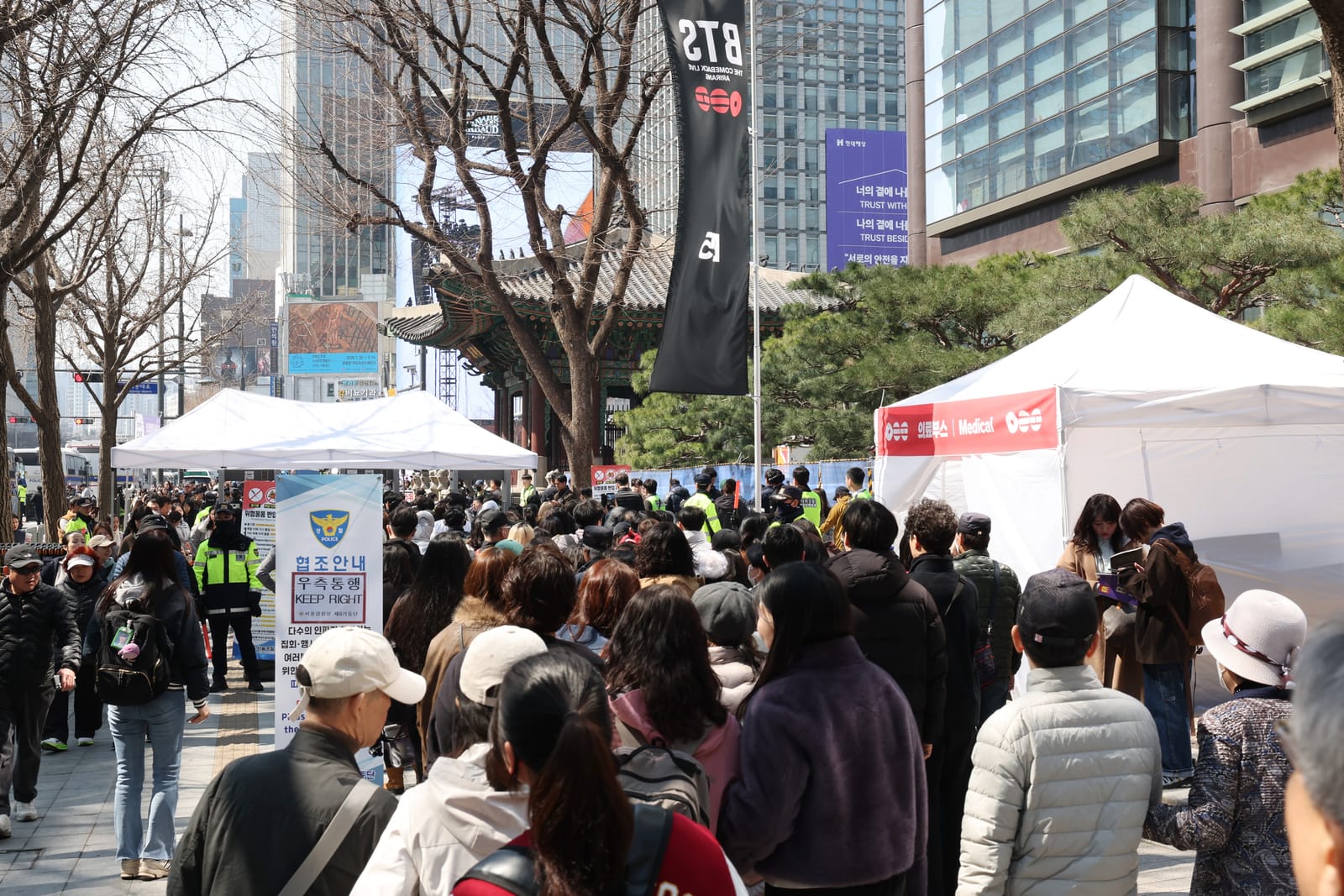
Have All BTS Members Finished Korean Military Service? 2026 Status
Yes — all seven finished. Jin was discharged 12 June 2024, J-Hope 17 October 2024, and RM, V, Jimin, Jung Kook and SUGA between 10 and 21 June 2025. Full dates, why SUGA served longer, and what BTS did after the uniforms came off.
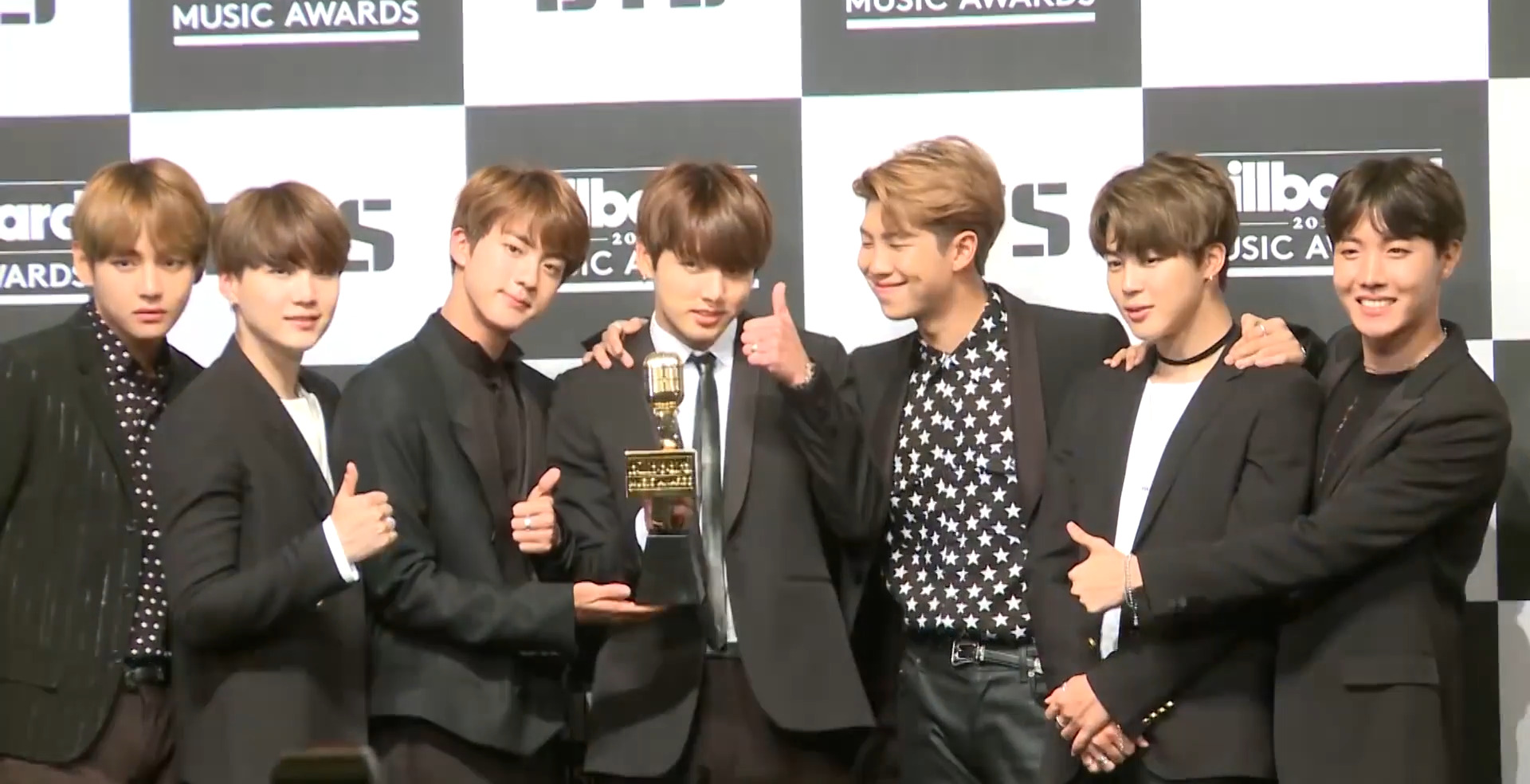
BTS Part 2: The Korean Group's English Gamble and the ARMY Machine
How BTS beat Justin Bieber's 6-year Billboard streak, spoke at the UN, and became the first Korean act to hit No. 1 on the Hot 100.