Korean Hip-Hop Guide: SMTM, Artists, and Seoul Scenes
Korean hip-hop is not just K-pop with rap sections. It has its own underground history, TV survival-show era, label ecosystem, club scenes, fashion codes, lyrical arguments, and global fan base. The confusing part is that many international listeners discover all of it out of order: first an idol rapper, then a viral survival-show clip, then a playlist, then an old diss track, then a Seoul club video.
This guide gives you a cleaner map. It explains how Korean hip-hop moved from subculture to mainstream, why Show Me The Money mattered, why its 2026 return changes the “SMTM is over” story, and how beginners can listen without treating one TV show as the whole genre.
Korean Hip-Hop in One Sentence
Korean hip-hop is a local adaptation of rap culture shaped by Seoul clubs, Korean lyrics, internet platforms, idol training systems, TV competitions, and an audience that moves easily between pop hooks and underground credibility.
That mix creates tension. Some fans care about lyricism, rhyme, and live performance. Others arrive through K-pop collaborations, variety shows, fashion, or celebrity clips. Both routes are real. The mistake is pretending that Korean hip-hop has only one gatekeeper.
Korean music and fan goods — compare on AmazonAffiliate link. As an Amazon Associate, EpicKor earns from qualifying purchases at no extra cost to you.
Why Show Me The Money Changed Everything
Mnet's Show Me The Money became the most visible bridge between Korean rap and the general public. It gave underground artists national TV exposure, turned producer teams into drama engines, and made rap battles part of mainstream conversation. For the TV-format side specifically, EpicKor's Show Me The Money guide explains how the franchise changed producer visibility, stage clips, streaming, and authenticity debates.
CJ ENM describes Show Me The Money 12 as the return of South Korea's iconic hip-hop survival show in 2026, after a hiatus of nearly three years. Its January 2026 newsroom announcement calls the series South Korea's first hip-hop survival show and says it helped bring hip-hop into the mainstream. That matters because older summaries that frame SMTM as simply “ended” are now outdated.
The better interpretation is this: SMTM did not create Korean hip-hop, but it changed how the public discovered it.
A Quick Timeline
| Era | What changed | How to listen now |
|---|---|---|
| 1990s-2000s roots | Korean rap scenes built credibility through clubs, crews, and early labels | Start with pioneering groups and older label catalogs |
| 2010s SMTM boom | Survival TV made rappers visible to casual viewers | Use show clips as entry points, not final judgment |
| Late 2010s-2020s diversification | Trap, R&B, indie rap, idol rap, and streaming scenes overlapped | Follow producers and labels, not only rappers |
| 2026 return wave | SMTM12 revived the TV format with broadcast plus TVING storytelling | Compare new-season hype with older catalog depth |
Underground vs Mainstream Is Too Simple
The classic argument says underground equals authentic and mainstream equals commercial. That is useful as a starting point, but it gets lazy fast. Plenty of underground artists want bigger stages. Plenty of famous artists still write sharply. Plenty of idol rappers have real training, while some non-idol rappers lean on image.
In Korea, the debate is extra complicated because the entertainment industry is highly visual. A rapper's credibility can be judged through lyrics, live delivery, fashion, collaborations, TV behavior, and agency affiliation. That makes Korean hip-hop fascinating and occasionally exhausting.
If you are also tracking the idol side of this question, read EpicKor's BTS guide. BTS helped many global listeners notice that idol rap and hip-hop authenticity were not always cleanly separated.
Build a listener kit: As an Amazon Associate, EpicKor may earn from qualifying purchases. If Korean hip-hop sends you into albums, posters, and watch-party goods, compare Korean music and fan goods without assuming every item is official.
The Artists Beginners Hear First
Every list will be incomplete, but beginners can understand the scene faster by thinking in roles rather than rankings.
| Role | Why it matters | Beginner path |
|---|---|---|
| Pioneers | They built the early language of Korean rap | Listen for storytelling and social tone |
| Producer-rappers | They shape sound, not only verses | Follow credits and producer teams |
| SMTM breakout names | They show how TV changed discovery | Compare live clips with studio tracks |
| R&B/rap hybrids | They explain why Korean playlists often blur genre lines | Start with melodic tracks before harder cuts |
| Idol rappers | They bring global fandom into rap debates | Judge writing, delivery, and context separately |
This role-based approach keeps you from asking the wrong first question. “Who is the best Korean rapper?” is less useful than “What lane am I trying to understand?”
Where Seoul Fits Into the Sound
Seoul gives Korean hip-hop its density. Hongdae, Itaewon, Hapjeong, Gangnam, university neighborhoods, small venues, dance studios, fashion stores, and late-night food streets all feed the atmosphere. You may not see a live rap show on every corner, but the scene is tied to the city's pace: fast, image-aware, competitive, and constantly online.
For travel context, connect this guide with EpicKor's 24-hour Seoul itinerary, Korean night picnic guide, and Seoul bookstore and library guide. Korean hip-hop makes more sense when you see the city as both a work machine and a nighttime stage.
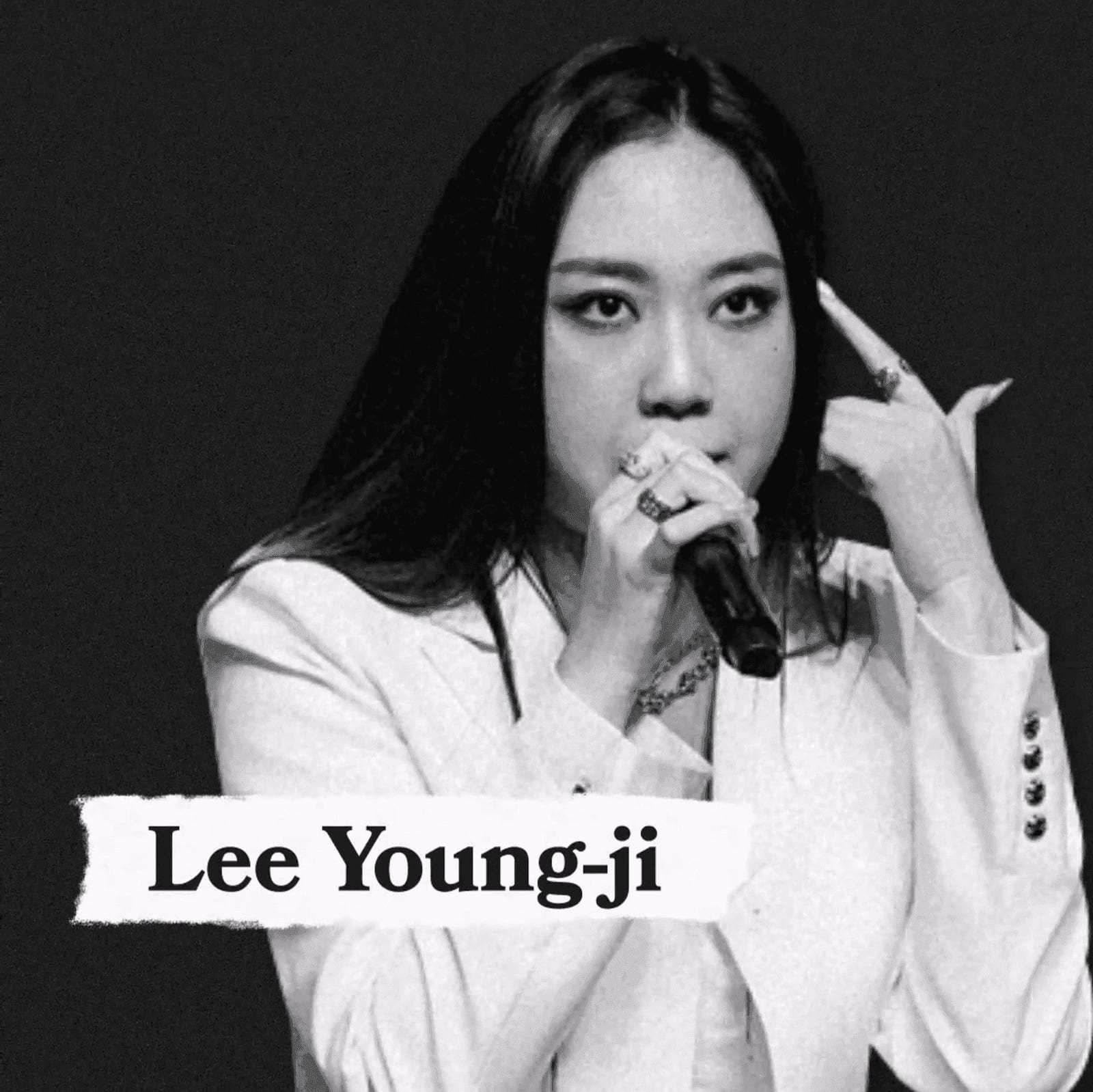
If you are actually in Seoul, check current schedules instead of trusting a fixed neighborhood myth. A venue that felt central in one era may be quiet the next year, while a festival, pop-up performance, or label showcase can suddenly become the better entry point. Korean hip-hop rewards current checking because the culture moves through platforms as much as streets.
What SMTM12 Means in 2026
CJ ENM's 2026 slate says Show Me The Money 12 returned with producers including ZICO, Crush, GRAY, Loco, J-Tong, Hukky Shibaseki, Lil Moshpit, and Jay Park. It also notes global auditions, regional rounds, Mnet broadcast, and TVING-exclusive storytelling.
That does not mean every Korean hip-hop fan loves the format. Some people see survival TV as too dramatic or too commercial. Others see it as the entry point that keeps new listeners arriving. Both views can be true. A good beginner should watch the show for context, then listen beyond the show.
How to Start Listening Without Getting Lost
Use a three-layer method:
- Start with accessible tracks from artists you already recognize.
- Follow one producer or label for a week.
- Add older songs only after you understand the current sound.
Do not try to master every diss, crew, and season in one night. Korean hip-hop has a long memory, and fans can be intense about details. That intensity is part of the fun, but it can also make beginners freeze.
Korean Lyrics Matter
Even when you do not understand Korean fluently, lyrics shape the scene. Wordplay, dialect, English switching, delivery speed, internal rhyme, and social references carry status. Auto-translated lyrics can help, but they often flatten jokes and double meanings.
If you want to understand more than vibes, pair this guide with EpicKor's Hangeul learning guide. You do not need advanced Korean to enjoy the music, but being able to read names, hooks, and titles makes discovery easier.
Make Korean names less blurry: If the artist names, titles, and captions start to matter, compare a Korean alphabet writing workbook before relying only on romanization.
How Fans Discover New Korean Rap Now
Discovery no longer runs through one gate. A listener may find a rapper through an SMTM stage, then follow a producer on YouTube, then hear the same artist on a K-pop collaboration, then see a festival clip on Instagram, then finally search the full album. That messy path is normal.
For international fans, the safest discovery habit is to separate three things:
- TV visibility: Good for names, stage energy, and producer-team drama.
- Studio catalog: Better for judging long-term artistry and writing range.
- Live reputation: Useful for understanding whether the music works outside edited clips.
This matters because Korean hip-hop can look louder on screen than it sounds in a full album. Some artists are built for explosive competition stages. Others are better in quiet R&B-leaning tracks, late-night playlists, or small-room performances. If one song does not work for you, try another lane before dismissing the whole scene.
Also notice how quickly the audience language changes. A rapper can be judged through Korean lyric comments, English subtitles, TikTok snippets, producer-name recognition, and fashion references in the same week. The scene is musical, but it is also algorithmic.
Korean Hip-Hop and K-pop Are Connected
The boundary between K-pop and K-hip-hop is porous. Producers cross over. Rappers feature on idol tracks. Idol rappers cite underground influences. Survival-show contestants later appear in variety, festivals, brand campaigns, and collaborations.
That overlap is why EpicKor's K-pop merchandise guide, celebrity Instagram guide, and K-pop birthday cafe guide are not unrelated. Korean music culture often turns songs into visuals, goods, fandom routes, and social identity.
FAQ
Q: Is Korean hip-hop the same as K-pop rap?
No. K-pop rap is one lane inside a wider ecosystem. Korean hip-hop includes underground artists, label scenes, R&B hybrids, battle culture, TV competition alumni, and idol-adjacent rappers.
Q: Is Show Me The Money still relevant?
Yes, but with context. CJ ENM brought the series back in 2026 with Show Me The Money 12, so it is not just a past-era reference. Still, the show is one discovery route, not the whole genre.
Q: Who should beginners listen to first?
Start with artists connected to the lane you already like: melodic R&B-rap, hard battle rap, producer-led tracks, SMTM performances, or idol-rap crossovers. Then widen from there.
Q: Do I need to understand Korean?
No, but it helps. Beat, tone, and delivery are enjoyable without fluency, while lyric translation and basic Hangeul make names, jokes, and titles easier to follow.
Q: Where can I experience Korean hip-hop in Seoul?
Check current venue listings, festival schedules, club calendars, and artist social accounts. Seoul scenes shift quickly, so do not rely on an old blog post for a live-show guarantee.
Q: Why do fans argue so much about authenticity?
Because Korean hip-hop sits between underground credibility, entertainment-company polish, survival-TV drama, idol fandom, and commercial success. The argument is baked into the genre's public image.
Sources
- CJ ENM: Featured contents including Show Me The Money 12
- CJ Newsroom: Show Me The Money 12 return in January 2026
- CJ ENM: Show Me The Money 12 page
Video Insight: The Evolution of the Beat
You Might Also Like
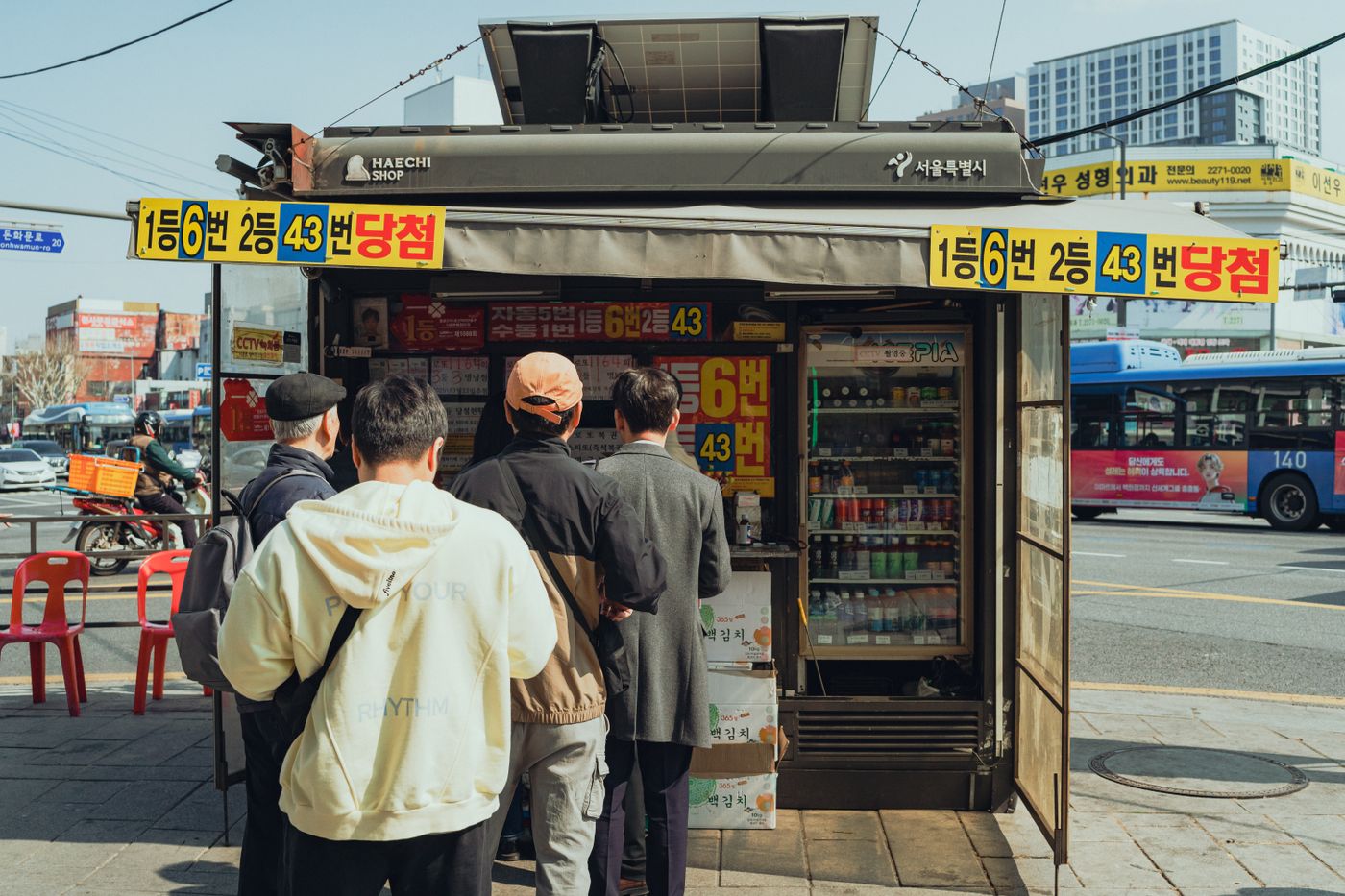
Korean Pop-Up Store Culture: Why Seoul Lines Up for Limited Drops
A guide to Korean pop-up store culture in Seoul: why people line up, where pop-ups happen, how limited drops work, and what tourists should know before going.

K-pop Birthday Cafe Guide: Seoul Fan Events Explained
A practical Seoul K-pop birthday cafe guide explaining cup sleeves, photocards, Hongdae routes, fandom etiquette, costs, schedules, and fan-event planning.
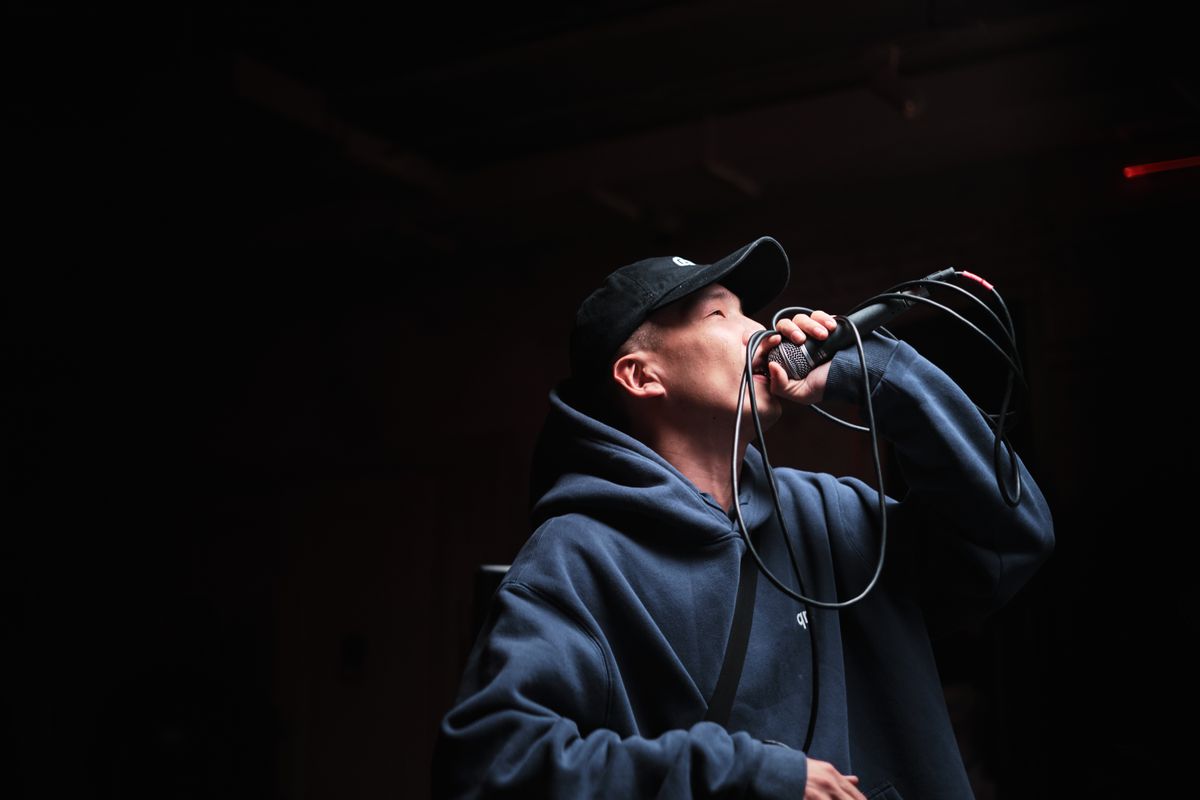
Show Me The Money Guide: How TV Changed Korean Hip-Hop
A practical Show Me The Money guide explaining how Mnet's rap survival show pushed Korean hip-hop from underground scenes into mainstream TV.