Korean Intensity Culture: Food, Work, Sports, and Balance
Korea can feel intense to first-time visitors. Soup arrives still bubbling. Iced drinks appear in winter. Convenience culture runs late. Delivery is fast. Cafes are packed, subways are efficient, study schedules can look brutal, and sports training stories often sound like military planning.
But it is too lazy to say Koreans simply "love extremes." A better word is intensity. Korea often pushes experiences toward clear sensory contrast, fast execution, visible effort, and strong group rhythm. Sometimes that produces amazing convenience and energy. Sometimes it creates stress, overwork, and pressure. Both are true.
This guide explains Korean intensity culture without turning it into a stereotype: hot and cold foods, spicy challenges, ppalli-ppalli speed, work culture, archery discipline, and the growing need for balance.
Quick Answer: Is Korea Really a Country of Extremes?
Korea is not extreme in every situation, and Koreans are not one personality type. Still, visitors often notice stronger contrasts than expected: boiling stews beside icy noodles, all-night study beside all-night nightlife, careful etiquette beside loud group meals, high-tech convenience beside old social hierarchy.
The pattern makes more sense when you connect history and modernity. The World Bank describes South Korea's development as one of modern history's remarkable transformations, from post-war aid recipient to high-income innovation economy. Rapid change creates habits: move fast, adapt, compete, improve, do not fall behind.
That speed became useful. It also became tiring. The smartest way to understand Korea is not to romanticize the intensity, and not to mock it. Notice where it helps daily life, where it creates pressure, and where younger Koreans are already looking for softer rhythms.
Korean food starter packs — compare on AmazonAffiliate link. As an Amazon Associate, EpicKor earns from qualifying purchases at no extra cost to you.
Fire and Ice at the Korean Table
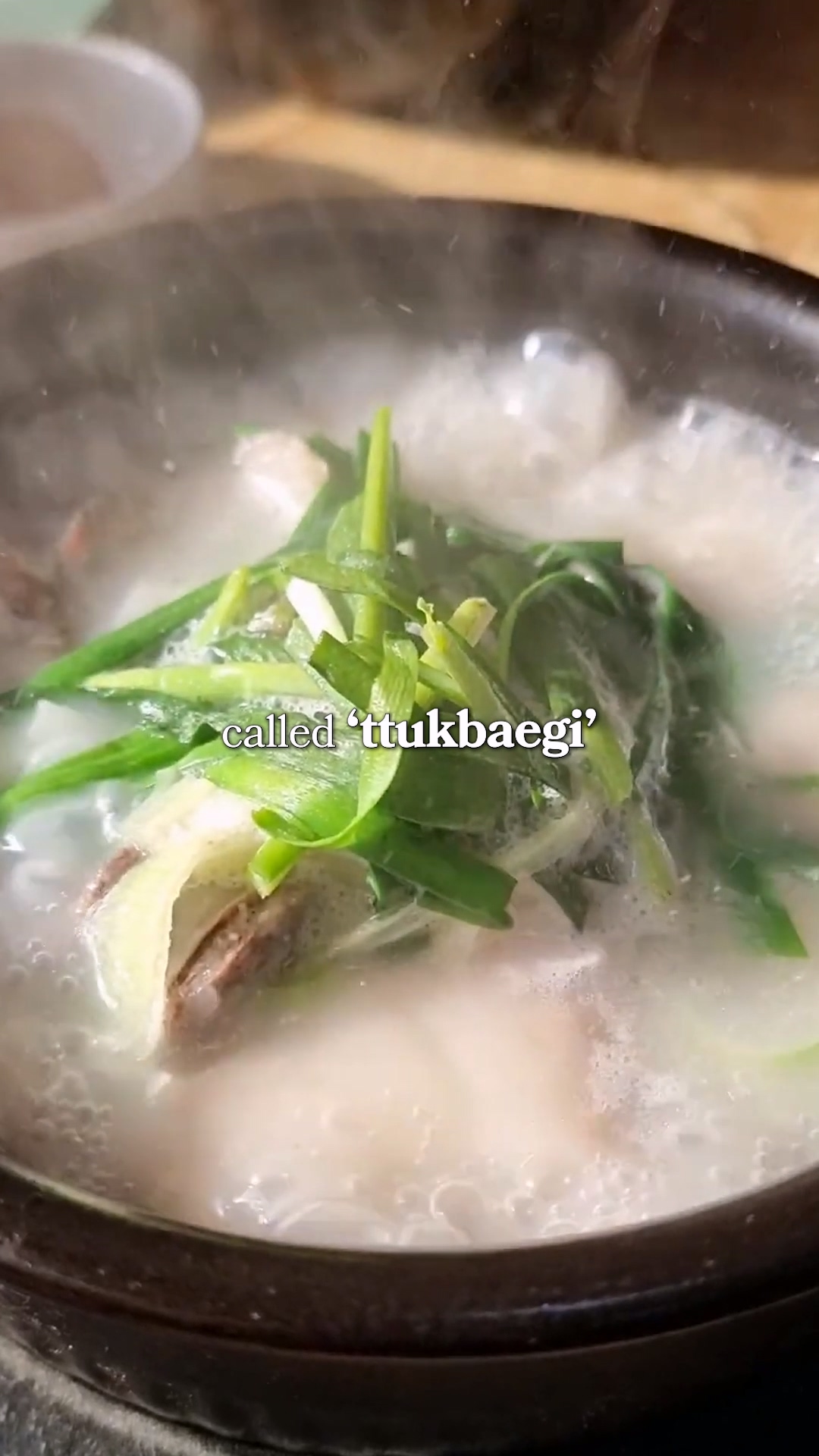
Korean food often uses temperature as drama. A ttukbaegi stew should arrive hot enough to bubble. Kimchi jjigae is not only soup; it is heat, fermentation, steam, pork or tofu, rice, and the feeling of being reset from the inside.
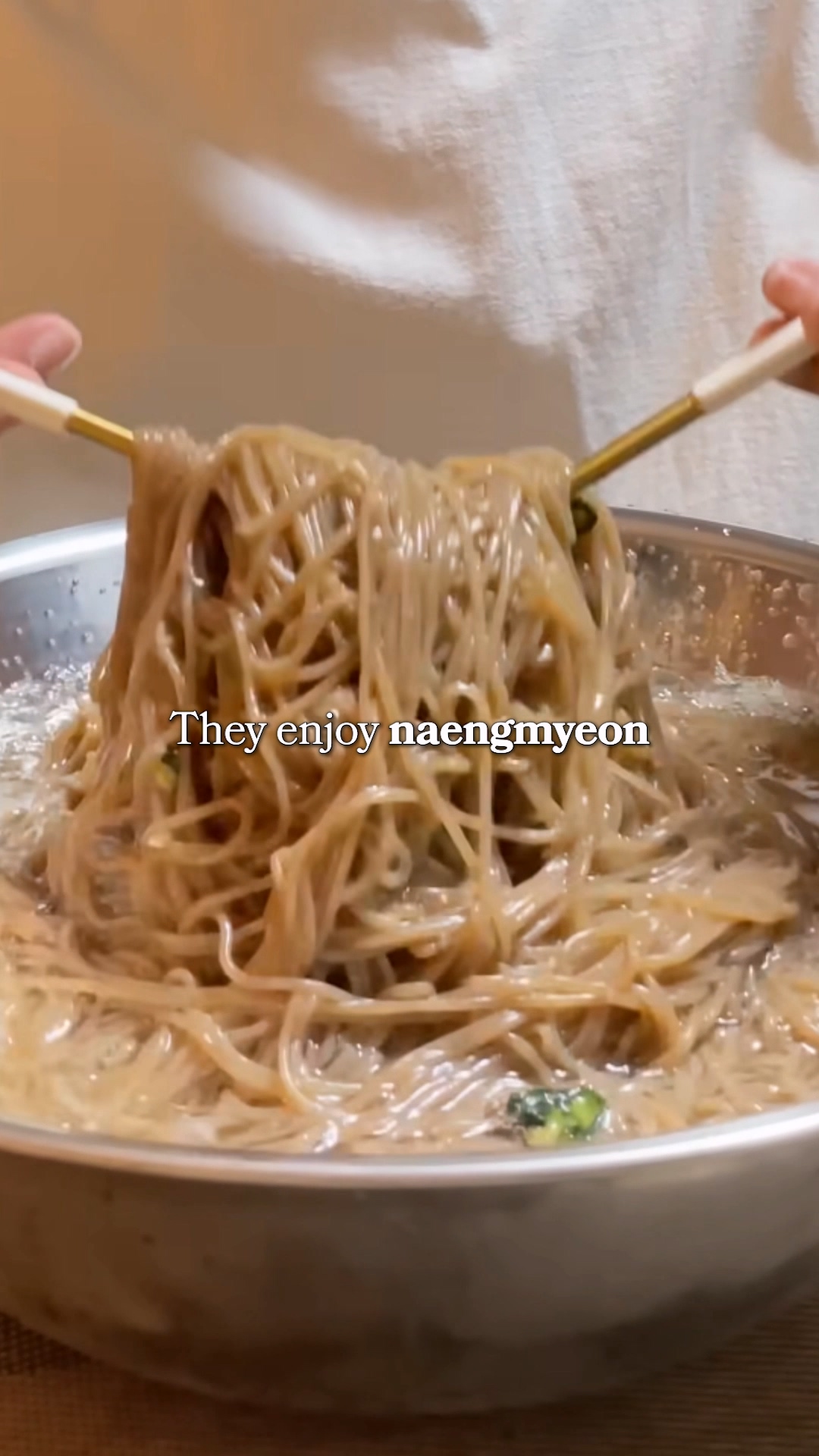
At the other end, naengmyeon is cold by design. Korea.net's recipe background explains that naengmyeon means noodles in chilled broth and was historically enjoyed as a winter specialty using dongchimi radish-water kimchi broth. VISITKOREA now also presents cold buckwheat noodles as a summer favorite. So the contrast is not random. Korean cuisine has long used hot, cold, fermented, spicy, sour, chewy, and refreshing sensations as separate tools.
For readers who want the food side first, EpicKor's Korean rainy-day food guide, Korean drinks beyond soju guide, and Korean convenience-store food guide make the table easier to decode.
| Intensity Type | Korean Example | What It Does | Visitor Tip |
|---|---|---|---|
| Heat | Kimchi jjigae, sundubu, gukbap | Feels restorative and communal | Let boiling bowls cool before eating. |
| Cold | Naengmyeon, iced Americano | Creates contrast and refreshment | Cold noodles may taste subtle at first. |
| Spice | Buldak, tteokbokki, spicy noodles | Adds challenge and release | Do not treat spice level as a personality test. |
| Fermentation | Kimchi, doenjang, gochujang | Adds depth, sourness, and rhythm | Try small portions across meals, not all at once. |
Ppalli-Ppalli: Speed as a Social Habit
The phrase ppalli-ppalli means "quickly, quickly." It is one of the most famous shorthand explanations for modern Korea. It helps explain fast delivery, quick construction, efficient transit, rapid app adoption, and the expectation that services should work now, not later.
But ppalli-ppalli is not just impatience. It emerged alongside industrialization, urbanization, competition, and a national memory of catching up quickly. It can feel thrilling as a visitor: cafes process lines fast, transit transfers are clean, convenience stores solve problems at midnight, and online services expect speed.
The downside is that speed can become pressure. People may feel rushed at work, school, family events, or even leisure. A country can be efficient and still exhausted. The best traveler notices both.
Food-intensity at home: As an Amazon Associate, EpicKor may earn from qualifying purchases. If Korean flavor contrast interests you, compare Korean food starter packs before buying random spicy items with no plan.
Work, Study, and the Cost of Intensity
Korean work and study culture often gets simplified into one word: pressure. There is truth there, but it needs context. The OECD has long discussed Korea's long-working-hours culture, and the OECD Employment Outlook 2026 country note says Korea's labour market has remained resilient while productivity growth has been comparatively strong since the COVID-19 crisis.
This does not mean long hours are good. The OECD's work/family balance analysis argues that combating overwork requires cultural shift and better work organization. That distinction matters. Korea's intensity helped build capacity, but the next challenge is not simply "work harder." It is work smarter, rest better, and protect family and personal life.
For foreign readers, this explains why Korean dramas often show study rooms, office stress, hierarchy, late meals, and burnout. Those scenes are not invented from nowhere. They are cultural material turned into story. EpicKor's Netflix K-drama guide and South Korea explained guide connect that entertainment layer to social context.
Sports Discipline: Why Archery Feels Symbolic
Korean archery is one of the clearest symbols of disciplined intensity. The point is not that every Korean is an archer. The point is that archery stories reveal what Korea often respects: repetition, selection pressure, mental control, and performance under noise.
EpicKor's Korean archery dominance guide explains the sports side in more depth. In the broader culture conversation, archery works as a metaphor because it combines calm and pressure. The athlete must appear still while the system around them is intensely competitive.
That is also why Korea's best achievements can look paradoxical from the outside. The surface may be composed; the preparation underneath may be relentless.
How Visitors Experience This Intensity
Visitors usually feel Korean intensity in practical ways. Subway transfers move quickly. Restaurant tables turn fast. Cafes may be stylish but crowded. Delivery scooters appear everywhere. Popular attractions can feel organized and overwhelming at the same time.
This can be enjoyable if you plan around it. Use Korea's speed when it helps: transit apps, convenience stores, late-night food, fast payment, luggage services, and dense neighborhoods. Slow yourself down when speed becomes a trap: do not cross Seoul five times in one day, do not copy every viral stop, and do not treat a full itinerary as a moral achievement.
EpicKor's Korea tourist cheat-code guide is built around this exact idea: cluster by interest, not anxiety.
When Intensity Becomes Performance
One thing visitors may miss is how often intensity becomes social performance. Spicy food challenges, study bragging, work exhaustion, "I only slept three hours" jokes, luxury shopping lines, and busy schedules can all become ways to signal effort or belonging.
Korea is not alone in this. Many societies reward visible busyness. But Korea's compressed modern history and competitive education/work systems make the signal especially easy to notice.
The healthier direction is already visible: slow travel, choncance countryside stays, wellness, temple food, neighborhood living, cafe rest, and work-life balance conversations. EpicKor's choncance guide, one-month Seoul guide, and temple food guide show the softer counter-current.
How to Enjoy the Energy Without Burning Out
The visitor version of balance is very practical. Do one intense thing, then one easy thing. If lunch is a spicy stew, make dinner lighter. If the morning is a packed market, choose a slower cafe or river walk in the afternoon. If the day includes a major shopping district, do not also schedule a long museum, a night market, and a late club plan unless your body actually wants that.
This is especially important because Korea can make overplanning feel possible. Transit works well, neighborhoods are dense, and cafes rescue tired travelers. But possible is not the same as pleasant. A strong Korea itinerary uses the country's speed as support, not as a command.
For affiliate and travel purposes, this matters too. Readers who feel guided rather than pressured are more likely to trust the next recommendation: the right food starter pack, the right phrasebook, the right packing item, or the right next article. EpicKor should help people handle Korean intensity, not sell them a fantasy of endless stamina.
| Where You Notice It | Helpful Side | Risky Side | Balanced Move |
|---|---|---|---|
| Travel planning | Dense transit and late services | Overpacked itinerary | Plan one anchor per half-day. |
| Food | Memorable heat, spice, and contrast | Eating for challenge, not enjoyment | Order one intense dish plus one mild support. |
| Work/study stories | Discipline and ambition | Burnout and status pressure | Read pressure scenes as context, not aspiration. |
| Shopping/culture | Fast trend discovery | FOMO spending | Compare before buying. |
What Not to Say About Korean Intensity
Avoid saying "Koreans are all extreme." It sounds dramatic, but it flattens people. A retiree in a quiet neighborhood, a student exhausted by exams, a parent managing a household, a designer chasing trends, and a traveler drinking iced coffee in January are not all making the same cultural statement.
Also avoid treating pressure as exotic entertainment. It is easy to admire speed when you benefit from delivery, transit, and service. It is harder to see the workers behind that convenience.
A better sentence is: Korea often rewards intensity, but Koreans are also actively negotiating how much intensity is sustainable.
FAQs About Korean Intensity Culture
Q: What does ppalli-ppalli mean? A: It means "quickly, quickly" and is often used to describe Korea's speed-oriented service, work, transit, and daily-life culture.
Q: Are Koreans really more intense than other people? A: Not as a personality rule. Korea does, however, have visible cultural habits around speed, competition, sensory contrast, and performance.
Q: Why is Korean food often very hot or very cold? A: Korean cuisine uses temperature, fermentation, spice, and texture as strong sensory tools. Hot jjigae and cold naengmyeon are different expressions of that range.
Q: Is Korean work culture still intense? A: Yes, many people still experience pressure, but policy and workplace conversations increasingly focus on productivity, balance, and reducing overwork.
Q: How should travelers handle Korea's fast pace? A: Use the convenience but do not overpack your trip. Cluster routes, protect phone battery, schedule meal breaks, and leave margin.
Q: Is Korean intensity always bad? A: No. It can create excellence, convenience, and memorable experiences. The issue is whether the intensity is chosen, sustainable, and humane.
Final Take
Korean intensity is one of the reasons the country feels so alive to visitors. It is also one of the reasons life inside Korea can feel pressured. The best way to understand it is not to cheer for extremes or criticize from a distance. Notice the contrast, use the convenience wisely, and respect the people carrying the speed.
Sources
You Might Also Like
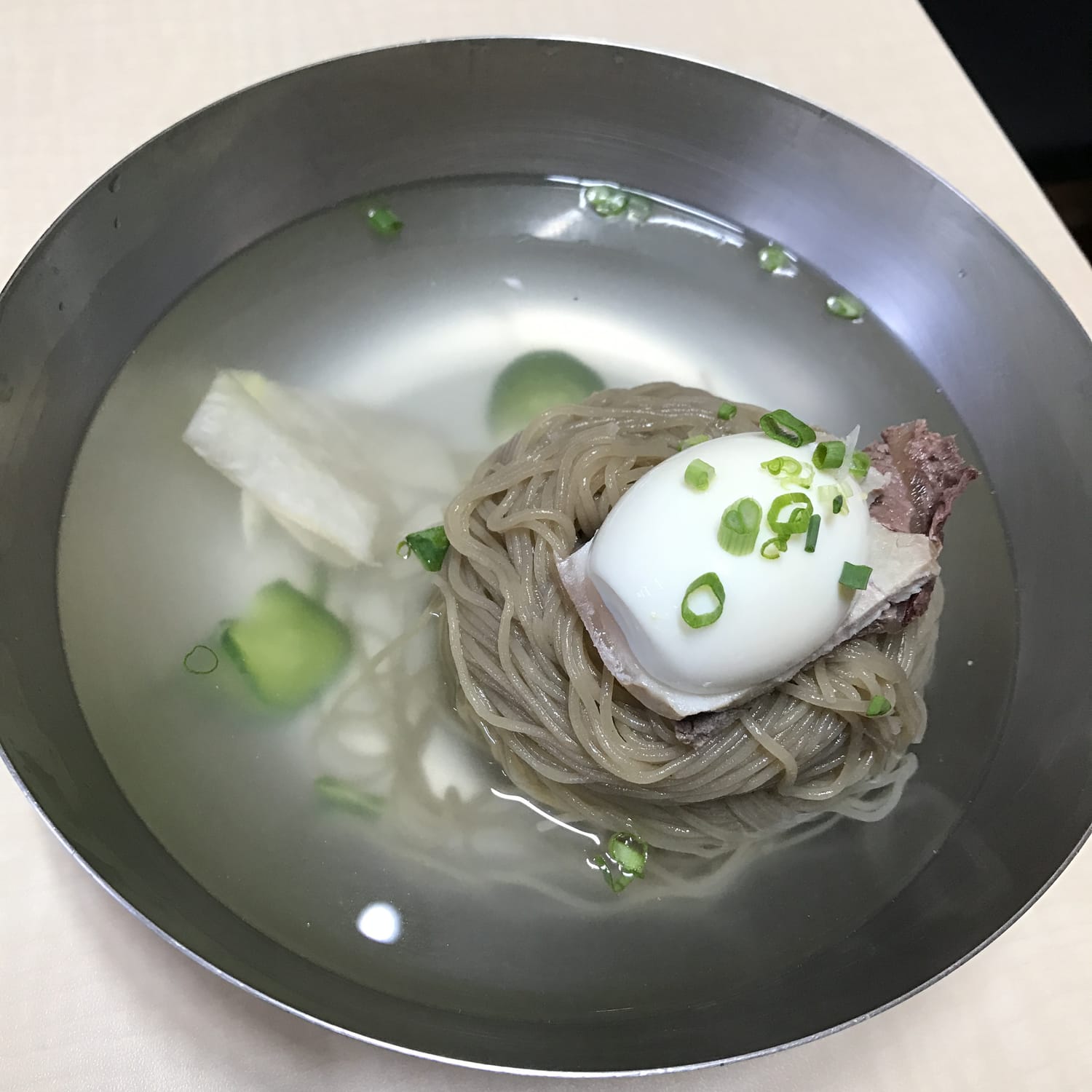
The One Korean Food Foreigners Never Learn to Love: Hamheung Naengmyeon, and Why Koreans Can't See the Problem
Foreigners who eat cheonggukjang and even hongeo still will not pay for this twice. A Korean creator who fed foreigners for years says naengmyeon was the overwhelming number one refusal, and Koreans, who rank it first every summer, cannot see why.
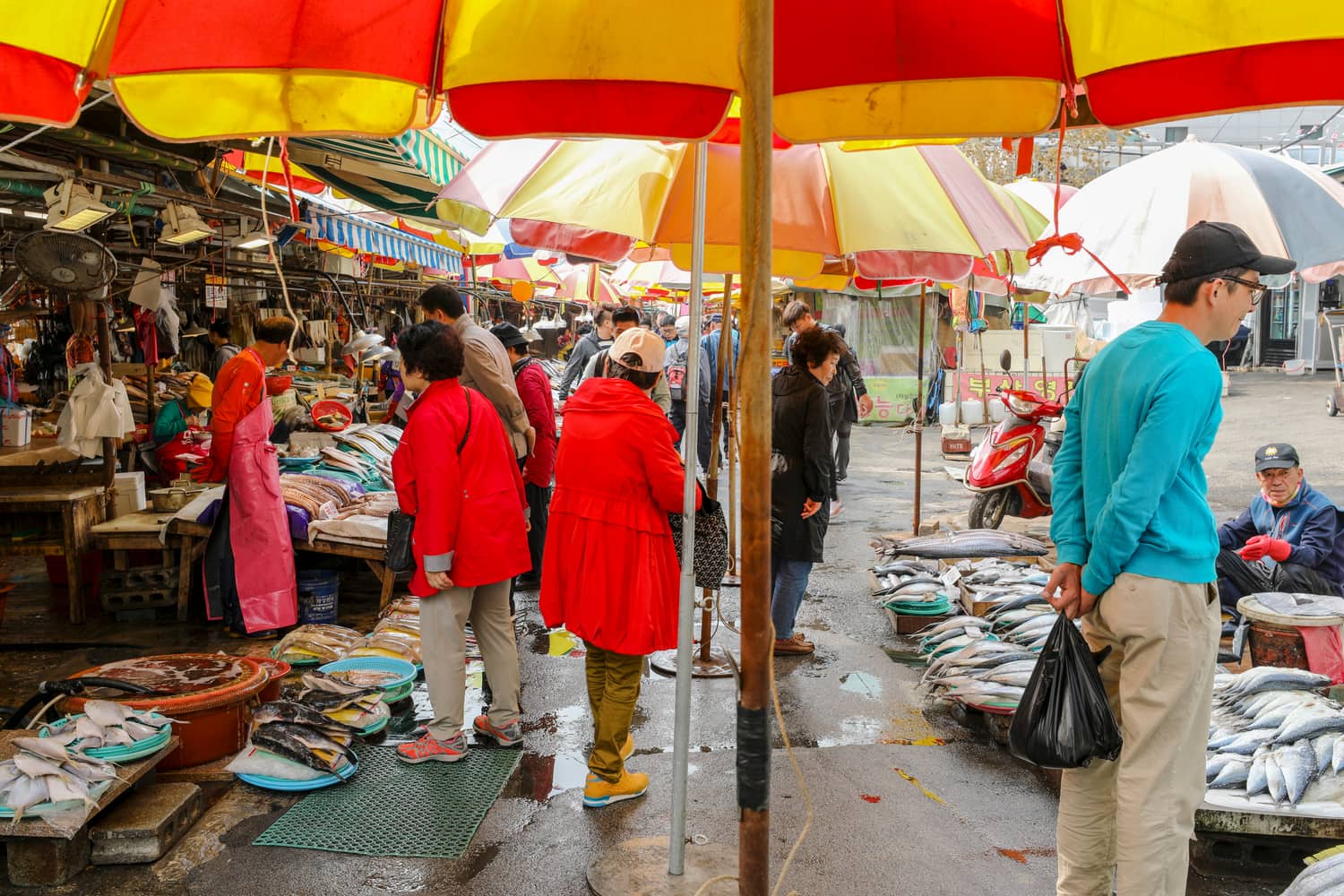
Why Do Koreans Stare at Foreigners? The 5% Country, and Where the Looking Actually Happens
In central Seoul nobody looks at you. In a provincial market, a small town or a subway car of grandmothers, they do. Korea only became a 5%-foreign country in 2025. Where the staring happens, what it means and does not mean, and what to do with it.
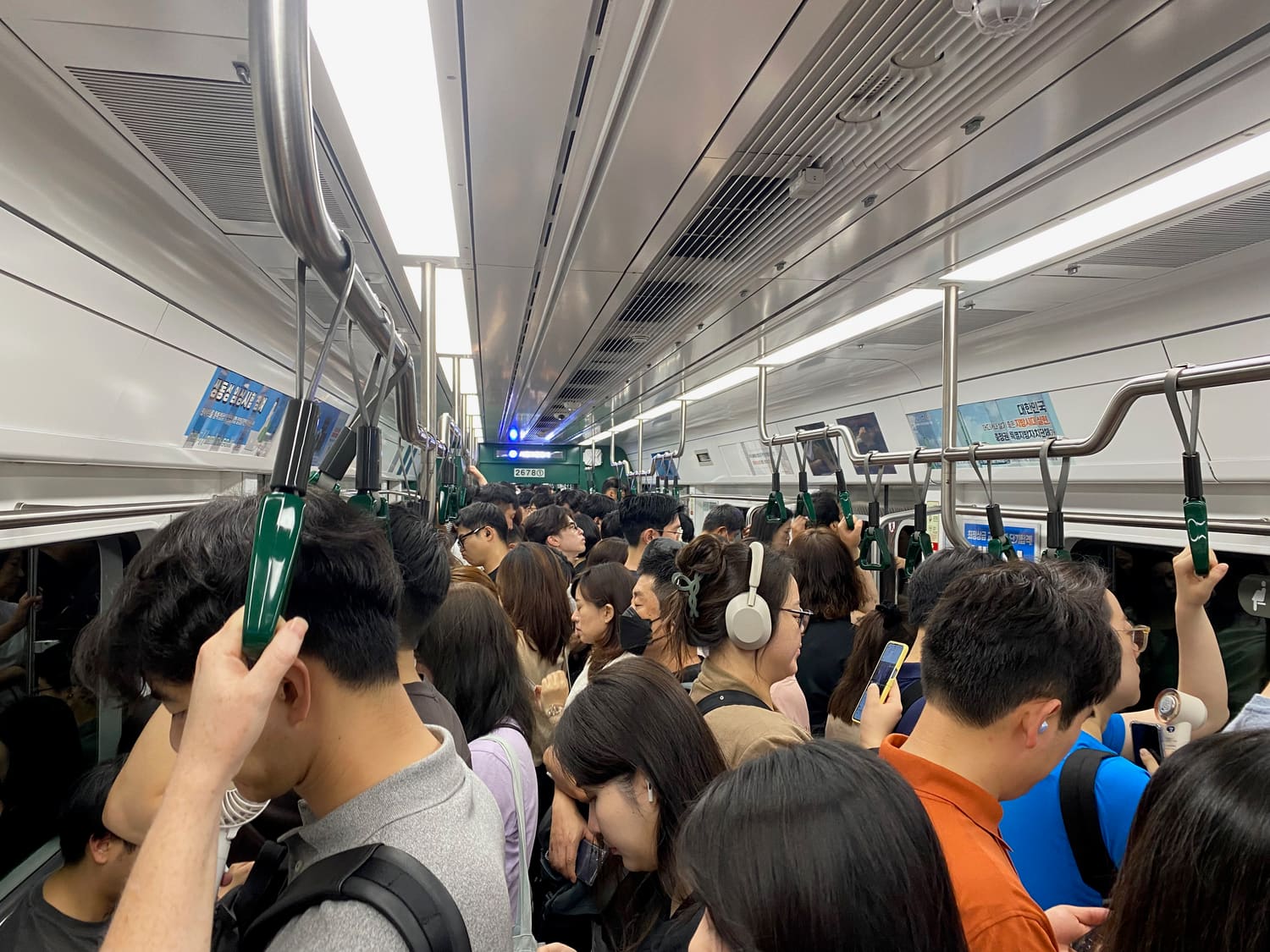
Why Koreans Seem Cold to Foreigners: The Gap Between How Korea Sees Itself and How You See It
Foreigners abroad rate Korea 82.3% favourable. Foreigners living in Korea rank Koreans 39th of 46 countries for friendliness, and 84% of Koreans say they would not trust a stranger. Where the gap comes from, and how to get to the other side of it.