
How to Avoid Conflict in Korea: Nunchi, Respect, and Boundaries
"How do I avoid fighting with Koreans?" is the wrong question if it turns Korea into a minefield. Most visitors will not be constantly one mistake away from disaster. Koreans argue, joke, forgive, explain, roll their eyes, and move on like people anywhere else. The better question is: how do I show respect in a culture where tone, timing, hierarchy, family language, and public embarrassment can matter more than I expect?
The answer is not memorizing a list of taboos. It is learning a few practical principles: use nunchi to read the room, start politely, avoid humiliating people in public, be careful with family insults, treat national history with respect, and make disagreement specific rather than personal. Those habits will help in restaurants, taxis, friendships, dating, work meetings, homestays, language exchanges, and travel accidents.
This guide turns the old "three essential tips" idea into a broader, more useful Korea communication map. It is written for travelers and international readers, not for people trying to win online arguments about Korean culture.

Lonely Planet Korean Phrasebook & Dictionary — on AmazonAffiliate link. As an Amazon Associate, EpicKor earns from qualifying purchases at no extra cost to you.
Quick Answer: What Is the Best Way to Avoid Conflict in Korea?
The best way to avoid conflict in Korea is to start politely, read the room, avoid public humiliation, be careful with family or national-history jokes, and separate disagreement from personal attack. If something goes wrong, stay calm, explain the practical issue, and give the other person a path to fix it without embarrassment.
This does not mean you must accept bad service, unsafe behavior, discrimination, or boundary violations. Respect is not silence. It means choosing a communication style that gives the problem the best chance of being solved. In Korea, that often means lowering the emotional temperature before you push for the result.
Three phrases help: "I'm sorry, but..." for softening, "Could you check once?" for a service issue, and "Maybe I misunderstood" when language or culture may be causing confusion. You do not need perfect Korean. A calm tone, patient body language, and willingness to clarify can carry a lot.
For the broader first-visit behavior layer, EpicKor's Korean etiquette guide explains shoes indoors, two-hand exchanges, quiet transit, dining rules, and nunchi as everyday travel habits.
| Conflict Trigger | Why It Can Escalate | Better Move | What Not to Do |
|---|---|---|---|
| Public correction | It can feel like face loss | Ask quietly or frame it as confusion | Perform the correction for an audience. |
| Family insults | Parents and ancestry can carry strong moral weight | Avoid "your mom" style jokes entirely | Copy insults from dramas or subtitles. |
| Honorific mistakes | Speech level signals distance and respect | Start formal and relax only when invited | Use banmal with strangers because it sounds friendly. |
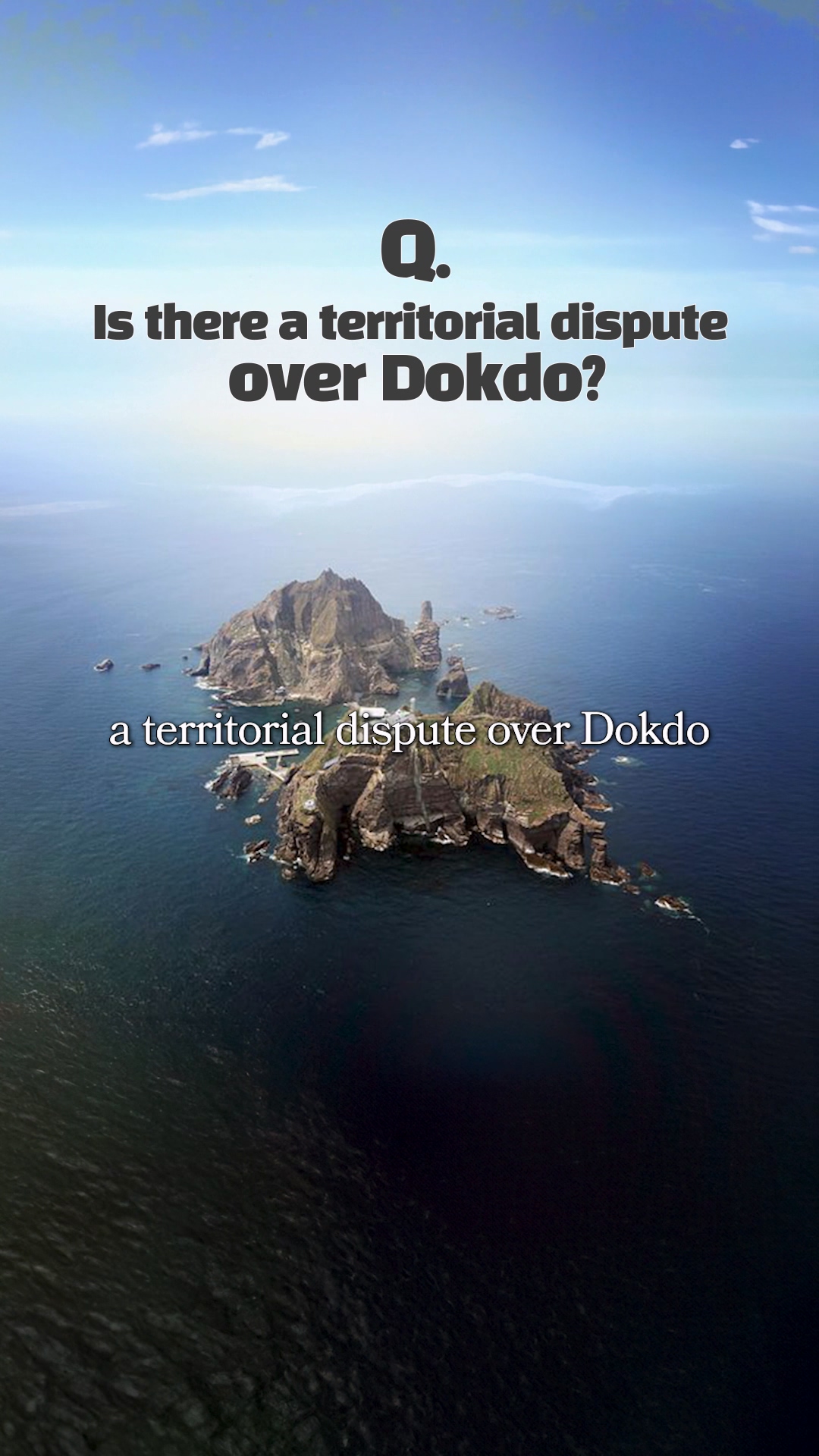
| National-history topics | Colonial history, Dokdo, war, and division are not abstract | Ask to understand, not to provoke | Treat painful topics like debate-club games. |
Nunchi: Read the Room Before You React
Nunchi is often translated as "reading the room," but it is more active than that. It means noticing social temperature: who is senior, who is uncomfortable, whether a joke landed, whether a staff member is overwhelmed, whether a friend wants advice or sympathy, whether a date is relaxed, and whether a disagreement should happen now or later.
For visitors, nunchi starts with slowing down. If a restaurant is packed and staff are running, do not wave aggressively or shout across the room. If a Korean friend gives a short answer in a group, do not force a private topic in front of everyone. If a taxi or hotel issue happens, explain the practical problem rather than announcing that the whole system is ridiculous.
Nunchi does not mean mind-reading. You can ask direct questions. The trick is to ask them in a way that leaves room for the other person to answer without shame. "Is this okay here?" works better than "Why is this so confusing?" "Could you help me check?" works better than "You made a mistake."
Conversation safety net: As an Amazon Associate, EpicKor may earn from qualifying purchases. If you want a few polite phrases before a trip, compare Korean phrasebooks so basic requests do not come out harsher than intended.
See Korean phrasebooks on AmazonHonorifics, Banmal, and Why "Friendly" Can Sound Rude
Korean speech levels make politeness visible. A beginner does not need to master every ending, but the direction matters: start politely. Use formal or polite speech with strangers, older people, staff, drivers, teachers, and anyone in a service or official role. Move toward casual speech only when the relationship clearly allows it.
This matters because casual speech, or banmal, is not just "friendly Korean." Used too early, it can sound dismissive. Some Koreans may forgive a foreigner's mistake quickly, especially if you are clearly learning. But if the tone is also loud, impatient, or joking in the wrong direction, the language mistake can become part of a larger disrespect signal.
Names and titles matter too. Do not call someone oppa, noona, unnie, or hyung just because you heard it in a drama. These words depend on gender, age, relationship, and comfort. When in doubt, use the person's name plus a polite title or ask how they prefer to be addressed.
For social/dating context, see EpicKor's Korean flirting mistakes guide and Suzy first-love image guide. They show why warmth and respect are stronger than forced intimacy.
Public Conflict: Do Not Make Someone Lose Face
Public embarrassment can escalate conflict quickly. This does not mean Koreans never argue in public; they do. It means a visitor usually gets better results by lowering the stage. If there is a billing issue, delivery mistake, reservation problem, or misunderstanding, ask quietly and specifically. Point to the receipt, map, menu, or booking screen. Avoid sarcasm.
If you are angry, pause before translating. Translation apps can turn a reasonable complaint into a blunt command. Simple English plus gestures may be better than a machine-translated paragraph that sounds like a legal threat. If you need stronger help, ask a hotel desk, tourist helpline, police officer, or trusted Korean speaker.
Face-saving is not about pretending the issue is fine. It is about allowing the other person to fix it without being publicly cornered. "Could we check this together?" is magic because it makes the problem shared instead of accusing one person.
Family, Parents, and Joke Boundaries
Family language can carry heavy emotional weight in Korea. Parent insults, ancestry jokes, and "your mom" style banter are risky, especially with people you do not know extremely well. Even when younger Koreans joke casually with close friends, foreigners should not copy the most aggressive language from subtitles, rap lyrics, variety shows, or online comments.
Filial piety is not identical in every Korean family, and modern Korea is full of debate about family pressure, marriage, caregiving, and generational change. But respect for parents remains a powerful social reference point. Insulting someone's mother or father is rarely read as clever banter. It often sounds like a direct attack on the person.
The safe rule is simple: do not use family as a punchline unless a Korean friend explicitly creates that joking space and you understand the relationship. Even then, tread lightly.
Sensitive National Topics: Ask, Don't Provoke
Some topics require extra care: Japanese colonial history, Dokdo, the Korean War, North Korea, military service, comfort women history, democratic movements, regional stereotypes, and disasters. These topics are not forbidden, but they are not casual debate toys. Many Korean families have personal or inherited memories connected to history.
Dokdo is a good example. The South Korean government clearly presents Dokdo as Korean territory, and many Koreans see the issue through the lens of sovereignty and colonial history. A visitor does not need to pretend expertise. But treating it as a fun argument or telling Koreans they are "too emotional" will not create a good conversation.
If you are curious, ask historically grounded questions: "How is this taught in school?" "Why does this topic feel important?" "What source should I read?" That approach shows you are trying to understand rather than score points.
| Topic | Safer Entry Question | Risky Framing | Why |
|---|---|---|---|
| Dokdo | "Why is Dokdo so important in Korea?" | "Isn't it just a disputed island?" | The issue is tied to sovereignty and colonial memory. |
| North Korea | "How do people here usually react to these headlines?" | "Aren't you scared all the time?" | It flattens decades of lived experience. |
| Military service | "How does service affect work or family life?" | "Isn't it just wasted time?" | People's experiences vary widely. |
| Japan-Korea history | "What background should I read first?" | "Both sides should just get over it" | It dismisses unresolved historical pain. |
Road, Restaurant, and Travel Friction
Travel conflict often comes from small stress: wrong directions, taxi pickup confusion, restaurant waits, luggage, rain, crowded subways, or language mistakes. The solution is usually boring: prepare better and speak more calmly.
On the road, do not assume honking works like it does in every country. Use horns for safety, not irritation. In taxis, confirm the destination with the Korean address visible. In restaurants, wait to be seated if the place seems to control seating. At markets, step aside before translating or filming. On the subway, move into the car, keep bags controlled, and avoid blocking doors.
If something goes wrong, try not to make the first sentence a moral accusation. "This is the wrong station" works better than "You don't know how to drive." "I ordered this one" works better than "You gave me the wrong food." The point is not to be weak. It is to make the fix easier.

Related EpicKor Guides
- Avoid These Common Mistakes When Flirting With Koreans - for dating, consent, and communication nuance.
- Welcome, First Time in Korea - for emergency numbers, arrival setup, and basic etiquette.
- Korean War Armistice and Daily Life - for sensitive security and history conversations.
- Korean Proverbs With Life Lessons - for understanding how everyday language carries social values.
Deeper culture context: If etiquette guides feel too shallow, compare books on Korean culture and modern society so you can understand the background behind the manners.
FAQ
Q: Do Koreans get offended easily? A: No more than people anywhere else. Conflict usually escalates when tone, public embarrassment, hierarchy, or sensitive topics are handled badly. Many Koreans are patient with honest visitors.
Q: What is nunchi? A: Nunchi is social awareness: reading the room, timing, mood, hierarchy, and unspoken discomfort. It helps you know when to speak directly and when to soften.
Q: Is banmal rude? A: Banmal, or casual speech, can be warm between close people. With strangers, older people, staff, or professional contacts, it can sound rude if used too early.
Q: Are family jokes really that risky? A: Yes, especially parent insults or "your mom" style jokes. Family respect still carries strong emotional weight, and copied insults can sound much harsher than intended.
Q: Can I disagree with Koreans about politics or history? A: Yes, but ask carefully, listen first, and avoid treating painful topics as casual debate games. Make disagreement specific and respectful.
Q: What should I do if I accidentally offend someone? A: Apologize simply, explain that you misunderstood, and avoid defending the mistake for too long. A calm correction often matters more than a perfect cultural explanation.
Sources and Further Reading
- Republic of Korea Ministry of Foreign Affairs: Dokdo
- VISITKOREA: safety services for international visitors
- 1330 Korea Travel Helpline
- Korean Culture and Information Service: Korean culture context
Video Insight: How to Avoid Fights
You Might Also Like
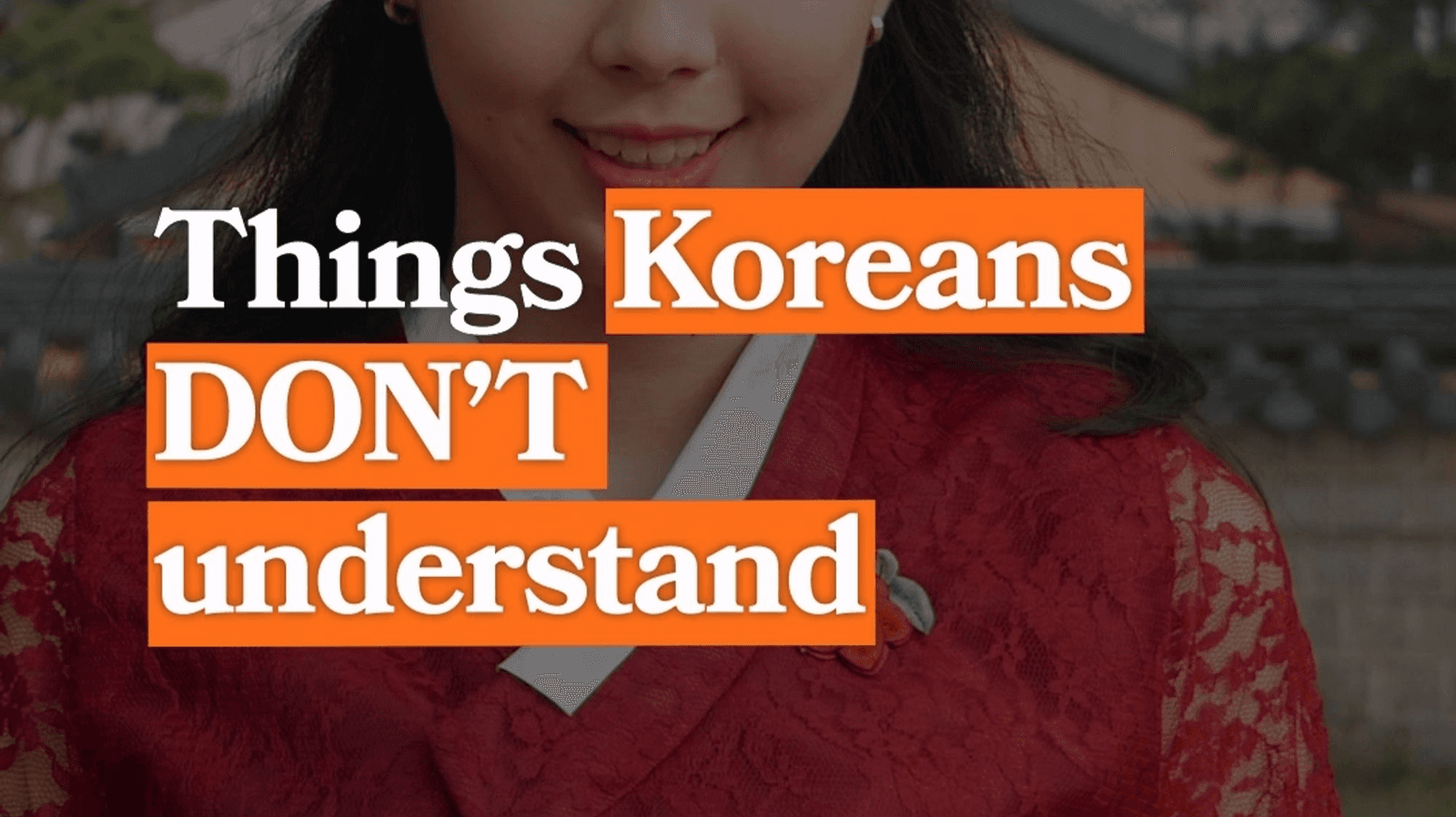
Korean Etiquette Guide: Habits Locals Notice Most
A practical Korean etiquette guide explaining shoes indoors, quiet public behavior, two-hand manners, indirect refusals, dining rules, and nunchi.
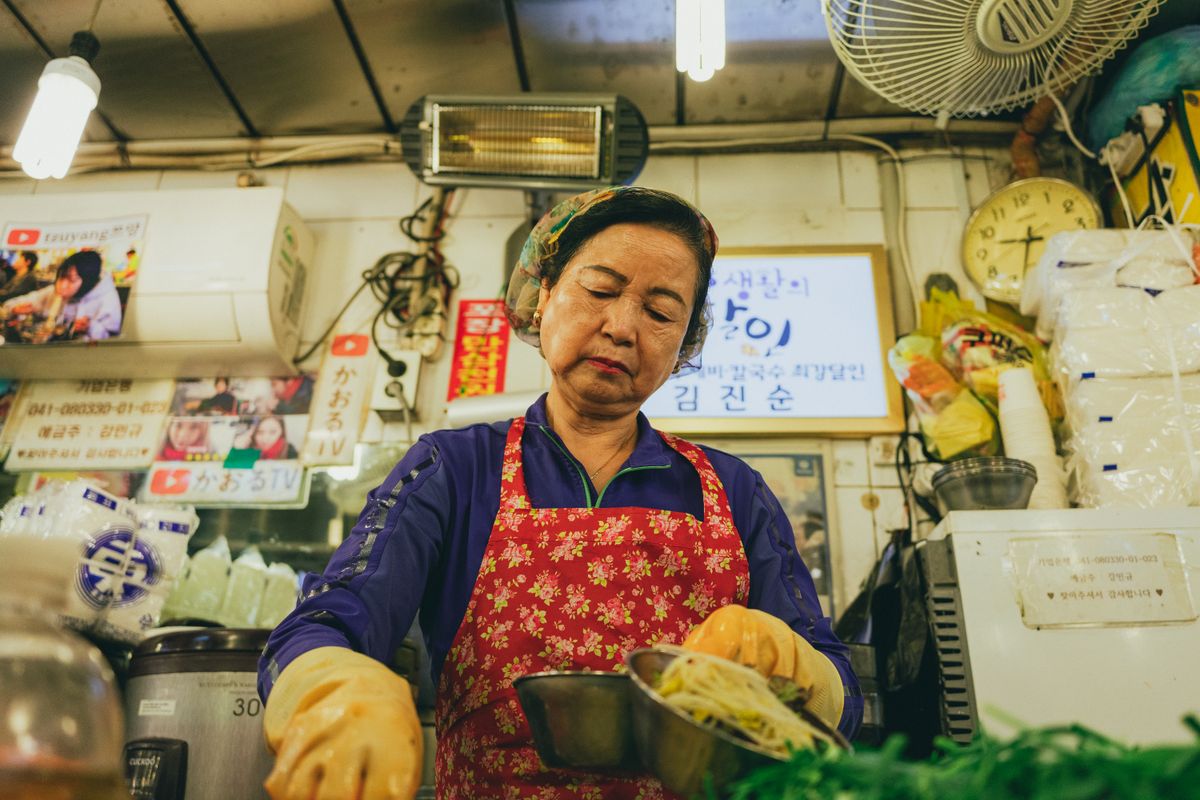
Ajumma Meaning: Is This Korean Word Rude? Ahjumma and Imo Explained
Learn what ajumma means in Korean, why it can sound rude, how it differs from ajumeoni and imo, and what travelers should say instead.
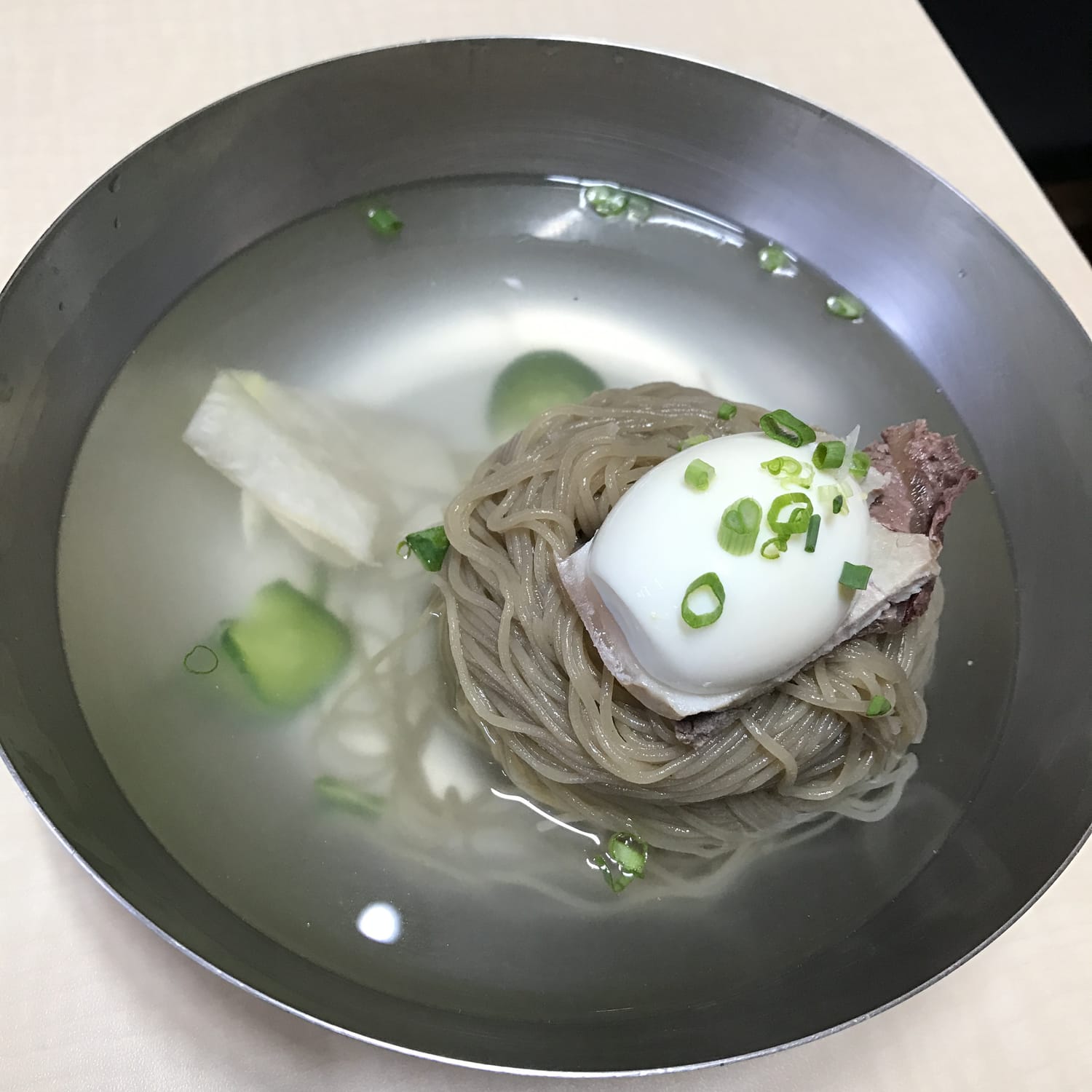
The One Korean Food Foreigners Never Learn to Love: Hamheung Naengmyeon, and Why Koreans Can't See the Problem
Foreigners who eat cheonggukjang and even hongeo still will not pay for this twice. A Korean creator who fed foreigners for years says naengmyeon was the overwhelming number one refusal, and Koreans, who rank it first every summer, cannot see why.