
San-nakji Guide: Korean Live Octopus, Safety, and Etiquette
San-nakji, often translated as Korean live octopus, is one of the most misunderstood Korean foods. It is famous because the pieces still move on the plate, but the better way to understand it is not as a dare. It is a freshness, texture, and seafood-market experience with real safety cautions. If you try it only as a "challenge," you will miss the point and may also eat it carelessly.
This guide explains what san-nakji is, how it is served, why it moves, who should skip it, how to reduce choking risk, where it fits into Korean food culture, and what to order instead if the dish is not for you. For broader food context, continue with EpicKor's Seoul markets guide, Korean banchan guide, Korean breakfast guide, and first-time Korea travel prep.

The Short Answer
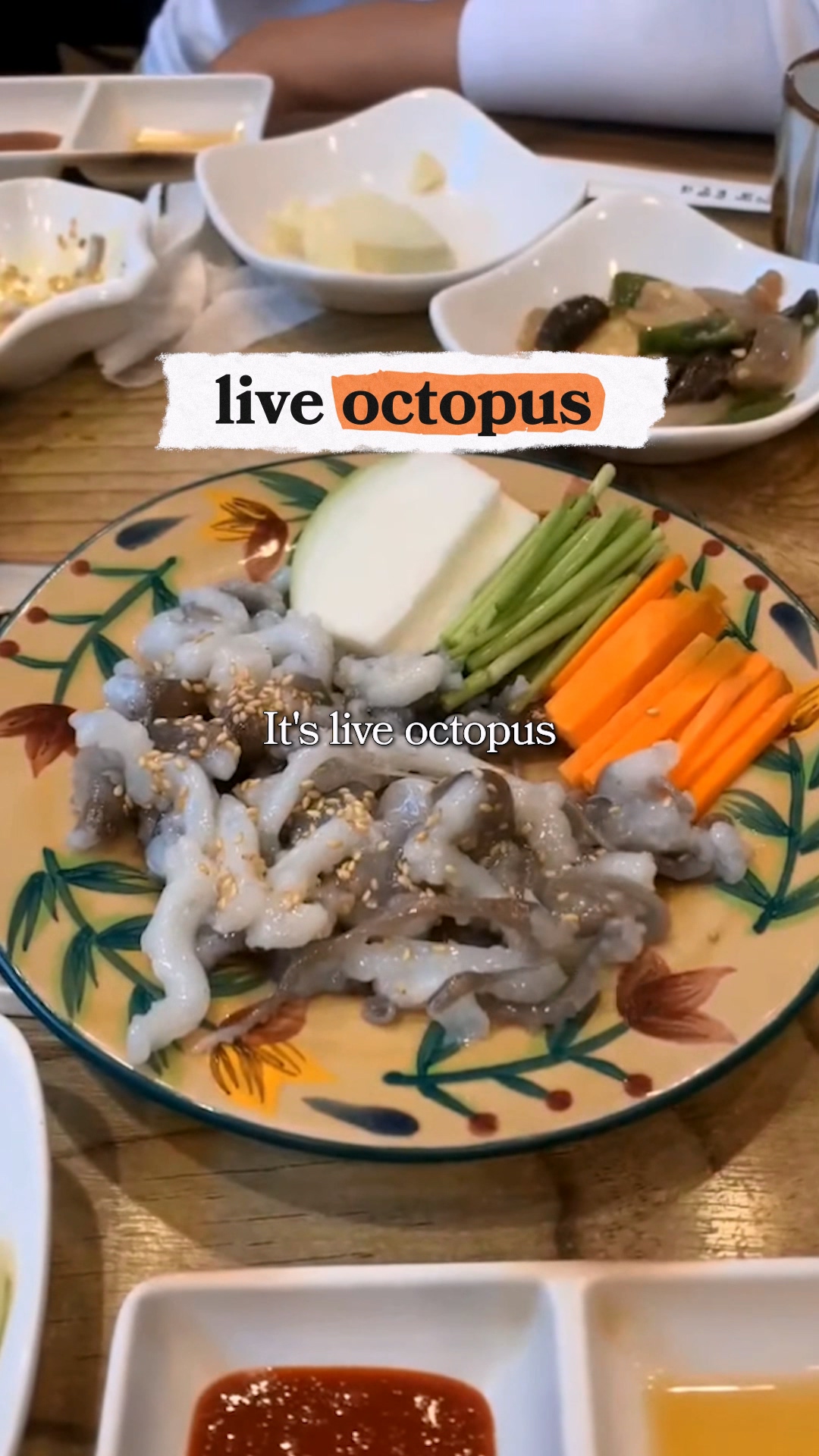
San-nakji is usually small octopus cut into pieces and served immediately with sesame oil, salt, and often sesame seeds. The pieces can keep moving because octopus arms have distributed nerve activity and muscle response after cutting. VISITKOREA describes the dish as cut and served so the pieces wriggle as if alive, then dipped in sesame oil mixed with salt and sesame.
The most important travel note is safety: chew thoroughly, eat small pieces, stay seated, do not eat it while drunk, and skip it if you have swallowing problems, dental issues, panic around moving food, or a high choking risk. This is not a dish to rush.
| Question | Practical answer | Why it matters |
|---|---|---|
| Is it actually alive? | Usually cut pieces that still move | The movement is the famous texture signal. |
| How do Koreans eat it? | Small bites with sesame oil and salt | Oil, salt, and chewing shape the experience. |
| Is it safe? | Only if eaten carefully | Suction and poor chewing can raise choking risk. |
| Should every traveler try it? | No | Curiosity is optional; safety is not. |
| Best alternative? | Cooked octopus, seafood pancake, grilled seafood | You can enjoy Korean seafood without the risk. |
Korean culture and history books — compare on AmazonAffiliate link. As an Amazon Associate, EpicKor earns from qualifying purchases at no extra cost to you.
What San-nakji Actually Is
San-nakji literally points to fresh or live-style small octopus. In restaurants, the version tourists usually encounter is not a whole octopus crawling around a plate. It is cut into bite-size pieces close to serving time. The arms move because octopus tissue can react after separation, not because the dish should be treated like a conscious animal fighting the diner.
This distinction matters because foreign media often makes san-nakji look like a shock stunt. Korean diners may see it more as a seasonal seafood and texture experience. The movement signals freshness and creates a distinct mouthfeel. The sesame oil and salt make the flavor nutty, clean, and oceanic rather than heavily sauced.
That said, the movement is not just visual. The suction cups can attach to the mouth if pieces are not chewed well. That is why eating san-nakji safely is not optional etiquette; it is part of the dish.
Why It Moves
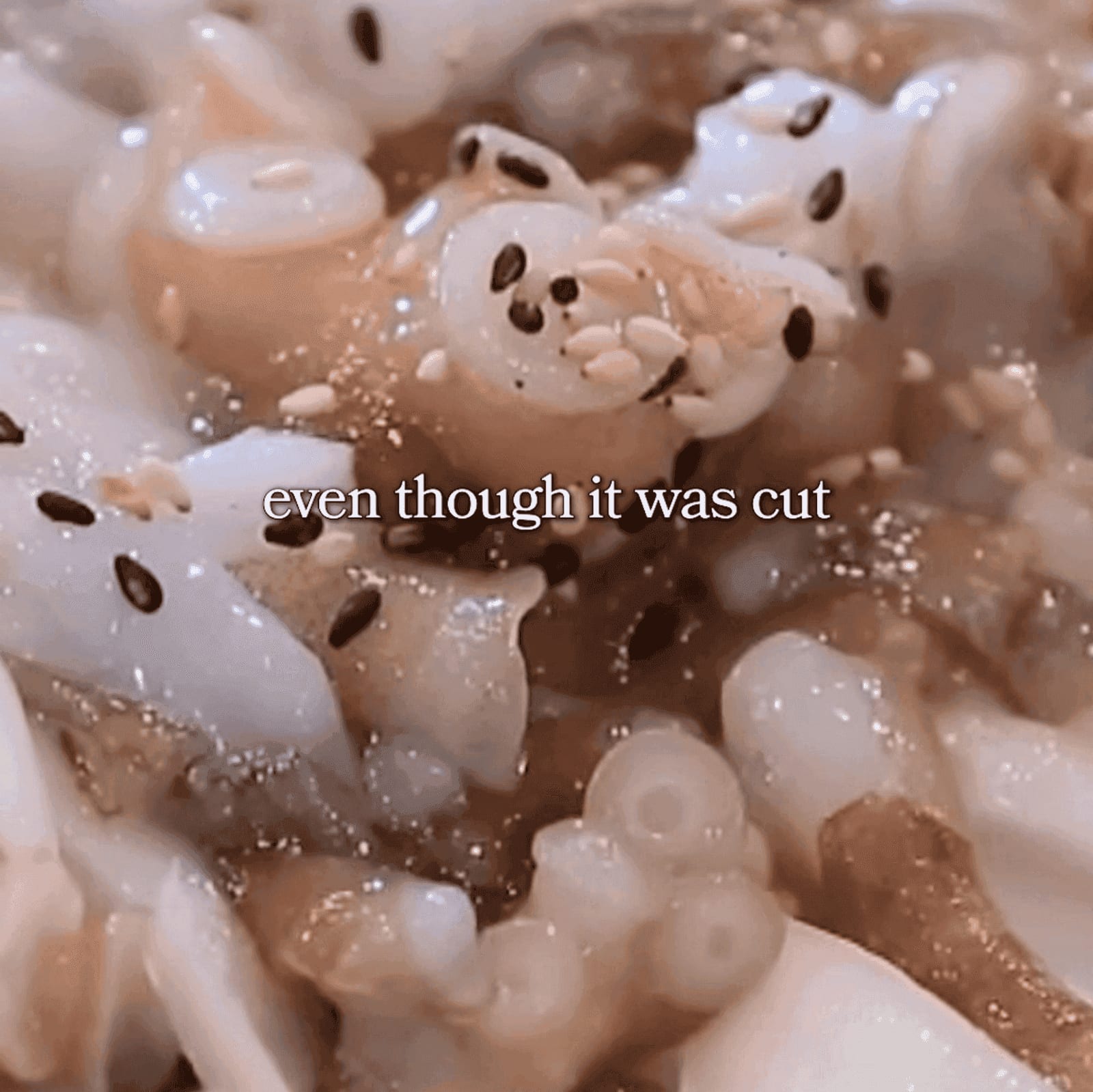
Octopus arms contain a large amount of nervous-system activity outside the central brain. Even after cutting, the muscles and suckers can respond to touch, salt, and handling for a short time. That is the source of the famous wriggle.
The movement can be fascinating, but do not let the visual drama make you careless. Treat each piece as food that requires deliberate chewing. The texture is chewy, slippery, and active enough that rushing is a bad idea.
Safety Comes First
San-nakji carries a choking risk if eaten too quickly, in large pieces, or while distracted. General first-aid sources such as Mayo Clinic and the NHS describe choking as an airway blockage that can become life-threatening; Mayo Clinic notes that in adults, food is often the cause. San-nakji deserves extra caution because pieces can be slippery and the suction cups can cling.
Practical rules are simple:
- Eat small pieces.
- Chew until the suction and firmness are fully broken down.
- Stay seated and focused.
- Do not laugh, talk loudly, or film while chewing.
- Do not eat it while drunk.
- Ask staff to cut pieces smaller if needed.
- Skip it if you have swallowing difficulty or anxiety around the texture.
This is not fearmongering. It is the difference between trying a distinctive Korean seafood dish and turning dinner into an emergency.
Who Should Skip San-nakji
Skip san-nakji if you have dysphagia, frequent choking, dental problems, limited chewing ability, severe seafood anxiety, or a shellfish/seafood allergy concern. Also skip it if you are traveling alone and feel nervous. A restaurant challenge is not worth health risk.
Children should not be treated as novelty participants. If a child cannot chew carefully and follow instructions, choose cooked seafood. The same applies to anyone who is intoxicated, exhausted, or trying to film a reaction rather than focus on eating.
If you are unsure, order a cooked octopus dish first. Korean seafood restaurants have many options: stir-fried octopus, seafood pancake, grilled shellfish, fish stew, raw fish, or cooked seafood platters depending on the restaurant.
Food culture context: As an Amazon Associate, EpicKor may earn from qualifying purchases. If san-nakji made you curious about Korean dining beyond viral clips, compare Korean culture and history books before reducing Korean food to challenge videos.
Where to Try It
Seafood markets and restaurants are the natural places to try san-nakji. In Seoul, travelers often think of Noryangjin Fish Market or seafood restaurants near market districts. In coastal cities such as Busan, Mokpo, Yeosu, or Incheon-area seafood districts, you may find stronger seafood context. Availability depends on season, restaurant, and freshness.
Choose a restaurant that looks busy, clean, and comfortable explaining the dish. If staff seem annoyed by safety questions or rush you, order something else. A good seafood meal should not feel like a dare run by strangers.
Ask how it will be served. Some places offer very fresh cut pieces with sesame oil. Others may combine octopus with other raw seafood. If you want smaller pieces, ask before the plate arrives.
How to Order and Eat Politely
You can say san-nakji hana juseyo for one order, but in practice it is easier to point at the menu or ask staff. If you are not confident, use a translation app and write: "Can you cut it small? We are trying it for the first time."
Eat slowly. Pick up one small piece. Dip lightly in sesame oil and salt if served separately. Put it in your mouth and chew thoroughly before swallowing. Do not try to swallow quickly because you want the "full experience." The experience is the texture, not the risk.
If you are filming, film the plate before eating and put the phone down while chewing. No clip is worth choking on seafood.
Taste and Texture
The flavor is mild compared with the reputation. Many visitors expect a dramatic taste, but the dish is more about texture: chewy, slippery, briny, and nutty from sesame oil. The suction creates the unforgettable part.
If you already like squid, octopus, raw fish, or chewy seafood, san-nakji may feel less shocking than expected. If you dislike chewy textures, it may be unpleasant even if the flavor is not strong.
Korean food has many texture categories that do not translate neatly into English: chewy rice cakes, crunchy kimchi, bouncy noodles, tender tofu, crisp fried chicken, and slippery acorn jelly. San-nakji sits at the extreme end of that texture map.
Cultural Context Without the Hype
San-nakji is often framed abroad as proof that Korean food is extreme. That is too narrow. Korea has royal cuisine, temple food, home stews, convenience-store meals, street toast, delicate banchan, quiet soups, and modern cafe desserts. San-nakji is one branch of seafood culture, not the definition of Korean dining.
The better cultural reading is freshness. Korean diners often value food that is close to the source: live fish tanks, seafood markets, grilled shellfish, raw fish sliced to order, and seasonal catches. San-nakji pushes that freshness value into a very visible form.
It can also be social. People order it in groups, react together, and compare who likes the texture. But a respectful group does not pressure someone who says no.
Alternatives If You Are Curious but Cautious
| If san-nakji feels too much | Order instead | Why it works |
|---|---|---|
| You want octopus flavor | Stir-fried octopus, nakji-bokkeum | Cooked, spicy, and easier to chew. |
| You want seafood market energy | Grilled shellfish or seafood platter | Fresh and social without moving pieces. |
| You want Korean drinking food | Seafood pancake | Shareable and beginner-friendly. |
| You want raw seafood | Sliced raw fish from a trusted restaurant | Less suction risk than san-nakji. |
| You want food adventure | Market snacks or banchan tasting | Still Korean, less risky. |
What Not to Do
Do not swallow large pieces. Do not drink heavily before trying it. Do not make someone else try it for content. Do not treat staff like performers in a fear video. Do not assume the dish is safe just because it is famous. And do not feel that skipping it means you failed at Korea.
If you try it and dislike it, that is fine. Many Koreans also have strong personal preferences about seafood texture. Korean food is large enough to include both san-nakji fans and people who would rather order hot soup.
Try Korean food more safely at home: For a lower-risk Korean food starting point, compare Korean food starter packs focused on sauces, gim, noodles, and pantry basics instead of attempting risky fresh seafood outside proper restaurants.
Sources and Further Reading
- VISITKOREA: Live Octopus / San-nakji.
- Mayo Clinic: choking first aid.
- NHS: first aid for choking.
- NHS: swallowing problems / dysphagia.
FAQ
Q: Is san-nakji actually alive when served?
In the common restaurant version, the octopus is cut into pieces close to serving time. The pieces may still move because of muscle and nerve response.
Q: Is san-nakji dangerous?
It can be risky if eaten carelessly because the pieces are chewy, slippery, and can cling. Eat small pieces, chew thoroughly, and skip it if you have swallowing concerns.
Q: What does san-nakji taste like?
The flavor is mild, briny, and nutty with sesame oil. The memorable part is texture: chewy, slippery, and active.
Q: Where should tourists try san-nakji?
Choose a reputable seafood restaurant or market restaurant that looks clean, busy, and willing to answer questions. Do not try it in a rushed or intoxicated setting.
Q: What should I order if I am nervous?
Try cooked octopus, seafood pancake, grilled shellfish, or sliced raw fish from a trusted restaurant instead.
Q: Can children eat san-nakji?
It is not a good novelty food for children who cannot chew carefully and follow instructions. Choose cooked seafood or other Korean dishes instead.
Video Insight: The Octopus Challenge
You Might Also Like
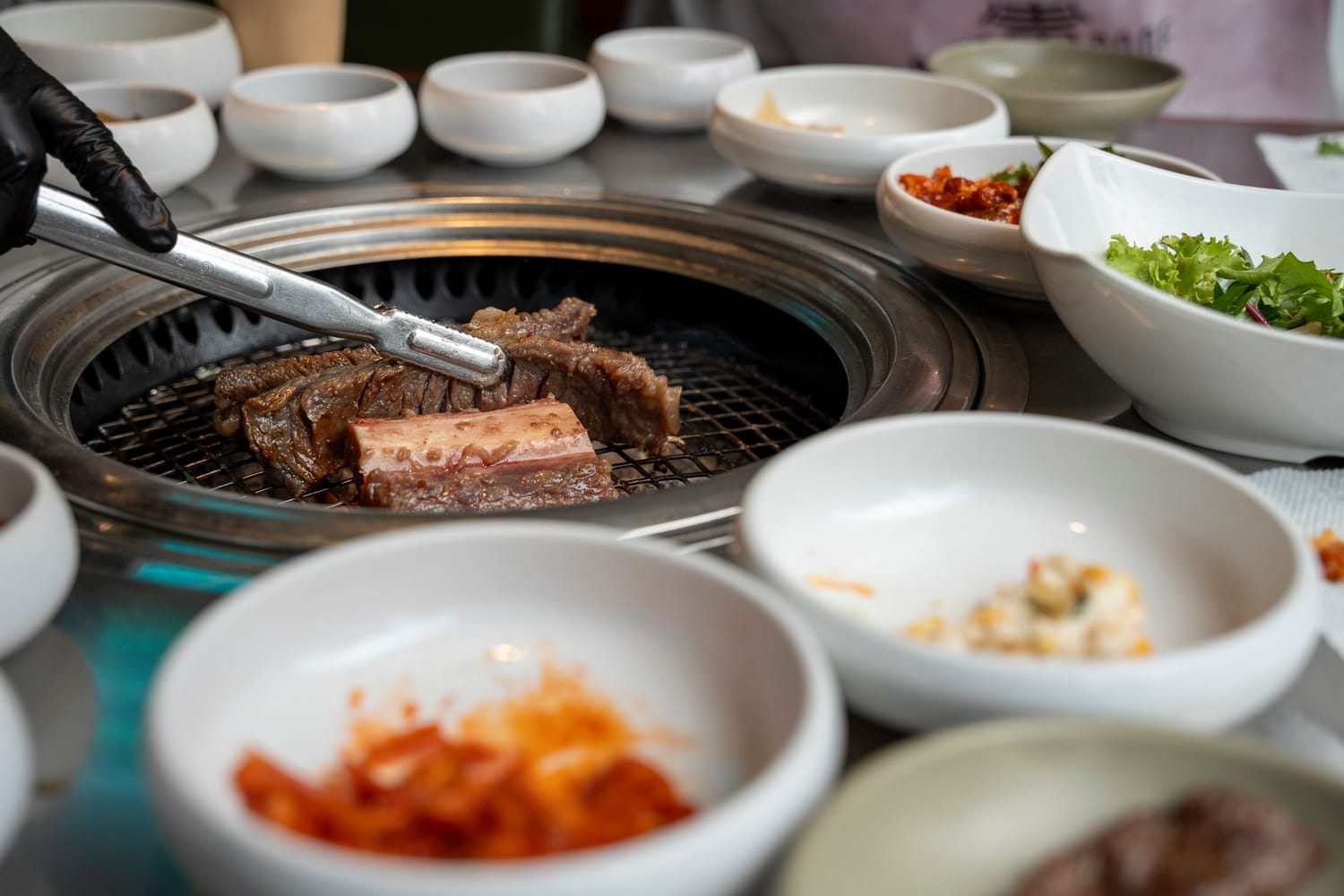
Korean Kitchen Scissors: Why Koreans Cut Meat and Noodles at the Table, and Why It Is Not an Office Scissor
Scissors on a restaurant table look wrong to most of the world and normal to every Korean. The tool is not a desk scissor: thick blades, one serrated edge, big rings, often detachable, built for galbi and cold noodles. Where it came from, and which one to buy.
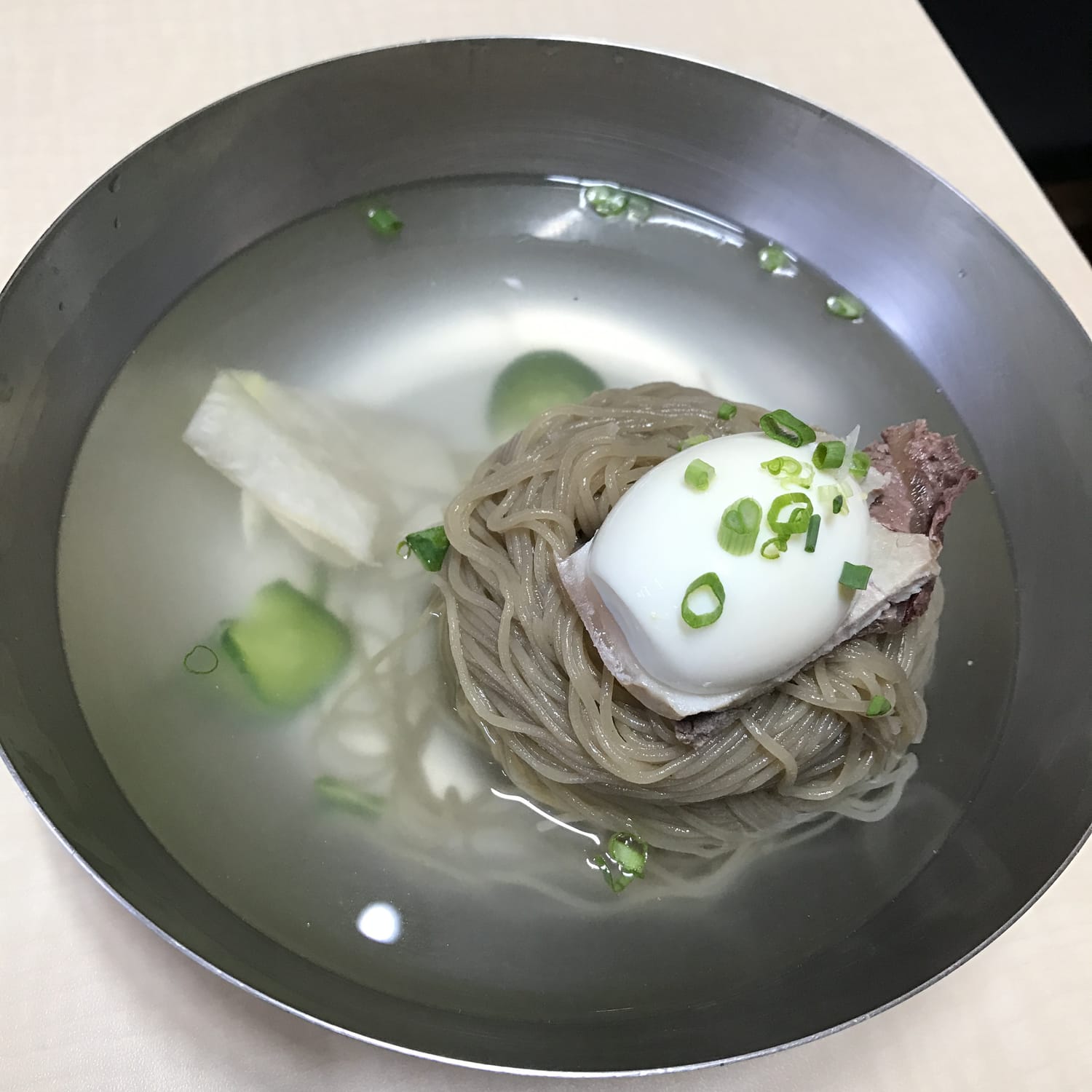
The One Korean Food Foreigners Never Learn to Love: Hamheung Naengmyeon, and Why Koreans Can't See the Problem
Foreigners who eat cheonggukjang and even hongeo still will not pay for this twice. A Korean creator who fed foreigners for years says naengmyeon was the overwhelming number one refusal, and Koreans, who rank it first every summer, cannot see why.
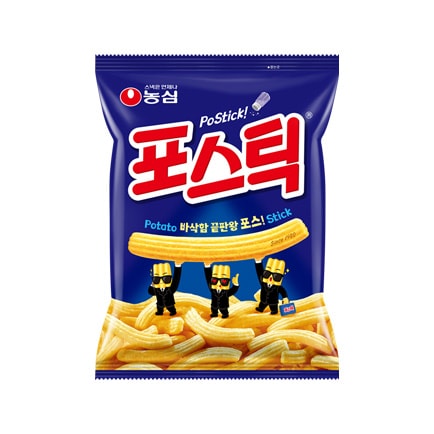
Postick: The Korean Snack That Used to Come With a Ketchup Packet
Postick (포스틱) has been on Korean shelves since 1980, it is only 23% potato, and it shipped with a ketchup sachet until the sachet got too expensive. What it costs now, and the ramyun-powder trick Koreans use on it.