Dating in Korea: Sseom, Etiquette, and First-Date Tips
Dating in Korea is not governed by a secret set of rules. The useful basics are familiar anywhere: show genuine interest, make a specific plan, communicate instead of playing games, and respect a clear no. Korean terms such as sseom describe the uncertain stage before two people officially become a couple, but they do not make every Korean date behave the same way.
For a first date, suggest a public place, confirm the time, arrive punctually, and add another activity only if both people want to continue. Do not copy possessive K-drama dialogue or treat nationality as a personality type.
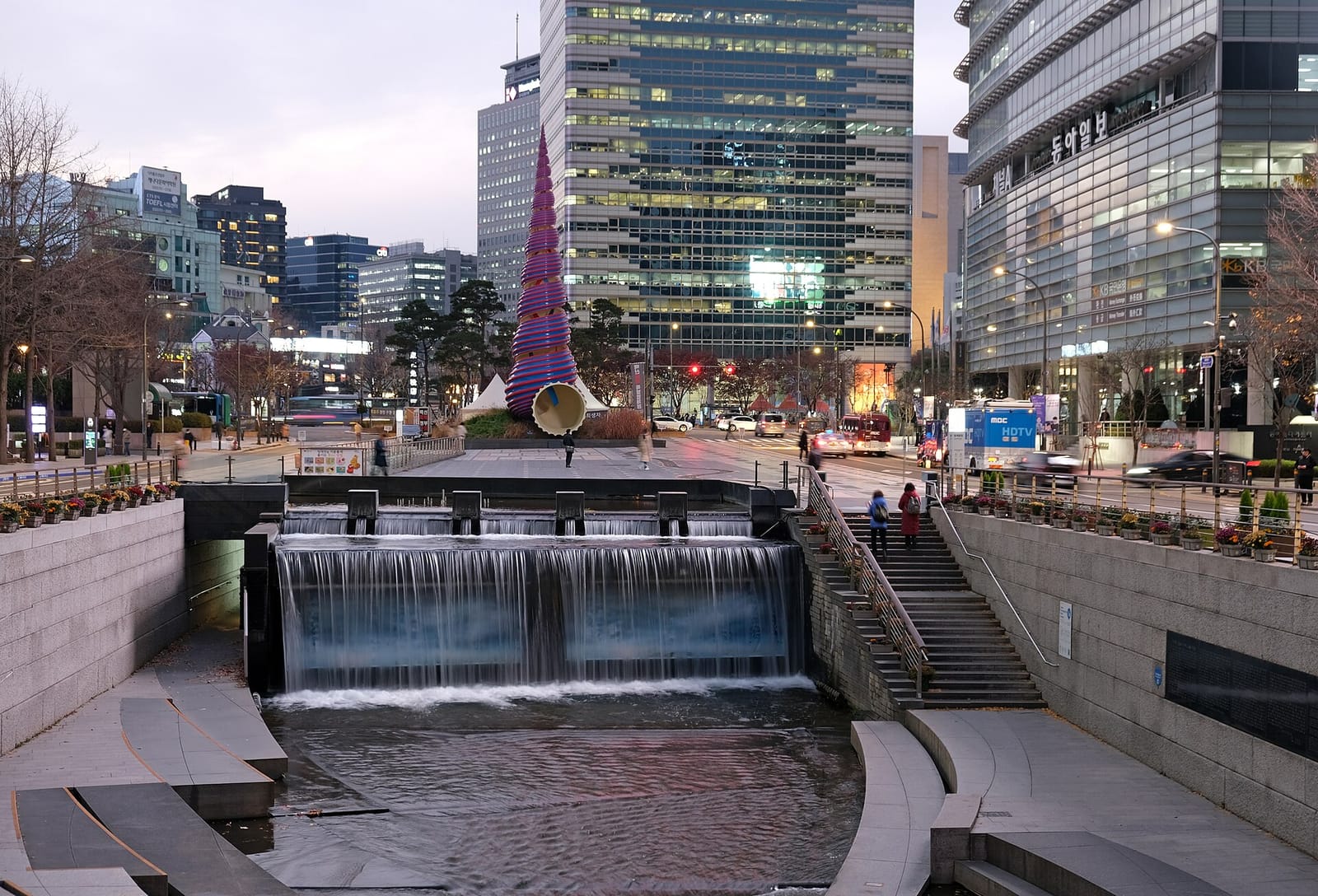
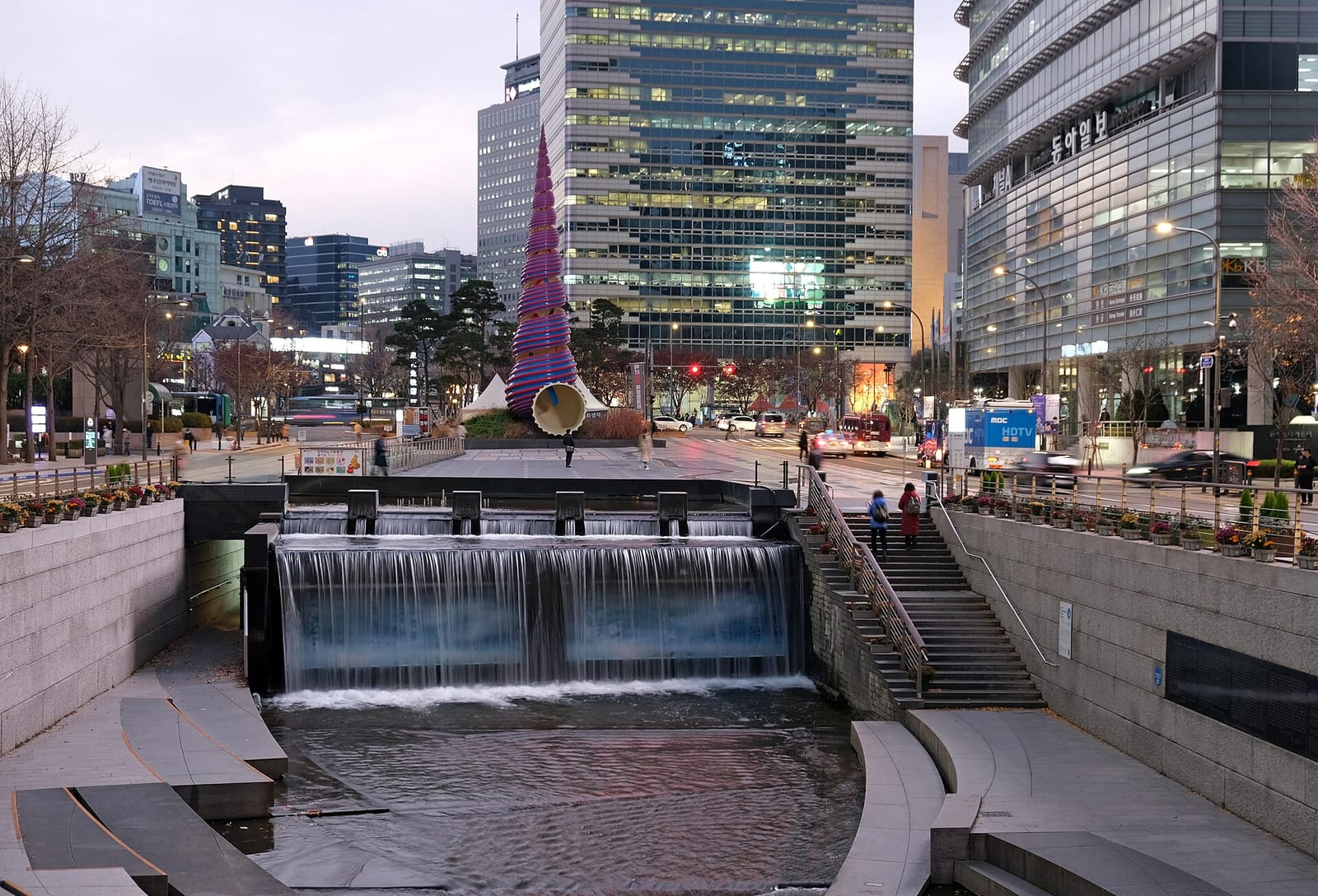
A walk beside Cheonggyecheon is an easy optional second stop after coffee or dinner; it is a setting, not a formula for romance.
Dating in Korea: The Quick Answer
Most confusion comes from trying to turn tendencies into laws. Some people define the relationship early; others take their time. Some couples message throughout the day; others do not. Younger daters may use apps, introductions through friends, school or work networks, hobby groups, or social media. Individual preference matters more than a viral list of “Korean dating rules.”
Use this practical sequence:
- Ask clearly enough that the invitation sounds like a date, not a vague group plan.
- Offer a time and neighborhood rather than saying “sometime.”
- Choose a public venue with an easy subway route.
- Ask about food restrictions and budget before booking something expensive.
- Discuss communication and exclusivity rather than guessing from message speed.
- Treat consent as ongoing; enthusiasm about one step does not imply consent to the next.
The original version of this article joked that imitating actor Lee Min-ho would guarantee failure. The better lesson is broader: drama dialogue is written to create tension and spectacle. Real attraction depends on whether the other person feels heard and comfortable.
What Sseom Means Before a Relationship
Sseom (썸) is a popular Korean word for a mutual, not-yet-defined romantic connection. It comes from “something,” as in “there is something between us.” Two people may go on one-to-one outings, message regularly, and show interest without yet calling each other boyfriend, girlfriend, or partner.
The word is useful because it names ambiguity; it does not solve it. One person may think sseom implies growing exclusivity while the other thinks they are still casually meeting people. If the distinction matters to you, ask. A calm question such as “Are we getting to know each other exclusively, or are we both still dating?” is kinder than constructing a test around KakaoTalk read receipts.
Another Korean phrase, gobaek (고백), means a confession or direct declaration of feelings. Online content sometimes presents gobaek as a mandatory ceremony that instantly creates a relationship. In practice, people define relationships in many ways. A sincere conversation matters; a scripted milestone does not.
| Term or idea | Useful meaning | What not to assume |
|---|---|---|
| Sseom (썸) | A mutual but undefined romantic stage | That exclusivity is automatic |
| Gobaek (고백) | Expressing romantic feelings directly | That one dramatic speech guarantees a relationship |
| Nunchi (눈치) | Reading a situation and other people's reactions | That a partner should read your mind |
| Aegyo (애교) | Cute or affectionate expression in some relationships | That everyone enjoys performing or receiving it |
| Couple items | Matching rings, clothes, or phone accessories | That they are required or prove commitment |
Lonely Planet Korean Phrasebook & Dictionary — on AmazonAffiliate link. As an Amazon Associate, EpicKor earns from qualifying purchases at no extra cost to you.
How to Ask Someone Out Without Sounding Vague
The best invitation gives the other person enough information to decide comfortably. “Would you like to get coffee with me in Seongsu on Saturday afternoon?” works better than repeated hints. If you met through a language exchange or professional setting, make your romantic interest especially clear so the other person is not surprised.
An answer such as “I am busy” without an alternative may be a soft refusal. Do not force the person to produce a courtroom-grade rejection. You can answer, “No problem—let me know if you want to meet another time,” and leave the next step with them. Repeated invitations after avoidance are not romantic persistence.
If English is not your date's preferred language, use short, literal sentences. Humor, sarcasm, and translated flirting can miss their target. EpicKor's guide to learning Korean realistically explains why memorized lines are less useful than basic listening and repair phrases.
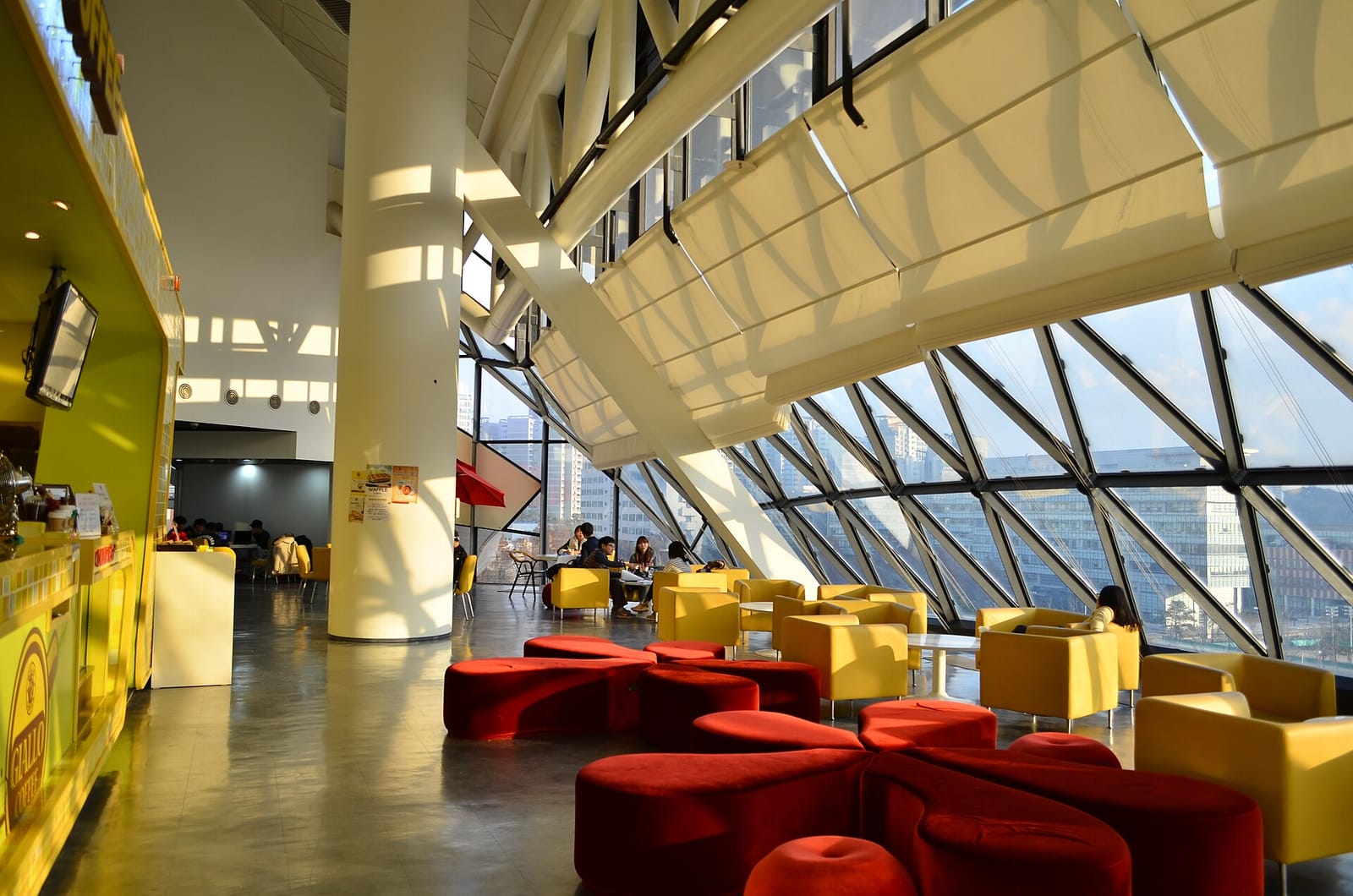
A casual cafe keeps a first meeting public, affordable, and easy to extend or end without pressure.
Plan a First Date That Is Easy to Exit or Extend
Coffee, a casual meal, an exhibition, or a walk in a busy area usually works better than an elaborate surprise. Choose one anchor activity and one optional follow-up. In Seoul, that might mean coffee in Jongno followed by Cheonggyecheon, or an exhibition near a subway station followed by dinner if the conversation is going well.
Share the exact meeting point. Large stations can have more than a dozen exits, and “meet at Gangnam Station” is not a complete plan. Send the exit number, venue name in Korean, and a map pin. Build in travel time because transfers and long station corridors can make an apparently short route take longer.
Ask before ordering shared food, alcohol, or a second round. Korea's dining culture includes many dishes placed in the middle, but a shared table does not eliminate allergies, religious restrictions, vegetarian needs, or personal preferences. If alcohol is involved, a refusal does not require a reason.
Learn phrases that reduce friction: As an Amazon Associate, EpicKor may earn from qualifying purchases. A compact Korean phrasebook can help with menus, meeting points, and polite clarification; use it to communicate, not to perform canned pickup lines.
See Korean phrasebook on AmazonMessaging on KakaoTalk Without Playing Read-Receipt Games
KakaoTalk is widely used in Korea, but there is no universal correct reply interval. A fast answer can simply mean someone saw the message. A delayed answer can mean work, study, commuting, sleep, or lack of interest. One read receipt is weak evidence; a consistent pattern of effort is more informative.
Discuss expectations if messaging styles differ. You can say, “I do not check my phone often during work, but I will reply in the evening,” or “I enjoy hearing from you, but I cannot message all day.” That is more mature than deliberately waiting to create leverage.
Avoid sending sexual images, filming private moments, or sharing another person's messages without explicit permission. Digital boundaries matter as much as physical ones. Never assume a private image is acceptable because a relationship has become official.
Who Pays on a Korean Date?
There is no single national rule. One person may pay for dinner and the other for coffee; two people may split every bill; the inviter may offer; or an established couple may alternate. Age, income, personal values, and the type of venue can all influence the choice.
Offer rather than stage a fight over the card reader. “Shall we split this?” is direct. If the other person sincerely wants to pay, you can offer to cover the next stop. Do not choose an expensive restaurant and then surprise your date with an expectation they did not agree to.
| Situation | Clear approach | Pressure to avoid |
|---|---|---|
| First coffee | Offer to split or let the inviter offer once | Testing generosity through an unspoken rule |
| Dinner plus cafe | One pays for dinner, the other offers for coffee | Assuming the cheaper second stop settles every imbalance |
| Large income gap | Choose a budget comfortable for both | Using payment to create obligation |
| Celebration | Agree whether it is a treat before booking | Ordering beyond the discussed budget |
| Repeated dates | Talk about a fair pattern | Keeping a silent score |
Age, Honorifics, and Language Choices
Korean often marks age and social distance more visibly than English. People may ask birth year early because it helps them choose speech level, not necessarily because they are evaluating a date's worth. Even so, you may decline any personal question that feels too early.
Start politely if speaking Korean, then change speech level only after both people agree. Switching to banmal, or casual speech, can feel warm when mutual and presumptuous when imposed. Foreigners are not expected to master every nuance, but a respectful tone, names pronounced carefully, and willingness to correct a mistake go a long way.
Do not call someone oppa, noona, unnie, or hyung simply because a drama made the term sound flirtatious. These kinship terms depend on gender, age, relationship, and personal comfort. Ask how the person prefers to be addressed.
Consent, Safety, and Dating Apps
Meet a new person in public, arrange your own trip home, and tell a friend where you are. Keep control of your phone, passport, and drink. If you use an app, verify enough details to feel comfortable, but do not demand private documents or conduct invasive online surveillance.
Consent must be freely given and can be withdrawn. Paying for dinner, exchanging couple items, entering a sseom, or visiting someone's home does not create sexual consent. If a person becomes controlling, threatens you, tracks you, shares images, or keeps contacting you after a refusal, prioritize safety over politeness.
In an immediate emergency in Korea, call 112 for police or 119 for fire and ambulance. Korea's Ministry of Gender Equality and Family says the 1366 hotline operates 24/7 and supports victims of stalking and dating violence as well as other forms of violence. Its cyber counseling also offers chat and KakaoTalk options. Foreign residents and visitors who need interpretation can contact the Danuri Helpline at 1577-1366.
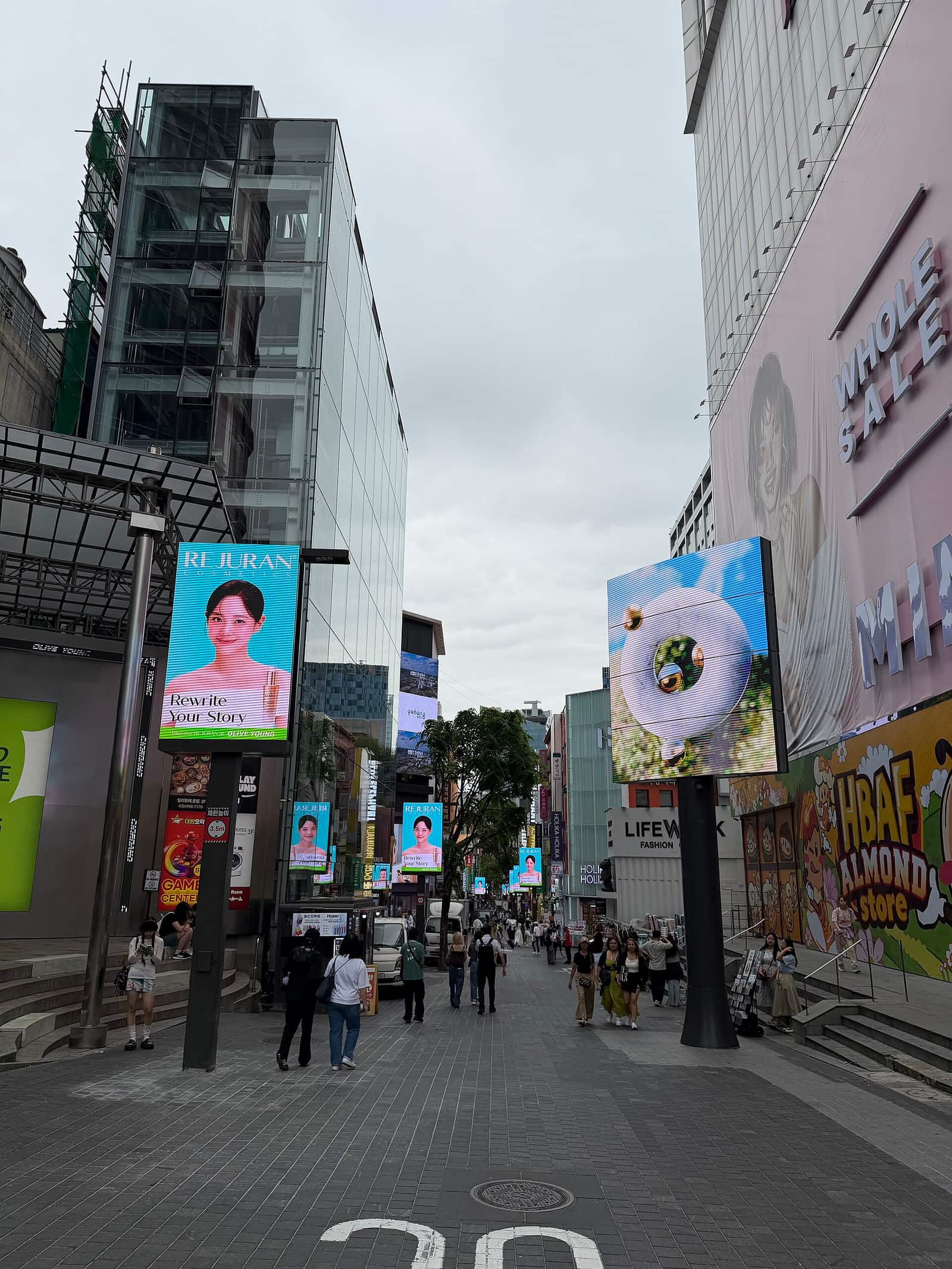
For a first meeting, a busy public neighborhood and independent route home are practical safety choices.
Cultural Curiosity Without Stereotyping
Questions about family, work, age, marriage, or personality type may surface earlier than some visitors expect. You are free to answer selectively and ask why something matters. Curiosity should move both ways; it should not become an interview about whether someone matches a national stereotype.
For the celebrity-culture version of this same "warmth without pressure" idea, see EpicKor's Suzy first-love image and Korean flirting-cue guide. It helps separate polished media charm from real-life dating consent, timing, and reciprocity.
Statistics Korea's 2024 Social Survey found that 52.5% of respondents thought people should marry; attitudes are clearly mixed. Financial pressure was the most common reason given for not marrying, so dating goals need a direct conversation.
If a relationship becomes serious, Korean couple milestones and family expectations may matter—but not in identical ways for every pair. EpicKor's guide to Korean couple anniversaries separates common customs from social-media exaggeration. The broader guide to resolving conflict with Koreans is also useful when differences in communication style become more important than the first-date excitement.
Go beyond dating-list stereotypes: Compare books on Korean culture and modern society if you want context for family, work, language, and generational change. No book can predict an individual partner, but good background can improve the questions you ask.
Common Mistakes—and Better Alternatives
Do not use jealousy as a test, fetishize Korean partners, expect free tutoring, appear at someone's work or home after a refusal, or confuse ambiguity with permission to push.
Instead, notice reciprocity. Do both people suggest plans, ask questions, and make room in their schedules? Can each person disagree without punishment? Are affection and privacy negotiated rather than demanded? Those signals are more meaningful than who sends the morning message first.
K-dramas can still be a fun shared interest. Talk about a favorite scene, visit a filming location, or laugh about an impossible plot twist. Just leave the coercive grand gestures on screen. The most attractive “Korean dating skill” is not nunchi used as mind-reading; it is attention combined with honest communication.
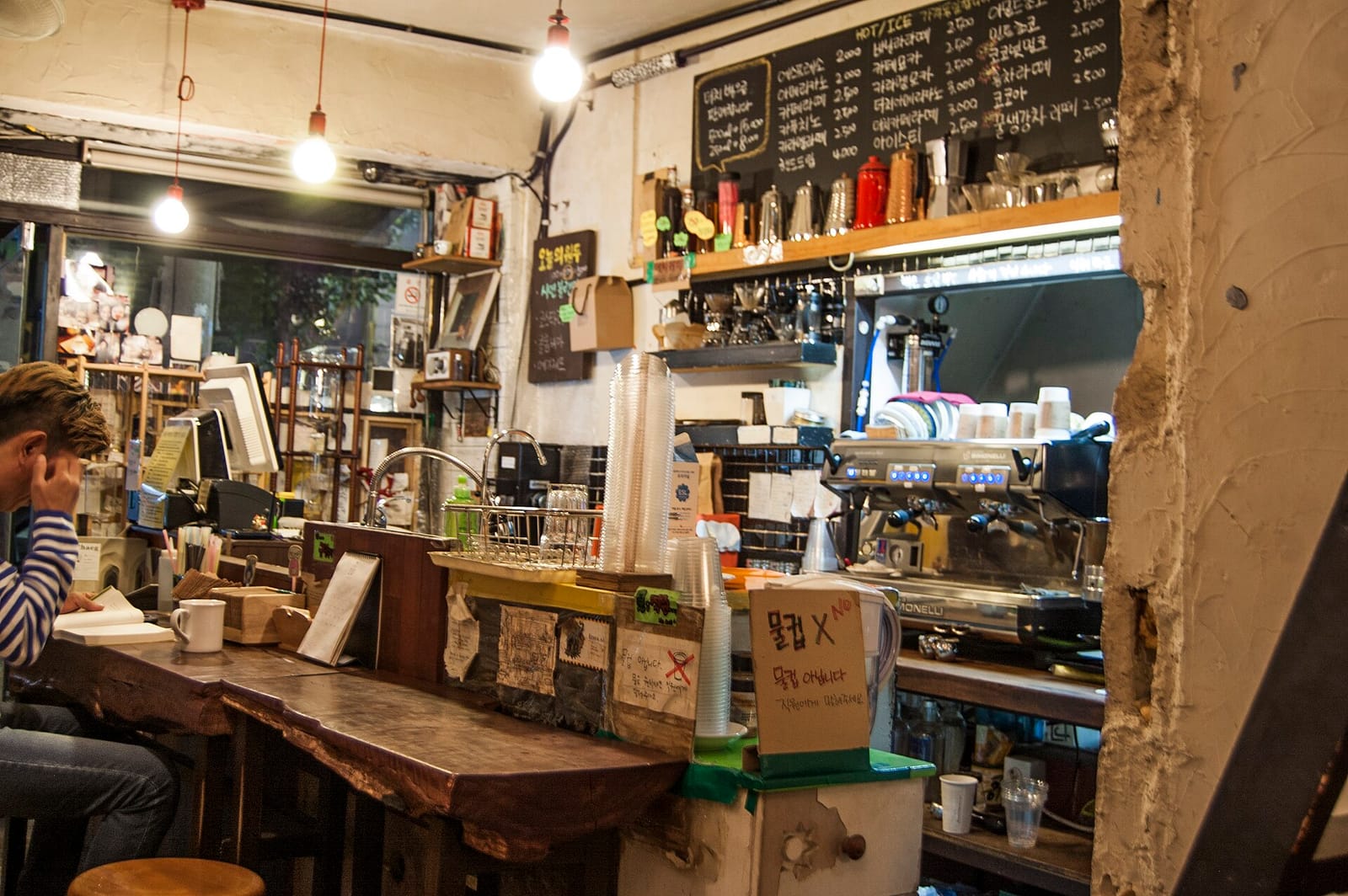
A good date does not need an elaborate production; it needs a plan both people understand and can change.
Frequently Asked Questions
Q: What does sseom mean in Korean dating?
Sseom is the mutual but undefined stage before an official relationship. It suggests romantic possibility, but exclusivity and expectations still need to be discussed.
Q: Do Korean couples text all day?
Some do and some do not. KakaoTalk is common, but reply frequency depends on the person, work schedule, and relationship. Agree on expectations instead of interpreting every delay.
Q: Who should pay on a first date in Korea?
There is no fixed rule. Splitting, alternating, or one person paying for dinner while the other buys coffee are all common possibilities. Choose a budget and communicate.
Q: Is a confession required before becoming a couple?
A direct conversation about feelings and exclusivity is useful, but it does not have to resemble a formal K-drama confession. Both people should understand and agree to the relationship.
Q: Is it rude to refuse alcohol on a Korean date?
No. You can decline alcohol without giving a detailed reason. A respectful date should accept that choice and offer a nonalcoholic option.
Q: What should I do if a date ignores my boundaries?
Leave if you can do so safely, contact someone you trust, and call 112 in an immediate emergency. The government-supported 1366 hotline provides 24/7 support for victims of stalking and dating violence.
Official Sources
You Might Also Like

Why Koreans Clap When They Laugh: Heung, TV, and Etiquette
A careful guide to Korean laugh-clapping, variety-show reactions, heung, jeong, personal space, and what visitors should or should not copy.
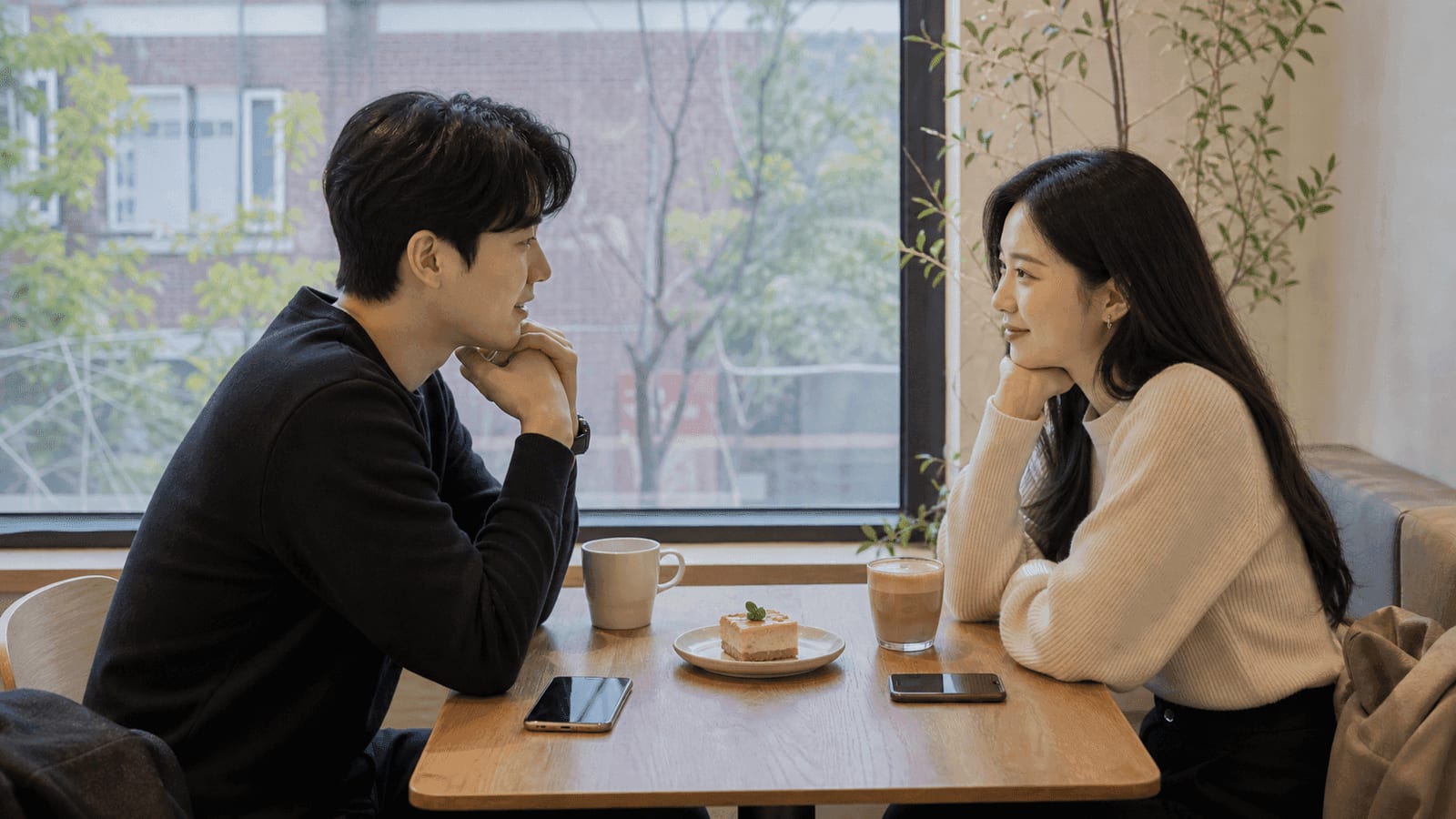
Korean Dating Rules: Sogaeting, 100 Days, and What a Seoul Date Costs
Korean dating runs on scripts — sogaeting, the 100-day mark, couple items. It also runs on money: a May 2026 survey of 1,485 Koreans in their 20s and 30s found most spend ₩50,000–100,000 a date but are comfortable only with ₩30,000–50,000.
Korean Floor Culture: Shoes Off, Ondol On, and the Boiler Dial That Is Not Room Temperature
Why Korean homes start at the floor, and the numbers nobody translates: the 온돌 dial reads water temperature, not air, so 50 is normal and 20 is cold. Plus what heating costs per MJ and the decibel line that makes floor noise a legal matter.