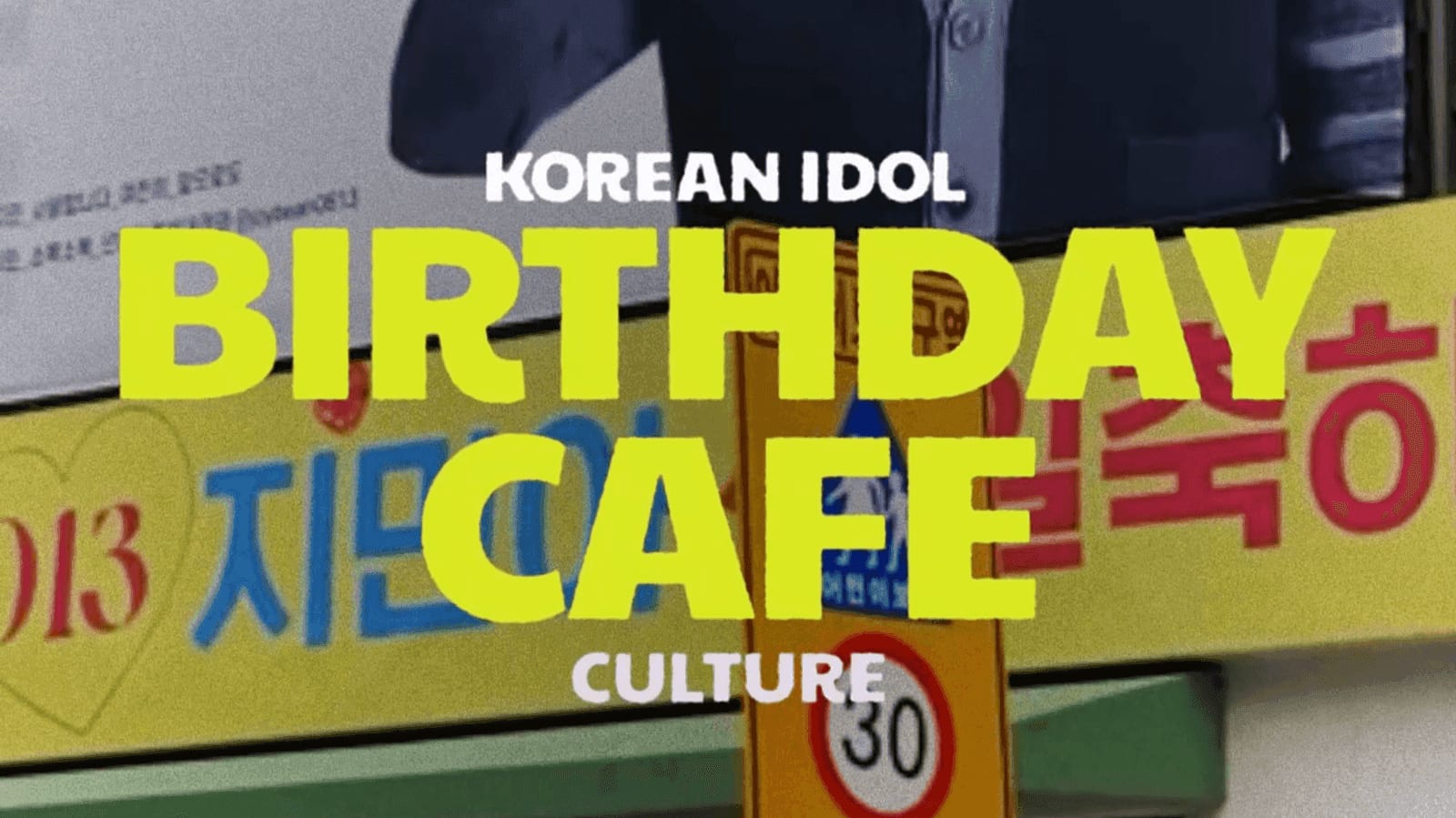
K-pop Birthday Cafe Guide: Seoul Fan Events Explained
A K-pop birthday cafe is one of the easiest ways to see Korean fandom become a real place. For a few days, an ordinary cafe turns into a temporary shrine for an idol, actor, webtoon character, esports player, or another beloved public figure. Fans decorate the space, prepare cup sleeves and photocards, organize lucky draws, share small gifts, and create a route that other fans can follow.
The important thing for visitors is this: birthday cafes are usually fan-run, temporary, and schedule-sensitive. They are not the same as official agency shops. Some are polished enough to feel like pop-ups; others are small, sweet, and crowded. If you understand the rules before you go, the experience can be charming instead of confusing.
What Is a K-pop Birthday Cafe?
A K-pop birthday cafe is a cafe event organized around a celebrity's birthday, debut anniversary, comeback, drama release, or another fandom milestone. Fans usually rent a cafe for a specific period, decorate it with photos and banners, and offer event goods when visitors buy a drink.
VISITKOREA describes birthday cafe tours as a Hallyu travel activity where fans celebrate a favorite celebrity while collecting merchandise such as cup holders, photocards, and postcards. Visit Seoul also frames birthday cafes as a culture that began in Korean idol fandom and later expanded to actors, sports stars, and fictional characters.
That expansion matters. Birthday cafes are not only about “buying coffee.” They are social proof. They show how Korean fan communities turn affection into planning, design, printing, queue management, and neighborhood movement.
Photocard sleeves and rigid toploaders — compare on AmazonAffiliate link. As an Amazon Associate, EpicKor earns from qualifying purchases at no extra cost to you.
Why Birthday Cafes Became a Seoul Fandom Ritual
The ritual works because it solves three fan needs at once:
- It gives online fandom an offline meeting point.
- It lets fans make something beautiful without needing the artist to appear.
- It creates collectible objects that prove, “I was there.”
In a normal cafe, a latte is just a drink. In a birthday cafe, the drink becomes part of a memory set: cup sleeve, photo zone, fan-made goods, Instagram story, and sometimes a conversation with someone who likes the same member as you.
If you are new to K-pop collecting, read EpicKor's K-pop photocard guide first. Birthday cafes often overlap with photocard culture, but not every item you receive is official merchandise.
What You Usually Receive
The exact package changes by event, cafe, artist, and organizer budget. Some events are minimal; some feel like miniature exhibitions.
| Item | What it means | Visitor tip |
|---|---|---|
| Cup sleeve | A decorated paper sleeve around your drink | Keep it flat if you want to collect it |
| Photocard or postcard | Usually fan-made unless clearly official | Do not trade it as official without proof |
| Lucky draw | A random extra gift or prize | Check purchase rules before ordering |
| Photo zone | A decorated corner for pictures | Take turns and avoid blocking staff |
| Message wall | Fans write notes to the artist or community | Keep the message respectful and short |
Where to Find Birthday Cafes in Seoul
Hongdae and nearby Mapo areas are common because they already have youth traffic, indie-culture energy, cafes, photo booths, and easy subway access. Visit Seoul highlights several birthday cafe venues in Mapo, including fan-photo spaces and gallery-style cafes.
Yongsan and Seongsu also matter because major entertainment companies are nearby. VISITKOREA notes that birthday cafes are often hosted near artist labels, which makes it easy for fans to pair a cafe stop with a headquarters photo, birthday billboard, or pop-up store.
That said, do not wander randomly and expect to find an event. Birthday cafes are scheduled. The same cafe can host one artist this week and a completely different event next week.

How to Check a Birthday Cafe Schedule
The most reliable route is usually social search, not a generic map search. Event organizers post dates, benefit rules, cafe names, and opening hours on X, Instagram, or fan-community sites. VISITKOREA also notes that schedules are often uploaded to X and dedicated platforms such as Fiveduck or Duk Place.
Use this order:
- Search the artist name plus “birthday cafe” or “생일카페.”
- Check the event poster for dates, cafe name, address, and goods rules.
- Confirm the cafe's own social account if available.
- Check whether goods are first-come, drink-required, reservation-only, or sold out.
- Save the address in Naver Map or KakaoMap before you leave.
If the event is for a very popular artist, arrive early but do not camp in a way that blocks nearby businesses.
Etiquette Visitors Should Know
Birthday cafes are sweet, but they are still operating cafes. Staff are making drinks, regular customers may enter, and fans are trying to share a small space.
Keep these rules:
- Buy the required drink before taking goods.
- Do not take multiple sets unless the event clearly allows it.
- Do not touch decorations unless staff says it is okay.
- Do not photograph strangers without consent.
- Keep photo-zone time short when a line forms.
- Separate fan-made items from official items when trading.
The best visitor is excited but light-footed. You can enjoy the event without turning the cafe into a pressure chamber.
Protect the small goods: As an Amazon Associate, EpicKor may earn from qualifying purchases. If birthday cafes lead you into collecting, compare photocard sleeves and rigid toploaders before putting loose cards into a bag.
Birthday Cafe vs Pop-up Store vs Official Shop
Visitors often mix these up because all three can involve long lines, merch, and photo zones.
| Format | Usually organized by | What to expect | Main risk |
|---|---|---|---|
| Birthday cafe | Fan organizers or cafe partners | Decorated cafe, cup sleeves, fan-made goods | Schedule changes and unofficial items |
| Pop-up store | Brand, agency, platform, or retailer | Limited merch, displays, purchase events | Sellouts and timed entry |
| Official shop | Retailer or entertainment company | Albums, lightsticks, official merchandise | Stock varies by branch and artist |
For official shopping, use EpicKor's K-pop merchandise guide. For a wider Seoul fan route, connect birthday cafes with the K-pop shopping route, Seoul nightlife area guide, and Korean celebrity Instagram guide.
Can Non-fans Visit?
Yes, if the event is public and you behave respectfully. Some visitors go because the decorations are interesting, the neighborhood route is fun, or the event overlaps with a larger Hallyu trip. VISITKOREA even frames birthday cafe tours as a travel experience for Hallyu fans.
But do not treat the space like a random photo prop. For the organizers, this is an act of care. If you do not know the artist, read the poster, buy the required drink, and avoid mocking the intensity. Korean fandom can look excessive from the outside, but the work behind it is often organized, generous, and community-driven.
How Much Should You Budget?
Most casual visitors should budget like they are visiting a normal Seoul cafe plus a small souvenir stop. A required drink may be enough for the basic sleeve set, while lucky draws, extra desserts, or paid goods can raise the cost. Do not assume every event is cheap just because it is fan-run; printing, rental time, decorations, and staff coordination all cost money.
Set a limit before you go. Birthday cafes are most enjoyable when the point is participation, not panic buying.
The IU Lesson: When Artists Give Back
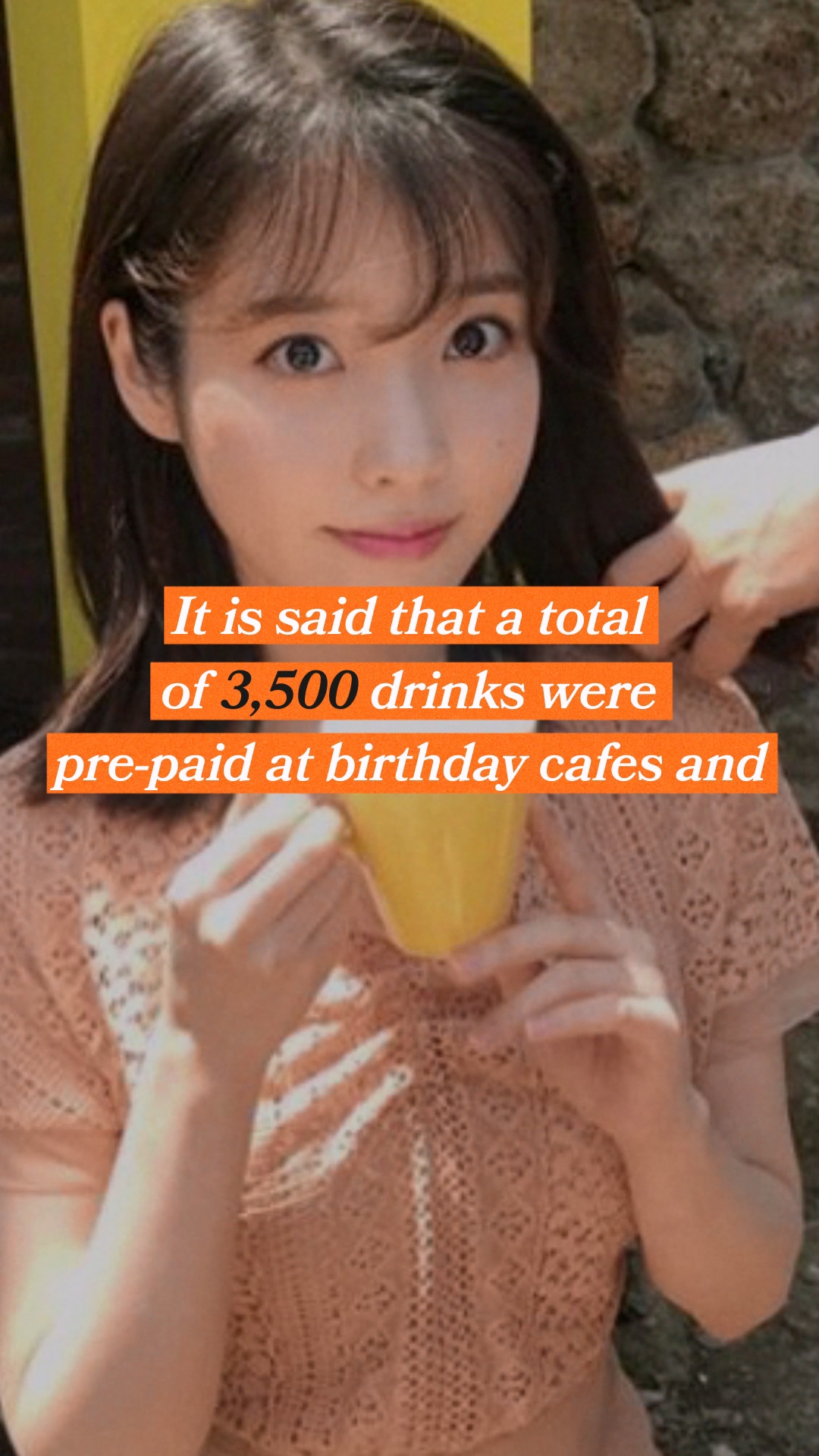
Birthday cafe culture becomes especially memorable when the artist responds. Korean media and fan communities widely discussed IU's 2024 birthday-cafe generosity, where fans connected the cafe ritual with the artist's history of reciprocity.
The broader lesson is not that every star must pay for drinks. It is that Korean fandom often runs on a feedback loop: fans organize, artists notice, brands observe, neighborhoods receive foot traffic, and the ritual grows. That is why birthday cafes are now part of the wider Hallyu economy, not just a niche fan joke.
Simple One-Day Birthday Cafe Route
If you are visiting Seoul for the first time, keep the day simple:
- Choose one confirmed birthday cafe in Hongdae or Mapo.
- Save a second nearby event only as a backup.
- Bring a small folder or sleeve for paper goods.
- Add one official store or photobooth stop, not five.
- Finish with a normal meal so the day does not become only queueing.
That balance keeps the trip fun. The birthday cafe should feel like a highlight, not a scavenger hunt that eats your whole Seoul day.
Make the fan-event stack easier to store: Compare K-pop photocard binders by pocket size, zipper style, and page material if you plan to keep cup-sleeve inserts, postcards, and photocards from multiple events.
FAQ
Q: Are K-pop birthday cafes official events?
Usually no. Most birthday cafes are fan-organized events hosted at ordinary cafes. Some may involve brand or agency cooperation, but you should not assume an item is official unless the organizer clearly documents it.
Q: Do I need a reservation?
Sometimes. Many small events are walk-in, but popular artists can require timed entry, queue numbers, or first-come rules for goods. Check the event poster before you go.
Q: Can I visit if I am not part of the fandom?
Yes, if the event is public. Buy what the rules require, respect the space, and avoid taking excessive goods meant for fans.
Q: Are the photocards from birthday cafes real official photocards?
Usually they are fan-made commemorative goods. They can be meaningful souvenirs, but do not price or trade them as official album, fan-sign, or retailer-benefit cards unless proof is provided.
Q: Where are birthday cafes usually held in Seoul?
Hongdae, Mapo, Yongsan, Seongsu, and areas near entertainment companies are common, but the exact cafe changes by artist and date.
Q: What should I bring?
Bring a small card sleeve, flat folder, portable battery, and a map app. If you plan multiple stops, bring patience too; the best events can be crowded.
Sources
- VISITKOREA: Hongdae birthday cafe tour
- Visit Seoul: Birthday cafe pilgrimage
- VISITKOREA: Fan culture with origins in K-pop
- VISITKOREA: G-DRAGON birthday-cafe-themed pop-up at HiKR Station
Video Insight: Birthday Cafe Culture
You Might Also Like
Have All BTS Members Finished Korean Military Service? 2026 Status
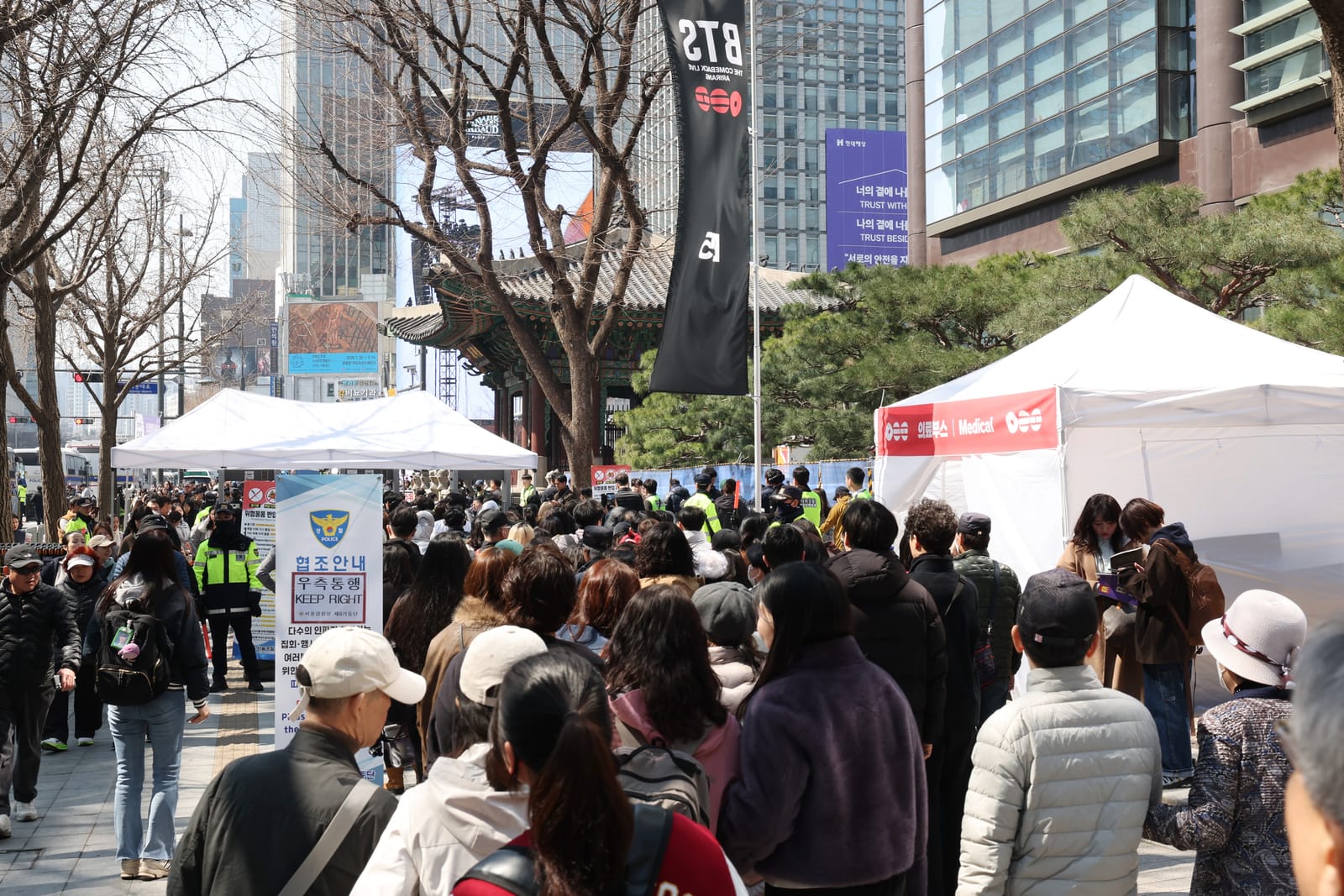
Yes — all seven finished. Jin was discharged 12 June 2024, J-Hope 17 October 2024, and RM, V, Jimin, Jung Kook and SUGA between 10 and 21 June 2025. Full dates, why SUGA served longer, and what BTS did after the uniforms came off.
BTS Part 2: The Korean Group's English Gamble and the ARMY Machine
How BTS beat Justin Bieber's 6-year Billboard streak, spoke at the UN, and became the first Korean act to hit No. 1 on the Hot 100.
BTS Part 1: Seven Unknown Korean Trainees at a Label With No Money
How BTS went from a nearly bankrupt Korean label and one teenage rapper to the FIFA World Cup Final stage. Part 1 of EpicKor's BTS history series.